Cecilia Chamidah Nur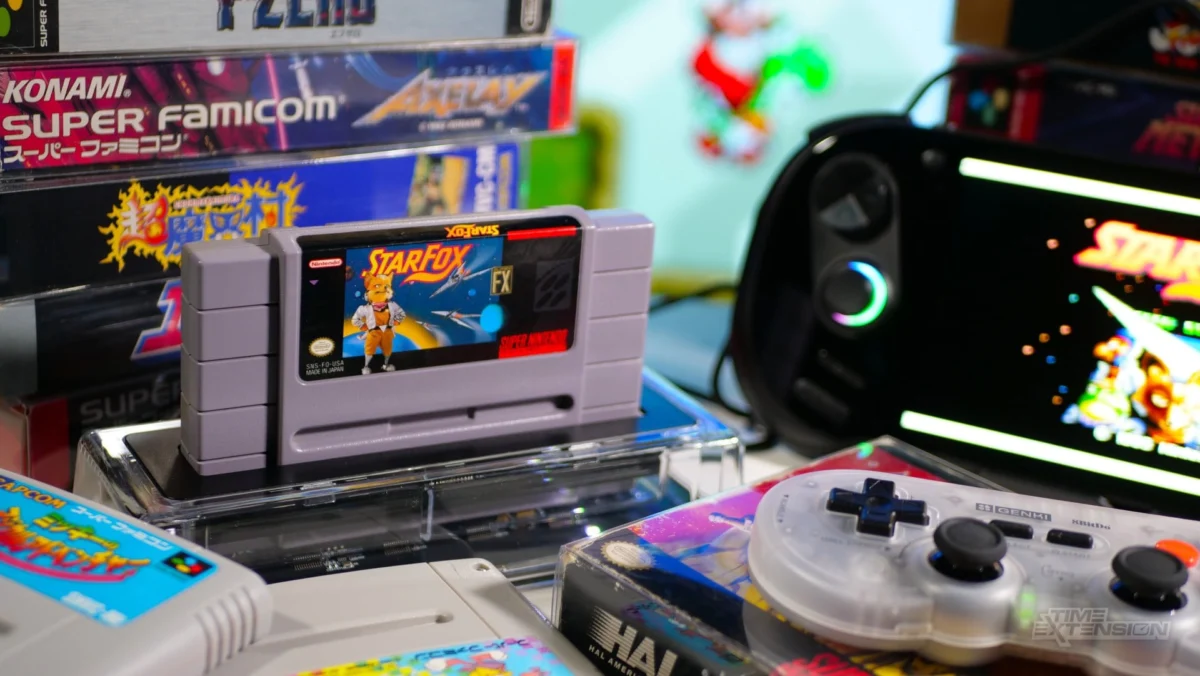
The retro gaming community experienced a week of notable developments, marked by both a significant loss of historical archives and the unveiling of innovative hardware and software solutions designed to preserve and enhance classic gaming experiences. From the disappearance of a venerable online forum to the emergence of unofficial PC ports and advanced FPGA consoles, the landscape of retro gaming continues to evolve, reflecting a dynamic interplay between preservation, fan-driven innovation, and commercial ventures. The week also saw tributes paid to an industry stalwart and insights into new productions for classic platforms, underscoring the enduring passion that fuels this vibrant sector.
The Erasure of a Quarter-Century of Online Gaming History: Digital Press Forum Goes Dark
In a somber turn for digital preservation, the Digital Press forum, a cornerstone of online retro gaming discussion and historical cataloging for over two decades, has been abruptly removed from the internet. Digital Press, founded by Joe Santulli, emerged in the late 1990s as one of the earliest and most comprehensive resources dedicated to celebrating and documenting the vast history of video games. Its forum, in particular, became a crucial repository of user-generated content, expert discussions, and anecdotal histories that spanned generations of consoles and arcade machines.
For more than 25 years, the forum hosted countless threads dissecting game development intricacies, chronicling collecting pursuits, verifying rare prototypes, and sharing personal stories from industry veterans and enthusiasts alike. It served as an invaluable, often primary, source for obscure information, market trends for vintage games, and the nuanced cultural impact of early video gaming. Its user base, comprising seasoned collectors, historians, and casual fans, contributed to a collective knowledge base that was unparalleled in its scope and depth.
The sudden disappearance of this archive represents a significant blow to the collective memory of the retro gaming community. Unlike structured wikis or academic databases, much of the forum’s value lay in its organic, conversational nature, capturing the zeitgeist of retro gaming as it unfolded over the past two decades. The loss encompasses not only millions of posts but also the unique, often irreplaceable, perspectives of its long-standing members. While the main Digital Press website, digitpress.com, remains operational, dedicated to its database of games and collectibles, the forum’s absence leaves a void that highlights the precarious nature of relying on privately hosted digital archives for historical preservation.
Reactions from the retro gaming community have ranged from profound sadness to concern over the broader implications for digital heritage. Many users have expressed dismay at the loss of personal histories, research, and connections fostered within the forum. The incident serves as a stark reminder of the ongoing challenges in preserving ephemeral digital content and the need for more robust, decentralized archiving initiatives to safeguard invaluable online communities and their contributions to cultural history. Efforts to archive parts of the forum may have been undertaken by preservation groups like the Internet Archive, but the comprehensive scope of the loss is still being assessed.
Fan-Driven Innovation: The Legend of Zelda: Twilight Princess Receives Unofficial PC Port
In a development that has generated considerable excitement among Zelda fans, a native PC port of The Legend of Zelda: Twilight Princess, dubbed "Dusklight," has been released online. This unofficial port allows players to experience the beloved GameCube version of the classic action-adventure title directly on PC hardware, bypassing the need for emulation and offering a suite of enhanced features.
The port represents a significant technical achievement by its developers, building upon a growing trend of "native ports" for classic Nintendo titles. Unlike traditional emulation, which simulates the original console’s hardware, a native port re-engineers the game’s code to run directly on a modern PC operating system. This approach typically results in superior performance, greater stability, and the ability to leverage contemporary hardware capabilities more effectively.
Key enhancements offered by Dusklight include support for higher resolutions (up to 4K and beyond), improved frame rates (often exceeding the original’s 30 FPS), native widescreen compatibility, and customizable control options, including full mouse and keyboard support. These features provide a fresh perspective on a game originally released in 2006, allowing both returning fans and newcomers to appreciate its intricate world and narrative with modern graphical fidelity and fluidity.
The emergence of such fan-made ports often sparks debate within the gaming industry regarding intellectual property rights and game preservation. While Nintendo has historically taken a firm stance against unauthorized distribution of its titles, the development community argues that these projects, when executed without directly distributing copyrighted game assets, serve as a form of cultural preservation and demonstrate the enduring appeal of these classics. These unofficial initiatives often highlight features that fans desire in official re-releases, such as performance upgrades and quality-of-life improvements, creating a fascinating dynamic between official stewardship and community-driven innovation.
Nostalgia Meets Modern Modding: The Nintendo 3DS Family Gets Clear Shell Treatment
Tapping into a potent vein of 1990s nostalgia, two prominent figures in the console modding scene, KendyLabs and Raretro Consoles, have formally partnered under the new venture KLRR to introduce clear shell kits for the Nintendo 3DS family of handheld systems. This initiative brings the distinctive transparent aesthetic, reminiscent of classic electronics from the 90s, to a beloved modern classic handheld.
KLRR’s announcement positions these kits as the world’s first "functional, publicly available clear shell kits for the Nintendo 3DS line." The initial offerings will target the Nintendo 3DS XL and the New 3DS, two of the most popular iterations of the platform. The project caters directly to a growing segment of retro gaming enthusiasts who seek to customize and personalize their hardware, often drawing inspiration from vintage designs. The clear shell trend, popularized by devices like the Game Boy Color and various "demo unit" consoles of the 90s, allows owners to showcase the internal components of their devices, merging technical curiosity with aesthetic appeal.
The collaborative nature of KLRR leverages the expertise of both KendyLabs, known for innovative electronic modifications and accessories, and Raretro Consoles, a specialist in console restoration and custom builds. Their combined efforts aim to deliver high-quality, precision-engineered shells that maintain the structural integrity and functionality of the 3DS, a complex device with multiple screens and delicate internal ribbon cables.
This development not only satisfies a niche market demand but also underscores the enduring legacy of the 3DS, a system that, despite Nintendo’s official discontinuation of production and eShop support, maintains a dedicated user base. The availability of such customization options contributes to the longevity of the hardware, allowing owners to refresh their consoles and express individual style, thereby extending the life cycle of these beloved handhelds well beyond their commercial prime.
Analogue 3D Enhancements: Cartridge Aesthetics and Save States Revolutionize N64 Play
The Analogue 3D, a premium FPGA-based console designed for high-fidelity Nintendo 64 playback, received two significant updates this week, further solidifying its position as a leading device for discerning retro enthusiasts. These enhancements address both aesthetic appreciation and modern gameplay convenience, bridging the gap between authentic retro experience and contemporary expectations.
The first update introduces a feature allowing users to customize the on-screen display of N64 cartridges to reflect their original physical variations. The Nintendo 64 era was notable for its diverse cartridge colors, moving beyond the standard grey plastic. Iconic titles such as Donkey Kong 64 shipped on distinctive yellow cartridges in Western markets, while The Legend of Zelda: Majora’s Mask famously arrived in a lustrous gold. The Analogue 3D’s new software now permits users to match these physical cartridge colors within the console’s menu interface, a subtle yet impactful detail that enhances the visual authenticity of the user experience. This level of meticulous attention to detail aligns perfectly with Analogue’s ethos of recreating the original gaming experience with unparalleled accuracy and respect for the source material.
The second, arguably more impactful, update introduced "Memories," Analogue’s proprietary system for implementing save states. Save states are a staple of modern emulation, allowing players to instantly save and load their progress at any point in a game, circumventing the often-inflexible or lengthy save mechanisms of older titles. While purists might argue that save states deviate from the original challenge, their inclusion offers a significant quality-of-life improvement for many players, particularly those revisiting challenging N64 titles without the luxury of unlimited time. The thoughtful integration of "Memories" demonstrates Analogue’s commitment to evolving its hardware to meet user expectations while maintaining its core mission of hardware-accurate replication. These updates collectively enhance the Analogue 3D’s appeal, offering a more personalized and user-friendly experience without compromising its fundamental dedication to historical fidelity.

FPGA GF1 Neptune Console Progress: Sega 32X Core Demonstrated
The highly anticipated Brazilian-made GF1 Neptune console, an FPGA-based endeavor to realize Sega’s unreleased Neptune system concept, has taken a significant step forward with the public demonstration of its Sega 32X core in action. This development brings the project closer to its 2026 release target, having faced previous delays.
The original Sega Neptune was envisioned in the mid-1990s as a unified console that would combine the Sega Mega Drive (Genesis) and its 32X add-on into a single, cohesive platform. Sega ultimately abandoned the project in favor of the Sega Saturn, leaving the Neptune as a tantalizing "what-if" in gaming history. The GF1 Neptune, developed by GamesCare, aims to bring this concept to life using Field-Programmable Gate Array (FPGA) technology. FPGA chips can be reconfigured to mimic the exact hardware logic of classic consoles at a fundamental level, offering a level of accuracy often superior to software emulation.
The recent video demonstration showcased the GF1 Neptune successfully running Knuckles’ Chaotix, one of the more iconic titles for the Sega 32X, utilizing a Mega EverDrive Pro flash cartridge. This demonstration is crucial as it validates the technical prowess of the GF1 Neptune’s FPGA implementation for the 32X, a notoriously complex piece of hardware to accurately replicate. The 32X, despite its short lifespan and mixed reception, featured a unique architecture that presented significant challenges for accurate emulation and hardware replication.
The successful demonstration of the 32X core signals that GamesCare is making tangible progress towards delivering on its ambitious promise. For Sega enthusiasts, the GF1 Neptune represents the potential to experience a consolidated Mega Drive and 32X system as originally intended, eliminating the often cumbersome setup of the original 32X add-on. This project highlights the growing sophistication of the FPGA retro hardware market, catering to a segment of collectors and players who prioritize hardware-level accuracy and a desire to experience gaming history as authentically as possible.
Evercade Expands Library with New Neo Geo and Activision Collections
Blaze Entertainment, the company behind the Evercade retro gaming ecosystem, has announced two new cartridge collections, further expanding its unique licensed library for the platform. The additions, "Neo Geo Arcade 4" and "Activision Collection 3," continue Evercade’s mission to provide officially licensed, physical compilations of classic games.
The Evercade system stands out in the retro gaming market by offering dedicated hardware (including handheld and home console variants) that plays games via proprietary physical cartridges, each containing a curated selection of titles. This approach appeals to collectors who appreciate physical media and the curated experience, distinct from digital downloads or universal emulation solutions.
"Neo Geo Arcade 4" marks the latest installment in Evercade’s ongoing partnership with SNK, bringing more titles from the legendary Neo Geo platform to the system. The Neo Geo, known for its powerful arcade and home console hardware in the 1990s, boasted graphically impressive and often challenging games. While specific titles for this collection were not detailed in the initial announcement, previous Neo Geo Evercade cartridges have included a mix of fighting games, run-and-guns, and sports titles, reflecting the breadth of SNK’s catalog.
Conversely, "Activision Collection 3" delves into an earlier era of gaming history, focusing on titles from the Atari 2600. Activision was a groundbreaking developer for the Atari 2600, notable for being one of the first third-party game developers and for producing many of the console’s most beloved and technically impressive games. This collection will likely feature a selection of these pioneering titles, offering a glimpse into the formative years of the video game industry and the creativity that flourished on early console hardware.
These new collections underscore Evercade’s commitment to continually enriching its library and catering to a wide range of retro gaming tastes, from the arcade power of the Neo Geo to the foundational brilliance of the Atari 2600. The consistent release of licensed cartridges reinforces the platform’s unique value proposition for enthusiasts seeking a curated and officially sanctioned retro gaming experience.
Historic Releases and Preservation Efforts: Return to Blacktooth and Epilogue SN Operator
The retro gaming scene continues to be a fertile ground for both long-awaited new releases and innovative tools for game preservation, as evidenced by the launch of Return to Blacktooth and the Epilogue SN Operator.
Return to Blacktooth: A Head Over Heels Adventure, a sequel to the 1987 classic Head Over Heels, has finally seen the light of day, nearly four decades after its inception. The original Head Over Heels, a seminal isometric puzzle-platformer by Jon Ritman and Bernie Drummond, captivated players on 8-bit and 16-bit home computers. Colin Porch, who programmed the Amiga and Atari ST versions of the original, began work on a sequel in 1989. For decades, this project remained unreleased, a fabled piece of gaming history. Its official release now, with approval from rights holder Atari, is a remarkable testament to persistence and passion. Crucially, Return to Blacktooth is playable on original Amiga and Atari ST hardware, ensuring that its release is not merely a digital curio but a fully authentic experience for retro computer enthusiasts. This extraordinary timeline highlights the dedication of developers and the enduring appeal of certain IPs, bringing closure to a nearly 40-year-long development saga.
In a different but equally significant vein of preservation and accessibility, Romanian company Epilogue has introduced the SN Operator, a device designed to facilitate "legal" SNES/Super Famicom emulation via a user’s personal game cartridge collection. Following the success of their GB Operator for Game Boy cartridges, the $60 SN Operator connects to a computer via USB-C, allowing users to play physical SNES cartridges through emulation software on their PC. Beyond simple playback, the device also enables users to dump game ROMs and back up save data from their cartridges.
The "legal" aspect of the SN Operator is key. By requiring users to own the physical cartridges, Epilogue sidesteps the legal ambiguities often associated with downloaded ROMs. This approach provides a practical solution for collectors who wish to play their physical games with modern conveniences (like savestates or enhanced visuals via PC emulation) without resorting to illegal downloads. The SN Operator bridges the gap between physical collecting and digital accessibility, offering a robust tool for game preservationists, speedrunners who need reliable ROM dumps, and casual players seeking to extend the life and versatility of their classic SNES library. It represents an innovative response to the ongoing debate surrounding emulation, offering a pathway that respects intellectual property while empowering users with greater control over their owned game assets.
Industry Tributes and New Game Insights
The retro gaming community also took time this week to mourn the loss of an industry luminary and gain insights into new creative endeavors for classic platforms.
On Friday, January 12th, 2024, Roy Ozaki, the esteemed CEO of Mitchell Corporation and a veteran of the video game industry, passed away at the age of 73. Born in Kobe on December 31st, 1950, Ozaki’s passing was reported this week, prompting a tribute to his significant contributions. Mitchell Corporation, under Ozaki’s leadership, was responsible for developing numerous beloved arcade and console titles. Most famously, they created the iconic Pang (also known as Buster Bros.), a highly successful arcade game that spawned multiple sequels and ports. The company also developed other notable titles such as Cannon Spike and Polarium, showcasing a diverse portfolio that spanned various genres and platforms. Ozaki’s vision and leadership played a crucial role in shaping Mitchell Corporation’s distinct identity and its lasting impact on the gaming landscape. His passing marks the loss of a figure who contributed substantially to the creative and commercial evolution of the arcade and puzzle game genres, and his legacy continues to resonate with fans and developers alike.
Finally, an interview provided a fascinating glimpse into the development of "Overserved: Food Fighters," an ambitious new title for the Neo Geo platform. Project lead Sascha Reuter discussed the journey of creating what is described as one of the more "curious" Neo Geo titles in recent memory. While not an official "first-party" SNK title, the game aims to deliver a high-quality experience reminiscent of the Neo Geo’s golden age. The interview delved into Reuter’s personal path to developing for the Neo Geo, the innovative technologies powering this latest project, and the team’s future aspirations. This conversation highlights the continued vitality of the Neo Geo development scene, driven by passionate independent developers who push the boundaries of what can be achieved on classic hardware. Such projects not only offer new experiences for dedicated fans but also demonstrate the enduring appeal and technical capabilities of vintage systems, proving that creativity in retro gaming is far from exhausted.
This past week underscores the multifaceted nature of the retro gaming world: a realm of both profound historical loss and vibrant, forward-looking innovation, continually shaped by the passion of its community members, developers, and entrepreneurs.