Ganda Hendra Perkasa
The video game preservation community is celebrating a significant victory this week as the Video Game History Foundation (VGHF) announced that the Video Games Europe (Ukie) trade association has suspended DMCA takedown services for Graceware, SL, an entity that has been aggressively pursuing copyright claims over the obscure 1999 computer game, Cookie’s Bustle. This decision marks a turning point in a prolonged campaign of what the VGHF describes as "rights-squatting" and "nuisance takedown requests" that have impacted creators and archival institutions alike.
Developed by Japanese studio Rodik, Inc. and released in 1999, Cookie’s Bustle has garnered a cult following due to its unique, genre-bending narrative. The game’s premise, which plunges players into the role of a five-year-old girl from New Jersey caught in a civil war and intergalactic conflict during an international sports competition, has been a subject of fascination for those exploring the fringes of game history. Despite its unconventional content, the game has largely remained out of print and difficult to access for nearly three decades.
A Rare Artifact and a Growing Threat
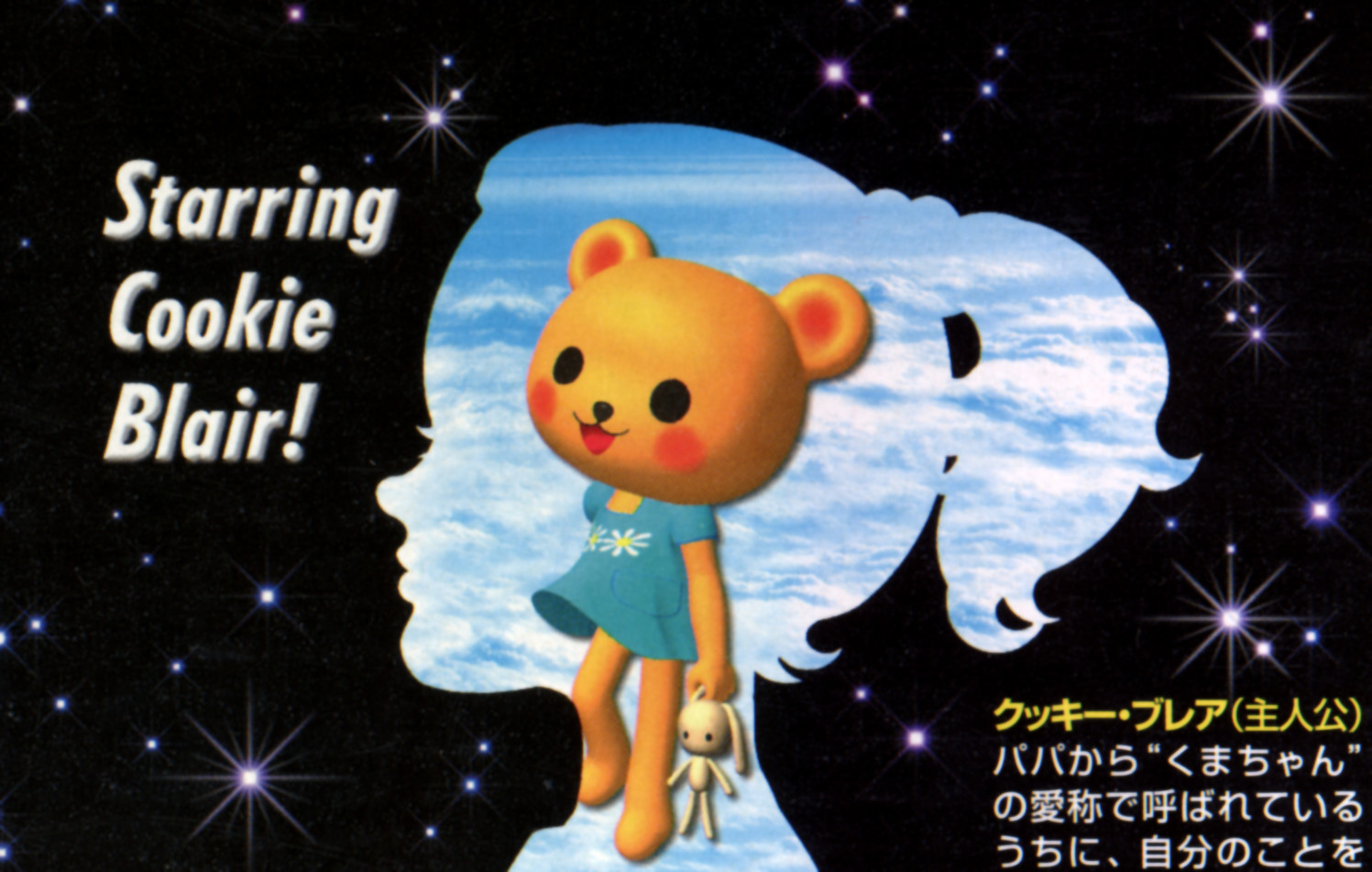
The VGHF acquired a rare physical copy of Cookie’s Bustle several years ago through a donation from multimedia researcher Misty De Méo. Recognizing its artistic and historical significance, the foundation committed to preserving the game within its collection. Due to the game’s out-of-print status and restricted access for research, the VGHF documented its packaging and physical materials, making them available in their digital archive for scholarly examination. While direct access to the game itself remains unavailable due to copyright restrictions, a gameplay demonstration video, recorded by community member sebmal, was also provided as a resource.
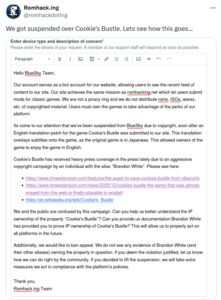
However, the VGHF’s efforts to document and preserve Cookie’s Bustle were met with unexpected resistance. Since 2021, an individual identified as Brandon White, operating under the corporate name Graceware, SL, has been issuing a barrage of DMCA takedown notices. These notices, often routed through Ukie, have targeted a wide range of content related to Cookie’s Bustle, including Let’s Play videos, fan art, and even simple mentions of the game’s title.
The Genesis of Graceware’s Claims
The core of Graceware’s claims appears to stem from a series of "registrations" filed by Brandon White in 2021 through a German private company called INTEROCO. These filings purport to establish ownership of various aspects of Cookie’s Bustle, including its source code, game concept, and character designs. However, the VGHF, in consultation with legal counsel from Albert Sellars LLP, asserts that these INTEROCO "registrations" are legally meaningless.
Copyright law, as established by international treaties like the Berne Convention, grants protection from the moment a work is created. Registration with official copyright offices, such as the U.S. Copyright Office, provides additional legal recourse and evidentiary weight. INTEROCO, however, is described as a "full-automated electronic depository" that functions akin to mailing a letter to oneself for a date stamp. The VGHF’s investigation revealed that INTEROCO’s platform lacks oversight and appears to be easily manipulated, with instances of significant fees being requested for purported registrations that were initially presented as automated. Crucially, depositing a copy of an already published work with INTEROCO does not confer copyright ownership.
Furthermore, Graceware, SL, has filed trademark applications in the United States for the name "Cookie’s Bustle" across various product categories. These applications, filed under an "intent to use" basis in December 2022, remain pending and have been repeatedly extended. The VGHF points out that "intent to use" applications do not grant actual rights until the mark is demonstrably used in commerce. Moreover, trademark ownership is distinct from copyright ownership. The original trademark for "Cookie’s Bustle" by RODIK, Inc. expired in 2001, and Graceware’s 2022 application does not establish any claim to the underlying copyright of the game.
A Pattern of Aggressive Takedowns
The VGHF’s analysis highlights a pattern of aggressive and indiscriminate takedown notices emanating from Graceware. These notices have been sent in response to:
- Let’s Play videos and gameplay streams
- Fan art and other derivative works
- Fan translations of the game
- News articles and blog posts discussing the game
- Even archival descriptions of the game’s existence
The VGHF argues that most of these uses would likely fall under fair use provisions and should not be subject to takedown requests. The sheer volume and aggressive nature of these notices, often executed through automated systems, have caused significant disruption. Several YouTube channels have documented this behavior, with some videos being removed due to copyright claims by Ukie on behalf of Graceware.
The VGHF itself experienced this firsthand, receiving multiple takedown notices for materials related to Cookie’s Bustle in their digital archive. In one particularly egregious instance, Graceware targeted a webpage that explicitly stated the game files were "Not Available" and contained no copyrighted material. This suggests Graceware’s claims extend to even describing the existence of the game, a position the VGHF deems legally untenable.
Exploiting the DMCA and Trade Associations
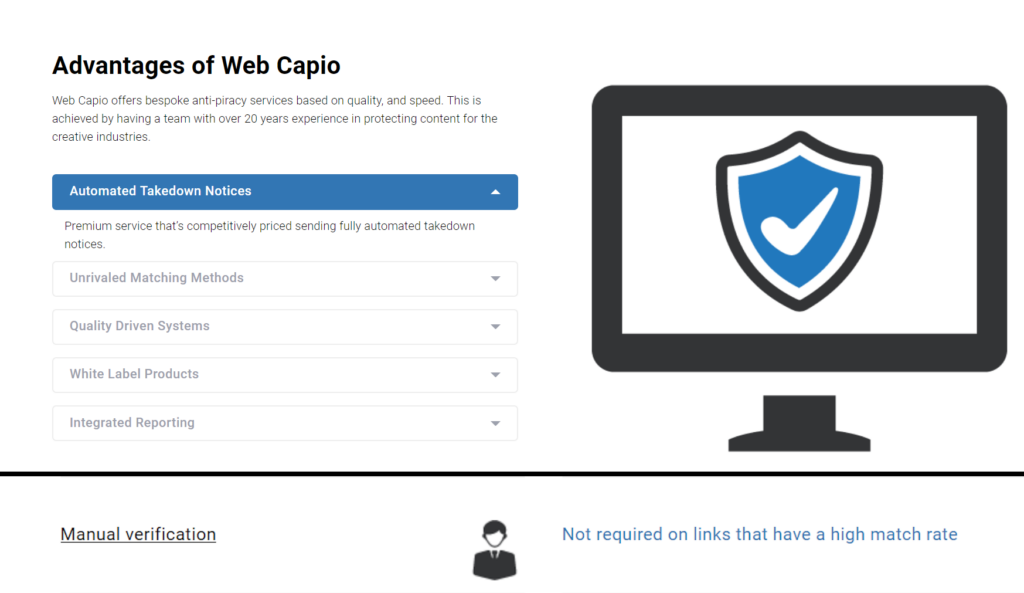
A key element of Graceware’s strategy, according to the VGHF, involves leveraging the Digital Millennium Copyright Act (DMCA) and the services of trade organizations like Ukie. Graceware, as a member of Ukie, has utilized the association’s offering of free DMCA takedown request services, managed by Mumith (Mo) Ali and his IP management company, Web Capio (now Obviously).
The VGHF criticizes this process, noting that Ukie’s membership requirements are relatively low, potentially allowing entities with questionable claims to access these services. Furthermore, Web Capio’s marketing materials boast of "automated takedown notices" that do not require human verification for content with a "high match rate." This automated approach, the VGHF argues, facilitates the bulk issuance of potentially spurious takedown requests, bypassing the scrutiny that a human review, especially by legal professionals, would provide.
The VGHF also points out that Web Capio has a history of issuing takedowns in a roundabout manner, often targeting the web hosts of platforms rather than the platforms themselves or the content creators directly. This strategy exploits the DMCA’s requirement for platforms to act on takedown notices to avoid liability, making it more likely for automatic compliance and less opportunity for the targeted party to contest the claim. In the VGHF’s case, Graceware’s takedown notice was directed at Vercel, the web host for the VGHF’s archive portal, rather than the VGHF directly.
The Lack of Verifiable Ownership
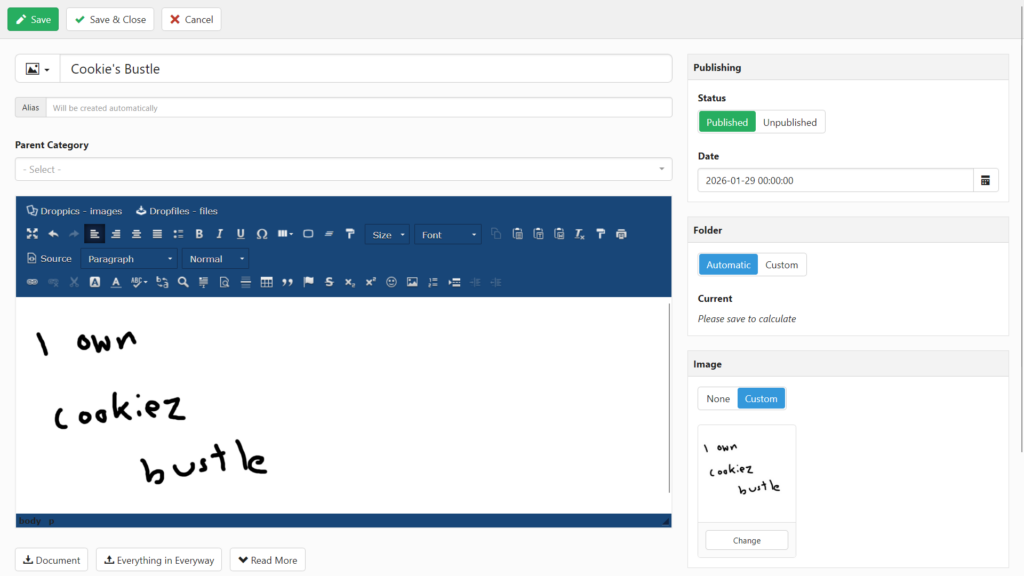
Crucially, when directly confronted with the need to substantiate their claims, Brandon White and Graceware have failed to produce legally meaningful evidence of ownership. The VGHF’s counsel formally requested clarification on the relationship between White’s INTEROCO "registrations" and the original 1999 publication of Cookie’s Bustle. Graceware reportedly did not respond to this request.

"If Brandon White does in fact own the copyright to Cookie’s Bustle, he has not been able to prove it," the VGHF stated. "When asked for documentation to back up his legal threat, he would not produce it. This is not the behavior of someone trying to protect their rights in good faith."
Ukie’s Intervention and the Path Forward
The VGHF’s persistence in documenting Graceware’s actions and presenting their findings to Ukie appears to have been pivotal. Following discussions between the VGHF and Mumith Ali, Ukie acknowledged the concerns and, after reviewing the evidence, suspended DMCA takedown services for Graceware.
"Without Ukie’s services, Graceware can no longer issue wide-scale automated takedowns for Cookie’s Bustle," the VGHF announced, declaring that the game had been "freed from copyright troll hell."

This resolution means that fair uses of Cookie’s Bustle, such as gameplay clips, streams, commentary, and documentation, should now be able to exist online without the immediate threat of automated takedowns. While existing videos may not be automatically restored, future content and re-uploads are expected to be free from interference.
Lingering Concerns and Broader Implications
Despite this significant victory, the VGHF acknowledges that underlying issues remain. The INTEROCO platform continues to offer misleading copyright registration services, and automated takedown systems like Web Capio’s still pose a risk of provoking unreasonable responses to fair use. The VGHF notes that Web Capio has reportedly implemented additional measures to escalate counterclaims, which may offer some recourse for users facing similar situations.
The VGHF also points out an update received after the initial publication of their article, indicating that Ukie had resumed sending takedowns for Cookie’s Bustle. While Ukie confirmed this, they reportedly did not provide evidence to dispute the VGHF’s findings or address concerns about fair use and takedown verification. The VGHF maintains that users have the right to dispute inappropriate DMCA notices and that Graceware is unlikely to successfully counter such disputes.
The implications of this case extend far beyond Cookie’s Bustle. The VGHF’s 2023 "Survey of the Video Game Reissue Market in the United States" estimated that roughly half of game and software titles released before 1995 have become "orphan works" due to poor documentation of ownership. Video games, often treated as disposable commodities, are particularly vulnerable to this problem. This creates an environment where bad actors can easily manipulate the historical record, sow disinformation about ownership, and hinder the efforts of historians, documentarians, and archivists.
The VGHF’s proactive stance underscores the importance of protecting the ability to document and understand the history of video games. By confronting copyright trolls and advocating for the rights of creators and preservers, the organization aims to ensure that cultural artifacts like Cookie’s Bustle can be studied, appreciated, and remembered. The battle against copyright trolling, the VGHF concludes, is a fight for the very integrity of video game history itself.