Ganda Hendra Perkasa
The recent conclusion of the Game Developers Conference (GDC) 2026 has ushered in a significant archival revelation, offering a profound look into the nascent stages of the computer game industry. Today, the preservation and release of digitized lecture recordings from the 1989 Computer Game Developers’ Conference (CGDC) marks a pivotal moment for game history enthusiasts, developers, and researchers alike. These meticulously preserved audio documents, salvaged from cassette tapes, provide an invaluable window into the minds and challenges of the pioneers who laid the foundation for the multi-billion dollar industry we know today. The third-ever GDC, held in May 1989 at the Sunnyvale Hilton Hotel, was a far cry from the sprawling, international event it has become, but its significance is amplified by the rarity and historical context of these recordings.
A Community Forged in the Early Days
The computer game development community of 1989 was characterized by its close-knit nature. Estimates suggest that CGDC 1989 convened a modest gathering of approximately 300 attendees. This intimate setting fostered an environment where personal connections were paramount, a sentiment vividly captured in the recordings as speakers frequently address audience members by name. This level of familiarity underscores the collaborative and often familial spirit that permeated the early days of game development, where shared passion often superseded formal corporate structures. The digital preservation effort has unearthed nearly every lecture from this seminal event, a testament to the dedication of those involved in its initial documentation and the subsequent efforts to digitize these fragile artifacts.
The sheer survival of these audio recordings is remarkable. GDC co-founder Tim Brengle personally undertook the laborious task of manually dubbing these tapes, a process that likely consumed significant time and effort. His dedication, realized 37 years later through this digital release, has provided the industry with a tangible link to its formative years. The state of the computer game industry in 1989, a period of rapid technological advancement and evolving market dynamics, imbues these recordings with particular historical weight. The landscape was dominated by emerging personal computers like the IBM PC, Apple Macintosh, and Amiga, each with its own burgeoning library of software and a growing, albeit niche, audience eager for interactive entertainment. This era predated the widespread dominance of consoles and the internet, positioning computer game development as a frontier endeavor.
Pillars of the Industry: Early Voices and Visions
The roster of speakers at CGDC 1989 reads like a who’s who of early game development luminaries. The lectures feature the insights of individuals who would go on to shape the trajectory of the industry for decades to come. Among the notable figures whose early thoughts and strategies are now accessible are Danielle Bunten Berry, a visionary designer known for pioneering simulation and strategy games; Bing Gordon, who would later become a pivotal figure at Electronic Arts; Chris Crawford, an influential game designer and theorist; Richard Garriott, creator of the seminal Ultima series; and Steve Cartwright, a prolific game designer. These recordings represent some of the earliest surviving audio documentation of these influential figures sharing their knowledge and perspectives.
The archival release highlights several key talks that offer a comprehensive overview of the concerns and aspirations of developers at the time. These curated selections provide a compelling narrative of the industry’s evolution:
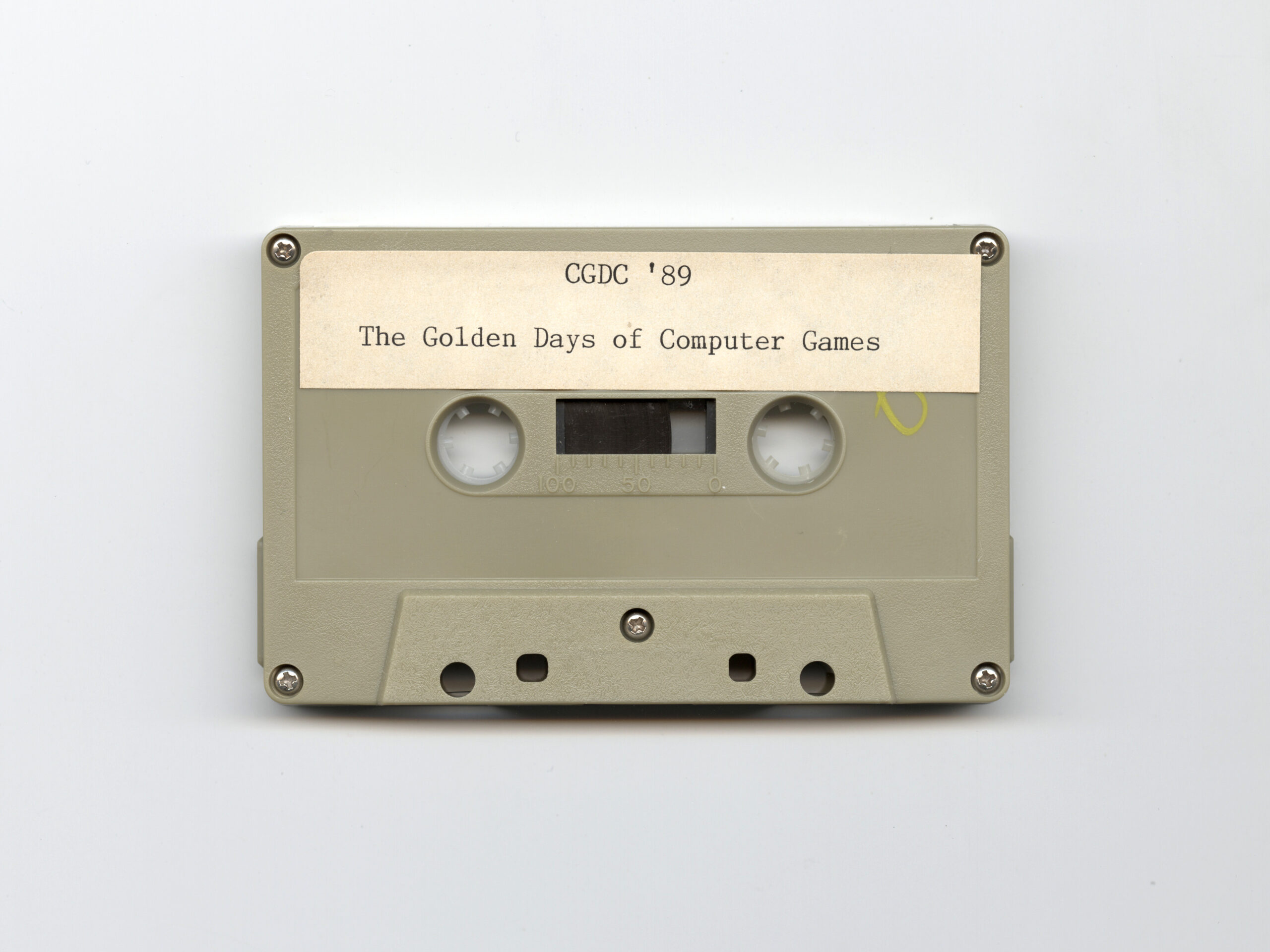
"The Golden Days of Computer Games"
This panel, featuring Dani Bunten, Steve Cartwright, Chris Crawford, Jon Freeman, and Richard Garriott, delves into a nostalgic reflection of what the speakers considered the "good old days" – namely, the year 1980. The very existence of nostalgia for a period just nine years prior underscores the astonishing pace of innovation and market growth in the intervening decade. The panel’s discussion touches upon the rudimentary beginnings of game development, where creators often handled their own packaging, distributing games in simple Ziploc bags. This anecdote vividly illustrates the DIY ethos that characterized the early industry, a stark contrast to the highly professionalized and corporatized landscape of modern game development. The participants’ reflections offer a poignant reminder of the humble origins of an industry that had not yet achieved mainstream recognition.
"Movies and Games: Living with a License"
The complex relationship between the burgeoning computer game industry and the established entertainment sector is explored in this panel featuring Steve Cartwright, Elaine Ditton, Noah Falstein, and Eric Goldberg. The discussion centers on the challenges and opportunities presented by working with licensed properties. A particularly engaging segment focuses on the development of the Three Stooges computer game, offering a behind-the-scenes look at the creative process involved in adapting established intellectual property. The panel also touches upon industry gossip concerning contentious licensed projects, such as the Barbie game for the Commodore 64, indicating that discussions around intellectual property rights and their implementation were already a significant concern for game producers. This panel provides crucial context for understanding the economic and creative pressures that shaped early game licensing.
"The Press and Games"
The symbiotic, and sometimes adversarial, relationship between game developers and the media is dissected in a unique panel featuring Johnny Wilson, an editor from Computer Gaming World, and Charlotte Taylor-Skeel, the public relations manager for Accolade. Their joint presentation highlights the strategic importance of public relations and media coverage in an era before the internet facilitated direct developer-to-consumer communication. The fact that such discussions were taking place at CGDC 1989 demonstrates a sophisticated understanding of marketing and public perception that was developing alongside the technological capabilities of game creation. This panel offers valuable insights into the early efforts to build and maintain brand recognition and critical reception in a competitive market.
"Interactive Storytelling"
Dave Albert of Electronic Arts delivers a compelling lecture on interactive storytelling, which evolves into an engaging Socratic dialogue with the audience. This session underscores the early exploration of narrative depth and player agency in video games. Albert’s interactive approach suggests a forward-thinking perspective on how games could transcend mere mechanics to offer meaningful narrative experiences. The recorded conversation offers a fascinating glimpse into the intellectual discourse surrounding game design at the time. The potential identification of Brenda Laurel or Brenda (Garno) Romero in the audience highlights the presence of other key figures who would go on to make significant contributions to the field of interactive narrative and game design, further cementing the historical importance of this recording.
"The Publishers’ Panel"
Concluding CGDC 1989, this panel brings together executives from major American computer game publishers, including Gary Carlston, Bruce Davis, Peter Doctorow, Robert Garriott, Trip Hawkins, and Joe Miller. Their discussion offers a candid perspective on the industry’s challenges, with a particular focus on what they termed "the slump" in the US computer game market. This segment provides a crucial economic and business perspective on the period. Trip Hawkins, founder of Electronic Arts, delivers a particularly fiery critique of Nintendo’s closed ecosystem practices and expresses skepticism about the long-term sustainability of the Nintendo Entertainment System (NES). His pronouncements, made in 1989, offer a prescient glimpse into the evolving console landscape and the ongoing debates surrounding platform exclusivity and developer freedom.
Missing Pieces and Future Prospects
While the collection is remarkably comprehensive, it is understood to be missing two talks from CGDC 1989. The circumstances surrounding their potential recording remain unclear, leaving a slight gap in the historical record. Furthermore, the archive notes the existence of 22 roundtable discussions, including one reportedly featuring counterculture icon Timothy Leary, which are not believed to have been recorded. These missing elements represent potential future discoveries, offering tantalizing possibilities for further archival research. Nevertheless, the current collection provides an unparalleled opportunity for individuals to immerse themselves in the atmosphere of the Sunnyvale Hilton, virtually standing alongside the approximately 300 game designers who were actively shaping the future of their craft.
A Collaborative Effort in Preservation
The successful cataloging and digitization of the CGDC 1989 recordings were made possible through the generous support of external institutions. The Department of Special Collections at Stanford University Libraries provided a crucial copy of the CGDC 1989 program from the Steve Meretzky papers, serving as an indispensable reference for identifying and contextualizing the lectures. This collaboration underscores the importance of inter-institutional cooperation in preserving cultural and historical artifacts.
The Game Developers Conference has granted permission for these recordings to be shared, facilitating their broad accessibility. The GDC also acknowledges the pivotal role of Tim Brengle, whose personal initiative in manually dubbing the cassette tapes has preserved this invaluable historical material. This initiative, though realized 37 years after the event, represents a profound contribution to the documentation of game development history.
Access and Future Support
These newly released recordings are now available free of charge, forming a vital addition to the growing digital library of video game history research materials maintained by the organization. The commitment to such preservation projects is sustained by ongoing support from the community. The investment in new audio digitization equipment for this undertaking signifies a forward-looking approach, ensuring that future archival endeavors can be undertaken with enhanced capabilities. Such initiatives are critical for safeguarding the legacy of video games and providing future generations with the resources to understand and appreciate the evolution of this dynamic medium. The project serves as a powerful reminder of the enduring value of historical documentation and the importance of making such resources accessible to the public.