Cecilia Chamidah Nur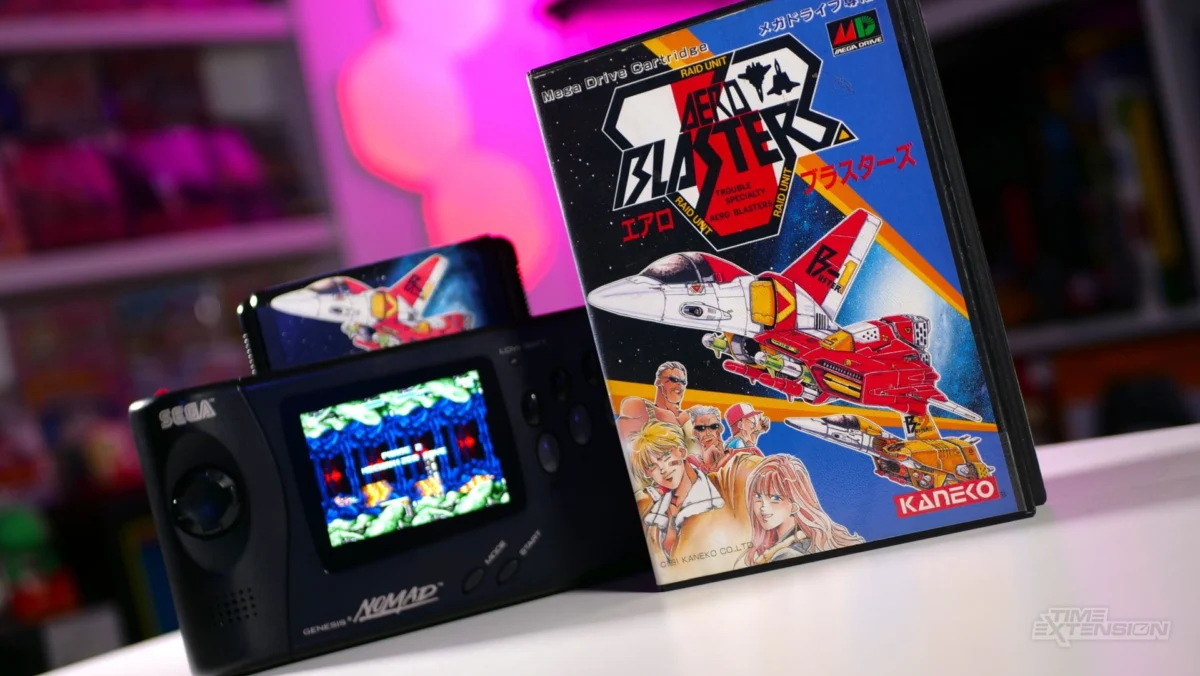
The video game landscape of the early 1990s was a dynamic battleground, with arcade cabinets serving as the vanguard of technological innovation and home consoles striving to replicate that cutting-edge experience. Among the myriad titles vying for attention, Kaneko’s horizontal scrolling shoot ’em up, Aero Blasters (known as Air Buster in North America), emerged as a particularly significant example of a home console port that not only captured the essence of its arcade progenitor but remarkably achieved a near-perfect translation. This fidelity made it a touchstone for discerning players and contributed significantly to the Sega Mega Drive/Genesis’s reputation as the console for arcade-quality gaming in the living room.
Chronology of a Classic: From Arcades to Living Rooms
Aero Blasters first graced Japanese arcades in 1990, developed and published by Kaneko, a Japanese video game company recognized for its diverse output, including other shmups and fighting games. The arcade version quickly garnered attention for its vibrant graphics, fast-paced action, and challenging gameplay, featuring six distinct stages, a powerful arsenal of weapons, and memorable boss encounters. The arcade scene of this era was a vibrant cultural hub, where teenagers and adults alike gathered to experience the latest technological marvels in gaming. These machines, often housed in custom cabinets with dedicated controls, offered an unparalleled sensory experience, making the prospect of bringing such experiences home a major draw for console manufacturers.
The release of Aero Blasters coincided with the escalating "console wars" of the 16-bit era, primarily between Sega’s Mega Drive (launched in Japan in 1988, North America as Genesis in 1989, and Europe in 1990) and Nintendo’s Super Famicom/SNES (launched in 1990/1991). Sega aggressively marketed the Mega Drive on its ability to deliver "arcade-perfect" conversions, directly leveraging the allure of coin-op hits. This strategy was pivotal, as many popular arcade titles were developed on hardware architectures that shared similarities with the Mega Drive’s Motorola 68000 CPU, offering a theoretical advantage in porting accuracy over the SNES’s different architecture.
The Mega Drive port of Aero Blasters was released in Japan on September 28, 1990, followed by its North American debut as Air Buster in 1991, published by Taxan. For many players, their first encounter with games like Golden Axe, Strider, or Super Monaco GP was often on their home console, only later discovering their arcade lineage. However, Aero Blasters presented a different narrative for some, particularly those who had experienced the arcade version firsthand. The immediate recognition of its fidelity in the home version, often highlighted in contemporary gaming magazines, was a powerful endorsement of Sega’s claims and Kaneko’s development prowess.
The Technical Challenge: Replicating the Coin-Op Experience
Porting arcade games to home consoles in the early 90s was a complex endeavor, fraught with technical limitations. Arcade hardware was often bespoke, featuring specialized chips and configurations designed for maximum performance without cost constraints. The Mega Drive, while powerful for its time, was a mass-market consumer product with inherent limitations compared to a dedicated arcade board.
The arcade version of Aero Blasters likely ran on hardware comparable to Kaneko’s own proprietary systems or a variant of a standard arcade platform, featuring a powerful CPU (e.g., a Motorola 68000), dedicated graphics processors for sprites and backgrounds, and advanced sound chips. The Mega Drive, too, utilized a Motorola 68000 as its main CPU, supplemented by a Zilog Z80 for sound processing and a Video Display Processor (VDP) for graphics. The challenge lay in optimizing the arcade game’s assets and logic to run efficiently within the Mega Drive’s memory, processor cycles, and color palette. The Mega Drive’s palette of 512 colors (with 64 on-screen simultaneously) was respectable but often a reduction from the thousands of colors available on more advanced arcade boards.
Kaneko’s achievement with Aero Blasters was in how seamlessly they managed this translation. The Mega Drive version showcased incredibly fluid scrolling, a high number of on-screen sprites without significant slowdown (a common issue in less optimized ports), and a remarkably accurate rendition of the arcade’s detailed pixel art. The intricate level designs, enemy patterns, and explosive special effects were largely preserved, offering a gameplay experience that felt genuinely close to the coin-op. This was a stark contrast to many other arcade ports of the era, which often suffered from reduced graphics, choppy animation, simplified sound, or missing levels, leading to widespread disappointment among players.
The sound design was another critical element. Arcade games often featured powerful sound systems, and replicating their booming soundtracks and impactful sound effects on home consoles was a significant hurdle. The Mega Drive’s Yamaha YM2612 sound chip, known for its distinct FM synthesis capabilities, proved capable of delivering a compelling audio experience for Aero Blasters. The game’s energetic soundtrack and crisp sound effects contributed significantly to maintaining the arcade’s intense atmosphere, further cementing the port’s reputation for fidelity.
Critical Reception and Market Dynamics
The contemporary critical reception of Aero Blasters on the Mega Drive was overwhelmingly positive, largely due to its perceived arcade accuracy. Publications like Mean Machines, a highly influential UK-based console gaming magazine, played a crucial role in shaping public opinion. Their reviews often highlighted the game’s faithful conversion, praising its graphics, speed, and overall adherence to the original arcade experience. This positive reinforcement from trusted media outlets further fueled consumer demand for the title and reinforced Sega’s marketing narrative.
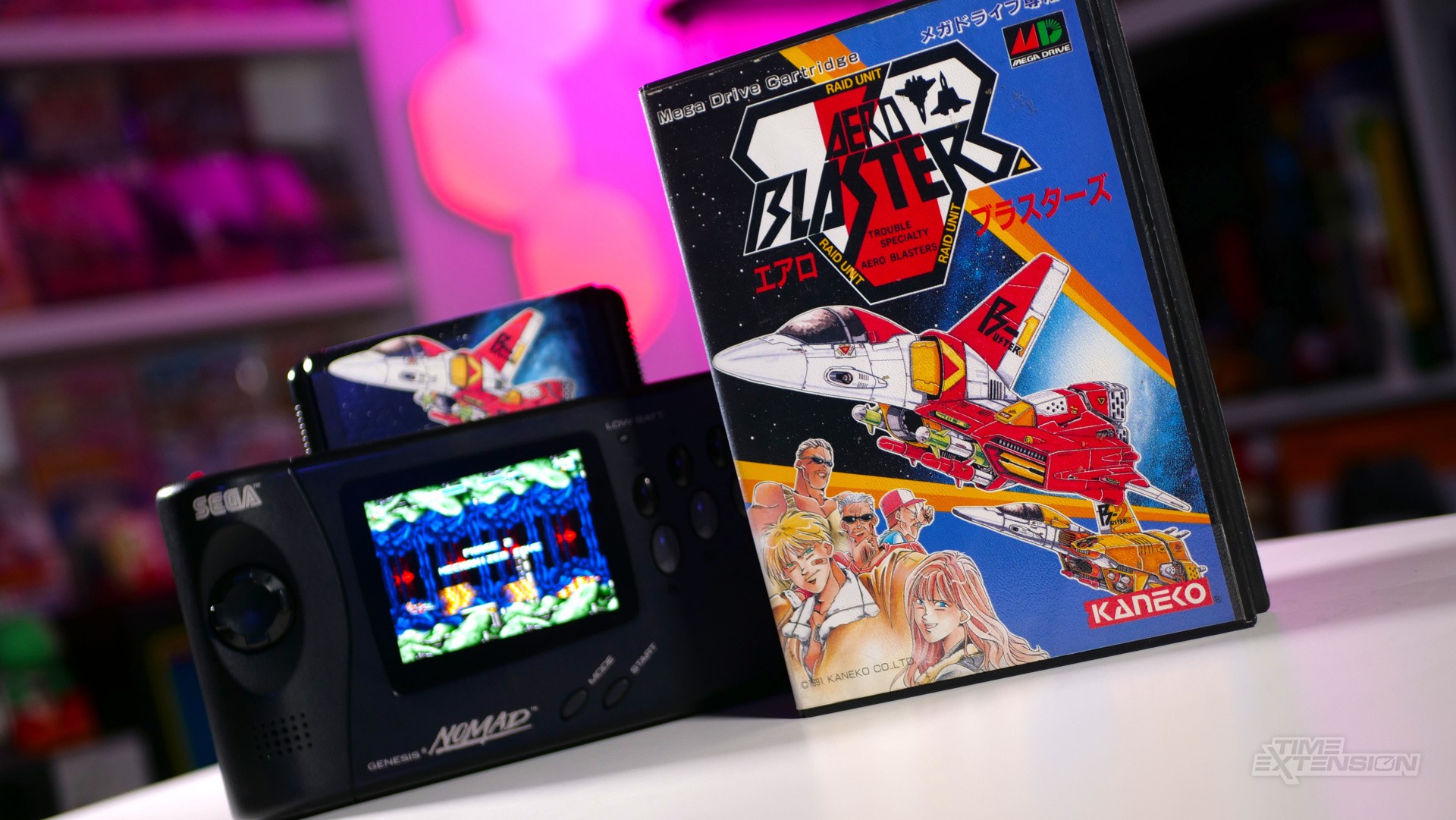
The varying regional cover art for Aero Blasters also provides an interesting case study in market dynamics. The Japanese release featured a distinct, often more artistic and futuristic design, characteristic of Japanese arcade and console aesthetics. In contrast, the North American Air Buster cover often adopted a more aggressive, action-oriented, and sometimes generic style, reflecting the perceived preferences of the Western market. While the quality of the game itself remained constant, the cover art could significantly influence initial consumer perception and sales, with many retro enthusiasts today preferring the original Japanese artwork. Despite the subjective aesthetic quality of the North American cover, the game’s intrinsic excellence shone through, captivating players who were "stunned by how close the game itself was to the arcade."
While specific sales figures for Aero Blasters are difficult to pinpoint precisely, its critical acclaim and inclusion in many Mega Drive libraries suggest it was a respected and moderately successful title. More importantly, its success contributed to the broader narrative that the Mega Drive was the superior platform for arcade translations, a narrative that Sega skillfully leveraged throughout the 16-bit era to challenge Nintendo’s dominance.
The Broader Implications: Arcade Ports and Console Identity
Aero Blasters set a significant standard for arcade-to-home conversions. Its success demonstrated that it was possible to deliver a genuinely high-quality, faithful port, thereby raising consumer expectations. Players began to demand more than just approximations; they wanted experiences that felt as close as possible to what they encountered in arcades. This put pressure on developers and publishers to invest more resources into optimizing their ports, leading to a general improvement in conversion quality across the industry.
For Sega, titles like Aero Blasters were instrumental in defining the Mega Drive’s identity. By consistently delivering strong arcade conversions alongside original IP, Sega positioned its console as the ultimate "arcade machine in your living room." This strategy resonated deeply with a generation of gamers who grew up frequenting arcades and craved that level of excitement and graphical prowess at home. The contrast with poorly executed ports, which could severely damage a game’s reputation and even a console’s image, underscored the importance of technical excellence in this competitive market.

An Enduring Appeal: Modern Rediscovery and Preservation
Decades after its initial release, Aero Blasters continues to hold a special place in the hearts of retro gaming enthusiasts and collectors. Its enduring appeal lies not only in its excellent gameplay but also in its historical significance as a benchmark for arcade accuracy. The game is frequently revisited by players who appreciate its tight controls, challenging levels, and vibrant aesthetic.
The retro gaming culture, which has seen a significant resurgence in recent years, places a high value on preserving and celebrating classic titles. Collectors actively seek out original cartridges, with regional variations like the Japanese Aero Blasters often commanding premium prices due to their iconic artwork and perceived authenticity. Stores specializing in retro games, such as CeX (which had a short-lived retro store in London), play a vital role in this ecosystem, providing platforms for trading and acquiring these pieces of gaming history.
Beyond physical collections, the digital preservation of games like Aero Blasters is equally crucial. Through emulation on modern platforms and occasional re-releases on digital storefronts, these titles remain accessible to new generations of players. This ensures that the technical achievements and artistic merits of early gaming are not lost to time but can continue to be experienced and appreciated, fostering a deeper understanding of video game history and development.
Conclusion: A Testament to Early 90s Gaming Innovation
Aero Blasters stands as a testament to a pivotal era in video game history, an era defined by rapid technological advancement and fierce competition. Its journey from a Japanese arcade cabinet to a celebrated home console port on the Sega Mega Drive exemplifies the industry’s drive to bring cutting-edge entertainment into homes. Kaneko’s technical skill in achieving such a faithful conversion not only cemented the game’s legacy as a beloved shoot ’em up but also played a significant role in shaping consumer expectations and strengthening the Mega Drive’s identity as the premier platform for arcade experiences. Even today, its ability to impress with its fidelity to the original coin-op serves as a powerful reminder of the ingenuity and passion that characterized early 90s video game development.