
 Hartono Sudibyo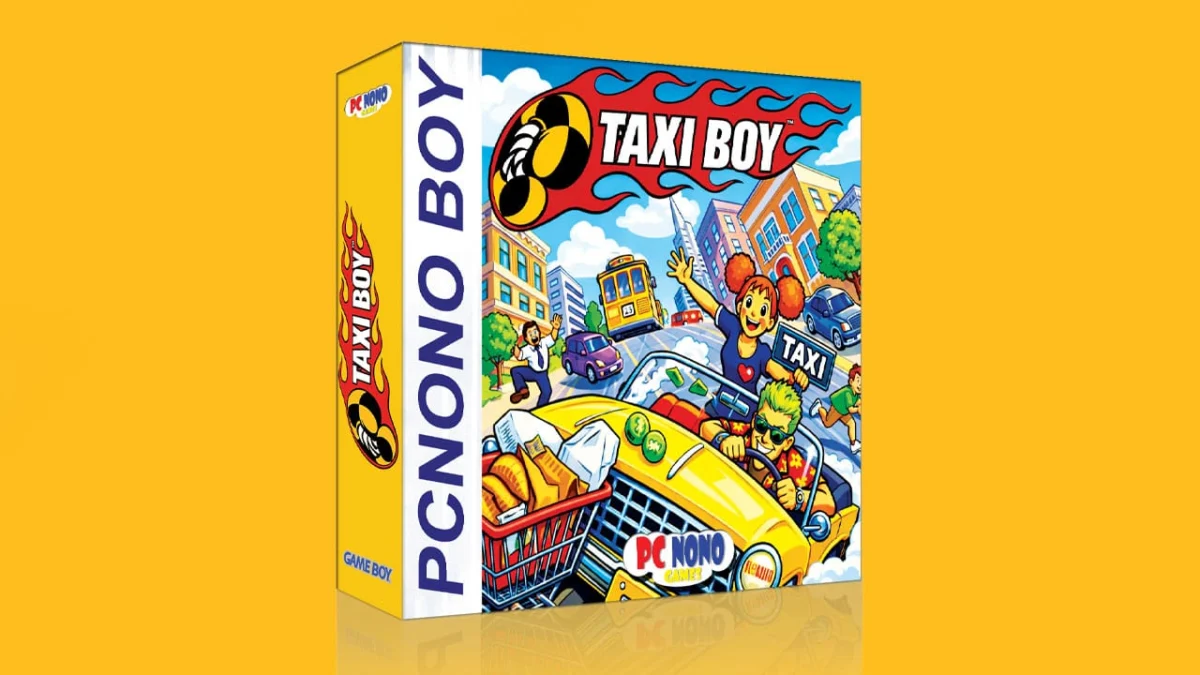
The vibrant, high-octane chaos of Sega’s iconic arcade racer, Crazy Taxi, has found an unexpected new home on the monochrome canvas of the original Game Boy. Spanish independent studio PCNONO Games has unveiled "Taxi Boy," a meticulously crafted demake that transports the beloved PlayStation 2-era experience back to the 8-bit limitations of Nintendo’s groundbreaking handheld. This ambitious project, released on May 13, 2026, aims to capture the frantic spirit of picking up and dropping off passengers against the clock, all within the aesthetic constraints of the Game Boy’s iconic green and grey palette.
A Nostalgic Journey Back to 8-Bit
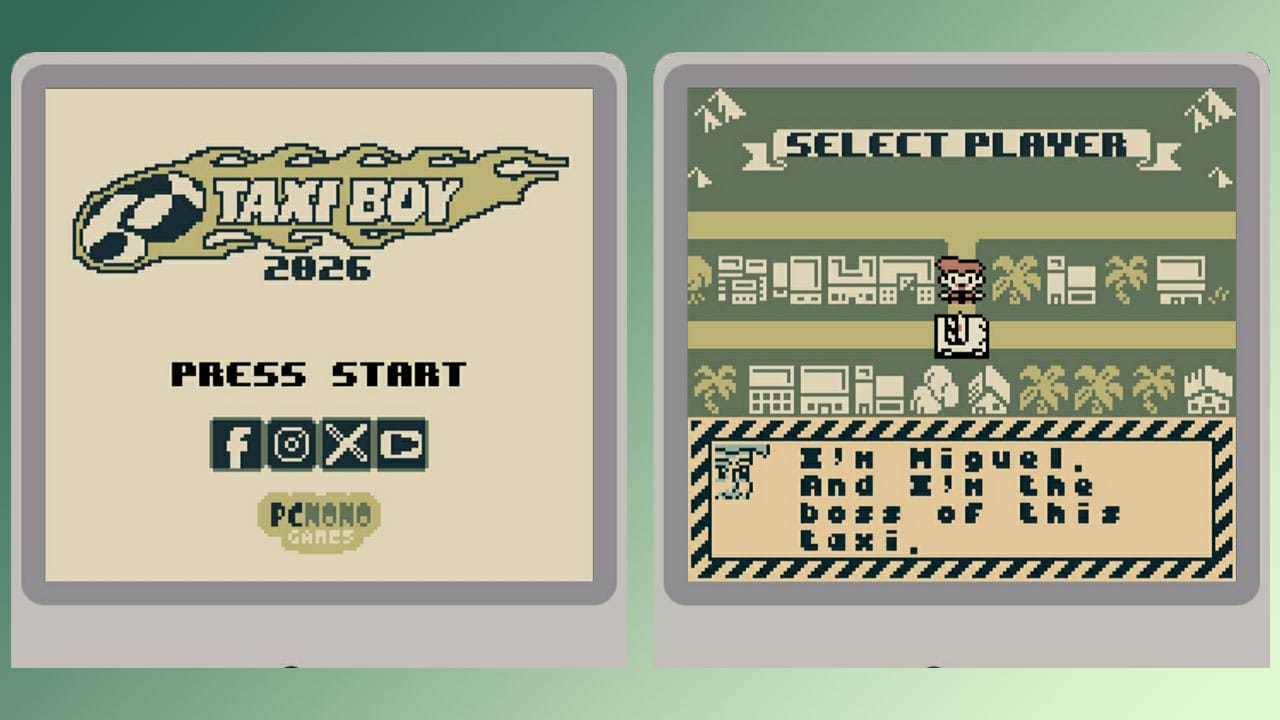
"Taxi Boy" is not simply a spiritual successor; it’s a deliberate exercise in recreating a familiar gameplay loop within a drastically different technological framework. While the Game Boy Advance (GBA) saw its own iteration of Crazy Taxi, "Taxi Boy" specifically targets the original Game Boy, often referred to as the DMG (Dot Matrix Game). This implies a commitment to embracing the graphical limitations, sound chip capabilities, and overall user experience characteristic of that era. The visual presentation, as seen in early screenshots and gameplay footage, evokes the blocky sprites and limited color depth that defined games of the late 1980s and early 1990s. The iconic green hue of the original Game Boy’s screen is a central element of the game’s aesthetic, immersing players in a retro experience that is both familiar and novel.
The core gameplay loop mirrors that of its arcade progenitor. Players assume the role of a taxi driver tasked with ferrying a diverse clientele across a bustling city within strict time limits. Success hinges on efficient route planning, skillful navigation, and a keen awareness of the ticking clock. The in-game "sat nav" system, a staple of the Crazy Taxi franchise, guides players through the urban labyrinth, emphasizing the strategic element of finding the fastest and most efficient paths. Players must not only contend with the usual traffic but also manage the crucial need to refuel their vehicle, a gameplay mechanic that adds another layer of strategic consideration absent in the original arcade version of Crazy Taxi. This addition highlights the developers’ intent to not just replicate but also innovate within the demake’s constraints.
The Evolution of the Demake and PCNONO Games’ Vision
The concept of a "demake" – a game designed to mimic the graphical and technical limitations of older hardware – has seen a resurgence in recent years, particularly within the independent game development scene. This trend allows developers to explore creative challenges and tap into a potent vein of nostalgia. PCNONO Games, a studio based in Spain, has embraced this challenge with "Taxi Boy." Their work demonstrates a deep understanding of the Game Boy’s technical architecture and a passion for the source material.
The studio’s commitment to authenticity is evident in several key features:
- Player Characters: "Taxi Boy" offers players a choice of three distinct player characters, each likely with subtle differences in their vehicles or driving styles. This provides an element of replayability and personalization.
- In-Game Cast: Beyond the playable characters, the game features a roster of 11 different non-player characters who serve as passengers. This variety ensures that each fare feels somewhat unique and contributes to the game’s overall personality.
- Vehicle Selection: Players can select from five different cars, offering another avenue for customization and potentially influencing gameplay mechanics such as speed, acceleration, and handling.
- Custom Soundtrack: A significant aspect of the Crazy Taxi experience has always been its energetic soundtrack. "Taxi Boy" features a custom soundtrack composed by Narcisound, designed to complement the game’s retro aesthetic and high-octane gameplay without overwhelming the Game Boy’s sound capabilities.
Gameplay Mechanics and Innovative Touches
Beyond the core mechanics, "Taxi Boy" introduces elements that enhance the gameplay and leverage the unique possibilities of the demake format. The inclusion of "ramp trucks" allows players to perform aerial maneuvers, leaping over buildings and accessing different sections of the city. This feature adds a dynamic and often exhilarating dimension to navigation, transforming the urban landscape into a playground for daring stunts.
The game also emphasizes the importance of avoiding collisions. As in its predecessors, hitting oncoming traffic results in a loss of momentum and precious time, directly impacting the player’s ability to meet their objectives. This creates a constant tension between speed and caution, forcing players to make split-second decisions on the fly. The pursuit of high scores is intrinsically linked to mastering this delicate balance.

A Multi-Platform Release and Accessibility
Demonstrating a commitment to broad accessibility, "Taxi Boy" has been released across multiple platforms, catering to a wide range of gaming preferences. The game is available for:
- Windows: Allowing PC gamers to experience the demake on their desktop or laptop computers.
- Mac OS: Providing a similar experience for macOS users.
- Linux: Extending the game’s reach to the open-source operating system community.
- Android: Enabling mobile gamers to enjoy the retro thrills on their smartphones and tablets.
The game is available for purchase on Itch.io, a popular platform for independent game distribution. PCNONO Games has set a recommended price of £3.99, with the option for players to contribute more if they wish to support the developers’ efforts. This flexible pricing model is common among indie studios, allowing for greater engagement with their fanbase.
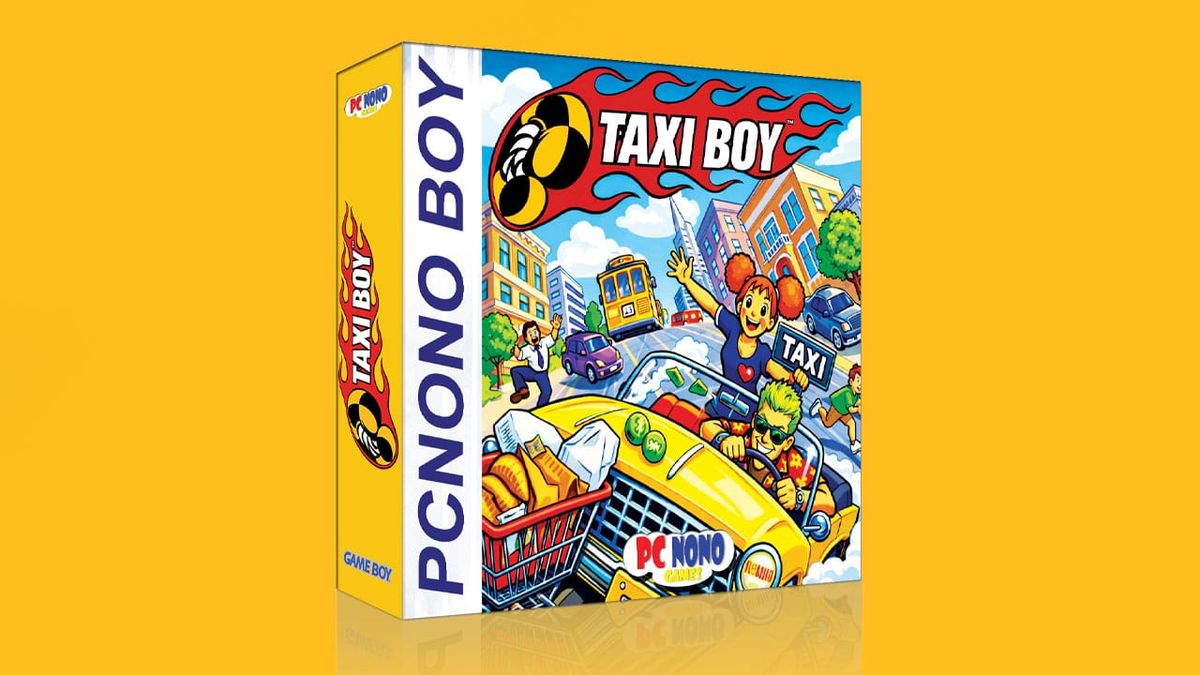
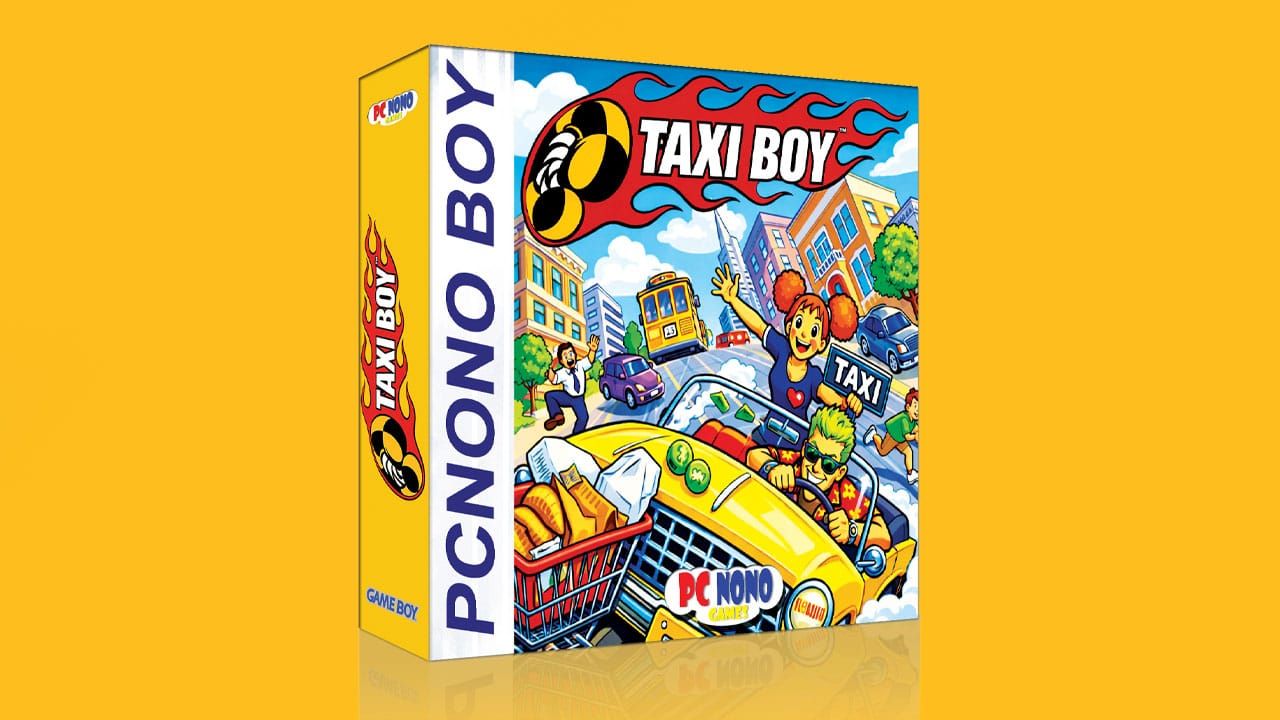
Furthermore, PCNONO Games has announced that a physical edition of "Taxi Boy" is in development. This move is particularly significant for retro gaming enthusiasts, as it offers a tangible artifact of the demake, complete with cartridges and potentially packaging designed to evoke the original Game Boy era. This indicates a strong understanding of the collector’s market within the retro gaming community.
The Broader Implications of "Taxi Boy"
The release of "Taxi Boy" signifies more than just a new game; it represents a confluence of several trends in the contemporary gaming landscape.
Nostalgia as a Driving Force: The enduring appeal of classic games continues to fuel demand for retro-inspired titles. "Taxi Boy" taps into this by offering a beloved experience on hardware that many gamers grew up with. This appeals to both those who remember the original Game Boy and a new generation discovering its charm.
The Art of Demaking: The demake genre challenges developers to be resourceful and creative, pushing the boundaries of what is considered possible within the limitations of older technology. "Taxi Boy" stands as a testament to the ingenuity and technical prowess required to translate complex gameplay mechanics into a simplified, yet engaging, 8-bit format.
Independent Development and Community Support: The success of "Taxi Boy" on platforms like Itch.io underscores the growing power of independent game developers and the vital role of community support. The ability for players to pay more than the recommended price demonstrates a genuine appreciation for the developers’ work and a desire to see such projects continue.
Preservation and Accessibility of Classic Experiences: By recreating classic games in new forms, projects like "Taxi Boy" also contribute to the preservation of gaming history. They offer accessible ways for players to engage with the spirit of iconic titles, even if direct emulation or access to original hardware is not feasible. The multi-platform release further democratizes access to this unique gaming experience.
The Future of Demakes: As technology continues to advance, the appeal of deliberately limited experiences may only grow. "Taxi Boy" sets a high bar for future demake projects, showcasing a dedication to authenticity, innovative design, and a deep respect for the legacy of video games. The anticipation for a physical release suggests a continued demand for tangible connections to these retro-inspired creations.
In conclusion, "Taxi Boy" is a remarkable achievement in game development, a loving tribute to a classic that pushes the boundaries of what was once thought possible on the original Game Boy. PCNONO Games has not only delivered a functional and enjoyable game but has also provided a fascinating case study in the art of demaking and the enduring power of retro gaming. Its release is a significant event for enthusiasts of both Crazy Taxi and the pioneering era of handheld gaming.








