
 Farhan hamdan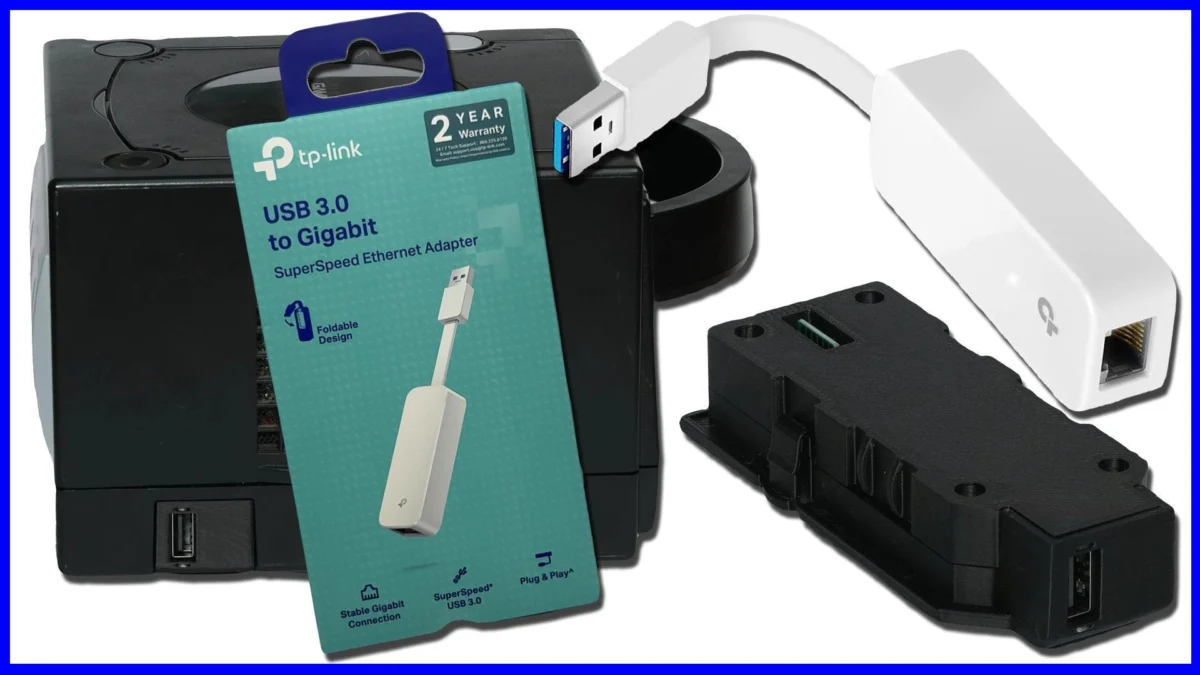
A recent review has highlighted the exceptional compatibility and robust performance of the TP-Link UE300 USB Ethernet Adapter, particularly its seamless integration with the USB Dolphin project for the Nintendo GameCube. Beyond its niche application in retro gaming, the adapter has been lauded for its plug-and-play functionality across major operating systems—Windows, macOS, and Linux—requiring no additional drivers or system reboots. A surprising finding from testing further underscored its reliability: the device maintained full operational speed even when connected via an extension cord, offering flexible placement options for users.
The Resurgence of Retro Gaming: A Contextual Overview
The landscape of video gaming has witnessed a significant resurgence in interest for retro consoles and titles. This growing enthusiasm is driven by a combination of nostalgia, the desire to preserve gaming history, and the unique gameplay experiences offered by older systems. However, integrating these classic consoles into modern technological ecosystems often presents challenges. Connectivity, in particular, is a frequent hurdle, as original accessories can be rare, expensive, or incompatible with contemporary networking standards.
The Nintendo GameCube, released in 2001, stands as a beloved console from this era. While it boasted innovative design and a strong library of games, its networking capabilities were somewhat limited at launch. Nintendo offered an official Broadband Adapter (BBA) and Modem Adapter (MA), which connected to the console’s Serial Port 1. These adapters enabled rudimentary online play for a handful of titles and local network play for others, most notably Phantasy Star Online Episode I & II. However, the official BBA became notoriously rare and expensive over time, fetching hundreds of dollars on the secondary market. This scarcity effectively locked many modern enthusiasts out of experiencing the GameCube’s limited but significant online functionalities.
The retro gaming community, known for its ingenuity and dedication, has consistently sought solutions to these challenges. Through reverse engineering, homebrew development, and hardware modifications, enthusiasts have strived to extend the life and functionality of their beloved consoles. This spirit of innovation paved the way for projects like USB Dolphin, which aims to bring modern networking capabilities to the GameCube through its USB ports, circumventing the need for the elusive and costly official BBA.
The GameCube’s Networking Legacy and the Rise of USB Dolphin
The GameCube features two USB 1.1 ports on its front panel, primarily intended for accessories like the Game Boy Advance link cable or specific controller peripherals. For many years, these ports remained largely underutilized for data transfer or networking purposes. The development of custom firmware and homebrew loaders, such as Swiss, dramatically expanded the capabilities of the GameCube, allowing users to load games from SD cards, force video modes, and access advanced system settings. It was within this evolving homebrew ecosystem that the concept of leveraging the USB ports for Ethernet connectivity began to take shape.
The USB Dolphin project represents a significant leap forward in this endeavor. It is a software-based solution, typically implemented through Swiss, that enables the GameCube to communicate with standard USB Ethernet adapters. The fundamental challenge for the developers was to create drivers and protocols that could bridge the gap between the GameCube’s relatively archaic hardware and the modern USB Ethernet standards. This involved meticulous coding to interpret USB device descriptors, manage data packets, and integrate networking stacks compatible with the console’s limited resources.
The significance of USB Dolphin cannot be overstated. By enabling the use of widely available and inexpensive USB Ethernet adapters, it democratizes access to GameCube networking. This allows players to:
- Engage in Local Area Network (LAN) Play: For games like Mario Kart: Double Dash!! or Kirby Air Ride, which support system-link multiplayer, USB Dolphin facilitates easy setup without proprietary hardware.
- Access Private Servers and Online Communities: For titles that once had official online support, community-run private servers can now be accessed, breathing new life into classic online experiences.
- Facilitate File Transfers: For homebrew development and system management, faster file transfer speeds over a network can be invaluable compared to slower SD card methods.
- Potentially Enable Streaming: While more experimental, robust network connectivity opens avenues for streaming gameplay or data from the GameCube.
The success of USB Dolphin hinges on the compatibility and reliability of the USB Ethernet adapters used. The project’s developers have maintained a list of tested and compatible devices, guiding users through the often-complex world of hardware compatibility. The recent validation of the TP-Link UE300 as a fully compatible and highly performant option is therefore a crucial development, offering a readily available and cost-effective solution to the community.
Technical Efficacy: Dissecting the TP-Link UE300’s Performance
The TP-Link UE300 is a compact USB 3.0 Gigabit Ethernet adapter. Its technical specifications are key to understanding its strong performance.
- USB 3.0 Interface: While the GameCube’s USB ports are USB 1.1, the adapter’s USB 3.0 interface ensures it can handle high-speed data transfer when connected to modern systems. For the GameCube, this means the adapter itself is not a bottleneck, even if the console’s ports are slower. This backward compatibility is essential.
- Gigabit Ethernet (10/100/1000 Mbps): This refers to the maximum theoretical speed of the Ethernet connection. For a retro console, such speeds are far beyond what’s typically required, ensuring that the network connection is never a limiting factor for GameCube applications. Even demanding retro network tasks would rarely exceed 100 Mbps, making the Gigabit capability a substantial headroom.
- Chipset: While TP-Link does not always publicly disclose the specific chipsets used in their adapters, devices like the UE300 often utilize industry-standard chipsets from manufacturers like Realtek (e.g., RTL8153) or ASIX (e.g., AX88179). These chipsets are known for their broad compatibility and robust drivers across various operating systems, which explains the plug-and-play nature. The selection of a widely supported chipset is paramount for driverless operation.
A particularly noteworthy aspect of the UE300’s performance is its ability to maintain full speed even when used with an extension cord. This is not a trivial achievement. USB signals, especially at higher speeds, can be susceptible to degradation over longer cable lengths or through poorly shielded extensions. Factors such as cable quality, wire gauge, shielding, and connector integrity all play a role. The fact that the UE300 operates without issue through an extension suggests excellent signal integrity design within the adapter itself, along with robust error correction capabilities. For users, this translates into practical benefits, allowing the adapter to be discreetly tucked away behind the GameCube, addressing aesthetic concerns without compromising performance. This flexibility is a significant advantage for users who prioritize clean setups or specific console aesthetics.

Plug-and-Play Across Ecosystems: Unpacking Driverless Compatibility
One of the most appealing features of the TP-Link UE300 is its driverless operation across Windows, macOS, and Linux. This is achieved through adherence to the USB-IF’s (USB Implementers Forum) USB Ethernet Control Model (ECM) or Network Control Model (NCM) standards. Operating systems like Windows, macOS, and Linux kernels come pre-loaded with generic drivers for these standard USB device classes. When a compliant USB Ethernet adapter is plugged in, the operating system recognizes it as a standard network interface controller (NIC) and automatically assigns the appropriate generic driver.
The benefits of this driverless approach are manifold:
- Ease of Use: Users can simply plug in the adapter and immediately gain network access without the need to download, install, or troubleshoot drivers. This "it just works" experience is highly valued by consumers.
- Cross-Platform Compatibility: The reliance on universal standards ensures that the adapter functions seamlessly across diverse computing environments, from a corporate Windows laptop to a developer’s Linux workstation or a designer’s MacBook.
- Reduced Support Burden: For manufacturers, standard compliance reduces the need to develop and maintain a multitude of specific drivers for different OS versions and architectures.
- Future-Proofing: As operating systems evolve, as long as they continue to support the fundamental USB Ethernet standards, the adapter will likely remain compatible without requiring updates.
- Enhanced Security: Avoiding third-party driver installations can mitigate potential security risks associated with unknown software.
For the retro gaming context, this driverless compatibility is indirectly beneficial. While the GameCube itself requires specific software (USB Dolphin via Swiss) to utilize the adapter, the fact that the adapter adheres to universal standards means it is a well-behaved and predictable device. This simplifies the development and ongoing maintenance of the GameCube-side software, as developers can rely on standard USB behaviors rather than having to contend with proprietary protocols or unusual hardware quirks.
The Economic Imperative: Affordability Meets Performance
The TP-Link UE300 is positioned as a highly affordable USB Ethernet adapter. This low cost, combined with its high performance and broad compatibility, makes it an exceptionally attractive option, particularly for the retro gaming community.
- Cost Savings for GameCube Enthusiasts: Compared to the original GameCube Broadband Adapter, which can cost upwards of $200-$300 on the secondary market, the UE300 typically retails for around $15-$25. This represents a staggering reduction in the financial barrier to entry for GameCube networking, making it accessible to a much wider audience.
- General Consumer Value: For everyday users needing to add an Ethernet port to a laptop or tablet, or replace a faulty integrated NIC, the UE300 offers a reliable and inexpensive solution without compromising on speed or ease of use.
- Market Dynamics: The availability of such high-value products from reputable manufacturers like TP-Link contributes to a competitive market, benefiting consumers through lower prices and improved product quality.
This blend of affordability and performance underscores a broader trend in consumer electronics: the commoditization of certain technologies. As USB and Ethernet standards have matured, the cost of implementing these technologies in reliable hardware has decreased significantly, allowing manufacturers to offer high-quality products at accessible price points.
Community Validation and the Path Forward
The initial review and subsequent community feedback are critical for validating the performance and compatibility claims of such devices. Independent testing by enthusiasts provides real-world usage data that complements manufacturer specifications. When a device like the TP-Link UE300 receives positive validation from a specialized community, it builds trust and provides clear guidance for others seeking similar solutions.
The ongoing work of projects like USB Dolphin relies heavily on this community-driven testing. As new adapters come to market, or as existing ones are re-evaluated, the collective effort of retro gamers helps to maintain and update compatibility lists, troubleshoot issues, and share best practices. This collaborative model is a cornerstone of the homebrew and modding scene, ensuring that knowledge is shared and solutions are continually refined.
Broader Implications for Console Preservation and Modernization
The successful integration of the TP-Link UE300 with the GameCube via USB Dolphin carries significant broader implications for the future of console preservation and modernization:
- Enhanced Preservation Efforts: By making networking more accessible, this adapter helps preserve online-capable GameCube games, allowing them to be played and studied long after official servers have ceased operation. This is crucial for maintaining a complete historical record of gaming.
- Democratization of Retro Gaming: Lowering the cost and technical barrier to entry for advanced features makes retro gaming more accessible to a wider demographic, fostering new generations of enthusiasts.
- Proof of Concept for Other Consoles: The success of USB Dolphin and compatible adapters could inspire similar projects for other retro consoles with underutilized USB ports or limited networking options, further extending the life and functionality of vintage hardware.
- Influence on Future Hardware Design: While speculative, the demand for cross-compatible, driverless peripherals might subtly influence future hardware design, encouraging manufacturers to adhere to open standards that benefit diverse user bases, including niche communities.
- Sustainability in Technology: By enabling the continued use and enjoyment of older hardware, such solutions contribute to a more sustainable approach to technology, reducing the frequency of electronic waste by extending product lifecycles.
In conclusion, the TP-Link UE300 USB Ethernet Adapter stands out as a remarkable piece of hardware due to its exceptional compatibility, robust performance, and unparalleled affordability. Its seamless integration with the GameCube via the USB Dolphin project is a testament to the ingenuity of the retro gaming community and the potential of well-designed, standards-compliant peripherals. Beyond its specific application in retro gaming, its driverless operation across Windows, macOS, and Linux underscores its utility for a broad spectrum of modern computing needs. This adapter exemplifies how accessible technology can bridge the gap between past and present, enriching the experience for both dedicated enthusiasts and general consumers alike, and solidifying its place as a crucial component in the ongoing narrative of digital preservation and technological modernization.








