Cecilia Chamidah Nur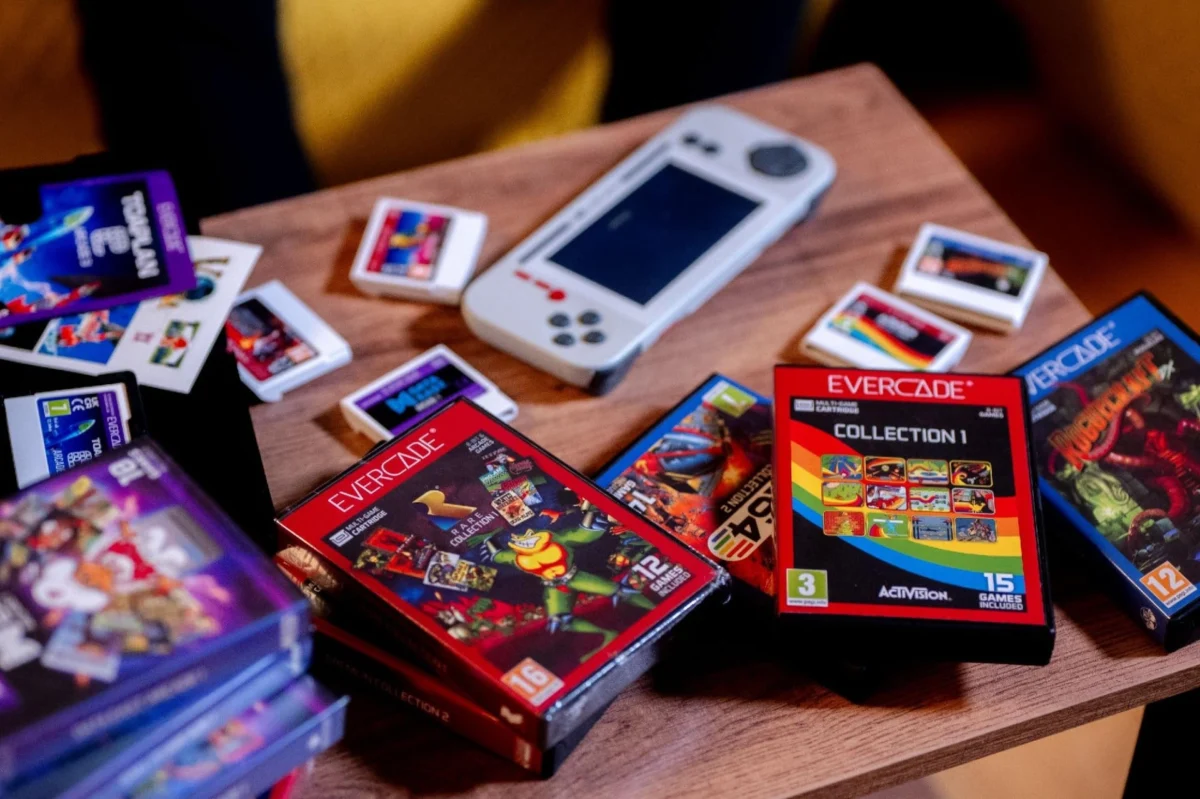
Blaze Entertainment, the innovative company behind the Evercade ecosystem, has ignited a wave of anticipation among its dedicated fanbase following a recent statement from CEO Andrew Bryatt, who hinted at the potential reintroduction of previously retired game cartridges. The concise yet potent phrase, "watch this space," delivered during an interview with Retro Gamer magazine, suggests that the popular physical media platform could soon offer a second chance for collectors and enthusiasts to acquire highly sought-after titles that have become scarce on the secondary market. This development addresses a long-standing desire within the Evercade community and underscores Blaze’s responsiveness to its audience, while navigating the intricate challenges of licensing and physical distribution inherent in the retro gaming space.
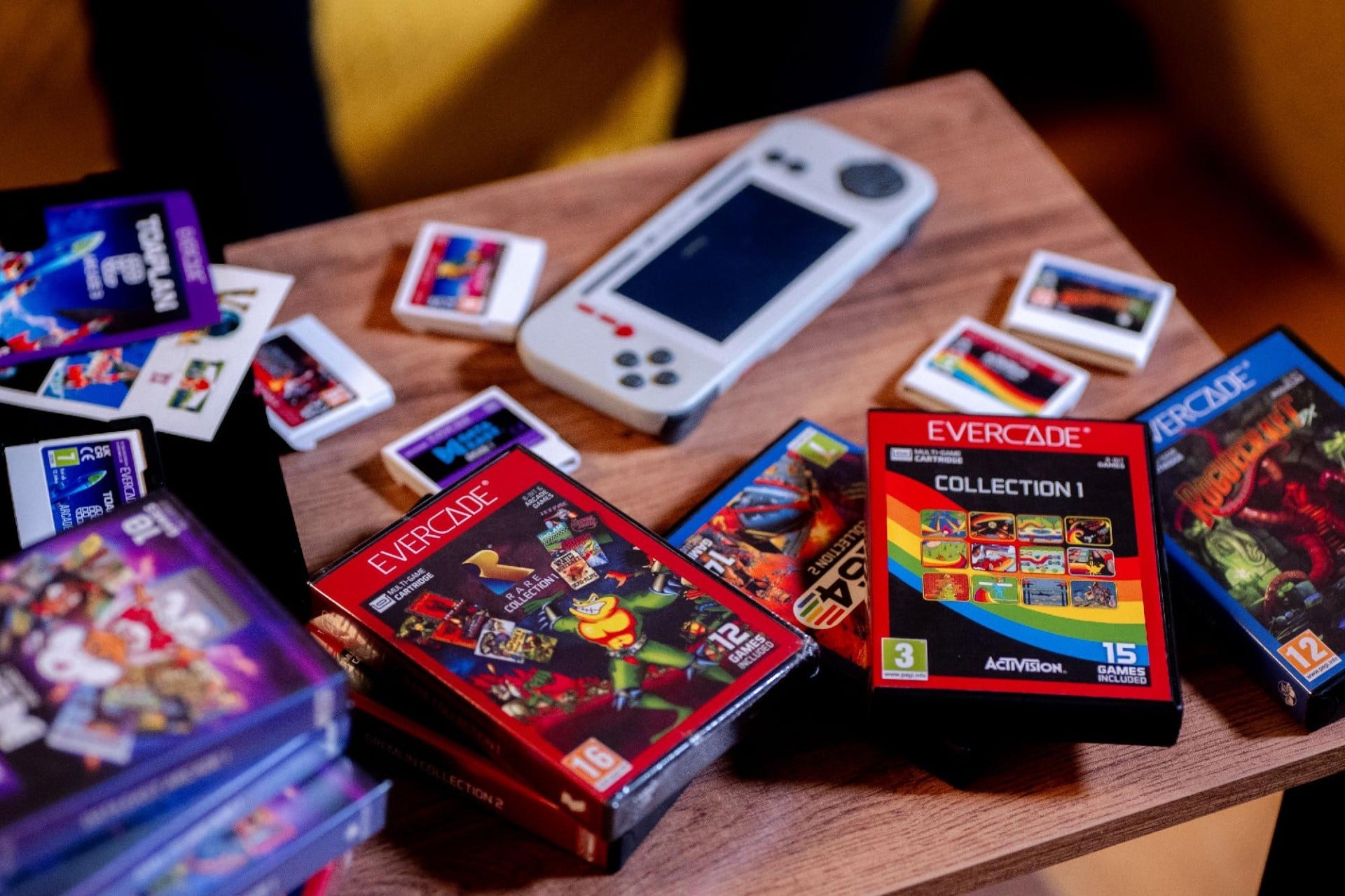
The Evercade platform has carved out a distinctive niche in the modern gaming landscape by championing physical cartridges in an increasingly digital world. Offering a unique blend of handheld and home console experiences, Evercade devices play officially licensed collections of retro games, ranging from classic arcade titles to beloved console and computer software, as well as modern indie gems. This commitment to tangible media appeals strongly to a segment of gamers who value physical ownership, the tactile experience of collecting, and the assurance of game preservation independent of online storefronts. Each cartridge typically bundles multiple games from a specific publisher, genre, or indie developer, creating curated collections that resonate with nostalgic players and new audiences alike. The system’s design, reminiscent of classic portable consoles, further reinforces its retro appeal, making it a compelling alternative to purely digital distribution models that dominate the contemporary market.
However, the very nature of Evercade’s physical, licensed content model presents a unique set of challenges. Unlike digital purchases that can remain available indefinitely through online storefronts, physical cartridges are subject to the realities of manufacturing, inventory management, and, most critically, time-limited licensing agreements. These factors periodically lead to certain Evercade releases entering a state of "retirement," meaning they are withdrawn from active production and official sales channels. This cessation of production, while a necessary business practice for Blaze Entertainment, invariably leads to an increase in the rarity and, consequently, the secondary market value of these retired cartridges. For many fans, this can be a source of frustration, as they may miss out on initial production runs or discover the Evercade system later, only to find that some of the most desirable collections are no longer available at their original retail price.
The complexities behind cartridge retirement are multi-faceted. Primarily, software licensing agreements form the bedrock of Evercade’s content library. Securing rights to classic games often involves intricate negotiations with multiple rights holders—original developers, publishers, and intellectual property owners—each with specific demands and territorial restrictions. These licenses are rarely perpetual; they are typically granted for a defined period, after which they must be renewed. If renewal terms are unfavorable, or if a rights holder decides to withdraw their titles for other strategic reasons, Blaze may be compelled to cease production of the associated cartridge. For instance, securing a license for a classic arcade series from the 1980s might involve agreements with the original Japanese developer, a Western publisher who localized the game, and potentially even subsidiary companies that inherited certain intellectual property rights. Each negotiation adds layers of complexity, and the failure to renew even one such agreement can force a cartridge into retirement.
Beyond licensing, the practicalities of physical distribution play a significant role. Manufacturing physical cartridges involves minimum order quantities (MOQs) to be cost-effective. If demand for a particular collection wanes after an initial surge, continuing production for smaller batches might become economically unfeasible. Warehousing and logistics costs also factor in; maintaining inventory for a vast catalog of cartridges requires significant investment in storage space, shipping, and distribution networks. From a retailer’s perspective, shelf space is finite, and they prioritize stocking products with consistent high turnover. As such, less popular or older collections might be phased out to make room for newer releases, further contributing to their scarcity. Global supply chain disruptions, which have become more pronounced in recent years, can also impact production schedules and costs, making the continuous availability of a diverse physical catalog a constant logistical puzzle.
The predictable consequence of these retirements has been the escalation of prices for specific Evercade carts on platforms such as eBay, Mercari, and other online marketplaces. Certain early collections, particularly those featuring universally acclaimed retro titles or cult classics, have seen their values skyrocket, sometimes reaching several multiples of their original retail price. This phenomenon, while benefiting some early adopters who acquired these carts, creates a significant barrier for new entrants to the Evercade ecosystem or for existing collectors attempting to complete their libraries. The community has actively cataloged these instances, with online forums and social media threads frequently discussing which carts are becoming "grail" items and lamenting missed opportunities. This dynamic has fostered a consistent chorus of requests from fans for Blaze to explore avenues for reissuing these desirable but unavailable collections.
The chronology of Evercade cartridge retirements began to become noticeable approximately a year or two into the platform’s lifecycle, with early announcements signaling the impending withdrawal of certain flagship collections. These initial waves often involved collections that had been available for a reasonable period, but whose licensing terms were approaching expiration or whose sales figures no longer justified continuous production under the prevailing economic conditions. Subsequently, further announcements have periodically confirmed the retirement of additional bundles, including both well-known licensed properties and critically acclaimed indie compilations. Each announcement has been met with a mix of understanding regarding the business realities and disappointment from those who had yet to acquire the affected titles. The consistent feedback from the community, expressed across various platforms like X (formerly Twitter), Reddit, and dedicated Evercade forums, has made it clear that a solution for these retired carts is one of the most pressing issues for the fanbase.
Andrew Bryatt’s succinct "watch this space" comment, made during an interview with a respected publication like Retro Gamer, is therefore far more than a casual remark; it is a carefully weighted statement designed to signal a strategic intent without making definitive commitments. The interview context itself lends credibility to the statement, as Retro Gamer is known for its in-depth coverage of classic gaming and would likely have posed the question due to its widespread relevance within the community. The phrase itself is strategically ambiguous, suggesting that while Blaze Entertainment is actively exploring options, no concrete plans are ready for public announcement. This typically implies ongoing negotiations, feasibility studies, or internal discussions regarding the best approach to reintroduce these titles.
Several mechanisms could be under consideration for the potential reissuing of retired cartridges. Blaze might pursue limited-run re-releases, offering timed windows for fans to purchase specific collections. This approach could manage inventory and production costs more effectively while satisfying demand. Another possibility involves "remastered" or "updated" collections, where previously retired games are bundled into new compilations, potentially alongside new titles or with enhanced features. This could offer a fresh incentive for both new and existing collectors. Furthermore, Blaze might explore alternative distribution methods, perhaps direct-to-consumer sales for reissues to bypass some of the complexities of traditional retail channels. The core commitment to physical media, however, remains central to Evercade’s identity, making purely digital alternatives for these collections unlikely to be the primary solution. The company’s continued emphasis on tangible cartridges ensures that any reissuance strategy would likely maintain this foundational principle.
While Blaze Entertainment has not issued a formal statement beyond Bryatt’s hint, logical inferences can be drawn about the perspectives of various stakeholders. From Blaze’s perspective, reissuing popular retired cartridges would be a significant goodwill gesture towards its loyal customer base. It demonstrates responsiveness to community feedback and an understanding of collector frustrations, which can strengthen brand loyalty and attract new users who might have been deterred by the unavailability of key titles. It also presents a potential revenue stream from previously exhausted inventory. For game developers and publishers whose titles are featured on Evercade carts, the prospect of reissues could mean renewed licensing revenue. If there’s clear, demonstrated market demand for these games, rights holders might be more amenable to renegotiating terms, potentially leading to mutually beneficial agreements that extend the lifespan of their classic IPs. Retailers, too, would likely welcome the return of popular Evercade collections, as these are proven sellers that drive traffic and sales, further solidifying the platform’s presence in the physical media market. The only group that might view such a move with mixed feelings are secondary market resellers who have profited from the scarcity of retired carts; reissues would inevitably lead to a normalization of prices, reducing speculative gains but making the games accessible to a wider audience.
The broader implications of Blaze Entertainment’s potential move to reissue retired Evercade cartridges are significant, both for the Evercade ecosystem itself and for the wider retro gaming community. For Evercade, it would underscore the sustainability and adaptability of its physical media model. By demonstrating a capacity to address issues of scarcity and availability, Blaze can reinforce its commitment to long-term content provision and collection completeness. This could significantly boost brand loyalty and attract new collectors who previously hesitated due to concerns about missing out on essential titles. The ability to cycle popular games back into production, even on a limited basis, ensures that the platform remains vibrant and accessible, rather than becoming an exclusive domain for early adopters.
From a retro gaming preservation standpoint, reissues contribute positively by making classic titles available through official, licensed channels. This provides a legal and affordable means for players to experience gaming history, rather than relying solely on emulation or the often-inflated secondary market. It reinforces the idea that retro gaming is not just about nostalgia but also about cultural preservation and accessibility for future generations. Moreover, Evercade’s approach could set a precedent for other companies operating in the niche market of physical retro game compilations. As licensing complexities and distribution challenges are universal in this segment, Blaze’s potential success in bringing back retired titles could offer a blueprint for others to follow, fostering a more robust and responsive retro gaming industry as a whole.
Economically, the reintroduction of retired cartridges would shift value from the speculative secondary market back to official sales channels. While it might temper the exorbitant prices seen on auction sites, it ensures that more revenue flows back to the creators and licensors, supporting the ecosystem directly. It could also provide a boost to manufacturing and distribution partners, creating economic activity within the physical media supply chain. This strategic maneuver by Blaze Entertainment is thus more than just a customer service gesture; it is a calculated business decision that could have far-reaching positive effects on the brand’s standing, its financial health, and its position within the competitive retro gaming market.
As the Evercade community eagerly awaits further announcements, Andrew Bryatt’s "watch this space" serves as a powerful signal of cautious optimism. It suggests that Blaze Entertainment is not only listening to its fans but is also actively exploring viable solutions to some of the inherent challenges of its unique business model. The successful reintroduction of retired cartridges would undoubtedly be celebrated as a significant victory for collectors and a testament to Blaze’s commitment to fostering a thriving, accessible retro gaming experience. The dialogue between the company and its community remains vibrant, and all eyes are now on Blaze for the official confirmation of which legacy carts might indeed make a triumphant return to production. The question on every fan’s mind continues to be: which beloved collections will be the first to reappear on store shelves?