Johny Imanuel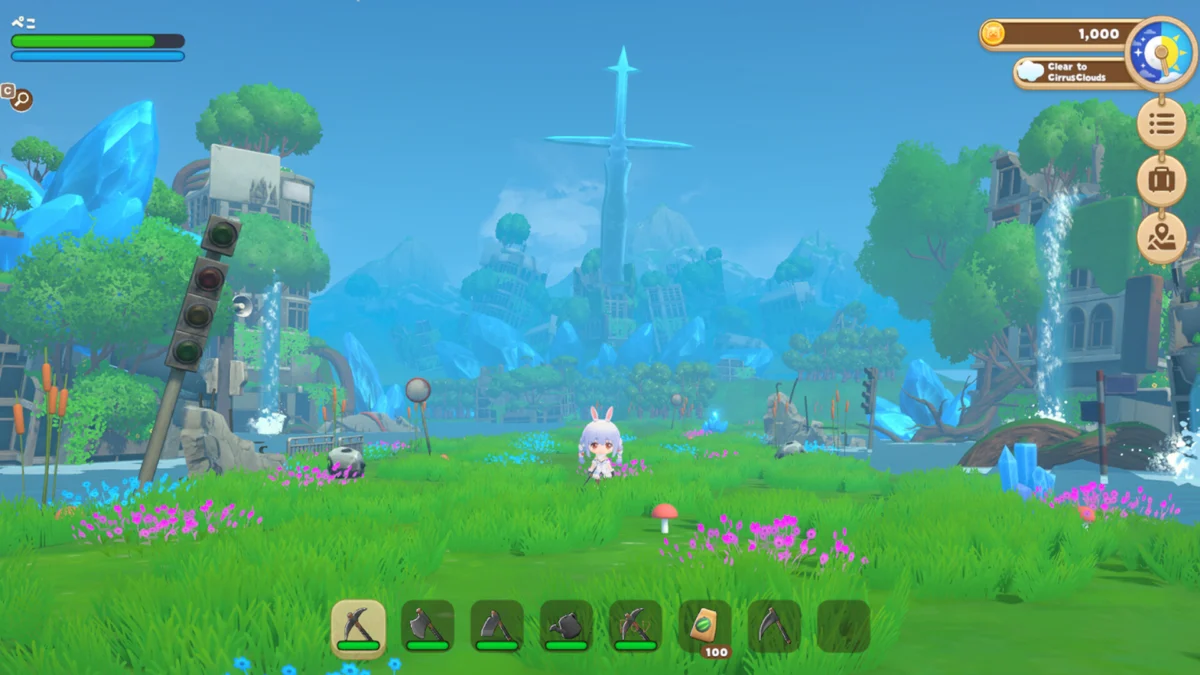
The landscape of independent video games centered on the Hololive and Holostars virtual YouTuber (VTuber) talent pool has expanded significantly over the last several years. Driven by a passionate fan base and supported by Cover Corp’s "hololive Indie" initiative, these titles range from small-scale solo projects to high-quality productions that rival professional studio efforts. Titles such as the brawler Holo X Break, the fighting game Idol Showdown, and the retro-inspired platformer Chrono Gear: Warden of Time have established a high standard for what fan-driven software can achieve. However, the release of HoloVillage: Our Cozy Days, a life-simulation title heavily inspired by the Animal Crossing and Stardew Valley formulas, has introduced a point of contention within the community. Despite its charming aesthetic and the appeal of its intellectual property, the game’s current state is defined more by technical instability and design limitations than by the "cozy" experience its title promises.
The Narrative Premise and Gameplay Foundation
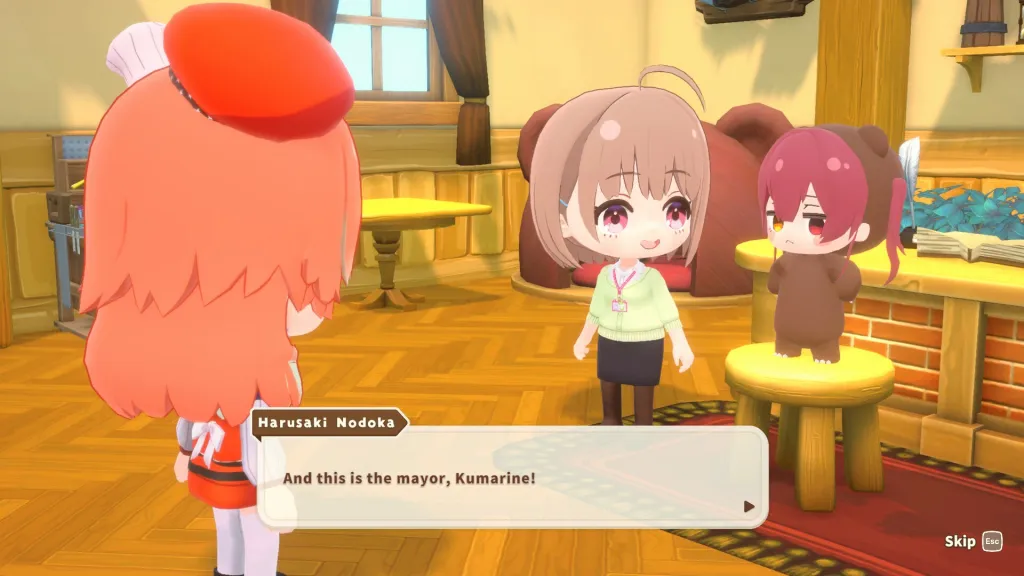
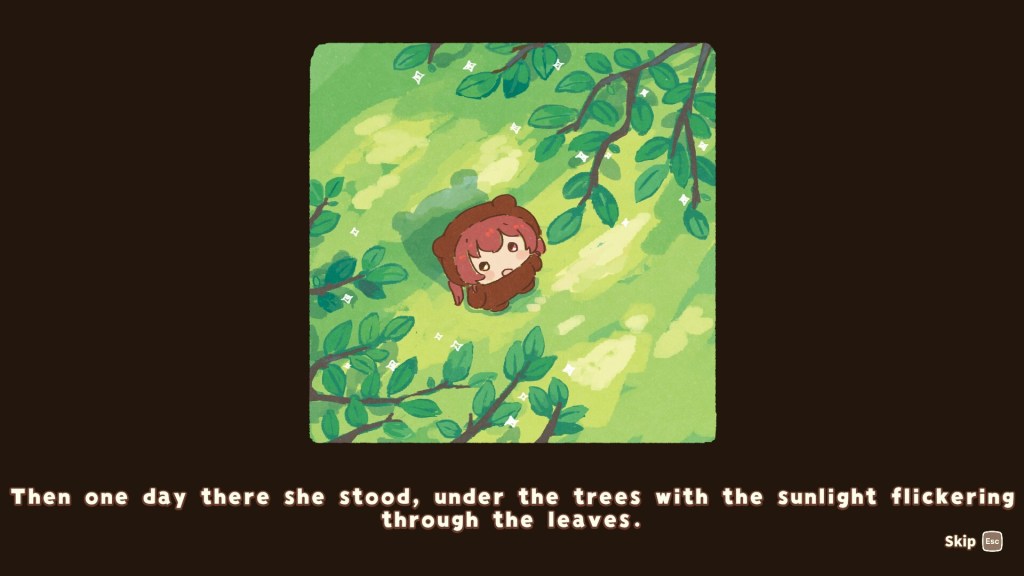
HoloVillage: Our Cozy Days establishes a narrative framework common to the life-simulation genre. The story centers on Kumarine, a character who arrives at an abandoned village while searching for a specific flower. Taking on the role of the mayor, Kumarine is assisted by Nodaka, a familiar figure within the Hololive lore. The player controls an amnesiac protagonist who stumbles upon the settlement and is immediately tasked with revitalizing the town to make it a viable home for wandering Hololive Vtubers.
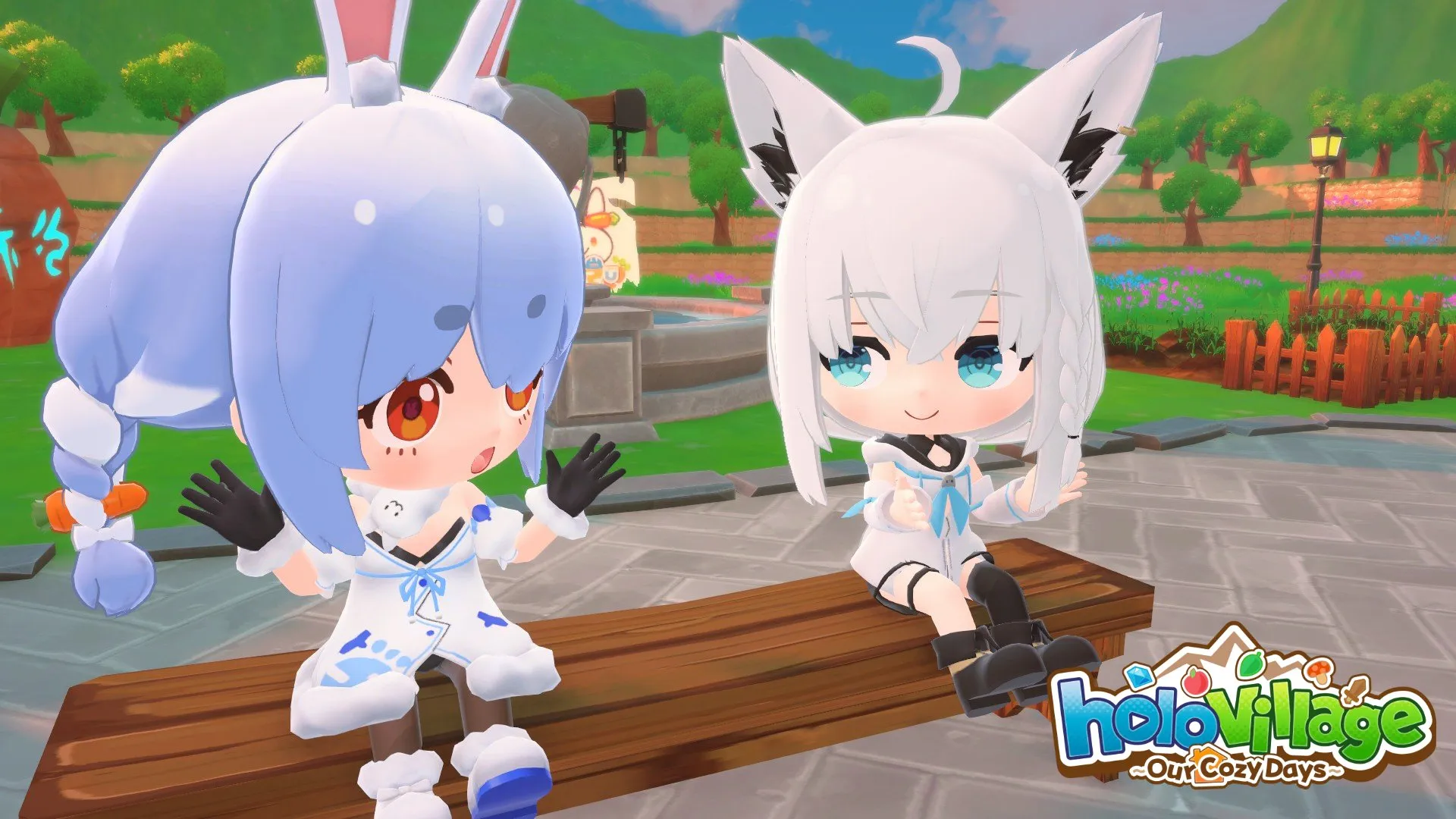
The core gameplay loop is structured around a daily routine of resource management and social expansion. Players are expected to engage in a variety of activities, including farming, fishing, cooking, crafting, and combat. These activities are tethered to specific non-player characters (NPCs) who serve as mentors and shopkeepers. For instance, Bubba oversees combat-related progression, Kuro manages fishing mechanics, Chef Lunight handles the culinary aspects, and Kodama Korone serves as the primary contact for agricultural endeavors.
Progress is measured by the player’s ability to generate revenue and gather materials, which are then used to invite various Hololive performers to move into the village. Once a certain level of development is reached, players can establish specialized businesses, such as a restaurant or a smithy. These establishments allow for the sale of cooked goods or forged equipment, creating a secondary economic layer. The choice between these businesses typically depends on the player’s preferred playstyle, with the smithy favoring those who engage in frequent combat and the restaurant benefiting those focused on farming and fishing.
Technical Instability and Performance Issues
Despite the clear structural goals of the game, the actual experience of playing HoloVillage: Our Cozy Days is frequently interrupted by significant technical flaws. For a title launched as a finished product at a $24.99 price point, the volume of bugs reported by the community and observed in gameplay is substantial. These issues range from minor visual glitches to critical errors that impede progression.
One of the most prominent issues involves the game’s display settings. Reports indicate that the software may struggle to maintain a consistent full-screen mode, particularly on handheld PC devices like the Lenovo Legion Go, where window borders may persist and obscure the interface. More detrimental are the environmental bugs; players have reported getting stuck in the geometry of the village after placing farm fields, necessitating a full restart of the application to regain control.
The game’s internal logic also appears prone to failure. Crafting stations, such as furnaces, have been observed to stop functioning mid-process, failing to recognize fuel inputs. Quest tracking is similarly compromised; several users have documented instances where NPCs accept required items for a tutorial—such as fish for the character Kuro—without registering the quest as complete, forcing the player to repeat the task. Furthermore, the Kumarine Store, a central hub for character customization, has been noted to fail when loading clothing assets, effectively locking players out of one of the game’s primary cosmetic features.
Perhaps most concerning is a recurring issue with the day-night cycle. Community discussions on the Steam platform have highlighted a bug where failing to utilize the "sleep" mechanic to end a day can lead to a complete game freeze. Data persistence is another area of weakness; instances have been recorded where inviting a villager and saving the game did not result in the character being present upon reloading, requiring the player to re-initiate the recruitment process.
Design Philosophy and Mechanical Limitations
Beyond technical errors, the design choices in HoloVillage: Our Cozy Days have drawn criticism for lacking the depth and quality-of-life features standard in the modern life-sim genre. A primary example is the inventory management system. Unlike many of its contemporaries, the game does not provide a warning when a player’s bag is full, nor does it drop excess items on the ground. Instead, items acquired or crafted while the inventory is at capacity are simply lost, leading to significant player frustration.
The scope of the village itself is also notably restricted. Players are limited to a maximum of eight Vtubers in their town. Given the vast roster of Hololive and Holostars talent across the Japanese, English, and Indonesian branches, this cap feels unnecessarily small. Furthermore, the recruitment system appears to be permanent; there is currently no mechanism to evict a resident to make room for a different performer, limiting the player’s ability to curate their ideal community over time.
The representation of the Hololive roster has also been a point of discussion. While many Japanese branch members are included, newer or specific generations—such as Hololive English -Promise- and Hololive English -Justice- —are absent. This has led to speculation that the developer prioritized only the most established or "popular" generations, potentially alienating fans of the newer talent.
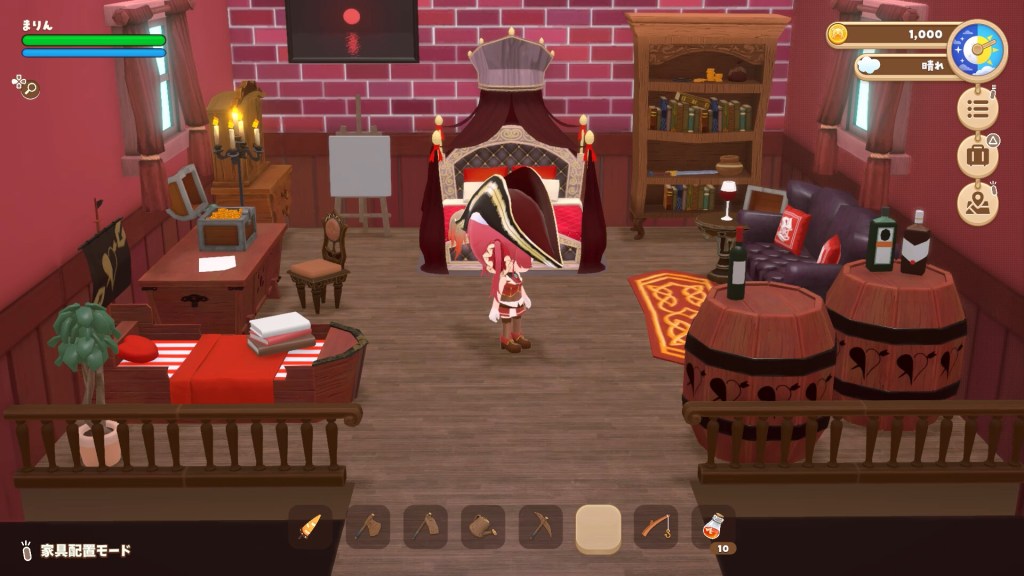
Combat mechanics represent another area where the game falls short of genre standards. In titles like Stardew Valley, combat involves a degree of strategy, including blocking and positioning. In HoloVillage, the combat system lacks defensive options such as dodging or blocking. Players are largely relegated to "button mashing" while attempting to use environmental objects like rocks or trees as makeshift shields. This lack of mechanical depth, combined with inconsistent drop rates for essential ores and materials, makes the resource-gathering process feel more like a chore than an engaging challenge.
Social Interaction and the "VTuber" Experience
For many players, the primary draw of a Hololive-themed game is the opportunity to interact with digital representations of their favorite streamers. In this regard, HoloVillage: Our Cozy Days has been described as lacking "soul." While the character models are aesthetically pleasing and reflect the "chibi" art style common in fan projects, the NPCs themselves feel static.
In Animal Crossing, villagers have distinct personalities, engage in hobbies, and participate in emergent dialogues with one another. In HoloVillage, the performers function more as animated decorations. While they do assist the player by gathering resources and depositing them in collection boxes, their dialogue is sparse and lacks the personal touch or "inside jokes" that define the Hololive community. There is little to no interaction between the Vtubers themselves, which undermines the feeling of a living, breathing community.
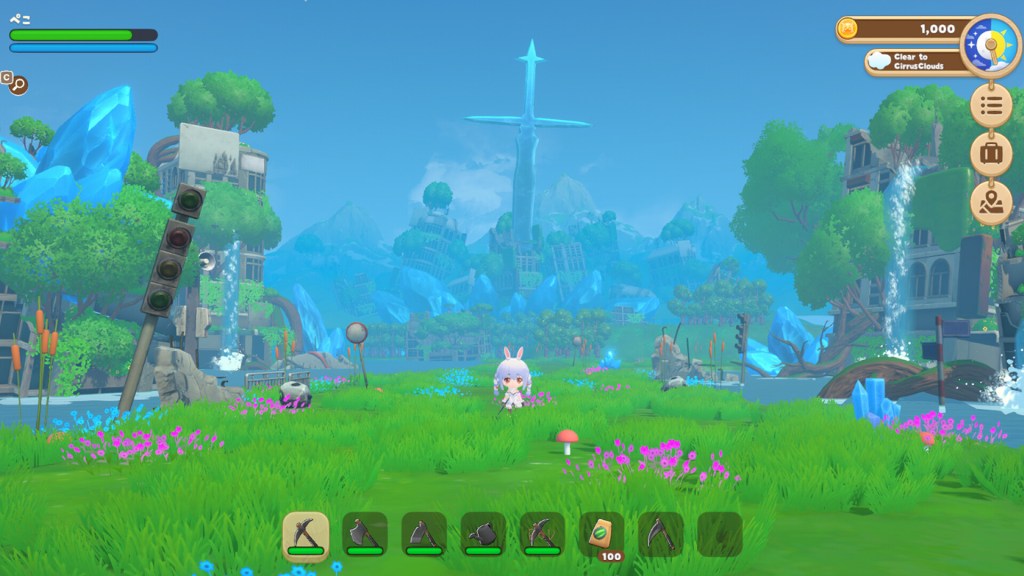
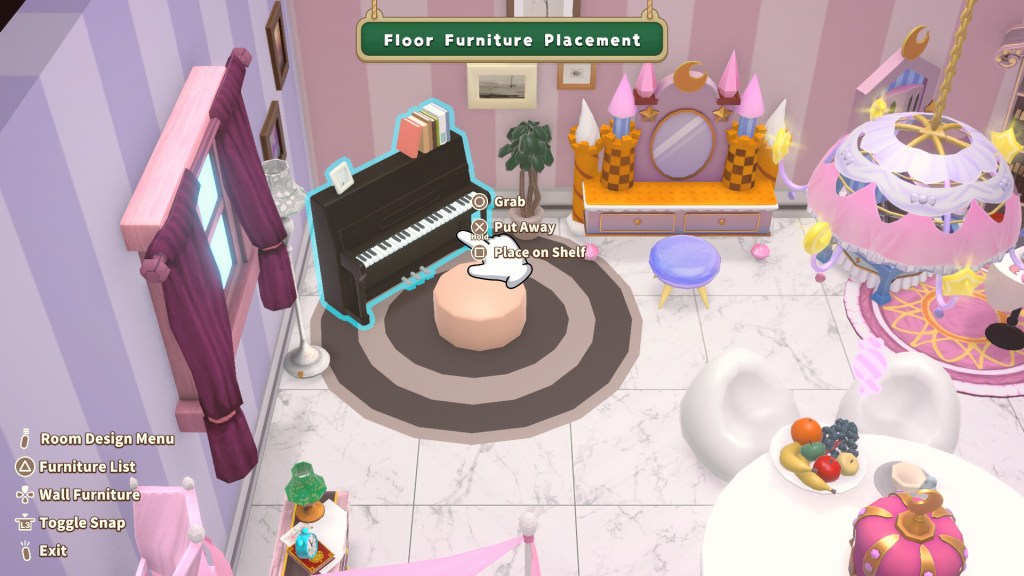
The user interface (UI) for social interactions and shopping is also inconsistent. While the crafting and inventory menus are functional, the shop menus for characters like Bubba and Kuro lack detail. The placement system for furniture and buildings is similarly opaque; the game frequently prevents players from placing items in certain spots without providing a clear reason, turning the decorating process into a frustrating exercise in trial and error.
Market Context and Broader Implications
The release of HoloVillage: Our Cozy Days comes at a time when the "hololive Indie" label is under increased scrutiny. Cover Corp’s decision to officially support fan-made software has been largely praised, as it allows creators to monetize their work while ensuring the IP is handled respectfully. However, the $24.99 price tag for HoloVillage places it in direct competition with highly polished, feature-complete titles.
For comparison, HoloCure – Save the Fans!, a highly acclaimed "survivor" style game, remains free to play despite offering hundreds of hours of content and deep mechanical complexity. When a paid title like HoloVillage fails to meet the technical standards of free fan projects, it raises questions about the quality control processes within the indie licensing ecosystem.
The current state of the game suggests it might have benefited from an "Early Access" designation. This would have allowed the developer, Roboqlo, to gather feedback and address critical bugs while setting appropriate expectations for the consumer. As it stands, the "full release" status has led to a wave of negative feedback regarding the game’s lack of polish.
Conclusion and Future Outlook
In its launch state, HoloVillage: Our Cozy Days is a difficult recommendation for even the most dedicated Hololive fans. While the visual design is undeniably cute and the premise holds significant potential, the execution is marred by a lack of essential features and a high frequency of game-breaking bugs. The "cozy" atmosphere is frequently shattered by technical frustrations, and the limited interaction with the VTuber cast prevents the game from fully capitalizing on its most valuable asset.
The developer has indicated that patches and updates are forthcoming, which may eventually resolve the most pressing stability issues. Improvements to the combat system, an expansion of the villager cap, and more meaningful dialogue options could transform the game into the experience fans were hoping for. However, until those updates arrive, HoloVillage remains a cautionary tale about the challenges of transitioning from a fan project to a commercial product. For now, players seeking a Hololive-themed adventure may find more satisfaction in the more polished, albeit different, experiences offered by the community’s other recent releases.