Indra Gunadi
BrewOtaku, a groundbreaking bimonthly English-language print magazine, has officially launched in 2024, poised to become the essential resource for enthusiasts of new games developed for classic handhelds, consoles, and computers. With a keen focus on the vibrant homebrew scene, the publication aims to provide in-depth coverage primarily across 8-bit, 16-bit, and 32-bit systems, encompassing iconic platforms from Commodore, Nintendo, Sega, Atari, Sinclair, and MSX, among others. Beyond its dedicated editorial scope, BrewOtaku distinguishes itself with an innovative accessibility initiative, offering its digital edition for free to anyone unable to afford it, a policy underscoring its commitment to the principle that "everyone deserves to play."
The magazine’s inaugural offerings include a comprehensive "Homebrew-News-Corner," featuring over 30 full reviews of new titles, exclusive interviews with developers, and a rich array of articles pertaining to retro-gaming and game development. Available for a nominal €3.50 for the digital issue, with a premium paper edition also offered, BrewOtaku is positioning itself not merely as a publication but as a crucial pillar of support for the independent development community. Its stated mission to "actively support the Homebrew scene" involves offering partners direct access to a core group of technically savvy enthusiasts, fostering a symbiotic relationship between creators and their dedicated audience.
The Resurgence of Retro and the Rise of Homebrew
The launch of BrewOtaku arrives amidst a significant resurgence in the popularity of retro gaming, a phenomenon driven by nostalgia, the tactile appeal of vintage hardware, and a growing appreciation for the creative constraints that defined earlier eras of game development. This renewed interest has fueled a thriving "homebrew" community—a collective of independent developers who continue to create new games, demos, and utilities for platforms long since retired by their original manufacturers. These passionate creators often push the boundaries of what was thought possible on decades-old hardware, showcasing remarkable ingenuity and technical prowess.
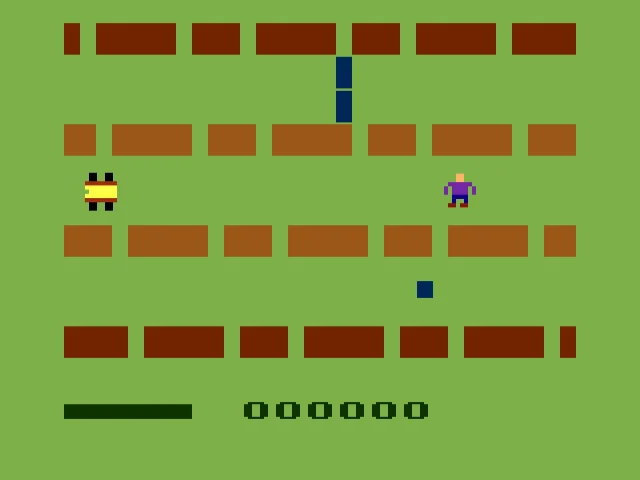
The homebrew scene, historically a niche within the broader gaming landscape, has gained considerable traction in recent years. Platforms like the Commodore 64, various iterations of the Nintendo Game Boy, the Sega Genesis/Mega Drive, and the Atari 2600 continue to inspire new development, often resulting in titles that rival or even surpass some commercial releases of their time. This ongoing creation keeps these classic systems relevant, providing fresh content for collectors and enthusiasts who prefer the authentic experience of playing on original hardware. BrewOtaku recognizes this dynamic ecosystem and aims to be its primary chronicler and advocate.
A Niche Awakened: Understanding the Homebrew Phenomenon
The homebrew movement traces its roots back to the early days of personal computing, where hobbyists would program games and applications for systems like the Apple II, Commodore PET, and Sinclair Spectrum. As commercial gaming matured, console manufacturers largely closed off their platforms to unauthorized development. However, the advent of the internet and advancements in emulation and hardware hacking tools in the late 1990s and early 2000s revitalized the scene. Communities formed online, sharing tools, knowledge, and, crucially, their creations.
Today, the homebrew landscape is diverse, encompassing everything from simple arcade-style games to complex RPGs, often distributed digitally or, increasingly, as physical cartridges or diskettes mimicking original releases. This phenomenon is not merely about preserving old systems but about extending their artistic and technical lifespan. Developers find unique challenges and satisfactions in working within strict memory limits, specific chip architectures, and low-resolution graphics, turning perceived limitations into fertile ground for innovation. BrewOtaku’s commitment to covering 8-bit, 16-bit, and 32-bit systems directly addresses the core of this technical and creative endeavor, ensuring that the ingenuity behind these projects receives the recognition it deserves.
Bridging Creators and Consumers: BrewOtaku’s Role
For independent homebrew developers, gaining visibility can be a significant challenge. While online forums and social media provide platforms for sharing, a dedicated, curated publication like BrewOtaku offers a crucial avenue for professional-grade exposure. The magazine’s promise of "30+ full reviews" and "Interviews" suggests a rigorous editorial process designed to highlight quality and innovation within the scene. This not only benefits developers by bringing their work to a wider, engaged audience but also serves the community by acting as a trusted guide to new releases.
The economic model of homebrew development often relies on passion projects, crowdfunding, or small-scale sales. A publication like BrewOtaku can contribute to the sustainability of this model by fostering a more informed and engaged consumer base, potentially leading to increased support for developers. By offering "partners direct access to this core group of technically savvy enthusiasts," the magazine is establishing itself as a vital intermediary, streamlining communication and collaboration within the homebrew ecosystem. This direct link could prove invaluable for developers seeking feedback, collaborators, or simply a broader platform to showcase their latest creations.
Democratizing Access: The "No Questions Asked" Policy
Perhaps the most striking aspect of BrewOtaku’s launch strategy is its unprecedented "no questions asked" policy for digital access. The offer to provide the latest digital version for free to anyone who "Can’t afford it right now" directly challenges conventional publishing models and underscores a profound commitment to inclusivity. This initiative, encapsulated by the tagline "Everyone deserves to play," reflects a broader philosophical stance against economic barriers to cultural participation.
In an era where access to information and entertainment can often be dictated by financial means, BrewOtaku’s approach stands out. It acknowledges that passion for retro gaming and homebrew development is not exclusive to those with disposable income. By removing financial hurdles, the magazine aims to cultivate a more diverse and expansive readership, ensuring that valuable content and community insights reach all interested parties, regardless of their economic situation. This could have significant implications for the growth and demographic reach of the homebrew scene itself, potentially attracting new talent and perspectives that might otherwise be excluded. The ethical implications of such a policy are substantial, setting a precedent for accessibility in niche publications and potentially influencing how other independent media platforms approach content distribution.
The Enduring Allure of Retro Systems
The decision to focus on 8-bit, 16-bit, and 32-bit systems is a strategic one, tapping into a demographic that spans multiple generations of gamers. These systems represent formative periods in video game history, laying the groundwork for many of the genres and mechanics we see today. For many, these consoles and computers evoke powerful memories of childhood and early gaming experiences. The tangible nature of retro hardware, from the satisfying click of a cartridge insertion to the distinct feel of a classic controller, offers an experience that modern, digital-only platforms often cannot replicate.
The market for retro gaming hardware and software continues to grow, fueled by collectors, modders, and new enthusiasts discovering these classics. Auction sites regularly see high prices for rare games and consoles, and companies like Analogue and Evercade are building new hardware designed to play original cartridges or curated collections. This robust ecosystem provides a fertile ground for BrewOtaku, ensuring a sustained interest in the systems it covers and the new games being developed for them. The magazine’s dedication to "new games on classic handhelds, consoles, & computers" fills a specific void, catering to those who appreciate the historical context while also seeking fresh experiences within those beloved frameworks.
The Resurgence of Print in a Digital Age
While the digital issue offers unparalleled accessibility, BrewOtaku’s commitment to a "premium paper edition" is equally significant. In an increasingly digital world, physical media, including magazines, has experienced a niche resurgence. For collectors and enthusiasts, a tangible magazine offers a different kind of value—a curated object to be held, displayed, and revisited. The quality of print, the layout, and the tactile experience contribute to the overall enjoyment, making the magazine itself a collectible item.
This dual approach—accessible digital and premium physical—allows BrewOtaku to cater to different segments of its potential audience while leveraging the strengths of both formats. The digital version ensures wide reach and immediate access, while the print edition appeals to those who value the permanence and aesthetic appeal of physical media. This strategy aligns with trends observed in other niche markets, where physical products are increasingly valued for their intrinsic qualities and collectibility, rather than solely for their content.
Editorial Vision and Community Engagement
While direct statements from the BrewOtaku editorial team are not detailed, the publication’s content and accessibility policy strongly suggest a vision rooted in community, technical appreciation, and ethical inclusivity. The inclusion of a "Homebrew-News-Corner" and dedicated review sections indicates a desire to be a central hub for information and critical analysis. The emphasis on interviews suggests a commitment to humanizing the development process, giving voice to the creators behind these intricate projects.
Furthermore, the focus on "retro-gaming & development related articles" positions BrewOtaku as a source for deeper insights, technical discussions, and historical context. This suggests a desire to educate and inform, going beyond mere product reviews to explore the broader cultural and technical significance of retro gaming and homebrew. The bimonthly schedule allows for a consistent flow of fresh content while providing enough time for in-depth research and production quality, ensuring that each issue is a substantive contribution to the discourse.
Charting the Future: Implications for the Retro Community and Beyond
BrewOtaku’s launch represents a significant moment for the homebrew and retro gaming communities. By consolidating information, providing critical reviews, and offering a dedicated platform for developers, it stands to elevate the profile of an often-overlooked but incredibly vibrant segment of the gaming world. The magazine could become a catalyst for increased collaboration among developers, inspire new generations of retro programmers, and serve as a crucial archive of contemporary homebrew history.
Beyond the immediate impact on its target audience, BrewOtaku’s innovative accessibility model carries broader implications for the publishing industry. In an era grappling with issues of equitable access to content, its "no questions asked" policy could serve as a powerful example of how independent media can foster inclusivity and community engagement without compromising its core mission. As the magazine continues to evolve, its success will not only be measured by its readership numbers but also by its influence on the cultural landscape of retro gaming and the principles of open access it champions. The journey of BrewOtaku, born in 2024, is set to be a compelling narrative of passion, innovation, and community empowerment in the ever-evolving world of classic digital entertainment.