
 Farhan hamdan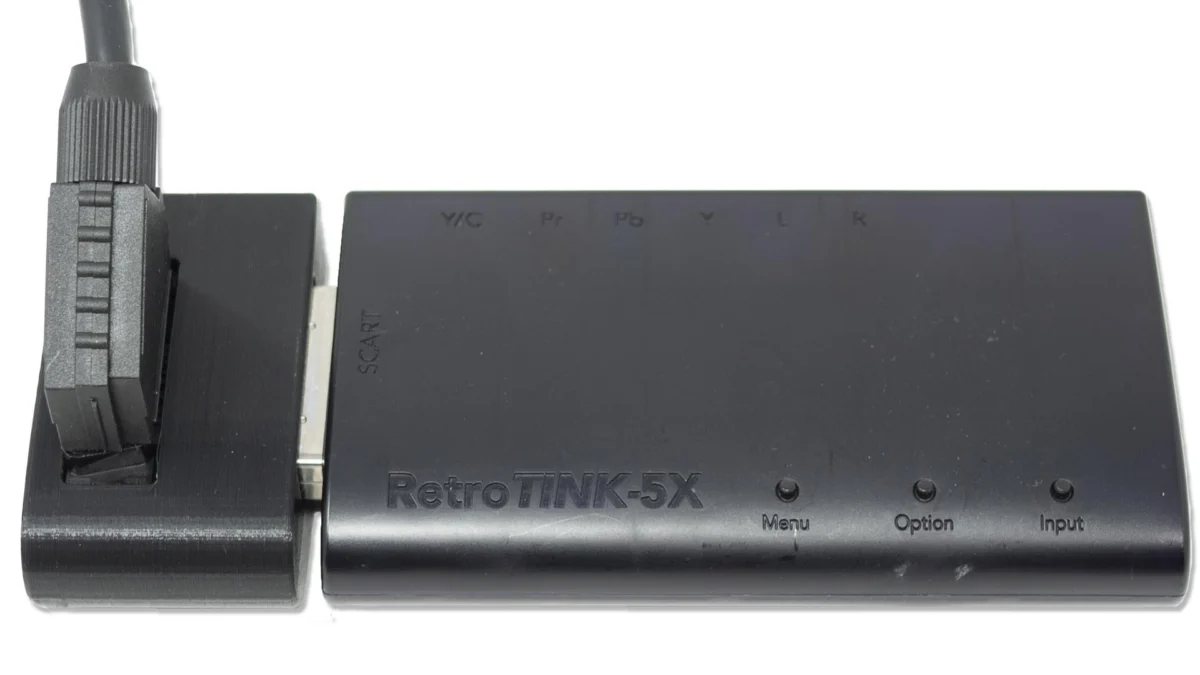
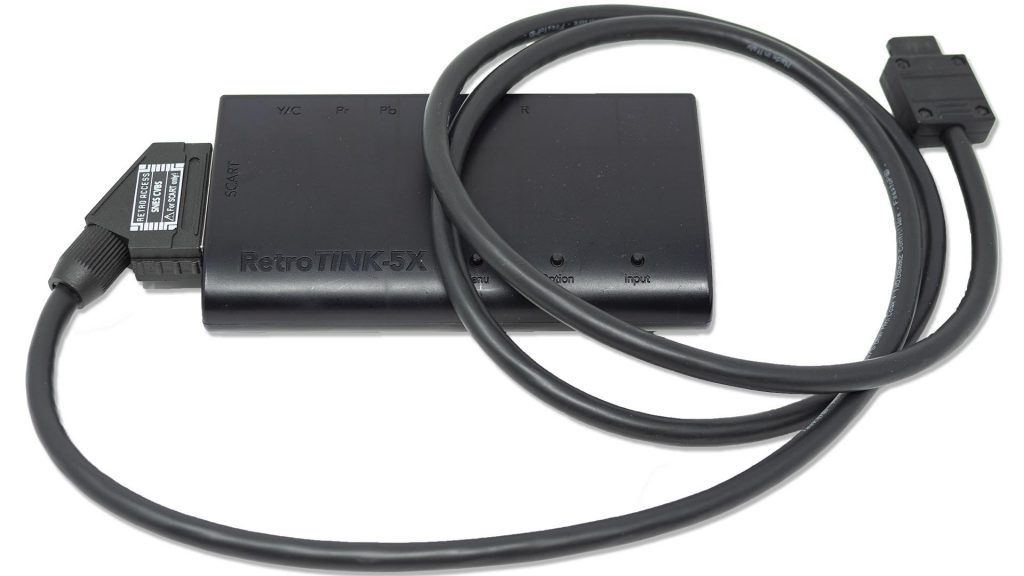
Kytor Industries, a notable entity in the retro gaming hardware community, has officially announced the open-sourcing of its 5X-Y-Z SCART adapter. This strategic move, spearheaded by Kyle from Kytor Industries, makes the design specifications and associated files for the adapter freely available under the Creative Commons Attribution 4.0 (CC BY 4.0) license. While the adapter remains commercially available for purchase at $35, this initiative empowers enthusiasts and hobbyists to manufacture their own units, fostering a spirit of DIY and community contribution within the retro gaming hardware landscape. The primary function of the 5X-Y-Z adapter is to optimize the physical orientation of SCART cables when connected to the popular RetroTINK 5x Pro upscaler, a critical device for modernizing vintage console outputs.
Background: The Crucial Role of RetroTINK 5x Pro and SCART in Modern Retro Gaming
To fully appreciate the significance of the 5X-Y-Z adapter, it is essential to understand the context of its intended use. The RetroTINK 5x Pro, developed by Mike Chi, has become a cornerstone in the contemporary retro gaming ecosystem. This advanced video upscaler is renowned for its ability to convert analog video signals from classic consoles (such as the Super Nintendo Entertainment System, Sega Genesis, PlayStation, etc.) into high-definition digital formats (HDMI) with minimal latency and superior image quality. It supports various input signals, including composite video, S-Video, component video, and crucially, RGB via SCART. The RetroTINK 5x Pro effectively bridges the gap between aging console hardware and modern display technologies, which typically lack native analog inputs.
SCART, an acronym for Syndicat des Constructeurs d’Appareils Radiorécepteurs et Téléviseurs, is a 21-pin connector standard that originated in France and became widely adopted across Europe for connecting audio-visual equipment. For retro gamers, SCART is particularly valuable because it can carry RGB (Red, Green, Blue) video signals, which offer the highest possible analog picture quality from many classic consoles, far superior to composite or S-Video. However, SCART cables and connectors are often bulky and rigid. When connected to devices like the RetroTINK 5x Pro, which typically features a rear-facing SCART input, the cable can protrude awkwardly, creating cable management challenges and potentially adding strain to the port itself. This aesthetic and functional issue is precisely what the 5X-Y-Z adapter aims to resolve.

The Genesis and Design Philosophy of the 5X-Y-Z Adapter
Kytor Industries, through the innovative work of Kyle, identified a common pain point among RetroTINK 5x Pro users: the physical orientation of SCART cables. The standard orientation often leads to cables extending directly outwards from the back of the upscaler, consuming valuable space and creating an untidy setup. The 5X-Y-Z adapter was conceived as a simple yet effective passive pass-through device designed to reorient the SCART connection, allowing cables to run parallel to the back of the RetroTINK 5x Pro or in a more aesthetically pleasing direction.
The design of the 5X-Y-Z adapter reflects a meticulous attention to detail. It connects directly to the SCART port of the RetroTINK 5x Pro. A key feature is its custom 3D-printed case, which incorporates "feet" that precisely align the adapter with the height of the RetroTINK 5x Pro. This thoughtful design ensures that no undue strain is placed on the upscaler’s SCART port. In fact, one of the compelling arguments for using such an adapter is the potential for port protection. Given the relative cost and importance of the RetroTINK 5x Pro (often retailing for $275 or more), users might prefer to have a less expensive, easily replaceable adapter absorb the wear and tear associated with frequent cable connections and disconnections, rather than the integrated port of the primary upscaler. The initial commercial availability of the adapter provided a ready-made solution for those seeking convenience and a professionally finished product.
The Open-Source Initiative: Empowering the Community
The decision by Kytor Industries to open-source the 5X-Y-Z SCART adapter marks a significant development, aligning with a broader trend in the retro gaming hardware community towards transparency, collaboration, and DIY empowerment. By releasing the design files—including schematics, PCB layouts, and 3D print files for the enclosure—under the Creative Commons Attribution 4.0 license, Kytor Industries has invited the global community to engage directly with the product’s design. The CC BY 4.0 license is a permissive license that allows others to distribute, remix, adapt, and build upon the material in any medium or format, as long as attribution is given to the creator. This means individuals can not only recreate the adapter but also modify it to suit specific needs or even integrate its principles into new projects, provided they credit Kytor Industries.
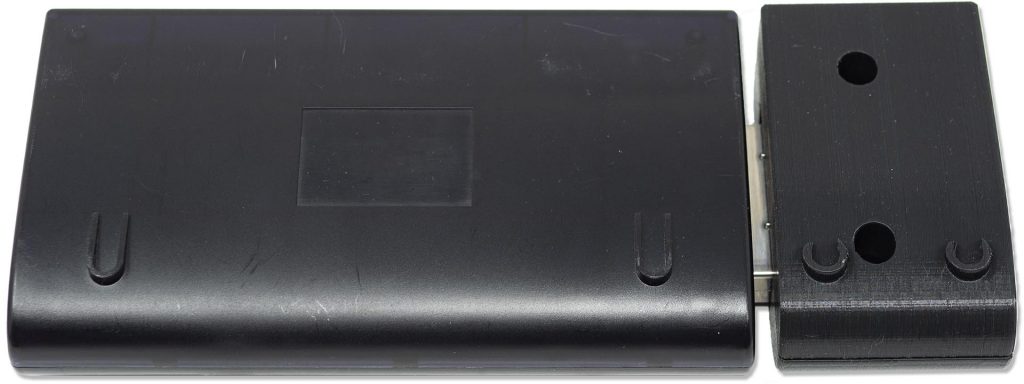
This open-source approach offers several benefits. For budget-conscious retro gamers, it provides an opportunity to save money by sourcing components and 3D printing the case themselves. For those with an interest in electronics and fabrication, it serves as an educational tool, allowing them to learn about circuit board design, component assembly, and 3D printing. Furthermore, it fosters innovation; community members might identify enhancements, alternative materials, or specialized versions of the adapter for unique setups, potentially contributing back to the project. The availability of these files on platforms like GitHub ensures easy access and version control for collaborative development.
Technical Performance and Signal Integrity
A critical concern with any adapter in a high-fidelity video chain is its impact on signal quality. The 5X-Y-Z adapter’s design principle is fundamentally simple: it is a passive pass-through device. This means it contains no active electronic components that could introduce noise, latency, or signal degradation. Its function is purely to re-route the physical connections of the SCART standard.
To verify its performance, rigorous testing was conducted. As described in the original report, a standard Super Mario World (SMW) test was performed using a Super Nintendo Entertainment System (SNES) connected via an RGB SCART cable (syncing on composite video). Screenshots were captured first with the cable connected directly to the RetroTINK 5x Pro, and then with the same cable connected via the Kytor 5X-Y-Z adapter. The results demonstrated no discernible interference or degradation in picture quality. The comparative images were virtually identical, confirming that the adapter maintains the integrity of the video signal across all SCART pins. This includes full support for composite video over SCART, ensuring that users who rely on composite sync or even composite video for specific setups will experience no restrictions. The passive nature of the adapter guarantees full signal compatibility, encompassing RGB, composite video, and audio signals as passed through the SCART standard, without any active processing or potential bottlenecks.
Addressing User Needs and Enhancing the Retro Gaming Experience

The 5X-Y-Z adapter directly addresses several practical and aesthetic needs within the retro gaming community:
- Improved Cable Management: For many enthusiasts, a clean and organized gaming setup is paramount. The adapter allows SCART cables to be routed more neatly, often directed towards the back or side of an entertainment unit, reducing clutter and improving the overall visual appeal of the setup. This is particularly valuable for display setups where the RetroTINK 5x Pro is visible.
- Port Longevity and Protection: As highlighted earlier, the adapter serves as a buffer for the RetroTINK 5x Pro’s integrated SCART port. Repeated insertion and removal of bulky SCART cables can, over time, lead to wear and tear on the physical connector pins or even stress the PCB traces within the RetroTINK unit. By using the 5X-Y-Z adapter, the adapter’s port becomes the primary point of contact, offering a relatively inexpensive and easily replaceable component to absorb this mechanical stress, thereby extending the operational lifespan of the more valuable RetroTINK 5x Pro.
- Space Optimization: In setups with limited space behind entertainment centers or within custom cabinets, the reorientation provided by the adapter can be crucial. It prevents cables from jutting out excessively, allowing the RetroTINK 5x Pro to be placed closer to a wall or within a tighter enclosure.
- Solution to Flat SCART Cable Scarcity: Historically, some users sought "flat SCART cables" as an alternative for better cable management. However, these specialized cables have become increasingly difficult to find and often command a premium price. The 5X-Y-Z adapter offers a universally compatible and more readily available solution to the same problem, working with any standard SCART cable.
Market Dynamics and Broader Implications
The dual availability model—offering the adapter for purchase while simultaneously open-sourcing its design—represents a thoughtful approach to market engagement. For users prioritizing convenience and a professionally assembled product, the $35 retail price offers a reasonable cost for a quality-controlled item. For those who enjoy tinkering, possess 3D printing capabilities, or seek to minimize costs, the open-source files provide an accessible alternative. This strategy potentially expands the market reach and utility of the product, catering to different segments of the retro gaming community.
The decision by Kytor Industries to open-source the 5X-Y-Z adapter also reinforces the collaborative spirit that defines much of the retro gaming hardware development scene. Projects like the Open Source Scan Converter (OSSC), various custom PCBs for console modifications, and firmware enhancements often thrive on community contributions and open designs. Kytor Industries’ move adds another valuable piece to this growing ecosystem, demonstrating a commitment not just to selling products but to fostering innovation and accessibility for all enthusiasts. This initiative may inspire other hardware developers to consider similar open-source models, further democratizing access to specialized retro gaming solutions. The economic implications also extend to smaller businesses or individuals who might offer 3D printing services for the case, or even assembled units based on the open-source design, creating micro-economies within the broader community.
Conclusion
The open-sourcing of the Kytor Industries 5X-Y-Z SCART adapter is a significant and positive development for the retro gaming community. It not only provides a practical solution for cable management and port protection for users of the acclaimed RetroTINK 5x Pro but also champions the principles of open hardware, community collaboration, and DIY empowerment. By making the design files freely available under a permissive license, Kytor Industries has demonstrated a commitment to accessibility and innovation, ensuring that this useful accessory can be enjoyed and even improved upon by a wider audience. This move stands as a testament to the dynamic and community-driven nature of the retro gaming hardware scene, where ingenuity and shared knowledge continually enhance the experience of preserving and enjoying classic video games.








