Retno Hari Mulyono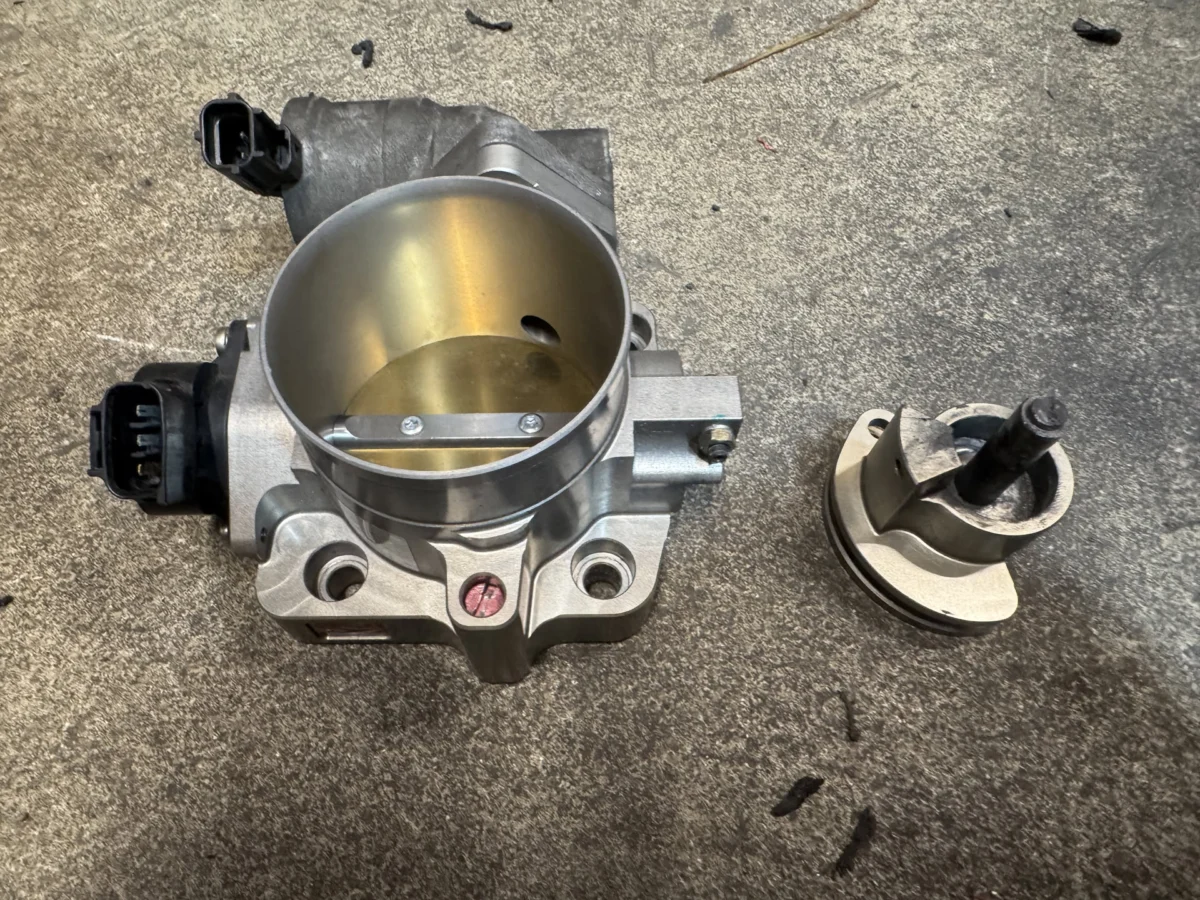
The automotive aftermarket for the Mazda MX-5 Miata, specifically the NA (1990–1997) and NB (1999–2005) generations, is undergoing a significant technological shift as enthusiasts move away from traditional mechanical components in favor of modern electronic solutions. For decades, the cable-driven throttle body has been a staple of the Miata platform, praised for its simplicity and direct tactile feedback. However, as these vehicles are pushed to their limits in competitive track environments, the inherent weaknesses of mechanical linkages—ranging from throttle shaft snapping to butterfly valve screws backing out—have prompted a transition toward Drive-By-Wire (DBW) systems. This movement aims to harmonize vintage lightweight chassis dynamics with the precision and safety protocols of 21st-century engine management.
The Case for Modernization: Mechanical Failure Points in Track Environments
The transition to DBW is often catalyzed by the failure of high-performance aftermarket cable-driven components. A prominent example within the community involves the Skunk2 throttle body, a popular upgrade for the NB Miata intended to increase airflow. Despite its performance promises, field reports from the 2025 track season have highlighted critical reliability issues, including complete mechanical failures of the throttle shaft and instances where the throttle sticks partially open. Such failures are not merely inconvenient; they pose a significant safety risk, potentially leading to unintended acceleration or catastrophic engine damage if internal components are ingested into the combustion chamber.
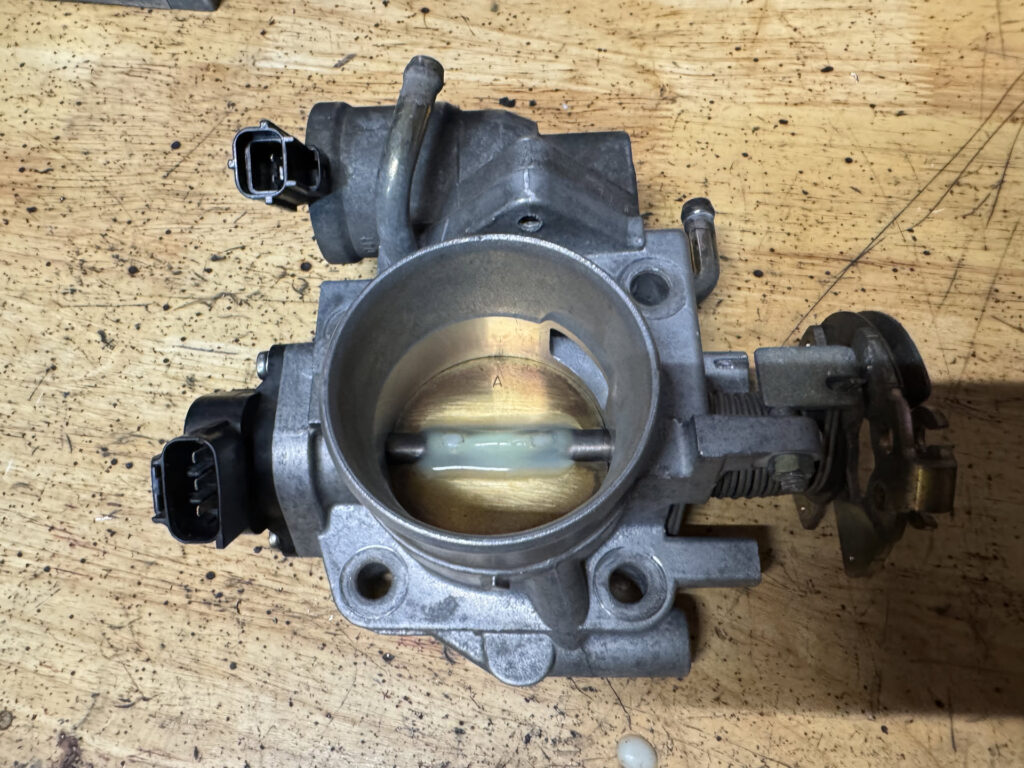
Even original equipment manufacturer (OEM) units are not immune to the rigors of forced induction or high-vibration racing environments. Documented cases of stock Miata throttle bodies failing involve the screws securing the throttle blade backing out or the shaft itself fatiguing over time. While some tuners attempt to mitigate these risks using high-strength epoxies, such as 3M DP420, to secure hardware, these remain reactive measures rather than systemic solutions.

Chronology of the Drive-By-Wire Transition
The shift toward electronic throttle control has been a multi-year evolution within the standalone ECU (Engine Control Unit) industry.
- 2019: The introduction of the DBWX2 marked one of the first viable CAN-bus-based DBW controllers for the Megasquirt platform, allowing older ECUs to interface with modern hardware.
- 2020–2023: Standalone ECU manufacturers like Haltech and MaxxECU integrated native DBW support into their mid-range and premium offerings, setting a new industry standard.
- 2024: Firmware updates for the Megasquirt MS3 ecosystem expanded CAN bus communication capabilities, specifically targeting compatibility with external DBW controllers.
- October 2025: The release of the AMP EFI controller introduced advanced features such as integrated auto-blip downshifting and standalone fail-safe modes, further lowering the barrier to entry for Miata owners.
Comparative Analysis of CAN-Bus DBW Controllers
For users of the Megasquirt MS3Pro Evo—a widely utilized standalone ECU that lacks native DBW drivers—the selection of an external controller is the most critical decision in the conversion process. As of late 2025, five primary controllers dominate the market, each offering distinct advantages in terms of cost, integration, and feature sets.
1. DBWX2 Controller
Retailing at approximately $500, the DBWX2 remains the premium choice for complex builds. Its primary advantage is dual-channel support, allowing for the independent control of two throttle bodies. This is particularly relevant for "twin-throttle" setups or applications involving secondary boost actuators. It features full TunerStudio integration, enabling users to calibrate the system within the same software used for engine tuning.
2. AMP EFI Controller
A recent entry to the market as of October 2025, the AMP EFI unit is priced competitively at $300. It is noted for its versatility, offering a "standalone" mode that can report Throttle Position Sensor (TPS) data back to the ECU via analog pins if CAN bus is not utilized. Notably, it includes dedicated inputs for brake and clutch sensors to facilitate automated rev-matching (auto-blip).

3. MS Labs Controller
While highly regarded for its advanced idle control algorithms and robust auto-blip support, the MS Labs controller faces availability challenges in certain regions, including the United States. It sits on the higher end of the pricing spectrum but offers a more refined software experience for European markets.
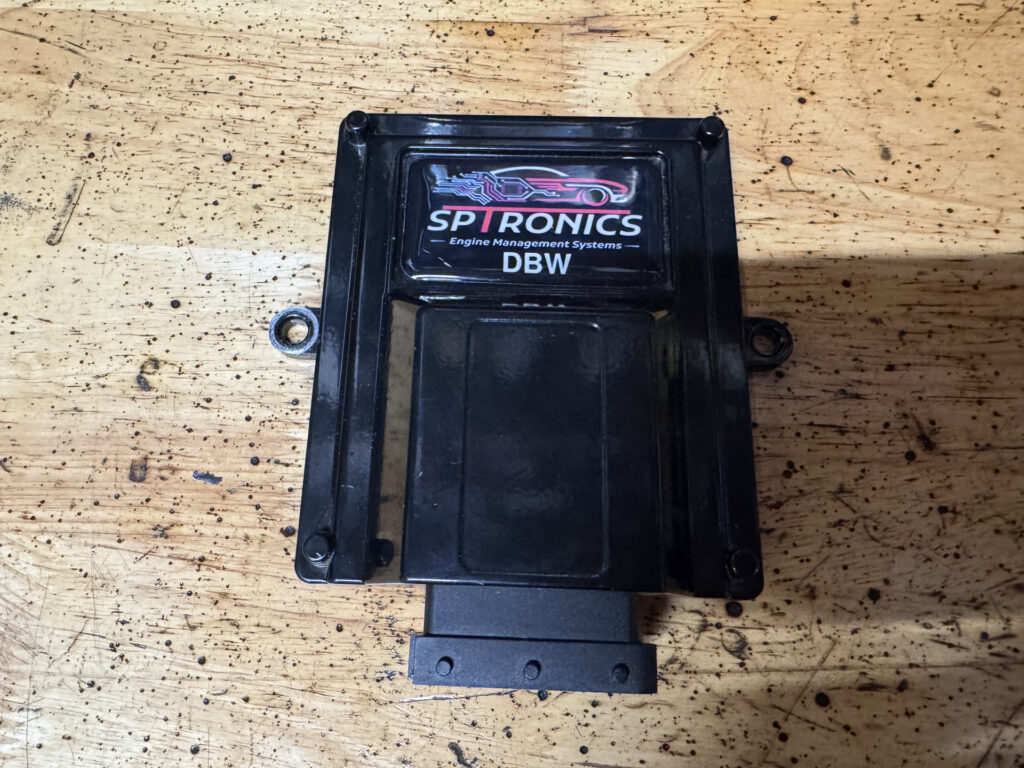
4. SPTronics Controller
At a price point of roughly $150, the SPTronics unit represents the budget-friendly entry into DBW. While it supports dual throttle bodies, it lacks the deep configurability found in more expensive units. Its hardware is non-updatable, and it lacks a configurable CAN bus termination resistor, which may necessitate additional wiring considerations in complex networks.

5. LD Performance Controller
Priced at $200, this unit offers a middle-ground solution but suffers from a lack of TunerStudio integration. Configuration must be performed via a dedicated USB interface, and the enclosure is not rated for engine bay environments, requiring interior mounting.
Technical Specifications and Hardware Integration
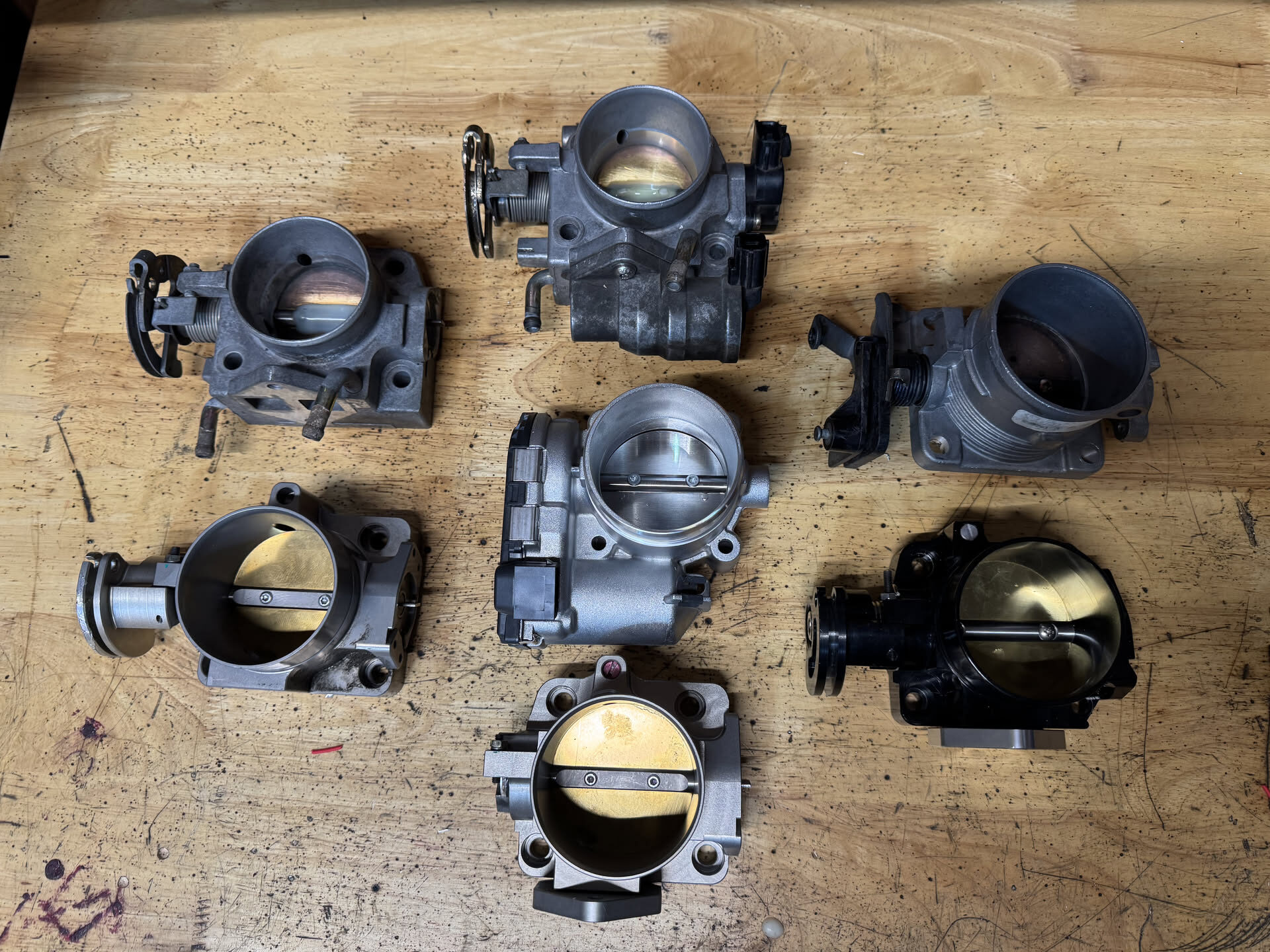
The conversion of an NB Miata to DBW requires a synergy of OEM-grade hardware and custom-machined adapters. The industry standard for this conversion has gravitated toward the Bosch Motorsports 60mm electronic throttle body.

The Bosch 60mm Throttle Body
The Bosch unit is favored for its ubiquity and reliability. Utilized across various European OEM platforms (including Porsche and Volkswagen), these units are designed to withstand 100,000+ miles of operation. They provide a significant airflow increase over the stock Miata unit while maintaining a compact footprint. Because the Bosch bolt pattern differs from the Mazda intake manifold, adapters from specialized firms like Outsider Garage or ChathamCNC are required. These adapters are typically CNC-machined from 6061-T6 aluminum to ensure a leak-free seal and structural integrity.
Accelerator Pedal Position (APP) Sensors
A critical component of the DBW system is the translation of driver input into an electronic signal. Enthusiasts have identified two primary paths for the Miata platform:

- Full Pedal Replacement: Utilizing a pedal assembly from a modern vehicle (e.g., Mazda RX-8 or Honda Civic). This requires significant fabrication to the pedal box and dashboard structure.
- Remote Cable-Driven Sensors: The use of a Honda-sourced APP sensor (found in 2003–2007 V6 Accords) allows the user to retain the factory Miata throttle pedal and cable. The cable attaches to a remote sensor mounted in the engine bay or under the dash, which then transmits the position signal to the controller. This method preserves the original mechanical "feel" of the pedal while providing the benefits of electronic control.
Broader Implications for the Tuning Industry
The move toward Drive-By-Wire on vintage platforms like the Miata signifies a broader trend in the automotive subculture: the prioritization of "intelligent" performance over "raw" mechanical simplicity. The implications of this shift are manifold.
Safety and Redundancy: Unlike cable systems, modern DBW hardware utilizes dual, opposing potentiometers for both the pedal and the throttle blade. If the signals do not match, the controller can instantly cut power to the throttle motor, preventing a "stuck wide open" scenario—a safety feature that mechanical systems cannot replicate.
Performance Optimization: DBW allows for non-linear throttle mapping. A tuner can program the throttle to be less sensitive at low openings for better paddock maneuverability while being more aggressive at high openings for track response. Furthermore, the integration of auto-blip downshifting reduces driver workload and minimizes drivetrain shock during aggressive deceleration.
Simplified Maintenance: By eliminating the Idle Air Control Valve (IACV) and the physical throttle cable, the engine bay is simplified. The DBW motor handles all idle adjustments with millisecond precision, eliminating the common "idle droop" or "hunting" issues associated with aging mechanical valves.

Conclusion and Future Outlook
The conversion of the Mazda Miata to Drive-By-Wire represents the intersection of classic sports car heritage and modern engineering. While the initial investment in controllers and sensors can range from $500 to $1,000, the dividends in reliability and feature expansion are substantial. As the 2026 racing season approaches, the data gathered from the current testing of SPTronics, DBWX2, and AMP EFI controllers will likely establish a new "gold standard" for Miata engine management. For the broader automotive community, this evolution serves as a blueprint for modernizing other legendary platforms, ensuring that the driving icons of the 1990s remain competitive and safe in the high-tech landscape of modern motorsport.