Cecilia Chamidah Nur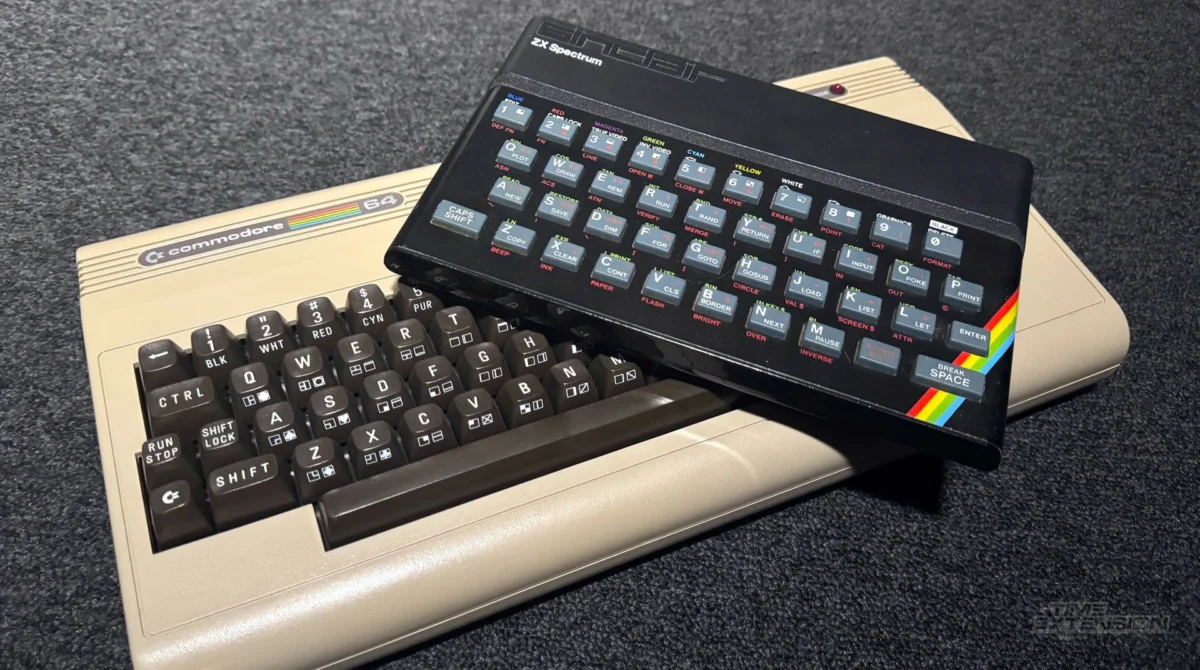
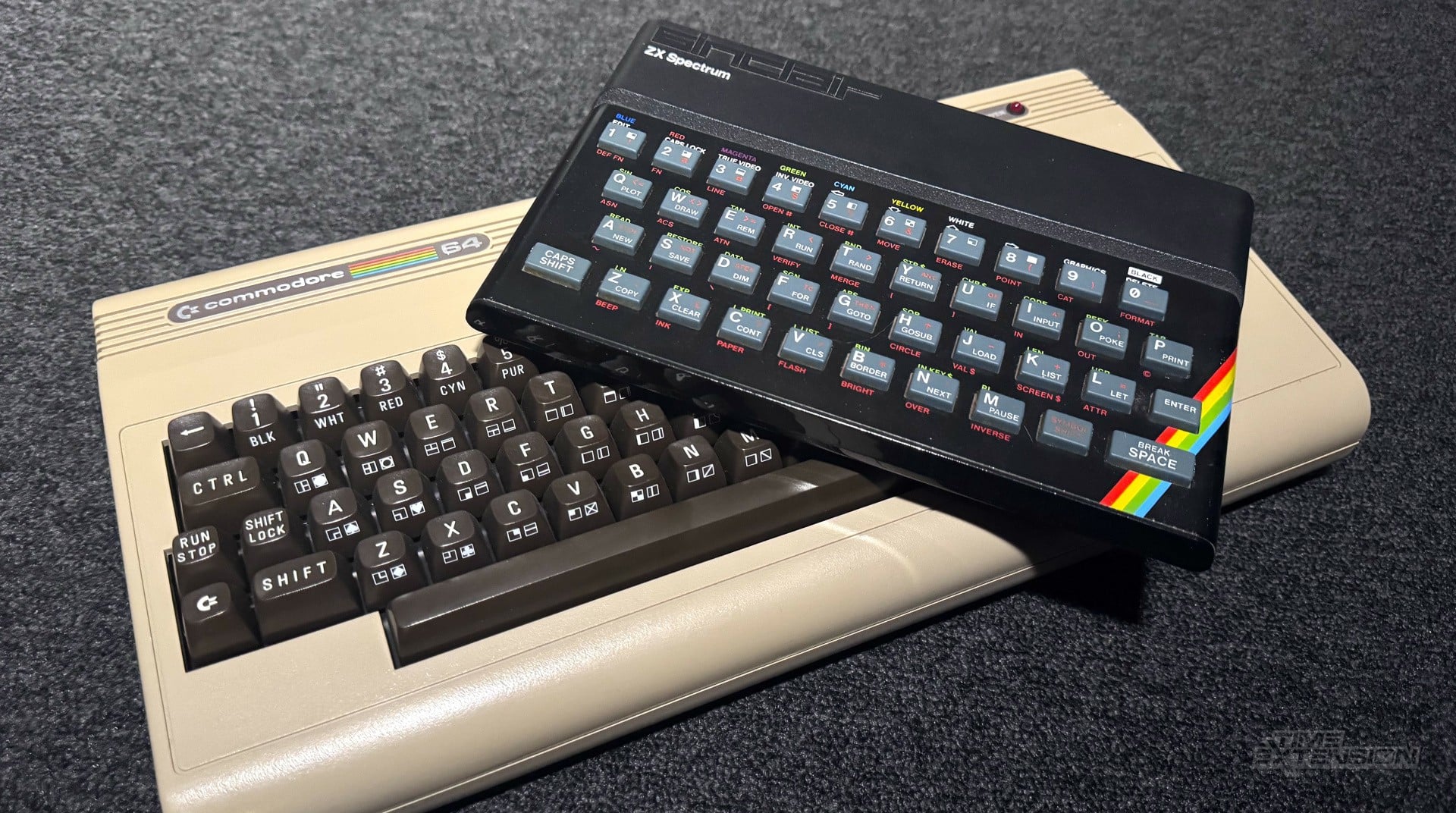
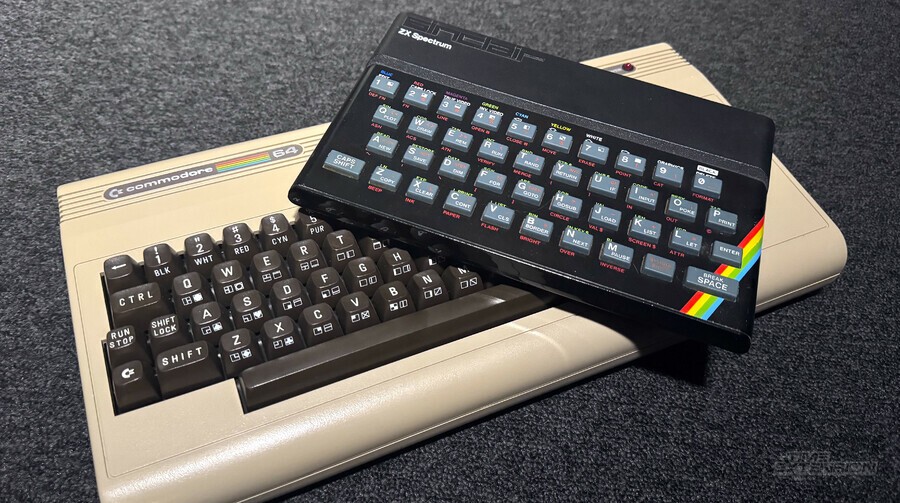
Blaze Entertainment, the innovative force behind the popular Evercade retro gaming ecosystem and its sub-brand HyperMegaTech, has ignited a wave of speculation within the retro computing community with a cryptic social media teaser. The brief video, disseminated across both Evercade and HyperMegaTech channels, poses a straightforward yet profound question: "What if your favourite home computers of the ’80s were portable?" The accompanying text, displayed first in the distinctive syntax of Sinclair BASIC and then in Commodore BASIC, leaves little ambiguity regarding the two iconic machines central to this enigmatic announcement: the Sinclair ZX Spectrum and the Commodore 64. This strategic hint has immediately prompted discussions and anticipation among enthusiasts, industry analysts, and consumers alike, eager to decipher Blaze’s next move in the burgeoning retro hardware market.
The Legacy of ’80s Computing Icons: Spectrum vs. C64
To fully appreciate the significance of Blaze’s teaser, one must first understand the immense cultural and technological impact of the Sinclair ZX Spectrum and the Commodore 64. These machines were not merely computers; they were gateways to a new digital world for millions during the 1980s, particularly in Europe.
The Sinclair ZX Spectrum, launched in the United Kingdom in 1982 by Sinclair Research, quickly became a computing phenomenon. Renowned for its affordability, rubber-keyed keyboard, and vibrant colour palette (albeit with colour clash limitations), the Spectrum democratized computing and gaming. It fostered a vibrant homebrew development scene, producing thousands of games and applications. Its 8-bit Zilog Z80 microprocessor, 16KB or 48KB of RAM, and ingenious design made it a staple in countless British and European homes. The "Speccy" inspired a generation of programmers and gamers, and its distinctive aesthetic remains instantly recognizable.
Across the Atlantic, and with a significant presence in Europe, the Commodore 64 emerged in the same year, 1982. Built by Commodore International, it quickly became the best-selling single computer model of all time, with estimates of its sales ranging from 12.5 to 17 million units. The C64 boasted superior graphics and sound capabilities thanks to its dedicated VIC-II (video) and SID (sound) chips, respectively. Its 6510 microprocessor, 64KB of RAM, and more robust keyboard offered a more premium experience compared to many contemporaries. The C64’s vast software library, particularly its games, is legendary, often cited as a benchmark for early home computing entertainment. The rivalry between the Spectrum and the C64 was fierce, akin to the console wars of later decades, with each machine fostering a loyal and passionate user base that continues to thrive today.
Both machines, despite their differences, shared a common characteristic: they were designed for the home, tethered to television sets and power outlets, decidedly non-portable in their original configurations. The idea of a truly portable version of these devices, faithful to their spirit and functionality, represents a fascinating challenge and a compelling proposition for modern retro enthusiasts.
Blaze Entertainment’s Track Record in Retro Gaming
Blaze Entertainment has established itself as a significant player in the retro gaming market through its Evercade platform and, more recently, its HyperMegaTech sub-brand. Their strategy revolves around licensed, physical cartridge-based retro gaming, offering a legal and tangible way to experience classic titles.
The Evercade ecosystem launched in 2020 with the original Evercade Handheld, followed by the Evercade VS home console in 2021, and the Evercade EXP handheld in 2022. These systems are unique in their commitment to physical cartridges, each containing a curated collection of games from specific publishers, platforms, or genres. This approach has garnered a loyal following, appealing to collectors and those who prefer a physical media experience over digital downloads or emulation boxes. Blaze has successfully secured licenses for a wide array of classic games, including titles from Atari, Data East, Interplay, Gremlin Graphics, and many independent developers. Crucially for this new teaser, Blaze has already released Evercade cartridges featuring collections of both Spectrum and C64 games, demonstrating their existing relationship with these platforms and their respective intellectual properties.
The HyperMegaTech brand, introduced in 2023, represents Blaze’s foray into more compact, budget-friendly retro handhelds, exemplified by the Super Pocket. These devices are designed to be highly portable and often come pre-loaded with a selection of games, alongside compatibility with Evercade cartridges (though with a smaller screen and often a different form factor). The Super Pocket has been well-received for its excellent build quality, sharp display, and accessible price point, making retro gaming more approachable for a wider audience. The existence of this sub-brand provides a direct precedent for portable retro hardware from Blaze.
This established history indicates that Blaze possesses the licensing expertise, hardware development capabilities, and market understanding necessary to undertake a project of this magnitude. Their commitment to authenticity and quality within the retro space positions them uniquely to address the aspirations of Spectrum and C64 fans.
The Growing Retro Gaming Market and Portable Demand
The retro gaming market has experienced a significant boom in recent years, driven by nostalgia, the desire for game preservation, and the accessibility of new hardware. Market research firms consistently report steady growth in this sector, with estimates often placing the global retro gaming market value in the billions of dollars, projected to expand further in the coming decade. Factors contributing to this growth include:
- Nostalgia: A significant demographic of gamers who grew up in the ’80s and ’90s are now adults with disposable income, eager to relive their childhood gaming experiences.
- Game Preservation: There’s a growing appreciation for the historical significance of classic games and hardware, leading to efforts to preserve and make them accessible.
- Technological Advancements: Emulation technology has become highly sophisticated, allowing for accurate recreations of classic systems. Furthermore, miniaturization and improved battery technology have made portable retro gaming more viable than ever.
- Collector’s Market: The physical nature of retro games and consoles appeals to collectors, creating a vibrant secondary market.
- New Audiences: Younger generations are discovering the charm and challenge of older games, often through content creators and online communities.
Within this broader trend, portable retro gaming has emerged as a particularly strong sub-segment. Devices like Anbernic, Retroid Pocket, and Blaze’s own Super Pocket demonstrate a strong consumer demand for handheld systems capable of playing classic titles on the go. The convenience of portability allows gamers to integrate retro experiences into their daily lives, whether commuting, traveling, or simply relaxing away from a main gaming setup. This market context provides a fertile ground for Blaze’s potential new portable Spectrum and C64 devices.
Decoding the Teaser: Potential Product Scenarios
Blaze’s teaser, while succinct, opens the door to several plausible product interpretations, each with its own set of implications for the market and consumers.
-
Expanded Cartridge Releases: Given Blaze’s existing Evercade cartridges for Spectrum and C64, one immediate possibility is the release of new, perhaps more extensive, game collections. These could include deeper cuts from the respective libraries, or even focus on specific genres or developers. While a welcome addition for Evercade owners, this option might not fully capitalize on the "portable ’80s home computers" phrasing, as it primarily addresses software rather than a dedicated hardware experience. It would, however, reinforce Blaze’s commitment to these platforms within its established ecosystem.
-
Themed HyperMegaTech Super Pocket Handhelds: This scenario appears highly probable. HyperMegaTech’s Super Pocket handhelds are already designed for portability and can play Evercade cartridges. A "Spectrum Edition" or "C64 Edition" Super Pocket could feature unique color schemes, branding, and perhaps a pre-loaded selection of iconic games from the respective platforms, alongside the ability to accept existing Evercade Spectrum and C64 cartridges. This would offer a dedicated, compact, and affordable portable experience for fans, building upon a successful existing product line. The form factor of the Super Pocket, while excellent for gaming, would still present challenges for replicating the full "home computer" experience, particularly regarding keyboard input.
-
Entirely New, Dedicated Portable Hardware: This is perhaps the most exciting and ambitious possibility, aligning most directly with the teaser’s emphasis on "portable home computers never seen before." To truly stand out, Blaze might be developing bespoke hardware that more closely emulates the original machines’ aesthetics and functionality in a portable form factor.
- Miniature Computer with Integrated Screen/Keyboard: Imagine a device resembling a tiny Spectrum or C64, complete with a functional, if miniaturized, keyboard and an integrated screen. This would go beyond a simple handheld gaming device, offering a more authentic "computing" experience. Such a device could run a highly accurate emulator or even utilize FPGA (Field-Programmable Gate Array) technology for hardware-level replication, offering unparalleled accuracy.
- Hybrid Device: A handheld with a detachable or slide-out keyboard, offering both gaming and basic computing functionality. This would address the core identity of these machines as "home computers" rather than just "game consoles."
- Software and Hardware Integration: Any new hardware would likely come with a robust operating system or launcher that provides easy access to games and potentially other applications, perhaps even allowing for basic programming in the respective BASIC dialects.
The Challenge of Standing Out: Precedent and Innovation
The retro computing landscape is not without its attempts at portable Spectrum and C64 devices. As the original article notes, the ZX Vega+ was an Indiegogo-funded project that promised a portable Spectrum, though its troubled development and eventual cancellation serve as a cautionary tale. More recently, the ZX Touch emerged as a P220 portable ZX Spectrum with a 7-inch screen, demonstrating ongoing interest in dedicated portable Spectrum hardware. Similarly, various community projects and commercially available emulation handhelds can already play C64 games, albeit without a dedicated C64-themed physical form factor.
For Blaze to succeed, their offering must present a compelling reason to exist beyond what current emulation devices or past attempts have provided. This "pretty unusual" factor could stem from:
- Authenticity and Accuracy: High-fidelity emulation or FPGA-based recreation that surpasses software-only solutions.
- Design and Build Quality: A premium feel, ergonomic design, and a strong visual homage to the original machines.
- Unique Features: Perhaps connectivity options, the ability to load original media (e.g., via SD card emulation of tape/disk drives), or a robust, user-friendly interface that simplifies the experience while retaining depth.
- Official Licensing: Blaze’s strength lies in its ability to secure official licenses, which provides a level of legitimacy and access to intellectual property that many smaller projects lack. This can ensure a smoother path to market and avoid legal complications.
- Evercade Ecosystem Integration: If the new device integrates with the Evercade cartridge system, it adds significant value by leveraging Blaze’s existing library and future releases.
The challenge for Blaze will be to strike a balance between nostalgia, modern convenience, and innovation. Merely emulating games on a new screen won’t be enough; they need to capture the spirit of these ’80s computers in a truly portable and appealing package.
Broader Implications and Industry Reactions
The potential launch of dedicated portable Spectrum and C64 hardware from a reputable company like Blaze carries significant implications for the retro gaming and computing industry:
- Market Validation: A successful launch would further validate the demand for niche retro computing hardware, potentially encouraging other manufacturers to explore similar projects for other classic systems.
- Preservation Efforts: Officially licensed and well-executed hardware helps preserve the legacy of these machines, making their vast software libraries accessible to new generations in a tangible form.
- Competition and Innovation: Blaze’s move could spur competition among existing retro hardware manufacturers, leading to further innovation in emulation, design, and user experience.
- Community Engagement: These machines have incredibly passionate fan bases. A new, officially sanctioned portable device would undoubtedly generate significant community discussion, modding opportunities, and renewed interest in developing for or exploring these platforms.
- Blaze’s Strategic Positioning: This move would solidify Blaze’s reputation as a leader in the retro market, demonstrating their willingness to innovate beyond their core Evercade cartridge system and tackle more complex hardware challenges. It positions them not just as a retro gaming company, but as a retro computing company.
Industry observers anticipate a generally positive reaction, tempered with cautious optimism. The retro community is discerning, and while excitement is high, so are expectations for accuracy, build quality, and value. Given Blaze’s track record, there is a strong belief that they understand these demands. Competitors in the handheld emulation space might view this as a niche but potentially lucrative expansion, possibly inspiring them to consider more dedicated, officially licensed offerings.
Conclusion: A New Dawn for Portable Retro Computing?
Blaze Entertainment’s teaser has effectively set the stage for what could be a landmark release in the retro computing world. By evoking the iconic Sinclair ZX Spectrum and Commodore 64, and specifically posing the question of their portability, Blaze is tapping into a deep well of nostalgia and unmet demand. Whether this manifests as enhanced cartridge collections, dedicated Super Pocket editions, or an entirely novel portable computing device, the ambition is clear: to bring the magic of ’80s home computers into the modern era, untethered from their original deskbound confines.
The challenge for Blaze will be immense, navigating the complexities of faithful recreation, modern usability, and market differentiation. However, their proven expertise with the Evercade and HyperMegaTech platforms suggests they are well-equipped for this endeavor. As the retro gaming market continues its robust expansion, the prospect of officially licensed, high-quality portable versions of the Spectrum and C64 represents a thrilling development, promising to open new avenues for both seasoned enthusiasts and a fresh wave of users to experience the foundational machines that shaped personal computing and gaming. The coming months will undoubtedly reveal the full scope of Blaze’s vision, and the retro community eagerly awaits the unveiling of what promises to be an extraordinary addition to the world of classic hardware.