Retno Hari Mulyono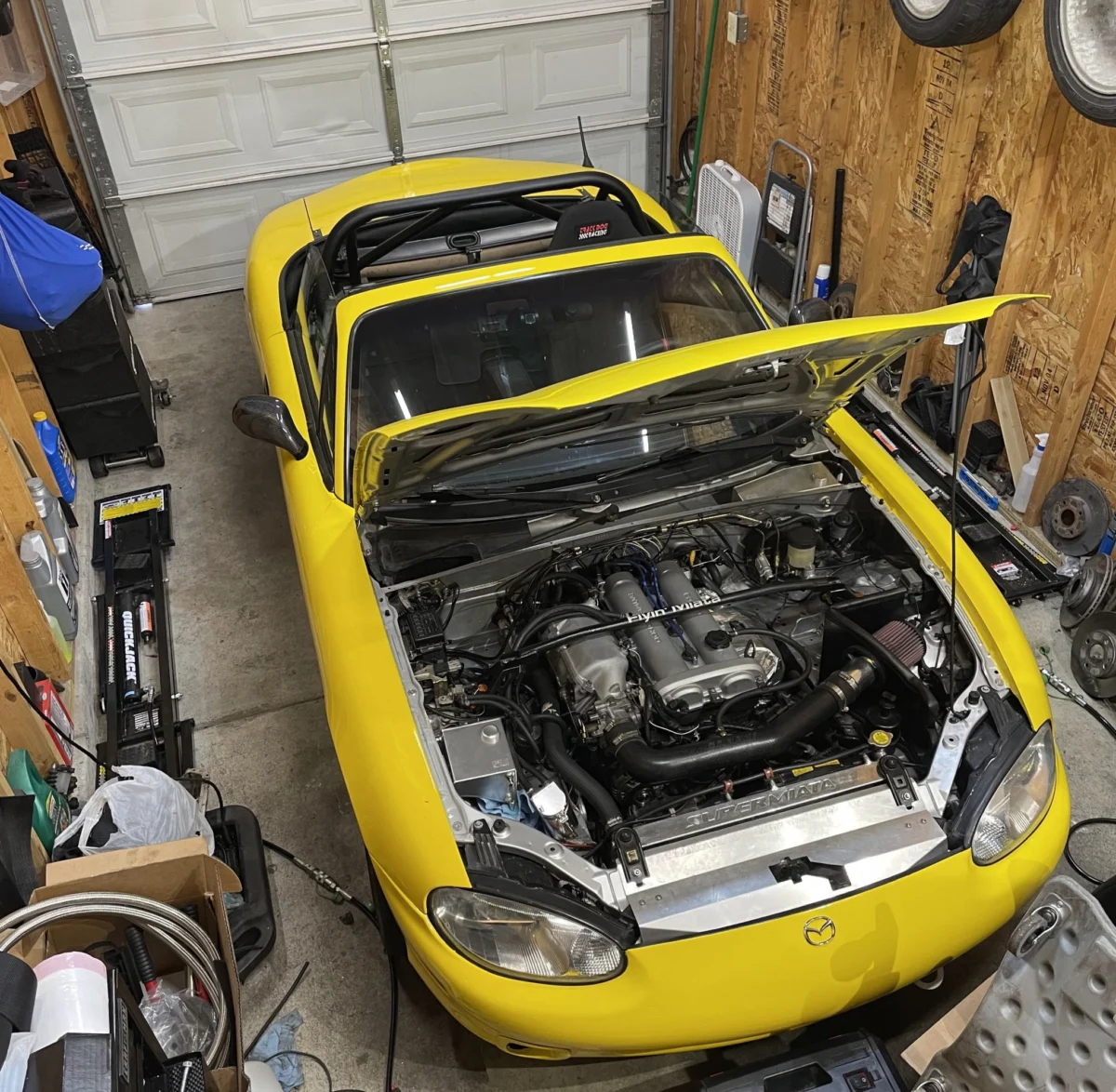
The Mazda MX-5 NB, produced between 1998 and 2005, remains a cornerstone of the grassroots motorsports community due to its balanced chassis and accessible mechanical architecture. However, as these vehicles surpass the two-decade mark, the degradation of factory rubber components and hydraulic dampers often masks the platform’s inherent capabilities. A recent comprehensive suspension and drivetrain restoration project has demonstrated the significant performance gains achievable through a systematic replacement of aging OEM components with high-performance aftermarket solutions, including Xida Race coilovers, IL Motorsports bushings, and a Torsen limited-slip differential.
The Engineering Objectives of the NB Refresh
The primary objective of the overhaul was to transition a high-mileage, base-model NB Miata into a "dual-duty" vehicle capable of competitive track performance while maintaining street legality. The project focused on three critical areas of vehicle dynamics: compliance management, damping precision, and power delivery. By addressing these pillars simultaneously, the modification sought to eliminate the "floaty" sensation common in aging Miatas and replace it with the "planted" stability required for high-speed cornering.
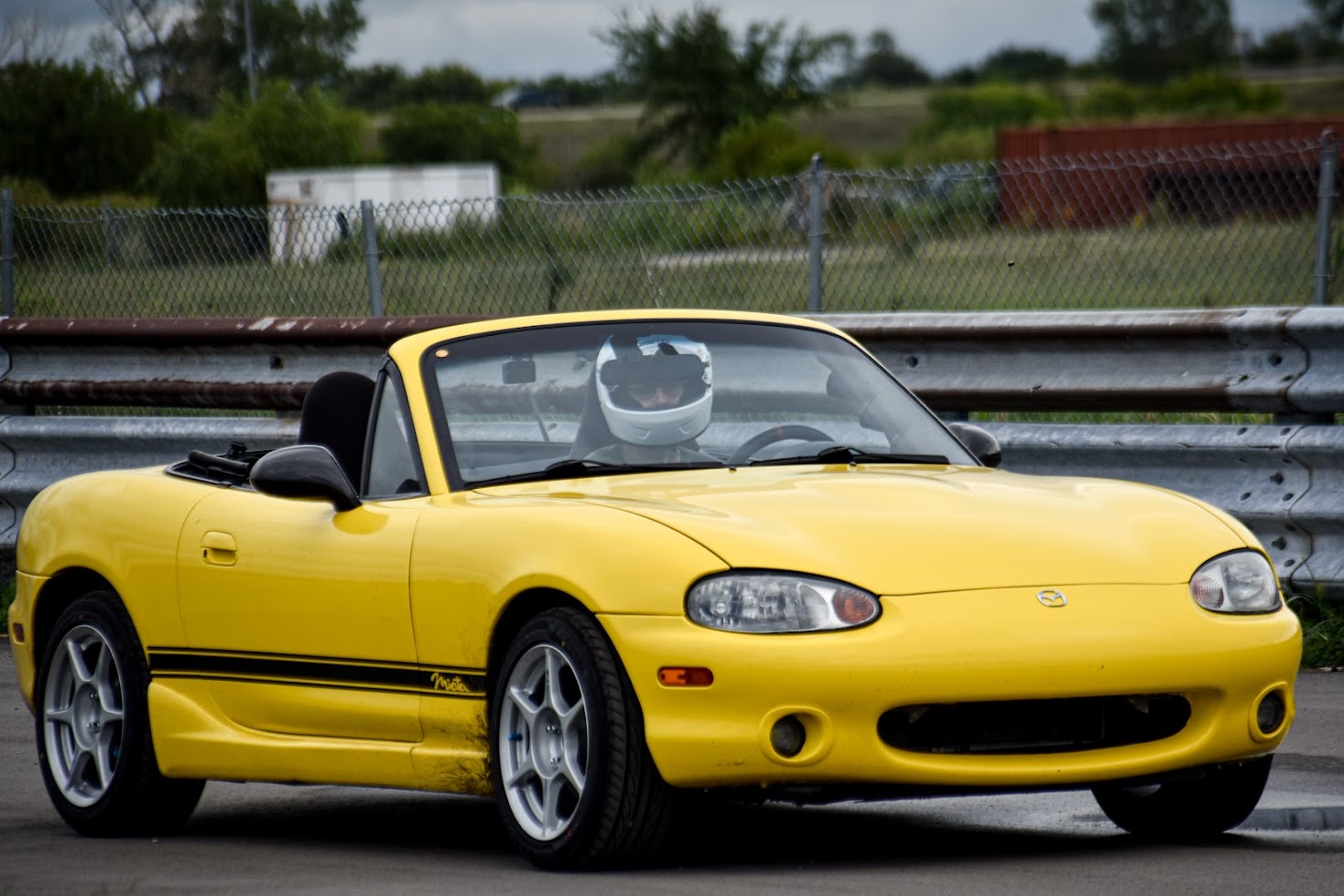
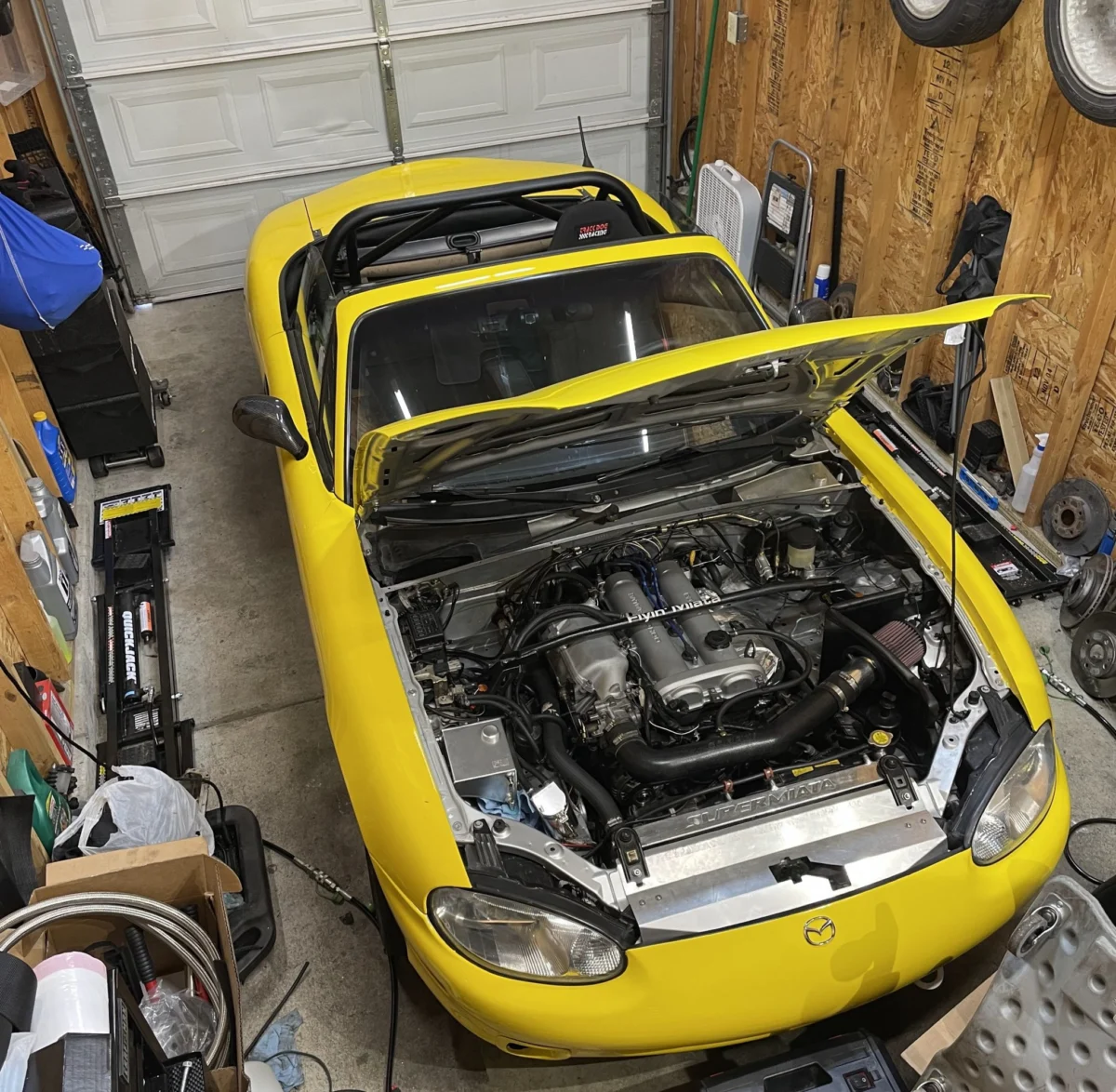
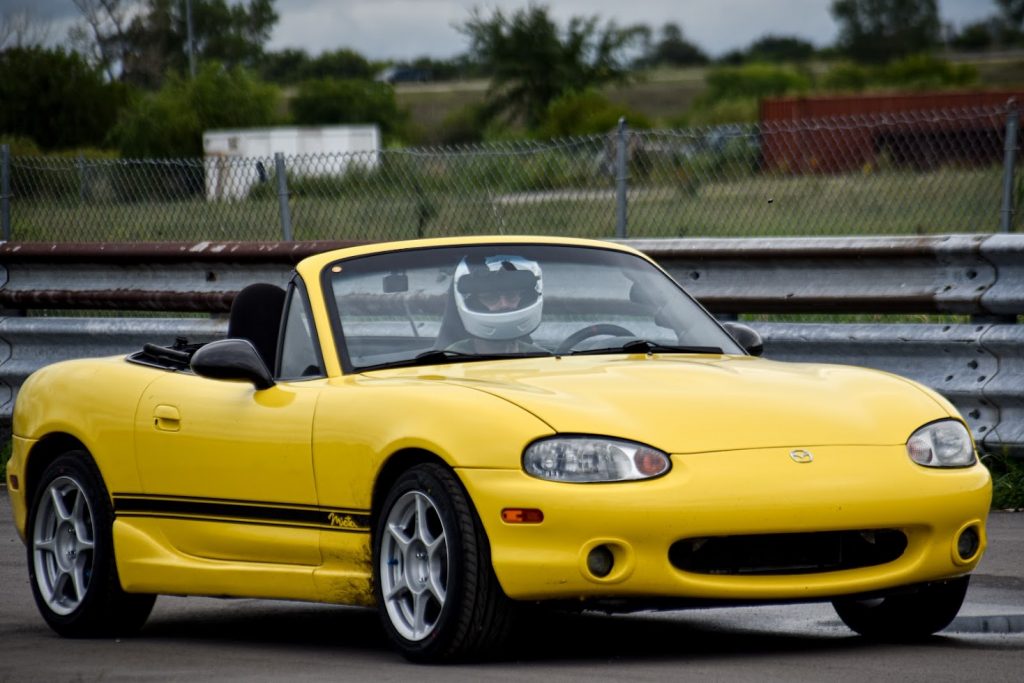
The baseline vehicle was a standard NB equipped with a five-speed manual transmission and a 4.3:1 ratio open differential. While functional, the original suspension suffered from unknown service intervals and the inevitable hardening of factory rubber bushings, which increases NVH (Noise, Vibration, and Harshness) without providing the lateral stiffness required for performance driving.
Chronology of the Suspension Reconstruction
The project was initiated during the winter off-season to mitigate the risks associated with seized hardware, a common occurrence in regions where road salt and moisture contribute to chassis corrosion. The workflow followed a logical progression from the innermost components to the external damping systems.
Phase I: Bushing Integration and Compliance Control
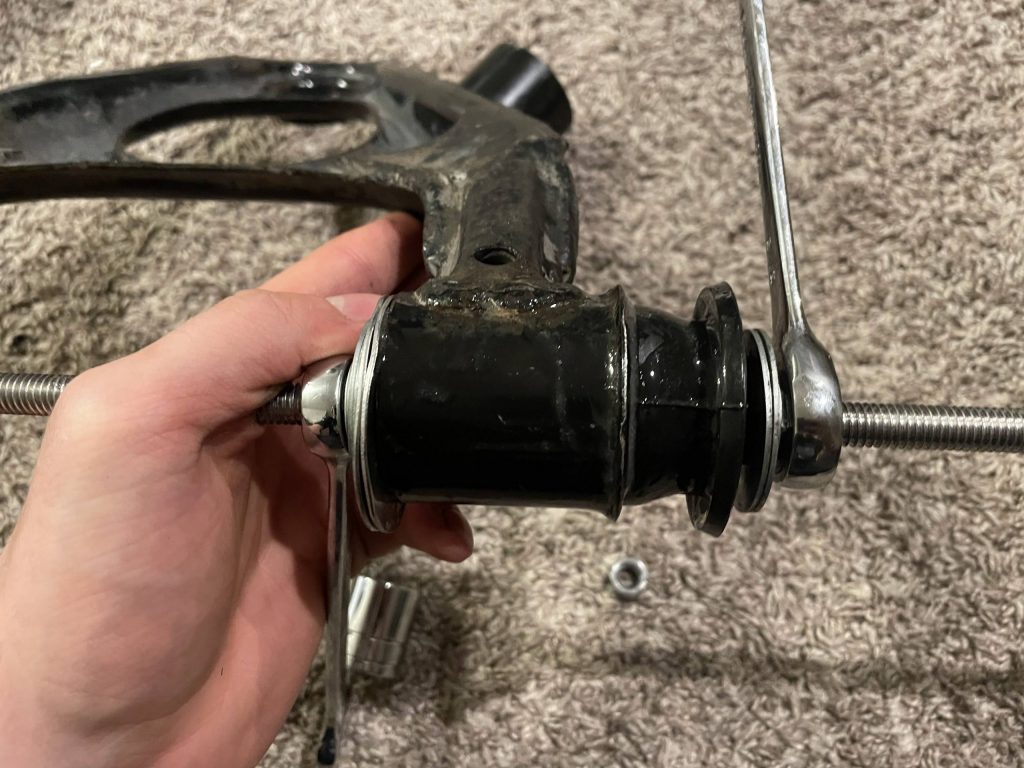
The first stage involved the extraction of all 22 control arm bushings. The project lead selected IL Motorsports performance rubber bushings over more common polyurethane alternatives. This decision was based on the durometer rating, which mirrors the discontinued Mazdaspeed Competition parts, offering increased stiffness without the requirement for frequent lubrication or the risk of "squeaking" associated with poly-bushings.
During this phase, technical challenges arose regarding the rear upper control arms. The use of a traditional hydraulic press resulted in the deformation of the arm’s structural geometry. Consequently, the project shifted to a "threaded rod and washer" method, which applies force more evenly and prevents the collapse of the control arm’s "ears." This phase also addressed the "long bolt" issue common to the Miata’s rear knuckle, necessitating the replacement of Grade 10.9 alignment hardware.
Phase II: Drivetrain and Power Delivery
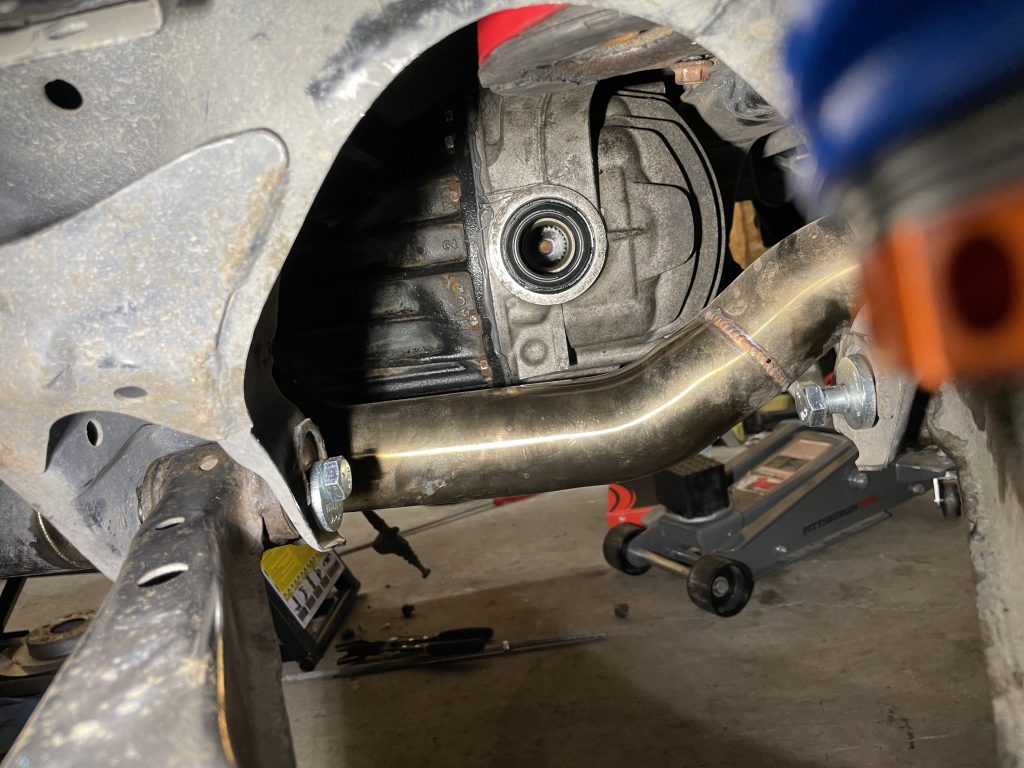
The transition from an open differential to a Torsen (Torque-Sensing) limited-slip differential represented the most significant mechanical upgrade to the drivetrain. The Torsen unit, specifically the highly sought-after 4.30 ratio variant, was sourced and installed into the existing aluminum carrier. Unlike clutch-type differentials, the Torsen unit uses a system of worm gears to bias torque to the wheel with the most grip without the need for wearable friction plates.
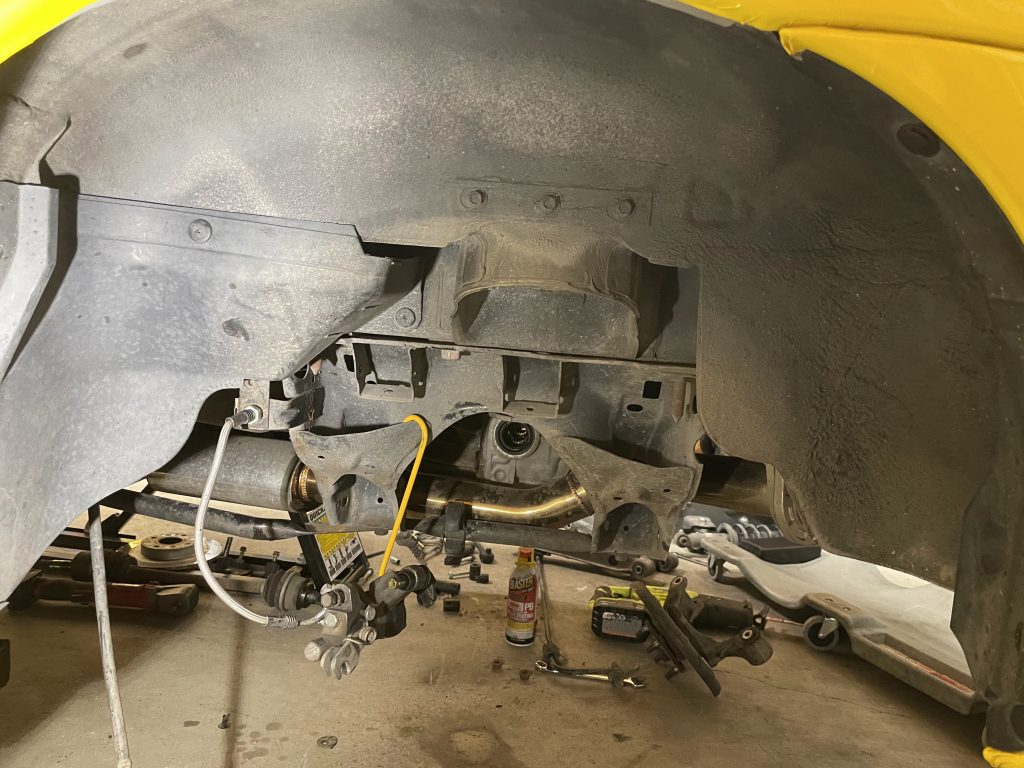
Simultaneously, the project addressed the differential mounts. Polyurethane differential bushings were installed to minimize "wheel hop" and drivetrain lash. The installation required the removal of the original rubber by drilling the core and using a manual punch, as the Power Plant Frame (PPF) bolts—often torque-locked by years of heat cycles—required significant leverage for removal.
Phase III: Front-End Geometry and Hub Reliability
To ensure steering precision, a Supermiata front-end service kit was utilized. This included new upper and lower ball joints and outer tie rod ends. While the factory units showed no immediate signs of failure, the replacement was treated as preventative maintenance to ensure a "zero-hour" baseline for the vehicle’s alignment.
Furthermore, the wheel hubs, a known failure point under the increased heat and lateral loads of track use, were replaced. The front utilized Centric hubs with pre-installed bearings, while the rear benefited from rebuilt OEM knuckles sourced from Treasure Coast Miata. This approach bypassed the complexities of pressing bearings into old knuckles, ensuring structural integrity at each corner of the vehicle.
Technical Analysis of Xida Race Coilovers
The centerpiece of the suspension overhaul was the installation of Supermiata Xida Race coilovers. In the competitive landscape of Miata suspension, options range from budget-oriented "street" coilovers to high-end bespoke dampers. The Xida system, developed in conjunction with AST Suspension, is widely regarded as the gold standard for the MX-5 platform.
Spring Rate and Damping Calibration
The selected configuration featured an 800 lbs/in front and 500 lbs/in rear spring rate, supplemented by helper springs to maintain tension during full suspension droop. While these rates are significantly higher than the factory’s approximate 160/100 lbs/in setup, the high-quality valving of the Xida dampers allows for a surprisingly compliant ride.
Analysis of the damping curves reveals that the Xidas utilize a digressive valving profile. This technology provides high low-speed damping (controlling body roll and pitch) while allowing the damper to "blow off" during high-speed impacts (such as hitting a curb or a pothole). This dual-nature valving is what permits a car with 800-pound springs to remain tolerable on public roads.
Ride Height and Center of Gravity
The installation resulted in a ride height reduction of approximately 0.75 inches from stock. In the context of Miata suspension geometry, maintaining a specific "pinch weld" height is crucial to avoid hitting the bump stops prematurely. The Xidas were set near their maximum height adjustment to ensure sufficient travel for the heavier NB chassis, effectively lowering the center of gravity while preserving the suspension’s ability to absorb mid-corner irregularities.
Comparative Performance Data and Industry Standards
According to data from Spec Miata racing and independent testing, the transition from an open differential to a Torsen LSD can result in a 1.5 to 2.0-second reduction in lap times on a typical 2-mile road course. This is primarily due to the ability to apply throttle earlier during corner exit without the "inside-wheel-spin" characteristic of an open differential.
The stiffened IL Motorsports bushings contribute to what engineers call "kinematic consistency." In a stock Miata, the soft rubber allows the control arms to shift under load, causing dynamic changes in camber and toe. The stiffer bushings reduce this deflection by an estimated 30-40%, ensuring that the alignment settings remains stable under high-G cornering.
| Component | Factory Specification | Upgraded Specification |
|---|---|---|
| Front Spring Rate | ~164 lbs/in | 800 lbs/in |
| Rear Spring Rate | ~97 lbs/in | 500 lbs/in |
| Differential Type | Open | Torsen Type 2 (LSD) |
| Bushing Material | 45-55 Durometer Rubber | 70-80 Durometer Rubber |
| Damper Type | Twin-tube (Fixed) | Monotube (Adjustable) |
Official Industry Perspective
Representatives from high-performance Miata vendors, such as Supermiata and Flyin’ Miata, have long advocated for a "holistic" approach to suspension. "Replacing shocks without addressing 20-year-old bushings is like putting a new roof on a crumbling foundation," noted one industry expert. The consensus among track-day organizers is that the NB Miata’s limit of adhesion is dictated more by its suspension health than its engine output. By refreshing the wear items, the driver can exploit the 140-horsepower engine to its fullest extent.

Broader Impact and Implications for the Aftermarket
The success of this comprehensive refresh highlights a growing trend in the automotive aftermarket: the "Restomod" approach to 1990s and early 2000s Japanese sports cars. As these vehicles transition from "used cars" to "modern classics," the demand for high-quality, longevity-focused parts like IL Motorsports bushings and Xida dampers has surged.
The project also underscores the debate surrounding sway bar thickness. While many enthusiasts immediately install oversized sway bars, the project lead’s decision to retain the stock bars reflects a more nuanced understanding of suspension independence. Stiffer springs inherently reduce body roll; adding an excessively thick sway bar can lead to "lifting" the inside wheel and reducing the independence of the suspension, which can be detrimental on uneven track surfaces.
Conclusion
The transformation of the NB Miata from a soft, aging roadster into a precision-engineered track tool demonstrates the efficacy of targeted mechanical upgrades. While individual components like ball joints or hubs may offer negligible "butt-feel" improvements, their collective contribution to vehicle reliability and safety is paramount for high-performance driving. The integration of high-end damping technology via the Xida coilovers, combined with the mechanical grip provided by the Torsen differential, has effectively modernized the 20-year-old chassis, proving that with the right engineering choices, the NB Miata remains a formidable contender in the modern automotive landscape. Future testing on-track will provide the final empirical data to quantify these subjective street improvements.