Farhan hamdan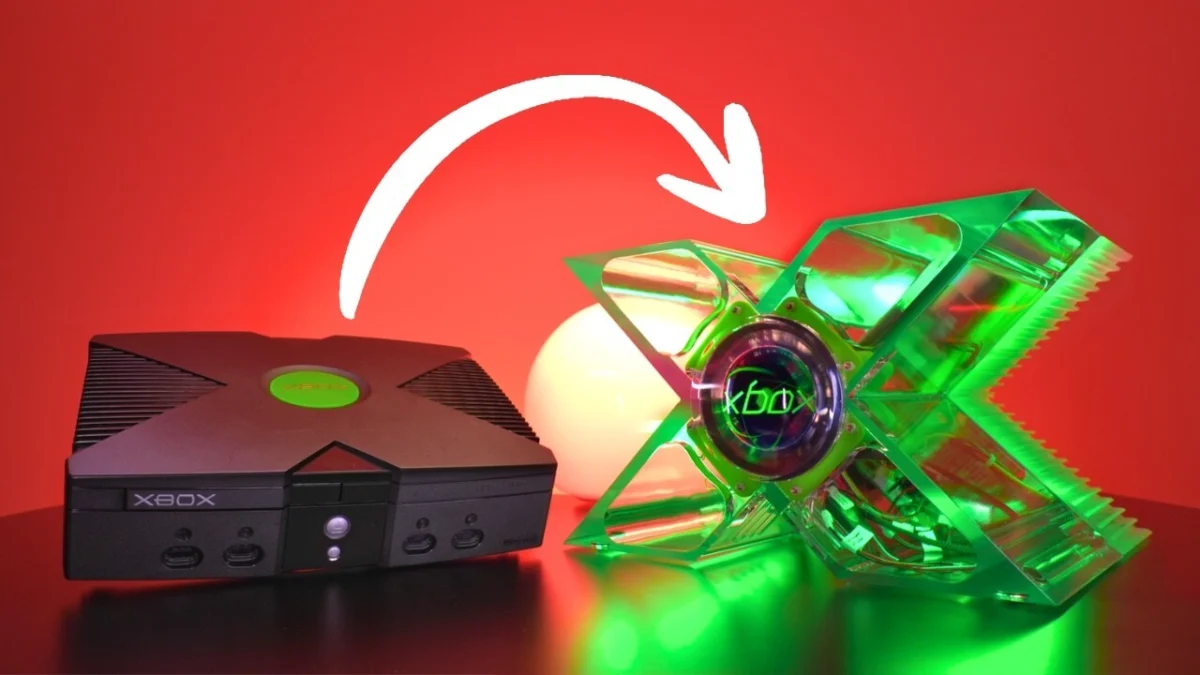
Tito from Macho Nacho Productions, a prominent figure in the retro gaming and hardware modding community, has officially launched a new web store, Nacho Engineering, making available the comprehensive design files necessary for enthusiasts to construct their own highly accurate replicas of the unreleased original Xbox prototype. This significant release democratizes access to a previously exclusive piece of gaming history, offering two distinct versions for purchase: a full-sized recreation designed to accommodate an optical drive and standard Xbox components, and a more compact variant that mirrors the actual prototype’s dimensions but foregoes internal DVD drive compatibility. Each set of files is priced at $20, with a combined package offered at $30, providing a detailed assembly video and a thorough Bill of Materials (BOM) to guide creators through the intricate build process.
The Genesis of a Legend: The Original Xbox Prototype
The journey to this release is rooted in the rich, often obscure, history of video game console development. Before its groundbreaking debut in November 2001, Microsoft’s Xbox underwent numerous design iterations. Among the most fabled was an early prototype, characterized by its distinctive "X"-shaped metal chassis, a stark departure from the final production model’s more conventional rectangular form factor. This prototype, often referred to by enthusiasts as the "metal X-box" or "kryptonite Xbox" due to its metallic sheen and imposing presence, represented an ambitious early vision for Microsoft’s foray into the console market. It was a tangible artifact of a pivotal moment in gaming history, symbolizing the company’s bold challenge to established giants like Sony and Nintendo.
For years, this prototype remained largely unseen by the public, residing within Microsoft’s archives or in the hands of a select few. Its existence fueled speculation and fascination among collectors, historians, and modders, who viewed it not just as a piece of hardware, but as a testament to the creative and engineering processes that shape consumer technology. The allure of unreleased or early-stage hardware lies in its ability to offer a glimpse into alternative timelines of technological evolution, showcasing paths not taken and design philosophies that were ultimately refined or abandoned.
Tito’s Meticulous Recreation Journey
Tito from Macho Nacho Productions first captured the attention of the global modding community with his ambitious project to recreate this elusive prototype. His initial efforts, meticulously documented through a series of popular YouTube videos, showcased a remarkable blend of reverse-engineering skill, 3D modeling expertise, and a deep passion for gaming history. Early videos, such as "I Built A Kryptonite XBOX," demonstrated the formidable challenge of replicating an object known only through limited photographs and anecdotal descriptions.
His dedication reached a pinnacle when, in a collaboration documented in the video "Building Microsoft’s Unreleased Metal XBOX (That Actually Works)," he not only constructed a functional replica but also brought it to Microsoft’s headquarters. This extraordinary event culminated in a surreal moment captured in "I Thought My FAKE XBOX Prototype Was Perfect… Until Microsoft Showed Me the REAL One," where Tito and fellow enthusiast Ken (often associated with RetroRGB) were granted the unprecedented opportunity to compare Tito’s meticulously crafted replica with the genuine article from Microsoft’s internal archives. This direct comparison allowed Tito to refine his designs with unparalleled accuracy, correcting subtle discrepancies and incorporating authentic details that only direct observation could provide. This iterative process, driven by a commitment to historical fidelity, underpins the authenticity and quality of the files now being released.
The Design Files: Enabling Community-Driven Innovation
The newly released design files are a direct outcome of this extensive research and development. Available through Nacho Engineering, they represent a complete package for any enthusiast looking to embark on this challenging yet rewarding build. The two versions cater to different preferences and technical capabilities:

- Full-Sized Prototype Recreation: This version is designed to house a complete original Xbox console, including its optical drive. It appeals to purists who wish to integrate existing hardware into a historically accurate, yet fully functional, custom chassis. The inclusion of an optical drive ensures compatibility with original game discs, maintaining the authentic retro gaming experience.
- Compact Prototype Version: Closer in dimensions to the actual unreleased prototype, this smaller variant sacrifices internal space for an optical drive in favor of historical accuracy in form factor. This version is ideal for those who might opt for digital game loading or wish to integrate modern, smaller components such as single-board computers (e.g., Raspberry Pi) for emulation, or compact gaming PCs.
Crucially, the release includes not just the raw design files but also a detailed assembly video and a comprehensive Bill of Materials (BOM). This level of support is invaluable, transforming what could be an intimidating project into an accessible endeavor. The BOM lists every component required, from screws and standoffs to specific electronic connectors, often providing sourcing recommendations. The assembly video offers step-by-step visual guidance, demystifying complex procedures and ensuring builders have the necessary context for each stage of construction.
The Value Proposition: Paid Files in an Open-Source Ecosystem
The decision to charge for design files, while common in professional engineering, sometimes sparks discussion within the open-source and modding communities, where the expectation of free access to information and designs is prevalent. However, the approach taken by Macho Nacho Productions highlights a critical distinction between raw data dumps and fully supported, meticulously documented project packages.
As observed by many within the DIY electronics and hardware modding scene, "open source" often entails a collection of files deposited on platforms like GitHub. While such contributions are undeniably generous and valuable, they frequently lack the essential supporting documentation required for a smooth build process. Users are often left to their own devices to:
- Source Components: Identifying and purchasing the correct Bill of Materials can be a time-consuming and error-prone task, often requiring extensive research to find reputable suppliers and compatible parts.
- Verify Compatibility: Ensuring that all chosen components will work together seamlessly, both physically and electrically, demands significant technical understanding and testing.
- Develop Assembly Instructions: Translating design files into a logical, step-by-step assembly guide is a project in itself, requiring an understanding of manufacturing processes and user experience.
- Quality Assurance: Building and testing a prototype to verify the accuracy and functionality of the design is a crucial, often overlooked, step that guarantees a working product.
The $20 or $30 cost for Tito’s files is, therefore, not merely for the CAD data but for the extensive intellectual labor and practical effort invested in creating a complete, validated, and user-friendly package. This includes the years of research, the iterative design process, the direct comparison with the original prototype at Microsoft, the creation of a comprehensive BOM, and the production of a detailed assembly video. This model ensures that creators like Tito can sustainably continue their work, fostering high-quality projects that genuinely empower the community by drastically lowering the barrier to entry for complex builds. It represents a professionalization of community-driven hardware projects, where the value of expertise, documentation, and support is explicitly recognized and compensated.
Broader Implications: Preserving History, Fueling Innovation
The release of these prototype files holds significant implications for several sectors:
- Hardware Preservation: By making these designs accessible, Macho Nacho Productions contributes directly to the preservation of gaming history. Replicating rare or unreleased hardware ensures that its form and function can be studied and experienced by future generations, even if the original artifacts remain inaccessible. This move complements the work of museums and archives by enabling distributed, community-led preservation efforts.
- Community Empowerment: The detailed instructions and files empower a broad spectrum of enthusiasts, from seasoned modders to novices with access to a 3D printer. The programmable center jewel, a customizable feature of the design, further enhances creative freedom, allowing builders to personalize their replicas with any logo or design. This transforms the prototype from a static historical object into a dynamic platform for individual expression and technological experimentation.
- Future Custom Builds: Beyond recreating the original Xbox prototype, the robust design serves as an excellent foundation for other custom projects. The chassis can be adapted to house emulation machines, compact gaming PCs, home theatre PCs, or other bespoke electronic projects. This versatility positions the design as a valuable asset for the DIY community, promoting further innovation and hardware customization.
- The Retro Gaming Market: The retro gaming market continues to exhibit robust growth. Recent market analyses indicate a compound annual growth rate (CAGR) exceeding 10% for retro gaming hardware and accessories over the past five years, driven by both nostalgia and a burgeoning interest in gaming history. Within this market, the sub-segment of custom builds and hardware modifications represents a significant and expanding niche. Enthusiasts are increasingly willing to invest in unique, high-quality projects that offer a blend of historical accuracy and modern functionality. Tito’s release taps directly into this demand, providing a premium solution for a highly sought-after collectible experience.
This initiative also underscores the growing impact of independent content creators and engineers in shaping the landscape of niche hobbies. Individuals like Tito, leveraging platforms like YouTube and specialized web stores, are not only documenting their passions but actively contributing to the technological capabilities and historical understanding of their respective communities.
Conclusion: A Landmark for DIY and Preservation
The release of the Xbox prototype recreation files by Tito from Macho Nacho Productions marks a significant moment for the retro gaming, modding, and hardware preservation communities. It transcends a mere product launch, representing a confluence of meticulous engineering, historical reverence, and a forward-thinking approach to community enablement. By offering a comprehensive, well-supported package at a reasonable price, Macho Nacho Productions not only makes a legendary piece of gaming history accessible but also sets a new standard for quality and support in the DIY hardware space. As enthusiasts around the world begin to assemble their own "kryptonite Xboxes," this release promises to ignite a new wave of creativity, customization, and appreciation for the intricate journey of technological innovation.