Cecilia Chamidah Nur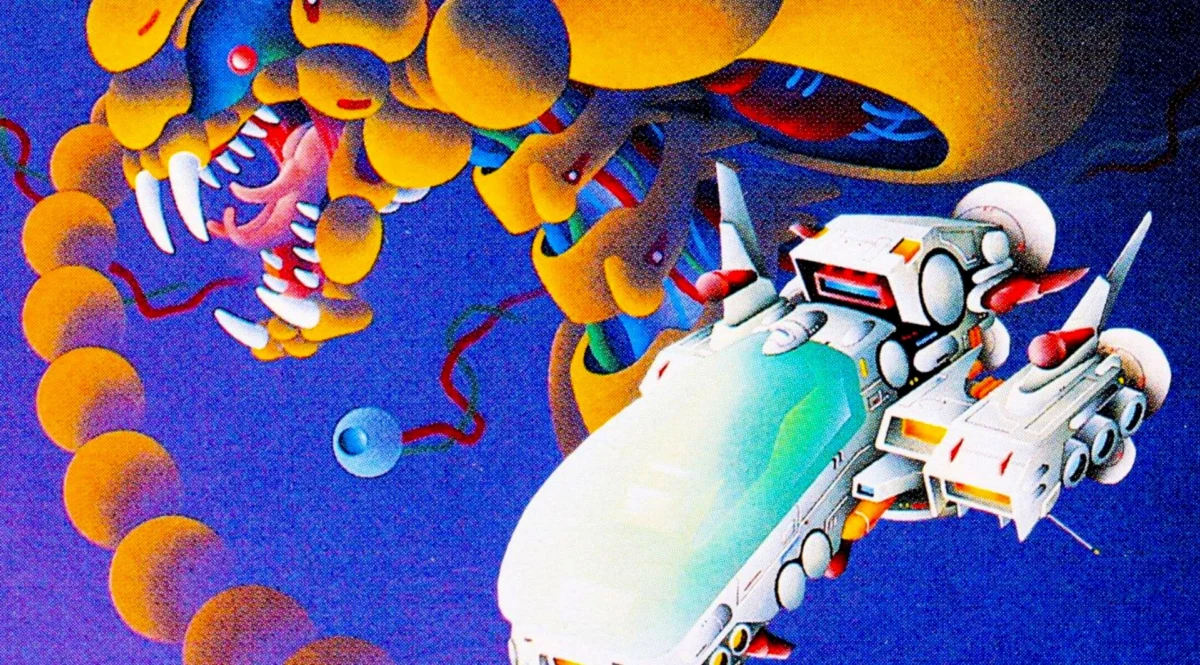
The retro gaming community witnessed a flurry of significant developments over the past week, spanning fan-driven projects, major corporate initiatives, and crucial preservation efforts. From the resurrection of long-lost content in classic titles to ambitious cross-platform endeavors and critical discussions about corporate ethics, the landscape of vintage video games continues to evolve dynamically, blending nostalgia with modern innovation.
Unearthing Lost Content: Punch-Out!! NES’s Cut "Guest Stars" Revitalized in Fanmade Game Boy Color Remix
A fascinating development has emerged from the depths of gaming history, as a recently unearthed prototype of the 1987 NES classic Punch-Out!! has yielded previously unseen content. This discovery is now inspiring a new fan-made title, Steel Joe’s Punch Out!! B-Side, slated for the Game Boy Color. The project aims to integrate the "guest stars" originally cut from the iconic Nintendo Entertainment System boxing game, offering fans an unprecedented glimpse into the game’s early development.
The original Punch-Out!!, released by Nintendo in North America in 1987 (following its Japanese Famicom debut as Mike Tyson’s Punch-Out!! in 1987), quickly became a cornerstone of the NES library. Known for its distinct character designs, strategic gameplay, and memorable opponents, the title has enjoyed enduring popularity. The revelation of a prototype build, which surfaced earlier this year, sent ripples through the preservation community, highlighting elements that did not make it into the final retail version. Among these were various character cameos and stylistic choices that offer a window into the creative process at Nintendo R&D3.
Steel Joe’s Punch Out!! B-Side is being developed by an independent team of dedicated fans, leveraging the capabilities of the Game Boy Color to faithfully recreate the NES experience while incorporating these rediscovered elements. "The excitement around the prototype was palpable," stated a representative from the Steel Joe’s development team, who wished to remain anonymous due to the unofficial nature of the project. "We felt it was a unique opportunity to bring these lost pieces of history to life in a playable format, while also celebrating the GBC’s impressive technical prowess for a handheld." The choice of the Game Boy Color is particularly noteworthy, as it allows for a distinct portable interpretation that honors the era while providing a fresh perspective on the classic. This initiative underscores the passionate dedication of the retro gaming community to not only preserve gaming history but also to actively explore and expand upon it through creative fan projects, often walking a fine line concerning intellectual property but generally tolerated for non-commercial, appreciative works.
MiSTer FPGA Expands Horizons with RetroAchievements Integration
The MiSTer FPGA platform, renowned for its hardware-accurate emulation of classic gaming systems, has taken a significant leap forward with the integration of RetroAchievements support. Developer Odelot has successfully forked several popular MiSTer FPGA cores, enabling users to unlock achievements and track their progress across a wide array of retro titles. This development bridges the gap between the authenticity of FPGA-based hardware recreation and the modern gaming convenience of achievement systems.
MiSTer FPGA, short for "Multi-video game System — The Era Reborn," utilizes Field-Programmable Gate Arrays to re-implement the original hardware logic of vintage consoles and arcade machines. This approach results in a level of accuracy and minimal input lag that software emulation often struggles to achieve, making it a favorite among purists and competitive retro gamers. RetroAchievements, on the other hand, is a community-driven platform that adds a layer of gamification to classic titles by creating bespoke achievement sets for thousands of games, fostering a competitive and collaborative environment among retro enthusiasts.
Odelot’s initiative introduces support for a comprehensive list of iconic platforms, including the NES, SNES, Genesis/Mega Drive, Master System, Game Gear, Game Boy, Game Boy Color, Nintendo 64, PlayStation (PSX), and Neo Geo. These modified cores are now available for download from Odelot’s GitHub repository, allowing MiSTer users to easily update their systems and begin earning achievements. "Integrating RetroAchievements into MiSTer was a natural evolution," commented an industry observer familiar with the MiSTer ecosystem. "It combines the best of both worlds: the unparalleled accuracy of FPGA with the engaging, community-driven challenge of achievements. This makes retro gaming on MiSTer even more compelling for a broader audience." The technical feat involved carefully modifying each core to communicate with the RetroAchievements server while maintaining the integrity and performance of the original hardware simulation. This enhancement is expected to further boost MiSTer’s popularity and foster increased engagement within both the MiSTer and RetroAchievements communities.
Neo Geo Resurgence Fuels Ambitious 8-Player Cross-Platform Party Game
The recent announcement of the Neo Geo AES+ console has ignited a fresh wave of interest in SNK’s legendary platform, providing a fertile ground for both official and homebrew content. Capitalizing on this renewed attention, the ambitious party game Overserved: Food Fighters from Project Neon developer FULLSET has emerged, promising an unprecedented 8-player cross-platform experience across an eclectic mix of consoles, including the Sega Saturn, Nintendo Switch, and other modern platforms.
Overserved: Food Fighters was initially teased in February 2025 on forums like Arcade-Projects.com, but it gained significant traction following Plaion’s reveal of the Neo Geo AES+ in the previous week. FULLSET’s subsequent tweet, strategically timed to coincide with the AES+ buzz, brought the project into the spotlight. The game, described as a chaotic food-themed brawler, aims to support up to eight players simultaneously, a remarkable feat made even more impressive by its commitment to cross-platform play that spans decades of console technology.
The Neo Geo, originally launched by SNK in 1990, was famously dubbed the "Rolls-Royce of video game consoles" due to its exorbitant price point and arcade-perfect conversions. Its recent revival through the AES+ seeks to make the system more accessible at a $250 price tag, with new games retailing for $80. This move by SNK (via Plaion) has inadvertently created an ideal ecosystem for third-party and homebrew developers like FULLSET to showcase their work to a broader, invigorated audience.
"The Neo Geo AES+ announcement was a game-changer for us," stated a representative from FULLSET. "It provided the perfect moment to re-introduce Overserved: Food Fighters to the world. We’re pushing the boundaries of what’s possible with cross-platform multiplayer, especially integrating a console like the Sega Saturn. It’s a huge technical challenge, but one we believe will deliver a truly unique and memorable party experience." The inclusion of the Sega Saturn, a 32-bit console from the mid-1990s, presents particular engineering hurdles for network play, requiring sophisticated middleware and potentially dedicated server infrastructure to bridge the gap with contemporary systems like the Nintendo Switch. If successful, Overserved: Food Fighters could set a new benchmark for retro-inspired cross-platform development, demonstrating the enduring appeal and adaptability of classic gaming concepts in a modern, connected world.
R-Type DX: Music Encore Set for Modern Platform Resurrection
City Connection, a prominent name in retro game preservation and re-releases, has officially announced the release date for R-Type DX: Music Encore. This upcoming compilation will bring the classic Game Boy Color ports of the seminal arcade shoot ’em ups, R-Type and R-Type II, to modern gaming platforms later this month. The package will also feature a special new mode allowing for seamless, back-to-back playthroughs of both iconic titles.
The R-Type series, developed by Irem, holds a legendary status within the shoot ’em up genre, known for its challenging gameplay, intricate level design, and innovative "Force" weapon system. The original R-Type debuted in arcades in 1987, followed by R-Type II in 1989. The Game Boy Color received its own unique compilation, R-Type DX, in 1999, which garnered praise for its impressive technical execution on the handheld system, offering surprisingly faithful adaptations of the arcade experiences. This GBC version featured colorized graphics and optimized gameplay for the portable format, making it a cult classic among handheld enthusiasts.
City Connection’s R-Type DX: Music Encore aims to faithfully port these GBC versions, not merely the arcade originals, to contemporary consoles and PC, ensuring that a significant piece of handheld gaming history is preserved and made accessible. "The R-Type DX on Game Boy Color was a remarkable achievement for its time," said a spokesperson for City Connection. "We believe it deserves to be experienced by a new generation of players, and by those who cherished it on the original hardware. The ‘Music Encore’ mode is our way of adding extra value, allowing players to fully immerse themselves in the combined legacy of these two great games." The "Music Encore" mode suggests a focus on the acclaimed soundtracks of the R-Type series, allowing players to enjoy an extended, curated audio-visual experience as they navigate the perilous Bydo Empire. This re-release highlights a growing trend in the industry to not only remaster console and arcade classics but also to bring beloved handheld iterations to a wider audience, recognizing their unique contributions to gaming history.
Sega Universe Initiative Signals Revival of Classic Franchises
Sega, a company with one of the richest and most diverse intellectual property catalogs in gaming history, has announced a new initiative in Japan titled ‘Sega Universe.’ Headlined with the evocative slogan "No Old, Stay Gold," the project appears to be a concerted effort to revive and re-engage with a selection of its beloved classic franchises. The announcement was accompanied by a dedicated social media account and a tantalizing teaser video, generating considerable excitement among long-time fans.
The list of IPs prominently featured in the initial announcements includes an impressive array of titles: OutRun, the iconic arcade racer; NiGHTS into Dreams, the critically acclaimed Saturn platformer; Sakura Wars, the popular tactical RPG series; Segagaga, a unique Dreamcast RPG that parodied Sega itself; and Guardian Heroes, a highly regarded Saturn beat ’em up. This selection indicates a broad strategic approach, touching upon various genres and eras of Sega’s past, from its arcade dominance to its console-era cult classics.
Sega’s history is punctuated by numerous attempts to reintroduce or update its older IPs, with varying degrees of success. Recent years have seen successful fan-driven revivals like Streets of Rage 4 (developed by Dotemu, Lizardcube, and Guard Crush Games) and the continued relevance of the Sonic the Hedgehog franchise. However, other attempts have struggled to capture the magic of their predecessors. The ‘Sega Universe’ initiative suggests a more unified and potentially larger-scale approach than previous, more isolated revivals.
Industry analysts are keenly observing the scope and ambition of this project. "The ‘No Old, Stay Gold’ slogan perfectly encapsulates the delicate balance Sega needs to strike," remarked gaming industry consultant, Dr. Eleanor Vance. "It’s about honoring the legacy while making these franchises relevant for a modern audience. The challenge will be in determining whether ‘revival’ means direct sequels, remakes, reboots, or perhaps even new multimedia adaptations." The creation of a dedicated social media presence and teaser video before specific game announcements suggests a long-term strategic vision, potentially involving collaborations with external studios or internal teams focused on specific IP clusters. This initiative could mark a significant turning point for Sega’s classic library, potentially leading to a new era for some of gaming’s most cherished franchises.
Atari Bolsters Emulation Expertise with Implicit Conversions Acquisition
Atari, under its modern leadership, has continued its strategic expansion into the retro gaming market with the acquisition of Implicit Conversions, an emulation-based studio. This move follows a series of high-profile acquisitions in recent years, including Digital Eclipse and Nightdive Studios, further solidifying Atari’s position as a major player in the preservation, remastering, and re-release of classic video games, particularly those from the PlayStation 1, PlayStation 2, and PlayStation 3 eras.
Atari’s current business model heavily emphasizes leveraging its vast brand recognition and historical catalog, alongside acquiring studios proficient in modernizing vintage titles. Digital Eclipse, acquired in 2023, is celebrated for its meticulously crafted retro compilations, such as Teenage Mutant Ninja Turtles: The Cowabunga Collection and Street Fighter 30th Anniversary Collection, which often include extensive historical context and development insights. Nightdive Studios, acquired in late 2024, is renowned for its expertise in remastering and porting classic PC games to modern consoles, demonstrated by titles like Quake Remastered and System Shock Remake.
Implicit Conversions, while perhaps less publicly known than its newly acquired sister studios, has earned a reputation within the industry for its highly technical approach to emulation, particularly its capability to bring complex classic games to contemporary platforms, often with enhanced features and stability. Their work, described in a previous Time Extension feature, focuses on overcoming the significant technical hurdles associated with porting games from older, often proprietary, architectures to current-generation hardware.
"The acquisition of Implicit Conversions is a clear signal of Atari’s commitment to becoming the undisputed leader in classic game preservation and monetization," stated Mr. David Chen, a financial analyst specializing in the gaming sector. "By integrating a studio with such specialized emulation expertise, Atari can efficiently expand its reach into the PlayStation era and beyond, an area rich with beloved titles that require sophisticated technical solutions for modern platforms." This strategic move enables Atari to not only enhance the quality of its upcoming retro releases but also to potentially accelerate the pace at which it can bring a wider array of classic titles to market, catering to the ever-growing demand for accessible vintage gaming experiences.
The Ethical Conundrum: Supporting SNK in 2026
The retro gaming world is currently grappling with a significant ethical dilemma following the re-entry of the Neo Geo console into the market. Once an aspirational, ultra-premium system, the Neo Geo, through its new iteration, the Neo Geo AES+, has been announced at a far more accessible price point of $250, with new games set to retail at $80. This affordability, a stark contrast to the original hardware’s prohibitive cost which often necessitated a "remortgage your house" jest, has generated considerable excitement. However, this enthusiasm is tempered by critical questions surrounding the ultimate beneficiaries of these sales.
The moral quandary stems from the current ownership structure of SNK Corporation, the legendary Japanese company behind the Neo Geo. As of 2021, the majority stakeholder in SNK is the Electronic Gaming Development Company (EGDC), a subsidiary wholly owned by the Public Investment Fund (PIF) of Saudi Arabia. The PIF is the sovereign wealth fund of Saudi Arabia, chaired by Crown Prince Mohammed bin Salman. While the PIF has made substantial investments in various global technology and entertainment companies, its funding source and the human rights record of the Saudi Arabian government have become subjects of international scrutiny and widespread criticism.
For many consumers, the allure of owning a new Neo Geo console or playing new games for the system clashes with their ethical considerations regarding financial support for entities linked to controversial regimes. "It’s a difficult position for fans," remarked Dr. Anya Sharma, a cultural studies academic focusing on consumer ethics. "On one hand, there’s a deep love for the Neo Geo’s legacy and the desire to experience new content for it. On the other, there’s the increasing awareness that consumer choices have broader implications beyond mere entertainment. This isn’t just about SNK, but a wider discussion about ethical consumption in an increasingly globalized and interconnected economy."
The price point of $250 for the console and $80 per game, while lower than the original, still represents a significant investment, making the decision to purchase a more deliberate act than, say, a budget indie game. This situation forces retro gaming enthusiasts to weigh their passion for the hardware and software against their personal ethical boundaries, highlighting the complex interplay between corporate finance, international politics, and individual consumer conscience in the modern entertainment landscape.
Documenting Nintendo’s Untamed History in Brazil
The history of Nintendo in Brazil presents a uniquely complex and challenging narrative, shaped by a confluence of governmental policies, rampant piracy, a thriving grey market, and the often unpredictable decisions of its licensors. This intricate web of factors, compounded by linguistic barriers, has historically made reliable English-language information on Nintendo’s Brazilian journey exceedingly difficult to obtain. However, a significant effort is now underway to meticulously document this fascinating chapter of gaming history.
This ambitious undertaking has led researchers to engage with key figures from Playtronic, the official Nintendo distributor in Brazil from 1993 to 2003. Among them is Eliana Rocca, a former Playtronic marketing assistant, who facilitated contact with Pablo Miyazawa. Miyazawa, also a former Playtronic employee who later transitioned into journalism, has dedicated the past two years to writing a crowdfunded book on this very subject, titled Nintendistas.
Brazil’s economic and political landscape in the late 20th century created a distinct environment for the video game market. High import tariffs, strict government regulations, and economic instability often made official distribution challenging and expensive. This fostered a robust parallel market for imported consoles and pirated games, creating a unique consumer culture where unofficial channels often dictated availability and pricing. Nintendo’s official entry through Playtronic (a joint venture between Gradiente and Estrela) attempted to bring order to this chaotic market, but the legacy of the grey market and piracy continued to influence its operations.
"Documenting Nintendo’s history in Brazil is akin to piecing together a complex mosaic with many missing or obscured tiles," explained Pablo Miyazawa. "It’s not just a story of products and sales, but of cultural adaptation, legal battles, and the sheer ingenuity of fans and entrepreneurs operating under difficult conditions. Nintendistas aims to provide a comprehensive, insider perspective on this incredible journey." The crowdfunding success of Nintendistas underscores the strong community interest in preserving these often-overlooked regional histories. This project is not merely a chronicle of a corporation’s business operations; it is a vital cultural document, shedding light on how a global brand navigated and adapted to a distinct local market, ultimately enriching the broader understanding of video game history worldwide.