
 Hartono Sudibyo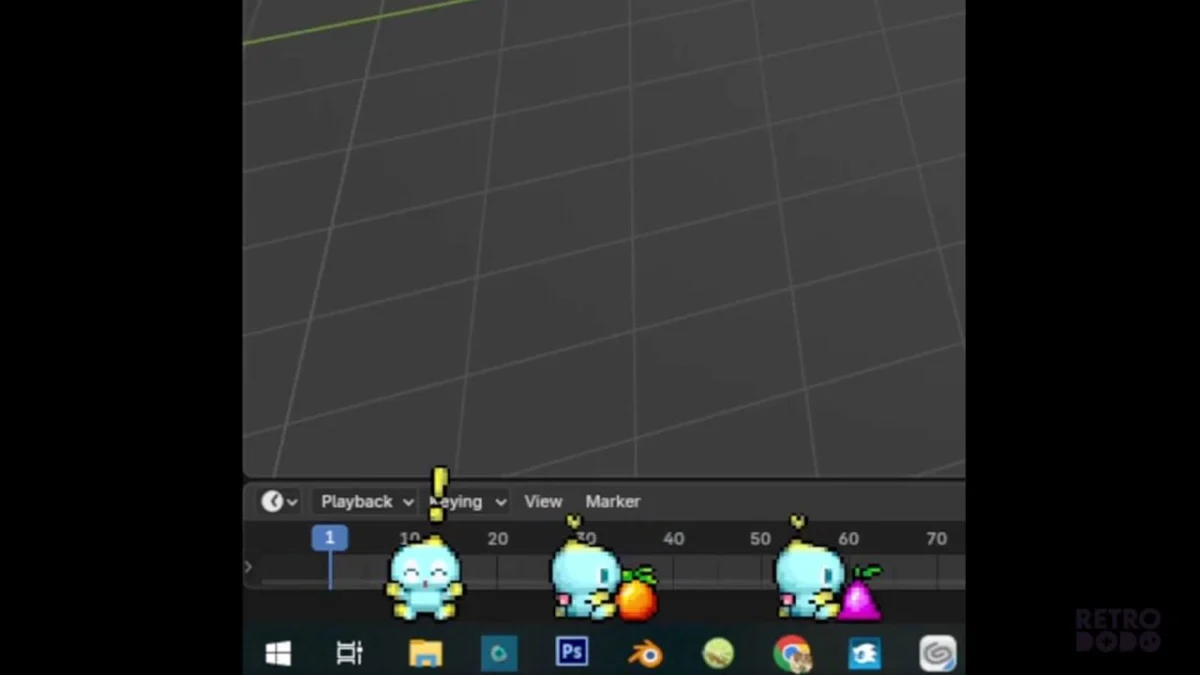
The nostalgic allure of desktop companions, once a popular distraction for early computer users, has been revitalized with the release of a new application that brings the beloved Chao from the Sonic Adventure series to the Windows taskbar. Developed by Millow Doe and available on itch.io, "Chao Desktop Pet" allows users to interact with these virtual creatures, reminiscent of the Tamagotchi craze and early digital pets that populated personal computers throughout the late 1990s and early 2000s. This innovative application taps into a deep well of nostalgia for fans of the Sonic Adventure franchise, offering a unique way to engage with a cherished element of the game’s lore.
The Resurgence of Desktop Companions
The concept of desktop pets gained significant traction in the late 1990s and early 2000s, with applications like Nanashi no Game (also known as On-chan) and the ever-present Clippy from Microsoft Word capturing the imagination of computer users. These digital entities would roam across the user’s desktop, offering a sense of companionship and lighthearted entertainment, often serving as a welcome diversion from work or study. The appeal lay in their interactive nature and the novelty of having a virtual presence within the digital workspace. While the prevalence of such applications waned with the evolution of operating systems and user interfaces, the underlying desire for engaging digital companions has persisted, finding new avenues in modern software development.
The release of the Chao Desktop Pet marks a significant revival of this genre, specifically targeting fans of Sega’s iconic Sonic the Hedgehog franchise. The Chao, first introduced in Sonic Adventure in 1998 and prominently featured in Sonic Adventure 2 and its enhanced version Sonic Adventure 2 Battle, are unique virtual creatures that players could raise, nurture, and evolve within the Chao Garden. These creatures became a beloved aspect of the game, fostering a strong emotional connection with players who invested considerable time in their development. The prospect of having these creatures inhabit their desktop environment evokes a powerful sense of nostalgia and offers a tangible connection to a cherished gaming memory.
Development and Availability
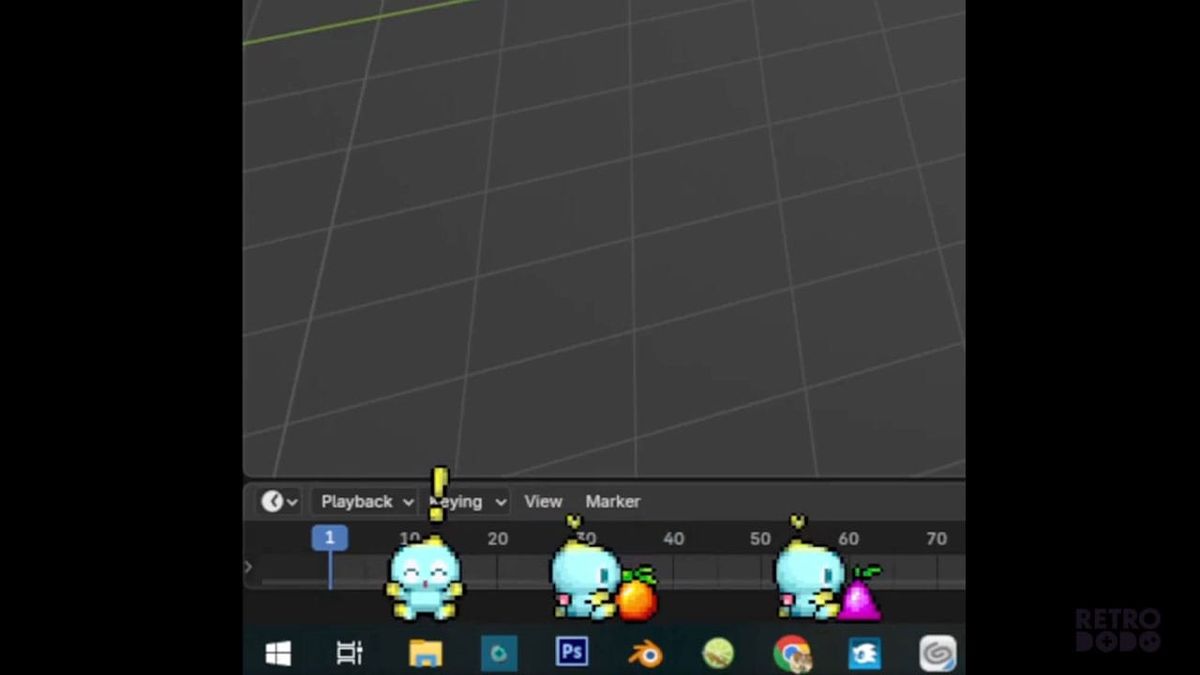
Millow Doe’s "Chao Desktop Pet" aims to replicate the experience of interacting with these virtual creatures outside of their original game environment. The application, currently available on the indie game platform itch.io, allows users to download and install a Chao that will reside on their Windows taskbar. According to initial announcements and user testimonials, the Chao will exhibit various behaviors, including walking, eating, and playing, creating a dynamic and engaging presence on the user’s screen. The developer’s tweet, dated April 22, 2026, excitedly proclaimed, "CHAO DESKTOP PET IS NOW AVAILABLE! This is a small desktop game that gives you a Chao that walks and does other activities around your taskbar!" This announcement was accompanied by a visual demonstration of the pet in action, generating immediate interest from the Sonic fan community.
Features and Current Limitations
The "Chao Desktop Pet" is designed to be an interactive experience. Users are able to move and drag their Chao around the taskbar, and the creatures engage in various activities, such as eating and playing. The ability to have multiple Chao on the screen is also a feature, potentially amplifying the sense of a bustling virtual ecosystem. However, the application is currently in its early stages of development, and as such, comes with certain limitations.
As of its initial release, the application exclusively supports the neutral Chao color scheme, meaning users will primarily encounter the familiar blue Chao. The application is also exclusively compatible with Windows operating systems, excluding macOS and Linux users from participating in this nostalgic revival. Developers have acknowledged that a few minor bugs exist, which, intriguingly, appear to resolve themselves when more than one Chao is active on the screen. This peculiar bug behavior might suggest an underlying dynamic or interaction between multiple Chao that mitigates individual glitches, a point of curiosity for technical users and a subtle incentive to engage with the multi-Chao feature.
Historical Context of Digital Companions
The history of digital pets and desktop companions is rich and varied, dating back to the early days of personal computing. The concept of a virtual entity that requires care and attention can be traced back to the Japanese Tamagotchi, released by Bandai in 1996. This handheld digital pet became a global phenomenon, teaching a generation about responsibility and the ephemeral nature of digital life. Its success paved the way for a surge in similar products and software.
On personal computers, the trend manifested in various forms. Early examples included animated characters that would perform simple tasks or provide rudimentary assistance. Microsoft’s Clippy, introduced in 1997 with Office 97, was perhaps the most widely recognized, albeit often polarizing, desktop assistant. Clippy’s animated paperclip would offer context-sensitive help and suggestions, aiming to improve user productivity. While Clippy’s intrusive nature eventually led to its removal from later versions of Office, it remains a potent cultural touchstone for the era of interactive desktop elements.
The Chao Garden in Sonic Adventure 2 (2001) offered a more complex and engaging form of virtual pet ownership. Players could hatch Chao eggs, feed them fruits, and even have them mate, leading to the development of unique characteristics and appearances. The beloved nature of these creatures stems from their unique evolution paths, their endearing animations, and the sense of accomplishment players felt in raising them. The "Chao Desktop Pet" directly capitalizes on this established fondness, providing a way for fans to relive those experiences in a new, accessible format.

The Economic and Cultural Implications of Indie Development
The release of "Chao Desktop Pet" through platforms like itch.io highlights the growing significance of independent game development in keeping beloved gaming franchises and their associated experiences alive. Indie developers often have the freedom to explore niche interests and cater to specific fan bases that might be overlooked by larger, mainstream game studios. Millow Doe’s initiative exemplifies this, demonstrating a passion for the Sonic franchise and a desire to create something meaningful for its dedicated community.
Platforms like itch.io provide a low-barrier entry for creators to share their work and receive direct support from their audience. This model fosters a more direct relationship between developers and players, allowing for rapid feedback and iterative development, as evidenced by the acknowledgment of existing bugs and the promise of future updates. The success of such indie projects can also influence larger studios, demonstrating the market demand for certain types of content or experiences.
Future Prospects and Potential Enhancements
While the current iteration of "Chao Desktop Pet" focuses on the neutral Chao and Windows compatibility, the developer’s engagement with the community and the platform of itch.io suggest potential for future expansion. Fans of the franchise are likely to express a desire for the inclusion of other Chao types, such as the Hero and Dark Chao, each with their distinct personalities and visual styles. Expanding compatibility to other operating systems like macOS and Linux would also significantly broaden the application’s reach.
Furthermore, developers could explore deeper integration with the original Sonic Adventure games or offer more complex interaction mechanics. This could include features like customized feeding options, training mini-games, or even the ability to transfer Chao data between different installations of the desktop pet. The bugs that seemingly disappear with multiple Chao present might also hint at more complex AI or interaction systems that could be further developed, potentially leading to more sophisticated behaviors and emergent gameplay elements. The potential for a thriving ecosystem of desktop pets, inspired by this initial release, is significant.
Conclusion
The "Chao Desktop Pet" represents a delightful fusion of nostalgia and modern software innovation. By bringing the cherished Chao companions from the Sonic Adventure series to the Windows taskbar, Millow Doe has tapped into a deep well of affection for these virtual creatures. While currently limited in its scope, the application offers a charming and interactive experience for fans, reminiscent of the early days of desktop companions. As indie development continues to empower creators to cater to specialized audiences, projects like this highlight the enduring appeal of beloved gaming elements and the potential for them to find new life in unexpected formats. The future holds promise for further enhancements and broader compatibility, ensuring that these beloved virtual pets can continue to bring joy and a touch of playful distraction to users’ digital lives.








