Johny Imanuel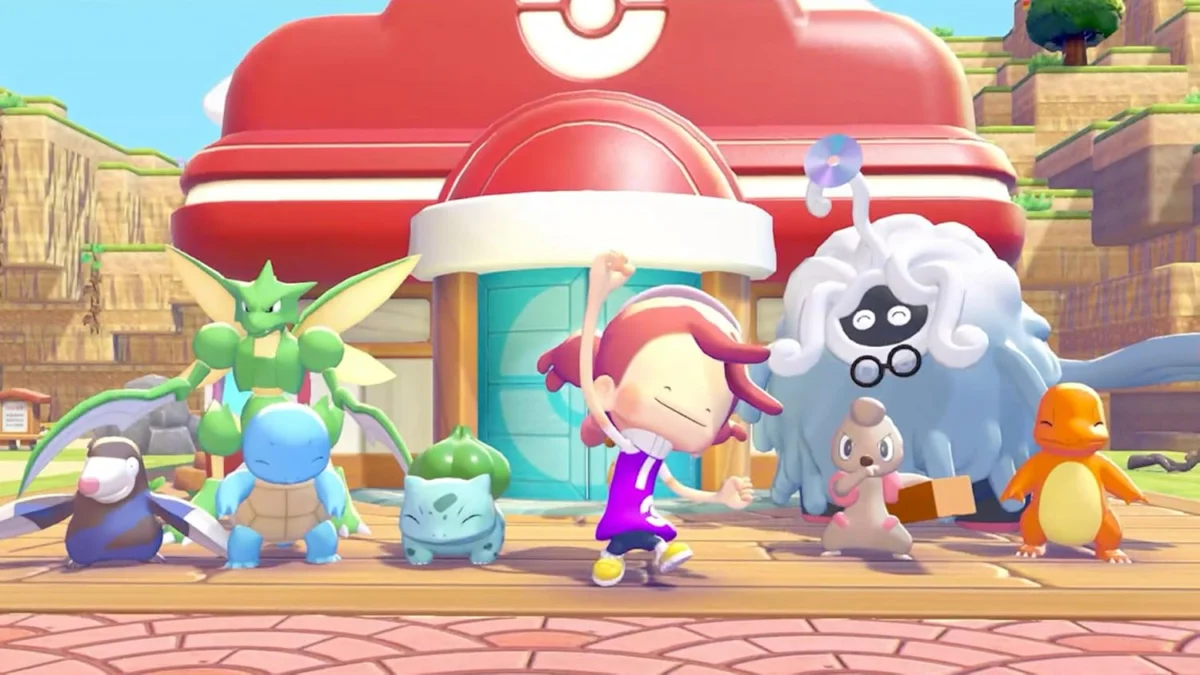
The most significant change introduced in Version 1.0.4 concerns the logistical management of the Pokemon Center, the central hub for player activity in each designated district. Previously, the game’s architecture prevented players from relocating the Pokemon Center if an in-game event was currently active. Given the frequency of these events, such as the Bulbasaur Jump Rope Contest or the Hoppip Breeze Festival, many players found themselves unable to optimize their town layouts for extended periods. With the new patch, Nintendo has implemented a system that allows for the seamless relocation of the building regardless of the current event schedule.
Addressing Environmental Glitches and Asset Persistence
One of the most visually disruptive bugs addressed in this update involved "ghost assets" left behind after a building was moved. Prior to the 1.0.4 update, players who successfully moved their Pokemon Center during an event would often find festival-specific decorations—such as banners, lights, and themed pedestals—floating in mid-air at the original coordinates. These assets were tied to the world-space coordinates rather than the building’s metadata, creating immersion-breaking visual artifacts that persisted until the event concluded.
The technical team at Nintendo and the collaborating developers have overhauled how event decorations are anchored. Following the update, all event-related assets are now dynamically parented to the Pokemon Center’s footprint. This ensures that when a player utilizes the town-planning interface to shift the building to a new location, all associated decorations move in tandem, leaving the previous site clear for new construction or landscaping. This change is expected to significantly improve the "Skyline Aesthetics" score, a key metric in the game’s progression system that rewards players for orderly and creative town layouts.
Enhancements to Cloud Island Trading and Shop Functionality
The patch also brings vital fixes to the Cloud Island regions, which serve as the game’s high-altitude expansion zones. A recurring issue had been reported regarding the Pokemon-run shops located within Pokemon Centers on these islands. During active events, the NPC (Non-Player Character) Pokemon tasked with managing these stalls would frequently become unresponsive. While the character models were present and visible, the interaction prompt would fail to trigger, preventing players from trading rare resources for event-exclusive items.
Version 1.0.4 ensures that shop-running Pokemon on Cloud Islands maintain their functionality regardless of concurrent festivities. This fix is particularly crucial for the Hoppip, Skiploom, and Jumpluff event cycle, where players are required to trade "Cloud Tuft" items for specialized gardening tools. By restoring these trade pathways, Nintendo has ensured that the game’s economy remains fluid and that players are not penalized for participating in late-game content during peak event windows.
Quest Stability and NPC Follower Improvements
Beyond the structural changes to buildings and shops, the update targets specific bottlenecks in the narrative and quest design. Pokemon Pokopia features a variety of location-based quests, with "Bleak Beach" and "Sparkling Skylands" being two areas frequently cited by the community for progression-blocking bugs. In several Bleak Beach missions, quest triggers would fail to activate if the player entered the zone while a weather-based event was occurring. The 1.0.4 patch recalibrates these triggers to ensure that quest progression remains a priority over environmental effects.
Furthermore, the update addresses the reliability of the game’s "Follower" system. Late-game quests often require the assistance of specialized NPCs, including Chef Dente, Peakychu, and the Tinkmaster. Before this patch, these characters would occasionally de-spawn or become stuck in the terrain geometry when transitioning between different elevation levels in the Sparkling Skylands. This forced players to restart their sessions or reload older save files to continue. The new patch optimizes the pathfinding AI for these followers, ensuring they remain tethered to the player character throughout the duration of their respective quest lines.
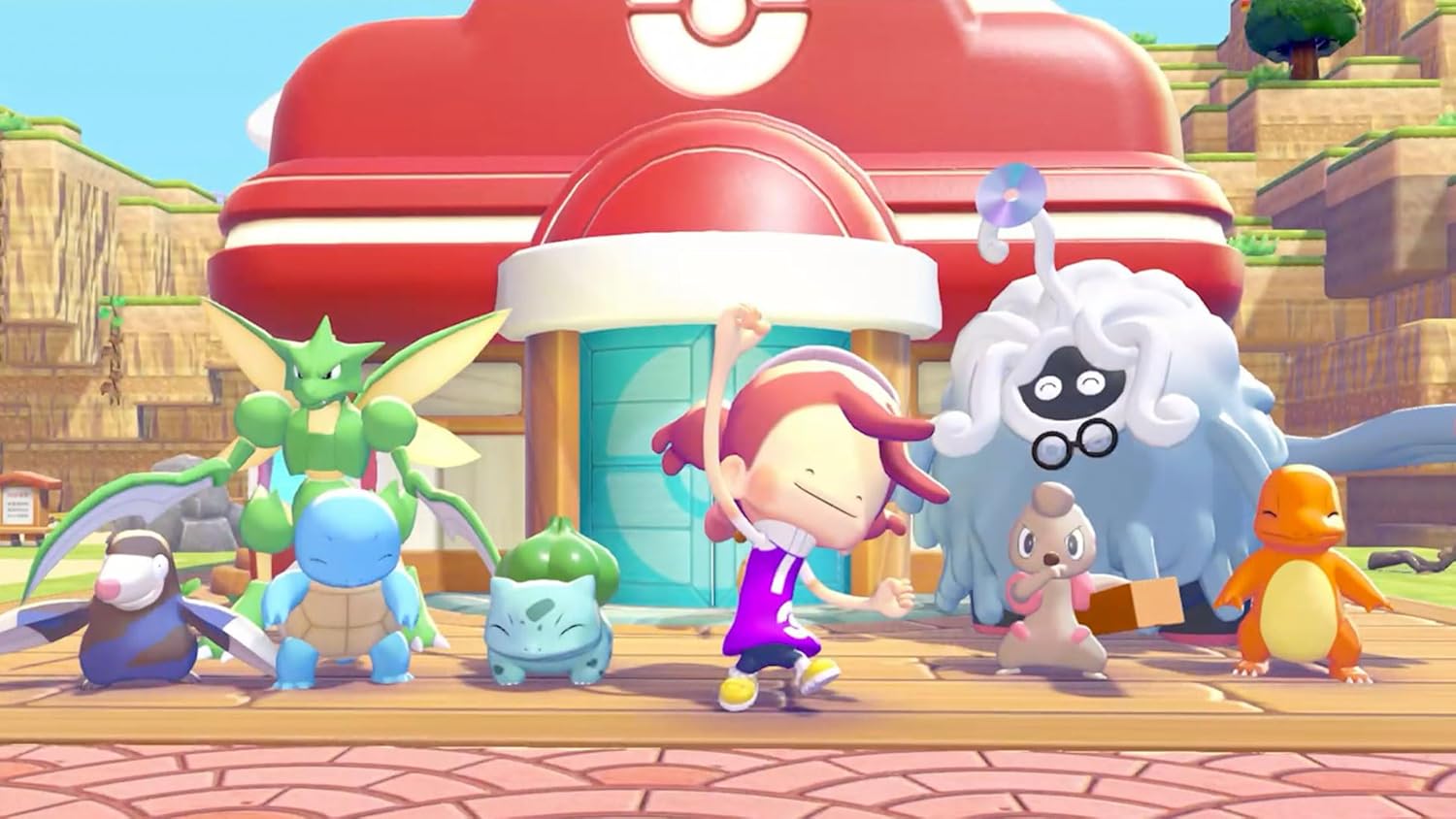
Additionally, a fix has been implemented for Professor Tangrowth, a pivotal character who provides players with research goals and town upgrades. Reports had surfaced of the Professor disappearing from towns entirely after players reached certain milestones in the "Greenery Initiative" storyline. Version 1.0.4 includes a "fail-safe" check that verifies the Professor’s presence upon every town load, ensuring he remains accessible for turning in completed research tasks.
Chronology of Updates and Community Impact
The release of Version 1.0.4 marks the fourth major stability update since Pokemon Pokopia’s debut. The timeline of the game’s post-launch support reflects a dedicated effort to refine the user experience on Nintendo’s new hardware.
- Version 1.0.1 (Launch Week): Focused on initial server stability and fixing crashes related to the "Cloud Sync" feature.
- Version 1.0.2 (Month 1): Addressed minor graphical glitches and balanced the drop rates for "Star Shards" in the Sparkling Skylands.
- Version 1.0.3 (Month 2): Introduced the first wave of event compatibility fixes, though it did not fully resolve the Pokemon Center relocation issue.
- Version 1.0.4 (Current): A comprehensive overhaul of building mechanics, NPC pathfinding, and event-related asset management.
Market analysts suggest that the continued support for Pokemon Pokopia is a strategic move by Nintendo to solidify the Switch 2’s library of "evergreen" titles. By addressing quality-of-life issues early in the console’s lifecycle, Nintendo is fostering a long-term player base for its spin-off titles, which often serve as a bridge between major "Core" series releases.
Broader Implications for the Pokemon Spin-off Strategy
The evolution of Pokemon Pokopia through these patches highlights a shift in how The Pokemon Company and Nintendo approach spin-off development. Unlike previous eras where spin-offs were often "one-and-done" releases, the current strategy involves a live-service model where player feedback directly influences the development roadmap. The specific nature of the 1.0.4 fixes—focusing on player agency in town customization—demonstrates an awareness of the "cozy gaming" demographic that prioritizes aesthetic control and smooth mechanical interactions.
The Bulbasaur jump rope contest and other community-driven events represent a push toward making the Pokemon world feel inhabited and reactive. However, as Version 1.0.4 illustrates, the complexity of layering these events over a customizable town-builder creates unique technical challenges. The resolution of the "floating decorations" bug is more than just a visual fix; it is a refinement of the game’s engine to better handle overlapping data sets (the player’s custom layout vs. the game’s temporary event assets).
Official Support and Future Outlook
Nintendo’s official support site has provided the full documentation for the 1.0.4 patch, encouraging players to ensure their systems are connected to the internet to receive the update automatically. While the patch notes are exhaustive regarding current bug fixes, the community remains hopeful for future content updates that might expand the "Pokopia" borders even further.
As the Pokemon franchise continues to expand on the Switch 2 hardware, the technical lessons learned from Pokemon Pokopia will likely inform the development of future titles. The move toward more complex, player-driven environments requires a robust framework that can handle high levels of customization without sacrificing performance. Version 1.0.4 is a significant step in that direction, providing a more stable and polished experience for fans of the burgeoning town-building genre within the Pokemon universe.
With the major relocation and NPC bugs now addressed, players can return to optimizing their districts and participating in the ongoing Hoppip and Bulbasaur events with greater confidence. The focus now shifts to the upcoming seasonal roadmap, as rumors of a "Spooky Woods" expansion continue to circulate among the dedicated player community. For now, Version 1.0.4 stands as a testament to the importance of post-launch support in maintaining the longevity and appeal of modern gaming experiences.