
 Hartono Sudibyo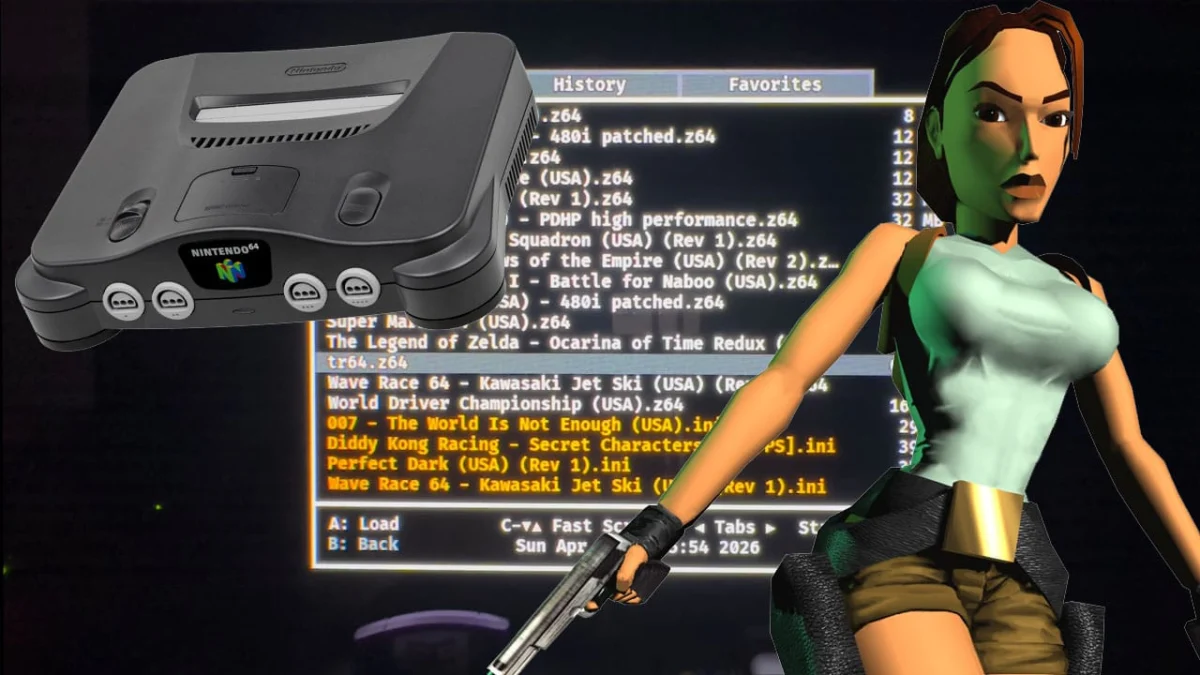
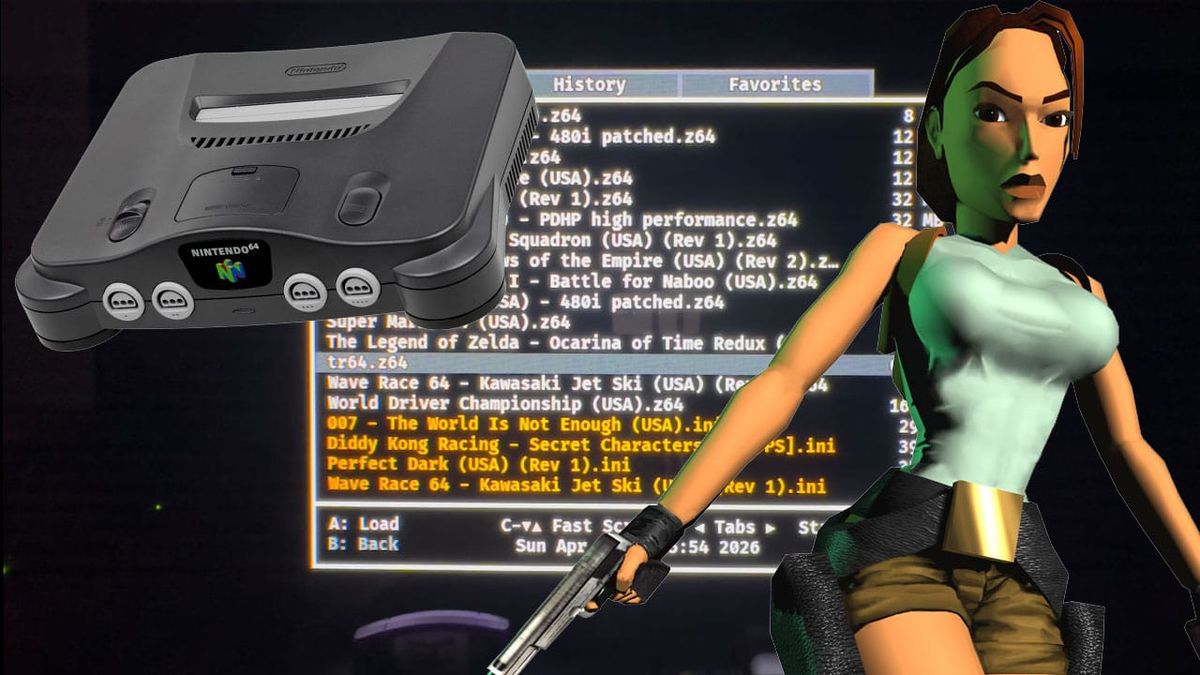
The enduring appeal of classic video games continues to fuel innovation, with a recent development bringing a highly anticipated title to a beloved retro console. Developer Snake has successfully ported the iconic Tomb Raider to the Nintendo 64, a feat previously thought improbable due to the console’s technical limitations and cartridge storage capacity. This achievement, showcased in a work-in-progress video, marks a significant moment for fans of both Tomb Raider and the Nintendo 64, fulfilling a long-held wish for a generation of gamers.
A Tale of Two Consoles: The 90s Gaming Divide
The mid-to-late 1990s were defined by a fierce rivalry in the home console market, primarily between Sony’s PlayStation (PS1) and Nintendo’s Nintendo 64 (N64). This era saw gamers aligning themselves with one platform or the other, influencing everything from playground conversations to personal purchasing decisions. While the PlayStation boasted a larger game library and the advantage of CD-ROM technology, allowing for larger game sizes and full-motion video cutscenes, the N64 countered with its powerful 64-bit architecture and a strong lineup of exclusive titles.
Games like The Legend of Zelda: Ocarina of Time, Super Mario 64, and GoldenEye 007 became synonymous with the N64, cultivating a dedicated fanbase. Conversely, PlayStation exclusives such as Final Fantasy VII, Metal Gear Solid, and Crash Bandicoot cemented its own legions of supporters. This console war created a distinct cultural divide, where owning one system often meant missing out on the defining experiences of the other.
Tomb Raider, with its groundbreaking 3D graphics and charismatic protagonist Lara Croft, emerged as a flagship title for the PlayStation. Its success was immense, selling millions of copies worldwide and establishing a franchise that continues to this day. For N64 loyalists, experiencing Tomb Raider typically required a visit to a friend’s house or an emulation solution, highlighting the perceived exclusivity of such landmark titles.
The Technical Hurdle: N64 Cartridges vs. PlayStation CDs
A significant factor in the platform disparity was the storage medium. PlayStation games utilized CD-ROMs, which offered approximately 650MB of storage space. This ample capacity allowed for expansive worlds, detailed textures, and extensive audio and video content. In contrast, Nintendo 64 cartridges, while offering faster loading times and greater durability, had much more limited storage. Standard N64 cartridges ranged from 8MB to 64MB, with some specialized cartridges pushing this limit further.
This discrepancy in storage capacity directly impacted game development. Developers on the N64 faced the challenge of optimizing game assets and content to fit within these tight constraints. As explored in previous discussions on retro gaming hardware, such as the context of the Nintendo 64DD’s larger diskettes, storage limitations were a constant consideration for developers working on the N64 platform. Many games that were released on PlayStation were simply too large to be ported to the N64 without significant compromises or complete redesigns.
The Dawn of a New Era: Homebrew and SDK Advancements
Fast forward to the present day, and the landscape of retro gaming has been dramatically reshaped by the persistent efforts of homebrew developers and the evolution of Software Development Kits (SDKs). These dedicated individuals and communities are leveraging modern tools and techniques to breathe new life into classic hardware, pushing the boundaries of what was once thought possible.
The successful port of Tomb Raider to the N64 is a testament to this ongoing evolution. Developer Snake has utilized a sophisticated combination of open-source tools and cutting-edge development practices to overcome the N64’s inherent limitations. The project leverages the Libdragon SDK, a powerful development framework for the Nintendo 64, along with the open-sourced TRX engine, a specialized tool for 3D game development on the platform. Additionally, the Tiny 3D APOI, provided by HailToDodongo, contributes essential rendering capabilities.
A Glimpse of the Future: The Work-in-Progress Revealed
The culmination of this development effort was recently showcased in a video demonstrating Tomb Raider running on an N64 cartridge. While still a work in progress, the footage offers a compelling preview of the game’s functionality on the retro hardware. The successful implementation on a 64MB cartridge signifies a remarkable achievement in game porting and optimization.

According to information available on GitHub, the core gameplay mechanics of Tomb Raider have been fully implemented within this N64 version. While the game is not yet available for public download, the developer’s progress suggests that a release could be imminent. This news has generated considerable excitement among retro gaming enthusiasts who have long dreamed of experiencing Lara Croft’s seminal adventure on their original N64 hardware.
Broader Implications and the Enduring Legacy of Retro Gaming
The successful port of Tomb Raider to the N64 has far-reaching implications for the retro gaming community and the broader preservation of video game history.
- Technical Prowess and Optimization: This project showcases an extraordinary level of technical skill and dedication. It demonstrates that with ingenuity and modern development tools, even seemingly insurmountable hardware limitations can be overcome. The meticulous optimization required to fit such a complex game onto a limited cartridge space is a remarkable feat of engineering.
- Expanding the N64 Library: The N64, while celebrated for its exclusives, was perceived by some as having a less diverse library compared to its contemporaries. This port effectively adds a major, genre-defining title to the N64’s playable catalog, offering a new way for fans to engage with a classic.
- Preservation and Accessibility: Homebrew projects like this play a crucial role in the preservation of video game history. By bringing games to original hardware, they ensure that these experiences remain accessible to future generations on the platforms they were originally intended for. This contrasts with relying solely on emulation, which can sometimes introduce inaccuracies or require more powerful hardware.
- Inspiration for Future Projects: The success of this Tomb Raider port is likely to inspire other developers to tackle similarly ambitious projects. It sets a new benchmark for what can be achieved with retro consoles, potentially leading to ports of other highly sought-after titles that were previously considered impossible.
- The Analogue 3D Connection: For individuals who have invested in modern retro-inspired hardware, such as the Analogue 3D console, this port offers a highly anticipated title to experience on their new systems. The seamless integration of these homebrew releases with contemporary retro hardware enhances the overall retro gaming ecosystem.
A Look Ahead
The development of Tomb Raider for the Nintendo 64 is a testament to the enduring passion for classic video games and the innovative spirit of the developer community. As the project nears completion, anticipation is building for its official release. This achievement not only fulfills a nostalgic desire for many but also highlights the ongoing evolution and vibrant future of retro gaming. The ability to play Lara Croft’s iconic adventures on a 64MB cartridge is a remarkable feat, proving that the spirit of innovation in the world of classic gaming is as strong as ever.








