Johny Imanuel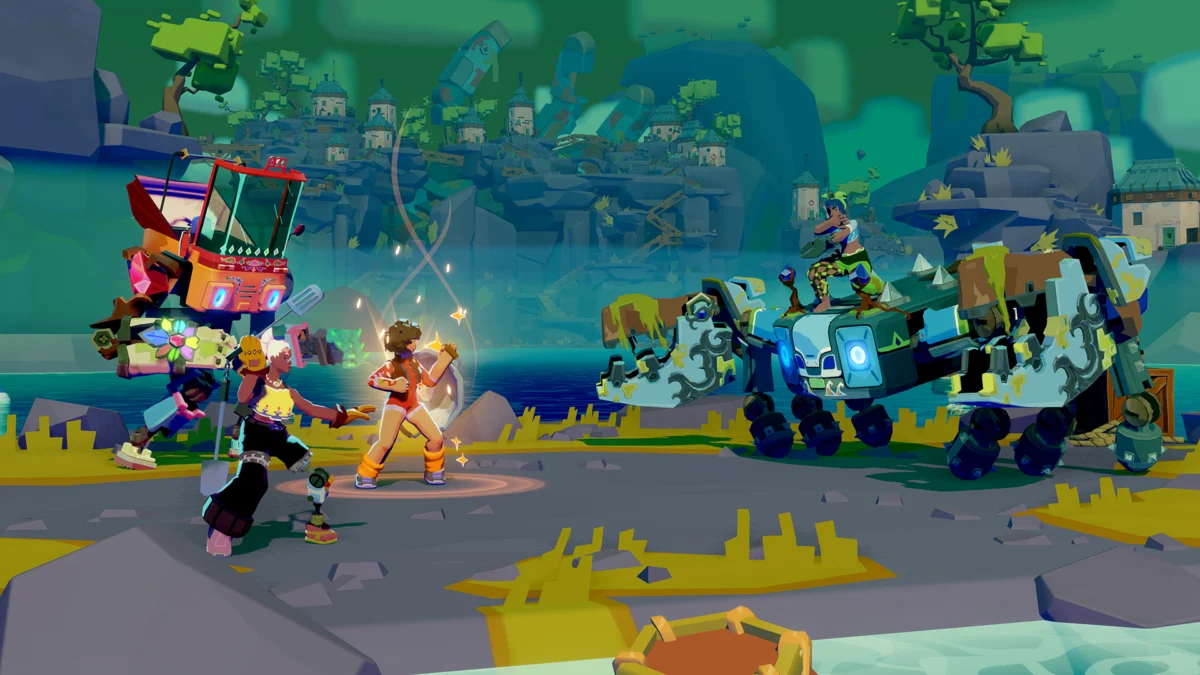
Outerloop Games, the Seattle-based independent studio recognized for its culturally focused narratives in titles such as Falcon Age and Thirsty Suitors, has officially released its latest project, Dosa Divas. Available across multiple platforms, including the Nintendo Switch, the recently launched Switch 2, PlayStation 5, Xbox Series X, and PC, the title continues the studio’s tradition of blending specific gameplay genres with deep explorations of familial relationships and South Asian heritage. Dosa Divas centers on the intersection of culinary tradition and resistance against corporate homogenization, presenting a narrative that pits artisanal cooking against a dystopian food conglomerate.
Narrative Architecture and the Conflict of LinaMeals
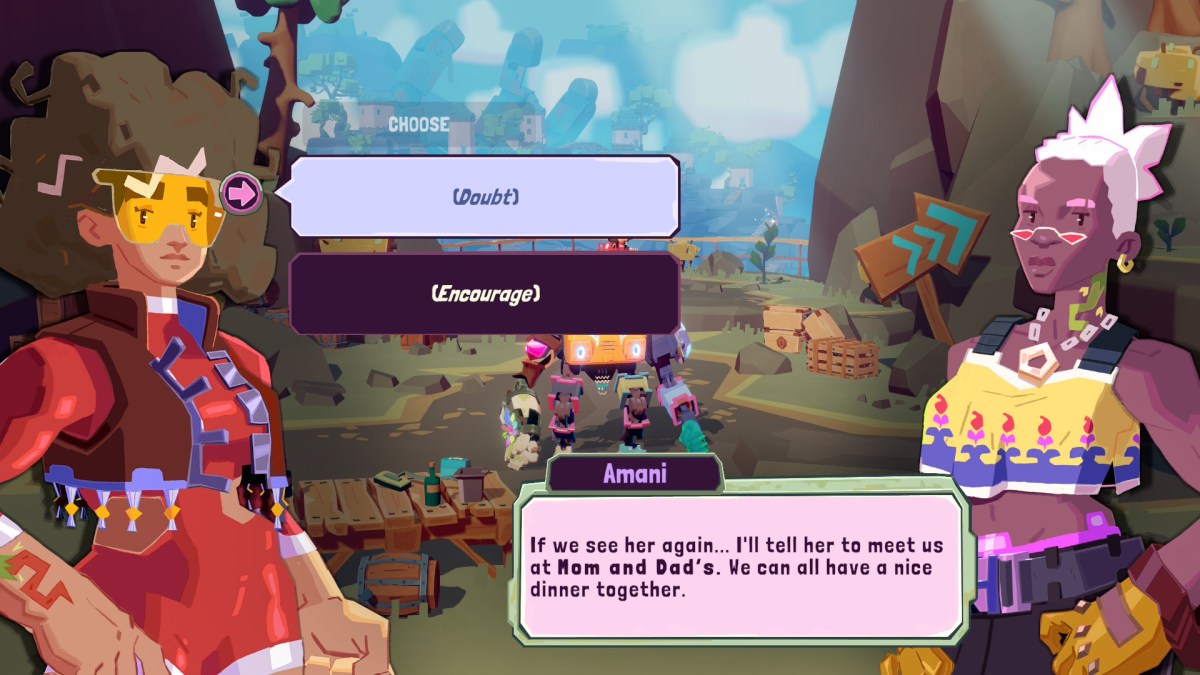
The narrative of Dosa Divas is structured around three sisters—Amani, Samara, and Lina—whose family legacy was built upon a successful local restaurant. The story commences in medias res, following a period of significant family fracture. Amani, the eldest sister and former head chef, returns to her home island after a long absence in a foreign country. Her return serves as the catalyst for the game’s primary conflict: the rise of LinaMeals.
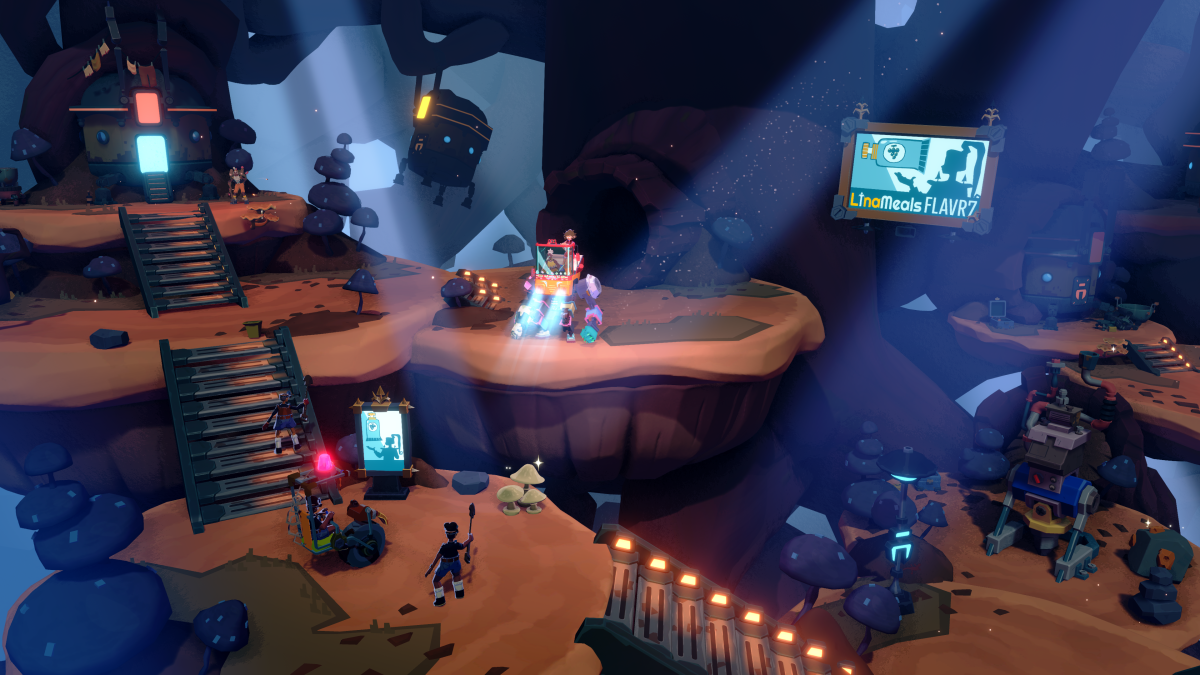
Lina, the youngest sister, has transformed the family’s culinary heritage into a corporate entity known as LinaMeals. This corporation has effectively monopolized the local food industry by distributing "food in tubes," a processed alternative to traditional home-cooked meals. To maintain market dominance, LinaMeals employs "battle-ready lawyers" who actively prevent citizens from engaging in independent cooking. This premise serves as a direct critique of late-stage capitalism and the erasure of cultural identity through industrialization.
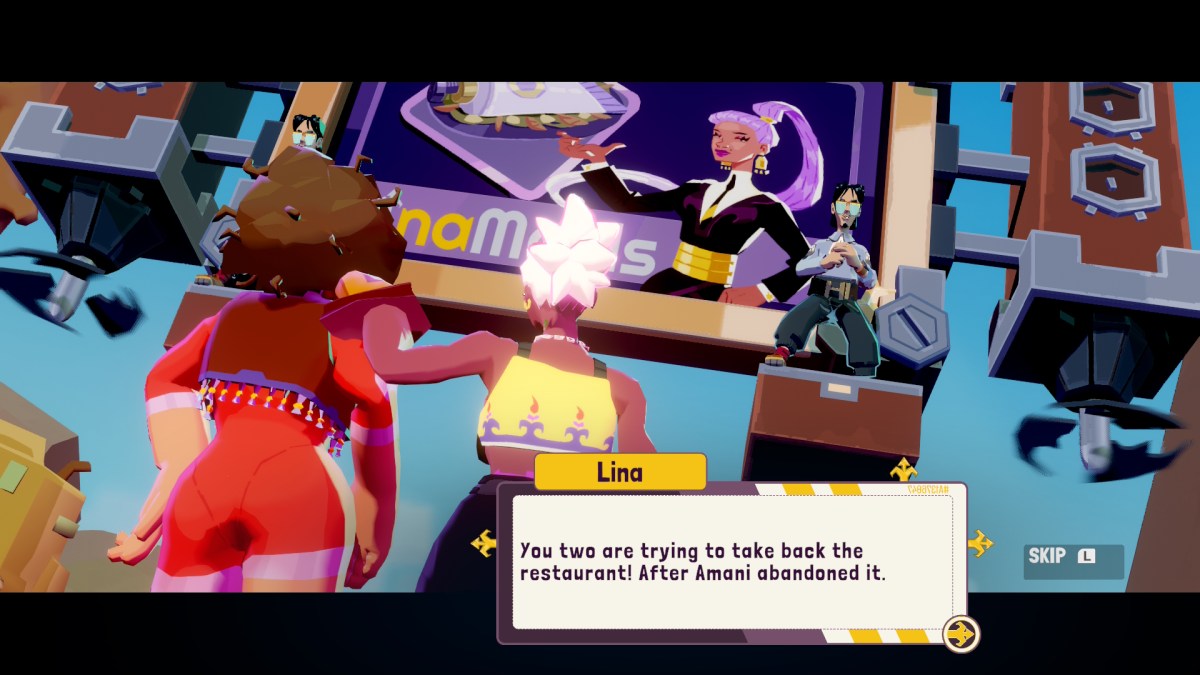
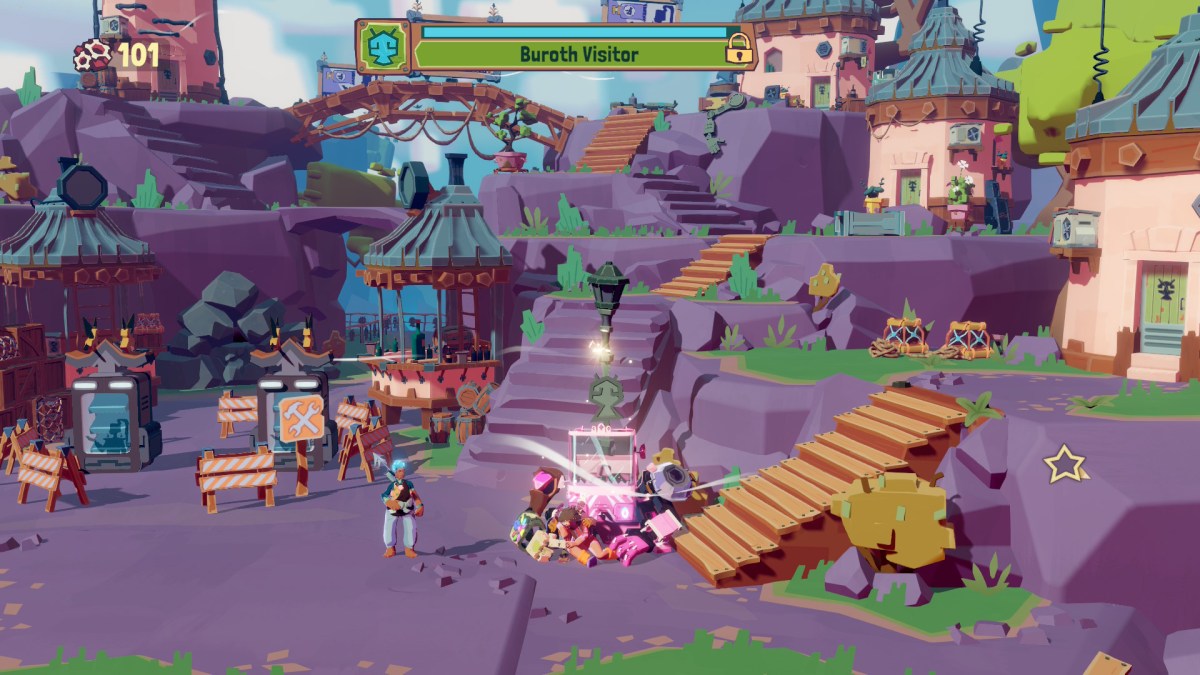
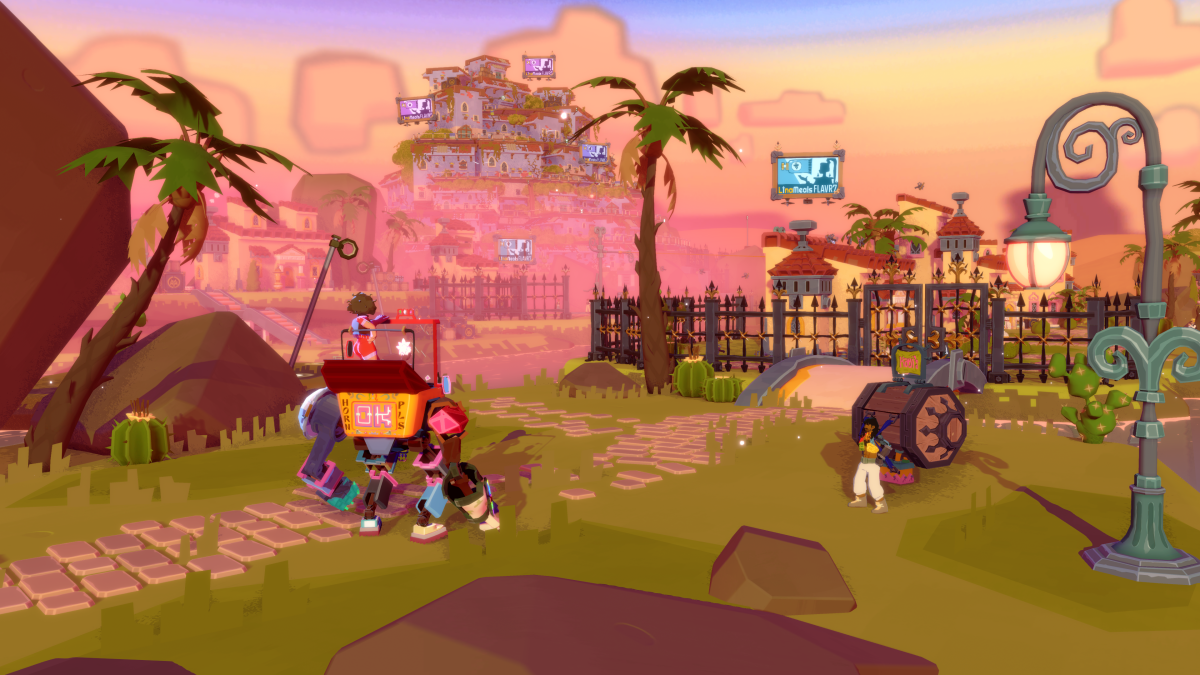
The secondary protagonist, Samara, remains caught in the middle of this sibling rivalry, grappling with feelings of guilt regarding the original dissolution of the family business. As Amani and Samara attempt to reconnect, they embark on what is effectively a reputation rehabilitation tour. Players must navigate various villages, tearing down corporate advertisements and performing community service to restore faith in traditional cooking and the family name.
Chronology of Development and Release
The path to the release of Dosa Divas follows a distinct timeline within Outerloop Games’ development cycle:
- Late 2023: Following the critical success of Thirsty Suitors, Outerloop Games began conceptualizing a project that would shift the focus from romantic reconciliation to sibling dynamics and broader societal issues.
- 2024–2025: Development focused on refining a turn-based combat system that integrated culinary themes, moving away from the skating mechanics seen in previous titles toward a more traditional RPG structure.
- Early 2026: The title was officially announced with a focus on its multi-generational platform support, specifically targeting the transition between the original Nintendo Switch and its successor.
- April 2026: Dosa Divas launched globally, accompanied by a Steam demo that allowed players to experience the initial village hub and the core cooking mechanics.
Gameplay Mechanics: The Spiritual Kitchen and Culinary Combat
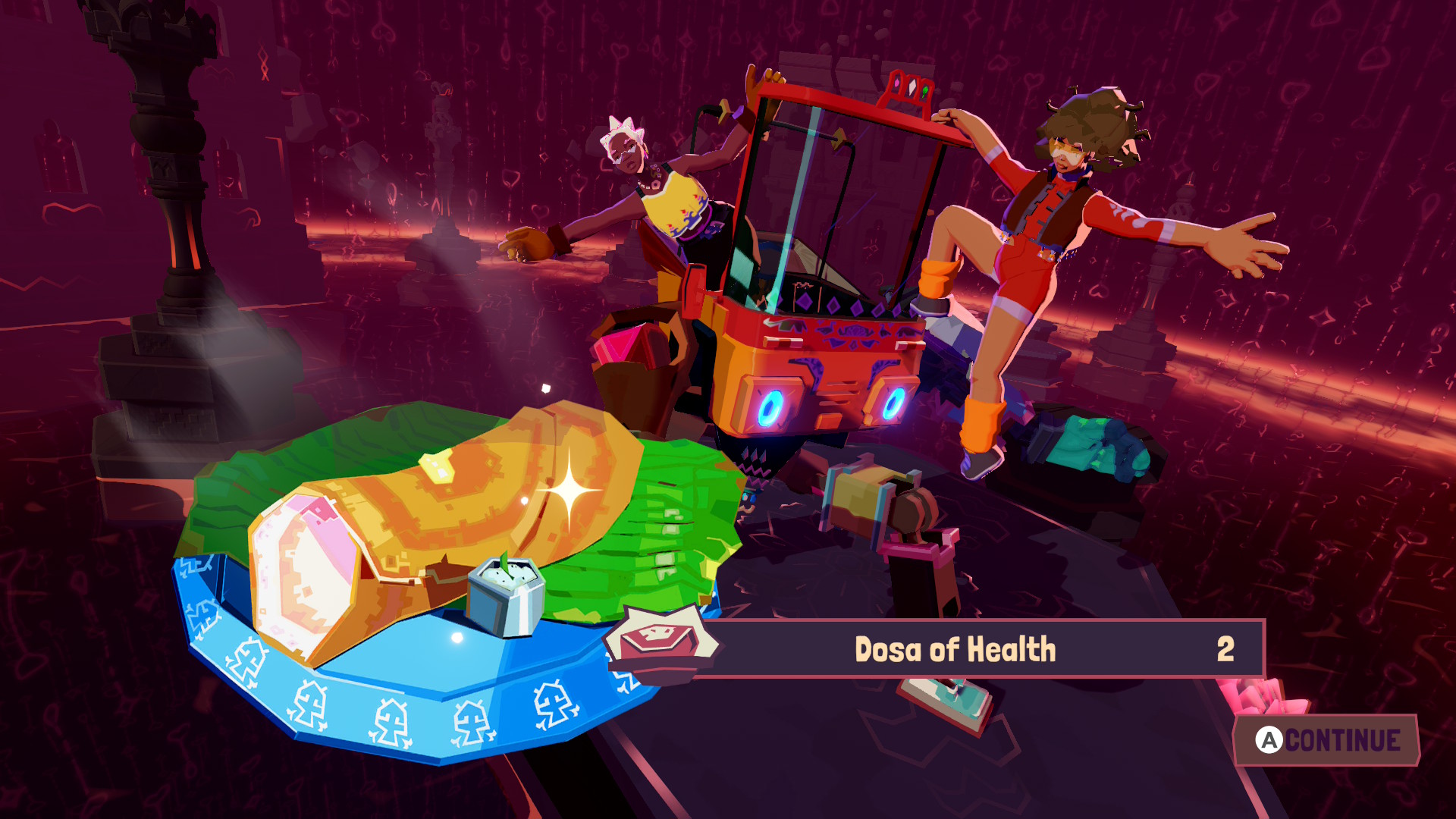
Dosa Divas utilizes a dual-loop gameplay system: exploration/resource gathering and turn-based combat. The cooking system, a central pillar of the experience, is framed as a ritualistic event. Players gather ingredients through environmental interaction, including foraging, shopping at local markets, and fishing.
The Cooking Synthesis
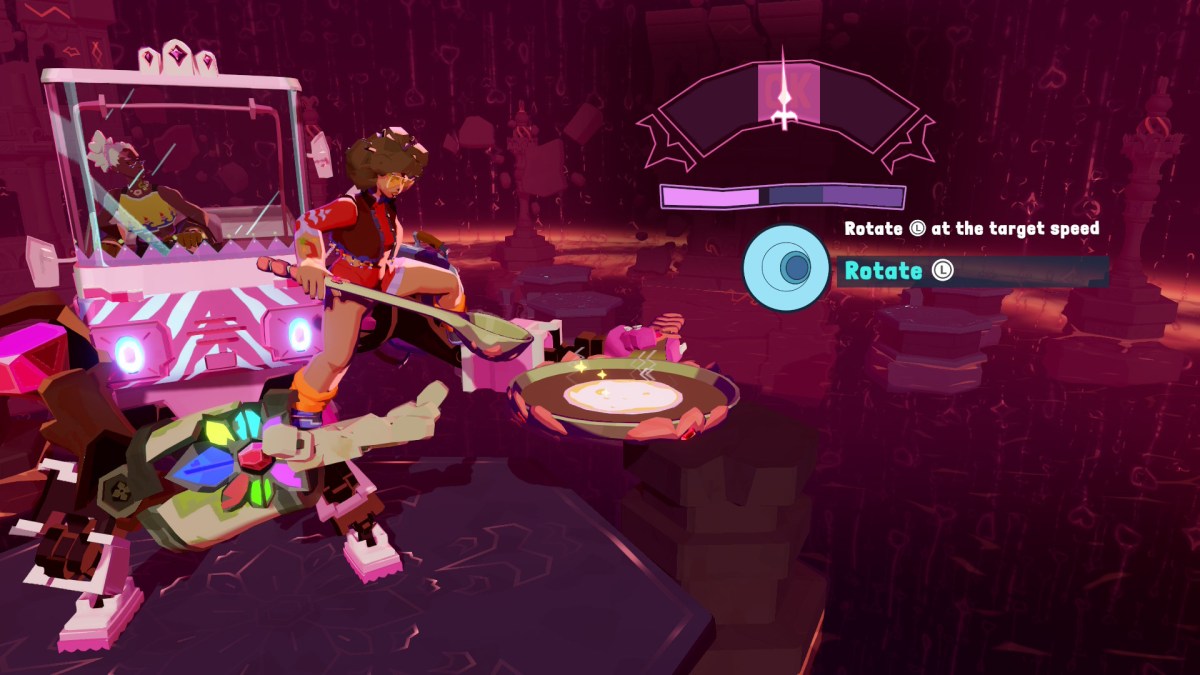
Cooking takes place in a "spiritual space" where the sisters interact with a mecha Goddess to prepare dishes. This process is governed by a series of mini-games and Quick Time Events (QTEs). Unlike traditional cooking simulators, Dosa Divas emphasizes rhythm and precision. However, the game has been noted for a steep learning curve due to a lack of formal tutorials in the early stages. Players must master gauges and button-mashing sequences to produce "ideal" meals, which in turn grant buffs and unlock new abilities for the party.
Combat and the "Stuffed" Mechanic
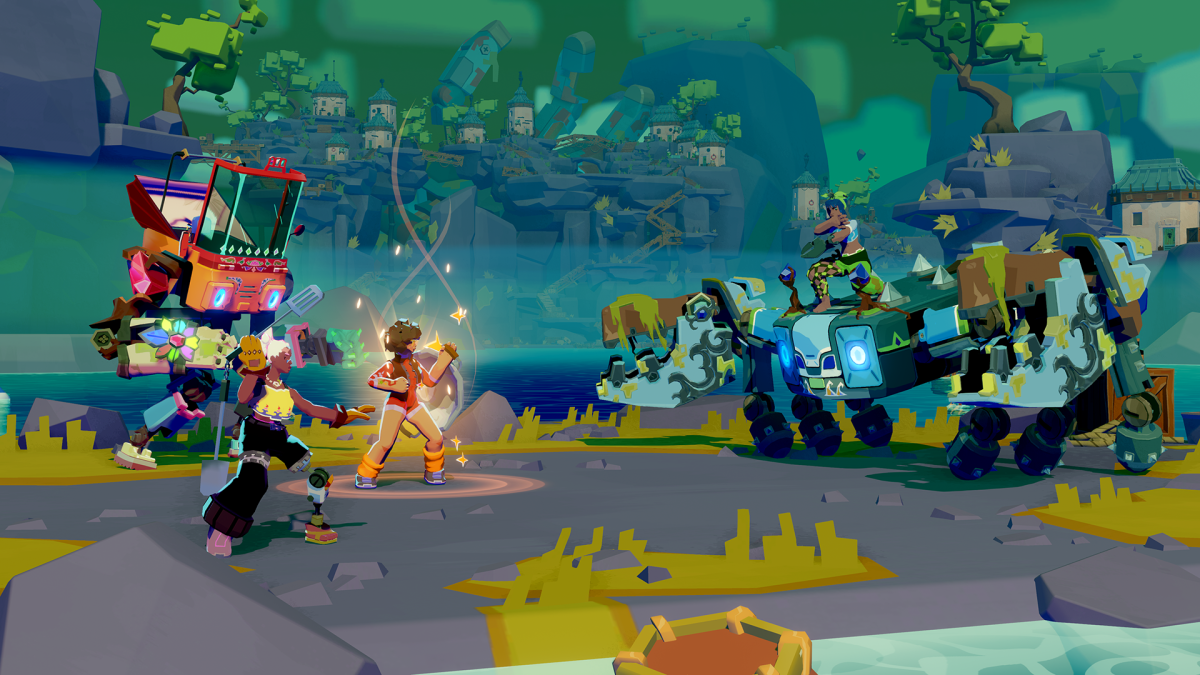
The combat system draws inspiration from established RPG franchises like Paper Mario and Mario & Luigi. Battles are turn-based but require active player participation during both offensive and defensive phases.
- Timed Hits: Players can maximize damage output by tapping buttons in sync with attack animations.
- Precision Blocking: Defensive maneuvers are critical, as enemies often initiate encounters with high-damage strikes. Negating damage requires precise timing, a mechanic that becomes increasingly demanding as the game progresses.
- Elemental Flavors: Enemies possess weaknesses based on flavor profiles (Sweet, Spicy, Sour, etc.). By exploiting these weaknesses, players can inflict the "Stuffed" status effect, which stuns the opponent and increases their vulnerability to subsequent attacks.
- Bravery System: Similar to the Bravely Default series, players can use a trigger-based buffing system to power up specific strikes at the cost of future turns or resources.
Supporting Data and Technical Performance
Initial player data and technical reviews indicate a disparity between the game’s narrative ambition and its mechanical execution. While the character portraits—designed with intricate detail to showcase hairstyles, accessories, and traditional clothing—have received high marks for artistic direction, the environmental models and NPC assets are reportedly less detailed.
Performance metrics on the Nintendo Switch 2 and PlayStation 5 show stable frame rates during combat transitions, though some users have reported input latency during high-intensity QTE sequences in the cooking mini-games. The game’s reputation system serves as the primary progression gate; players cannot advance to new regions until they have completed a specific quota of "community dishes" and side quests, a design choice that adds approximately 15–20 hours to the total playtime.
Official Responses and Creative Intent
While Outerloop Games has not issued a formal post-launch patch notes summary as of this writing, representatives from the studio have previously discussed the creative intent behind the game’s structure. In pre-release interviews, the development team emphasized that the in medias res beginning was a deliberate choice to simulate the feeling of an outsider returning to a changed home.
The studio’s goal was to move beyond the "showing" of backstory through cutscenes, instead opting for "contextual hints" found in the environment. However, industry analysts suggest that this narrative approach, combined with the "reputation tour" gameplay loop, may have contributed to the pacing issues noted by early adopters. The transition from the high-energy, stylized interactions of Thirsty Suitors to the more methodical, often tedious "backtracking" required in the endgame of Dosa Divas represents a significant shift in the studio’s design philosophy.
Broader Impact and Industry Implications
The release of Dosa Divas highlights several emerging trends in the independent gaming sector:
The Rise of Culinary RPGs
The integration of cooking as a primary combat and progression mechanic follows a growing interest in "cozy" gameplay elements within traditionally "hard" genres like the RPG. Dosa Divas attempts to bridge this gap by making the act of cooking both a narrative necessity and a mechanical requirement for survival in combat.
Corporate Critique in Interactive Media
By positioning a corporate entity (LinaMeals) as the primary antagonist, Outerloop Games joins a growing list of developers using the medium to comment on the loss of local culture to globalized capitalism. The game’s focus on "reclaiming" the kitchen serves as a metaphor for cultural preservation in the face of industrial efficiency.
Multi-Generational Platform Strategy
As one of the titles bridging the gap between the Nintendo Switch and the Switch 2, Dosa Divas serves as a case study for how independent developers manage hardware transitions. The game’s reliance on stylized art rather than hyper-realistic textures allows it to remain visually consistent across varying hardware specifications, though it highlights the limitations of lower-budget environmental assets.
In conclusion, Dosa Divas stands as an ambitious, if uneven, addition to the Outerloop Games portfolio. It successfully carries forward the studio’s commitment to exploring complex family dynamics and cultural identity. However, its reliance on demanding QTEs and a narrative structure that requires significant player inference may limit its appeal compared to the more streamlined experience of its predecessors. As the studio continues to iterate on this new formula, the industry will likely look to Dosa Divas as a benchmark for how cultural storytelling and mechanical complexity can be synthesized in the modern RPG landscape.