Cecilia Chamidah Nur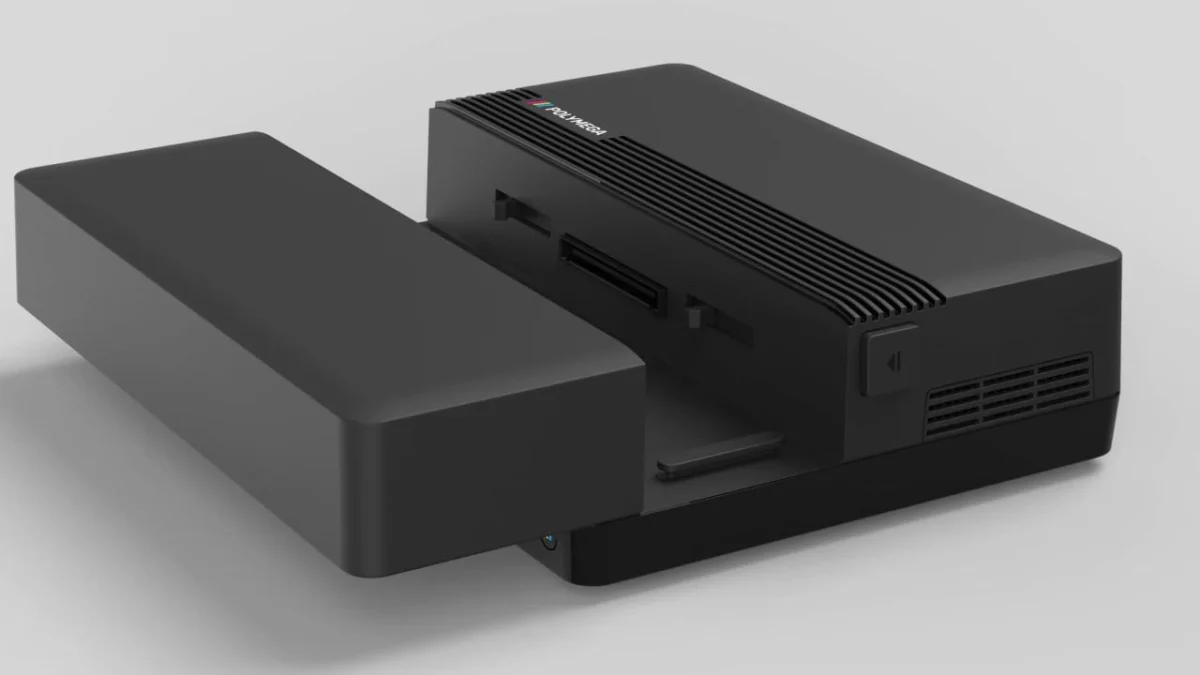
Playmaji, the innovative company behind the modular retro emulation system Polymega, has announced a substantial internal upgrade for its flagship Base Unit, alongside the introduction of the new Polymega Remix and a standalone Polymega App. This strategic dual-pronged approach aims to address past production hurdles, significantly enhance performance, and broaden the accessibility of its unique physical media-centric retro gaming ecosystem. The company confirmed that its "almost completely re-engineered" Polymega Base Unit will feature a suite of powerful hardware enhancements, while the new Polymega Remix will offer a more budget-friendly entry point for PC and handheld users to digitize and play their classic game collections.
A New Era for the Polymega Base Unit: Re-engineered for Performance
For over a year, Playmaji has grappled with "well-known challenges" in production and fulfillment, issues that have tested the patience of its dedicated fanbase. In response, the company has undertaken a comprehensive overhaul of its core hardware. The original PM01 Base Unit has been superseded by a significantly more potent iteration, promising a "several times more powerful" experience than its predecessor. Key specifications for this revised system include an increase in CPU cores, higher clock speeds, double the system RAM, expanded internal storage, and notably, quieter operation.
These internal enhancements are not merely incremental; they represent a fundamental shift designed to elevate the Polymega’s capabilities. The most immediate and significant benefit cited by Playmaji is a marked improvement in Nintendo 64 (N64) performance. N64 emulation is notoriously demanding due to its complex architecture, including unique graphics pipelines, memory management units, and CPU design. Many software and hardware emulators struggle to perfectly replicate the N64 experience without glitches, slowdowns, or graphical inaccuracies. The upgraded hardware in the new Polymega Base Unit is specifically engineered to tackle these challenges head-on, promising a smoother, more accurate, and more enjoyable N64 gaming experience for users. This directly addresses a long-standing desire within the retro gaming community for robust N64 emulation on dedicated hardware.
Existing pre-orders for the Polymega Base Unit will automatically be upgraded to this new, more powerful system at no additional cost—a significant gesture of goodwill from Playmaji to its patient customer base. The company plans to re-open pre-orders for the upgraded Base Unit in early Summer, indicating a renewed confidence in its production capabilities and supply chain. Further hardware details are expected to be released closer to the pre-order window.
The Genesis of Polymega: A Vision for Physical Media Preservation
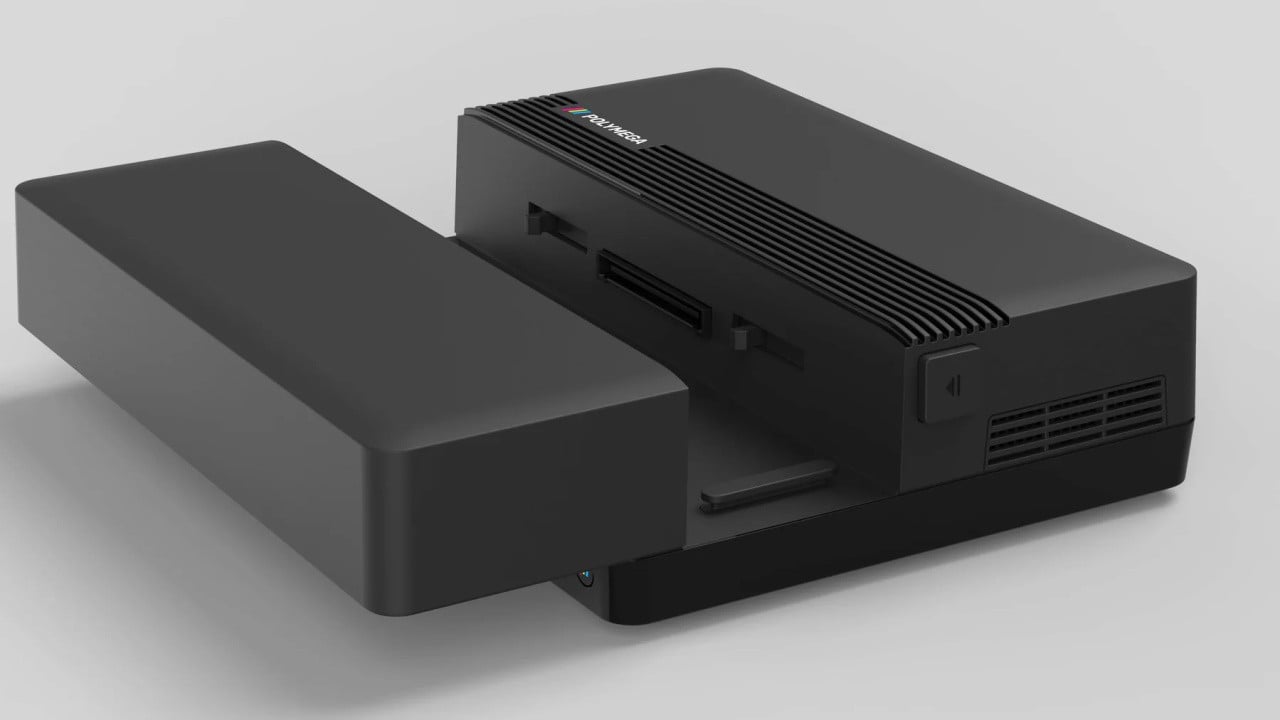
To fully appreciate the significance of these announcements, it’s crucial to understand the Polymega’s journey and its unique position in the retro gaming landscape. First conceptualized as the "RetroBlox" in the mid-2010s, Playmaji’s vision was to create a modular console capable of playing original physical retro game media—CDs, cartridges, and even optical discs—across multiple generations and regions. Unlike pure software emulators or FPGA-based systems that require digital ROMs, Polymega aimed to bridge the gap between physical collection and modern convenience.
The original Polymega Base Unit (PM01) launched with a unique design featuring a disc drive for CD-ROM based systems (PlayStation, Sega CD, TurboGrafx-CD, Neo Geo CD, etc.) and a series of swappable Element Modules. These modules, sold separately, would plug into the Base Unit, providing cartridge slots and controller ports for systems like the NES, SNES, Genesis, and later, the N64. This modularity was a key selling point, allowing collectors to consolidate their vast libraries into a single, elegant system. The console’s operating system also boasted a sophisticated game database, automatically identifying inserted games, downloading box art, and categorizing them for an intuitive, Netflix-like browsing experience.
However, the journey was not without its tribulations. From initial crowdfunding campaigns to product launch, Playmaji faced numerous delays, production bottlenecks, and supply chain issues that became "well-known challenges" within the community. The high price point of the Base Unit and its accompanying Element Modules also positioned it as a premium product, limiting its market reach. Despite these hurdles, the Polymega garnered a loyal following attracted by its unique blend of physical media support, modern user interface, and commitment to preservation. The long-awaited N64 module, a particularly complex piece of hardware and software to develop, became a focal point for performance expectations, highlighting the need for more robust internal processing power.
Polymega Remix: Democratizing Retro Preservation
Beyond the Base Unit upgrade, Playmaji unveiled an entirely new product line: the Polymega Remix, accompanied by a dedicated Polymega App. This initiative represents a significant expansion of Playmaji’s ecosystem, aiming to make its core technology more accessible and flexible. The Polymega Remix is designed specifically for "retro game collectors with a compatible PC or handheld device" who desire to preserve their physical game collections but prefer to leverage existing computing hardware for gameplay.
The Remix is a compact, USB-connected peripheral that functions as an external game reader. Users connect Remix to their Windows 11-compatible device (including laptops, PC-gaming handhelds like the Steam Deck or ROG Ally, and Intel Macs at launch, with more platforms planned) and launch the free Polymega App. The process is straightforward: insert CD-based games directly into the Remix, or slot cartridges into Element Modules (sold separately) which then connect to the Remix. The Polymega App then facilitates the digitization of these physical games, allowing users to install them onto their device’s storage. Once digitized, users can disconnect the Remix and enjoy their games anytime, anywhere, powered by the Polymega App.
This approach offers unprecedented flexibility. Collectors can create a digital library of their physical games, freeing them from the constant handling of fragile media. The ability to play on PC-gaming handhelds transforms retro gaming into a truly portable experience, moving beyond the confines of a dedicated console or home setup. The Polymega App itself is a powerhouse, mirroring the premium console interface, complete with the acclaimed Polymega game database, various Virtual Display modes (for authentic aspect ratios and scanline filters), Patch Support, Custom Playlists, Extended Set game installations (for multi-disc games or special editions), and Polymega Collection game support.
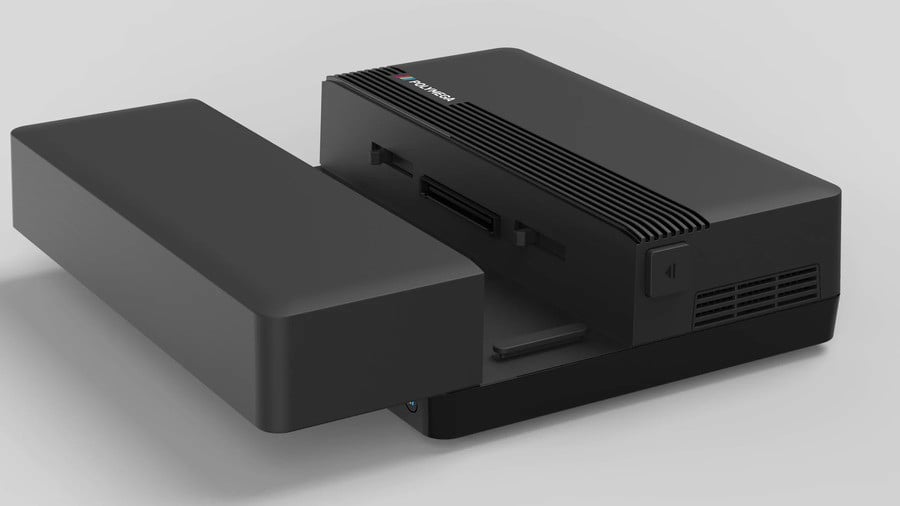
Crucially, the Polymega Remix arrives with an aggressive price point of just $199 USD. This makes it "the most affordable way ever to get into Polymega," dramatically lowering the barrier to entry compared to the full Polymega Base Unit. This strategic pricing is likely to attract a broader segment of the retro gaming market, particularly those who already own capable PCs or handhelds and are looking for a seamless, database-driven solution for managing their physical collections.
Chronology of Availability and Future Outlook
The rollout plan for these new offerings is phased:
- Polymega Base Unit (Upgraded Version): Existing pre-orders are automatically upgraded. New pre-orders are slated to re-open in "early Summer," signaling a readiness for a more consistent production cycle.
- Polymega App Early Access: Set to launch in May as a free download directly from the Polymega website. This will be critical for establishing the software ecosystem that underpins the Remix.
- Polymega Remix: Mass production has reportedly completed, with units currently en route to Playmaji’s facilities. Pre-orders for the Remix opened on Thursday, April 16 (from the context of the original announcement). However, a significant detail is the shipping timeline: units are expected to begin shipping in May 2026. This nearly two-year lead time between pre-order and delivery is substantial and will require careful communication and expectation management from Playmaji, given the company’s past challenges with timely fulfillment.
Broader Impact and Strategic Implications
These announcements mark a pivotal moment for Playmaji and hold several significant implications for the retro gaming market:
1. Addressing Past Criticisms and Rebuilding Trust: The internal upgrade of the Base Unit, coupled with the free upgrade for existing pre-orders, directly addresses performance concerns (especially N64) and acknowledges past production difficulties. This move can help rebuild trust and goodwill within the community, demonstrating Playmaji’s commitment to its product and customers.
2. Expanding Market Reach and Accessibility: The Polymega Remix is a game-changer for market penetration. By offering a $199 peripheral that leverages existing PC hardware, Playmaji makes its sophisticated game database, preservation features, and user interface accessible to a much wider audience. This directly competes with simple USB cartridge readers and optical drives by offering a far more refined and feature-rich experience. It also positions Polymega as a viable option for the rapidly growing PC-gaming handheld market, tapping into a demographic that values portability and versatility.
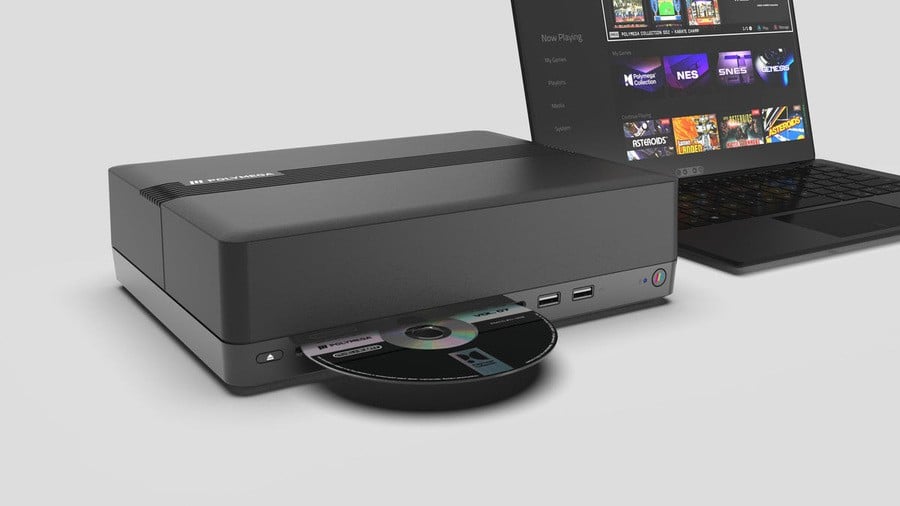
3. Diversification of the Product Line: Moving beyond a single, premium console, Playmaji is now offering a tiered product strategy. The upgraded Base Unit continues to cater to enthusiasts seeking an all-in-one, dedicated console experience, while the Remix targets PC users looking for a more flexible, cost-effective solution. This diversification reduces reliance on a single product and broadens potential revenue streams.
4. The Polymega App as a Platform: The free Polymega App is the glue that holds the Remix experience together. Its launch as an Early Access download signals Playmaji’s intent to build a robust software platform. If successful, the app could potentially evolve into a standalone emulation frontend, further expanding Playmaji’s influence beyond its proprietary hardware. The promise of "more platforms through the coming months" suggests ambitions beyond Windows and Intel Macs, possibly including Linux, ARM-based systems, or even mobile platforms, which could significantly increase its reach.
5. Competition in the Retro Gaming Space: The retro gaming market is dynamic, with strong competition from FPGA-based solutions (like Analogue consoles and MiSTer FPGA), open-source software emulators (e.g., RetroArch, Dolphin, Project64), and other multi-system devices. Playmaji differentiates itself through its emphasis on physical media preservation, its polished user interface, and its curated game database. The Remix, in particular, carves out a unique niche by offering a hardware-accelerated physical media solution tethered to a powerful software frontend on a PC.
6. Managing Expectations for Remix Shipping: The May 2026 shipping date for the Remix is a significant factor. While it allows ample time for manufacturing and quality control, it also creates a long waiting period for consumers. Playmaji will need to maintain consistent communication and transparency throughout this period to prevent a repeat of past frustrations and build confidence among early adopters. The success of the free Polymega App in May will be crucial in keeping interest alive and demonstrating the software’s capabilities well before the Remix hardware arrives.
In conclusion, Playmaji’s latest announcements signal a proactive effort to overcome past hurdles and significantly expand its footprint in the retro gaming market. The upgraded Polymega Base Unit promises a superior, more robust console experience, while the introduction of the Polymega Remix and App democratizes access to its unique physical media preservation and play capabilities. By strategically enhancing its flagship product and introducing an affordable, flexible PC-tethered alternative, Playmaji is poised to solidify its position as a key player in the ever-evolving world of classic gaming. The success of these initiatives will hinge on efficient production, consistent communication, and the robust performance of the new hardware and software ecosystem.