Edi Durjana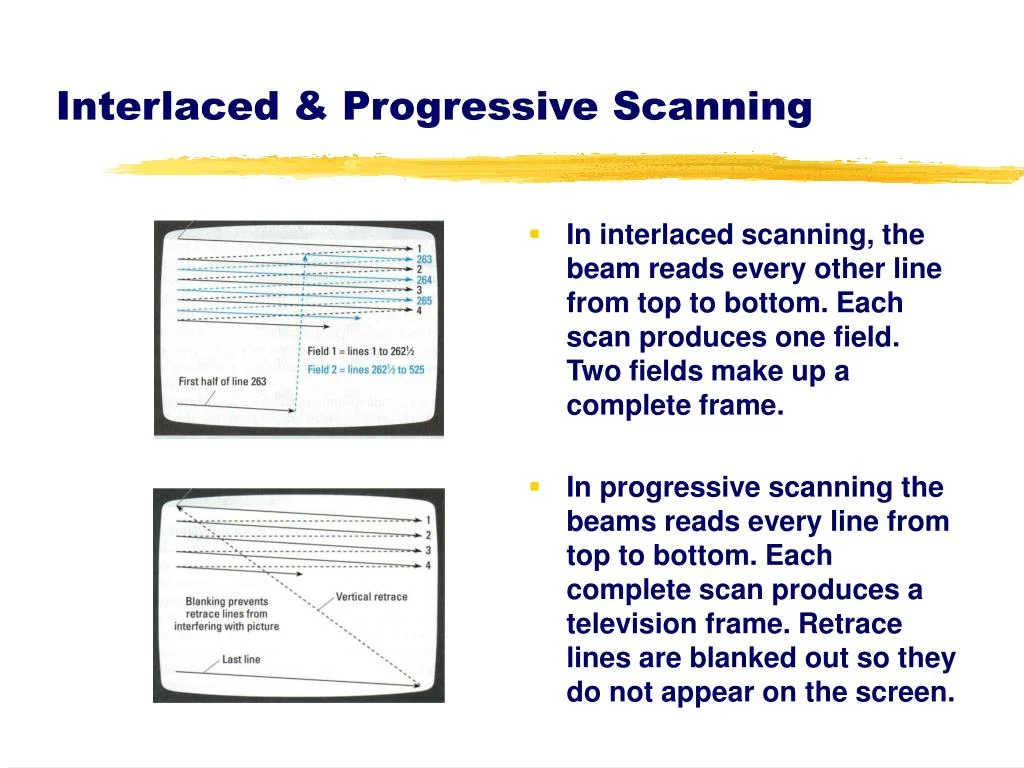
The PlayStation 2 (PS2), launched in 2000, stands as a titan in gaming history, defining a generation with its vast library and unprecedented commercial success. Yet, beneath its iconic black casing lay a console fundamentally designed for a display technology rapidly approaching obsolescence: the Cathode Ray Tube (CRT) television. Unlike modern digital systems built around precise pixel arrays and defined resolutions, the PS2, like its analog predecessors, rendered images based on scanlines and intricate timing signals, a distinction that profoundly shaped its hardware architecture, developer practices, and the visual experience it delivered. While a niche VGA output existed for the official PS2 Linux toolkit, supporting some VESA display modes, this was an afterthought, largely irrelevant to the vast majority of its commercial game releases.
The Foundational CRT Paradigm: Scanlines, Bandwidth, and the Graphics Synthesizer
At the heart of the PS2’s unique visual output strategy was its custom Graphics Synthesizer (GS), Sony’s powerful yet idiosyncratic GPU. The GS was equipped with a mere 4MB of embedded Video RAM (eDRAM), a figure that seemed modest even for its time, especially when compared to the 32MB of the original Xbox or the 24MB of the Nintendo GameCube. Sony, perhaps anticipating developer concerns, frequently characterized this eDRAM not as conventional VRAM, but as a "scratchpad" – a high-speed buffer for rapid texture and framebuffer operations. This nomenclature hinted at its design philosophy: rather than ample memory, the PS2 prioritized raw bandwidth.
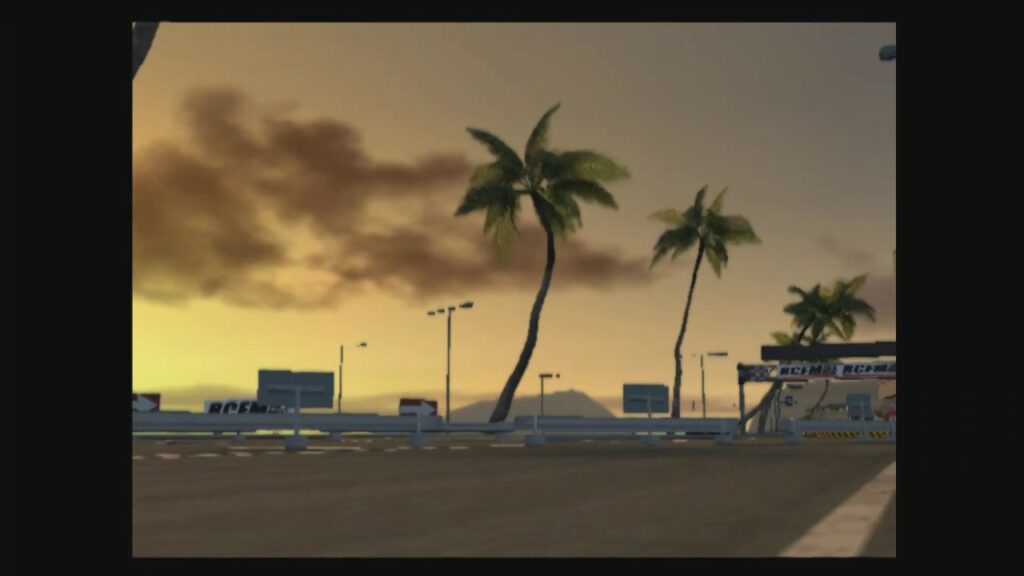
Indeed, the GS boasted an astonishing memory bandwidth for its era, enabling operations like alpha blending, multipass rendering, and framebuffer copies to be executed with remarkable efficiency, often at near-zero cost to performance. These tasks, typically resource-intensive on other GPUs, were a forte of the PS2’s architecture. Games such as Driv3r famously exploited these strengths, performing feats that would have brought competing hardware to its knees. Furthermore, the PS2’s innovative dual Vector Units (VU0 and VU1) provided a fully programmable geometry pipeline, offering capabilities akin to what modern GPUs, like the NVIDIA GeForce RTX 20 series, would introduce almost two decades later in the form of mesh shaders. This forward-thinking design allowed for complex geometry processing and transformation, offsetting some of the limitations imposed by the smaller VRAM.
The 60fps Imperative: A Technical Mandate for Visual Integrity
Despite its limited VRAM, the PS2 earned a reputation for having a remarkably high number of games that targeted and often achieved a solid 60 frames per second (fps) in NTSC regions (or 50fps in PAL territories). This wasn’t merely a testament to developer ambition; it was, in large part, a technical mandate baked into the console’s design, particularly concerning its interlaced video output.
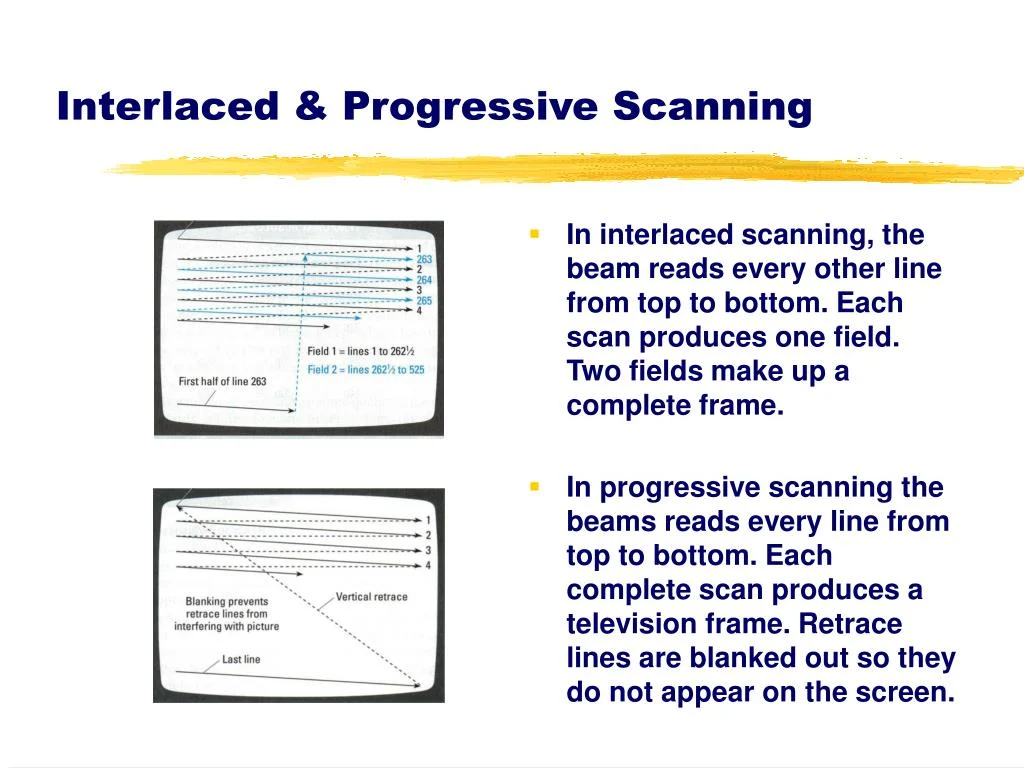
Early versions of the PS2’s Software Development Kit (SDK) primarily supported interlaced scanline modes. In these modes, a full 640×448 (or 512×448) frame was displayed by rendering alternating fields of odd and even scanlines across two consecutive vertical refresh cycles (60Hz for NTSC, 50Hz for PAL). Developers were later given the option of "frame mode" (full progressive frames) or "field rendered mode" (interlaced frames).
Field rendering offered significant advantages. By only rendering half the scanlines per field (e.g., 640×240 or 512×224), the memory requirements for each "half-frame" were halved. This was crucial for managing the 4MB GS eDRAM. Moreover, the time needed to render each field was reduced, making it easier to hit higher framerates. For many developers, field rendering seemed the most viable path to achieve fast, performant games on the PS2.
However, this efficiency came with a critical caveat. If a game in field-rendered mode failed to render a new field in time, the Graphics Synthesizer (GS) would display the previous field again. Because fields consist of alternating scanlines, repeating a field would cause the entire image to visibly shift vertically by one scanline. This jarring "Y-shift" artifact was highly noticeable and detrimental to image quality. To avoid this, it became imperative for developers to ensure a consistently frame-paced 60fps. Many games, such as SSX 3, would internally slow down the game or even skip entire frames to maintain the 60Hz/60fps target, rather than risking the visual glitch. The CRT, with its natural blending of interlaced fields, would then seamlessly combine these half-frames, making the intricate internal workings invisible to the average player.
Frame mode, while rendering full frames, increased rendering times and thus made a consistent 60fps target harder to achieve. However, it was more forgiving of missed frames; the screen would simply display the second field of the previous full frame, without the distracting Y-shift. Ultimately, the high framerate achievable with field rendering, combined with the CRT’s ability to mask its interlaced nature, often led developers to prioritize it, thereby solidifying the PS2’s reputation for smooth gameplay, even if it meant internal compromises to achieve that stability.
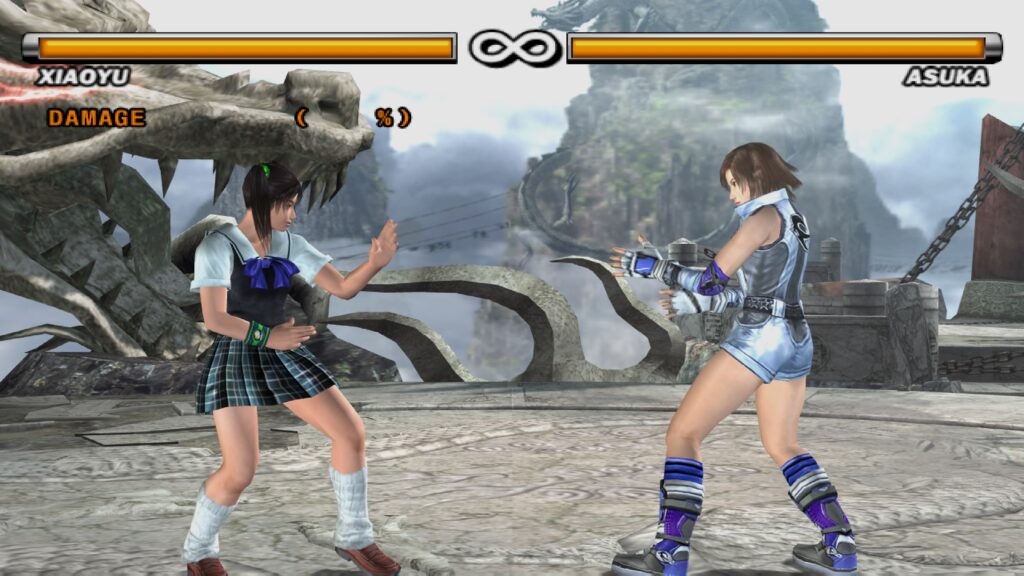
This technical peculiarity also had implications for how PS2 games were perceived. Early PS2 launch titles often faced criticism for "jaggies" (jagged edges) and a perceived lack of anti-aliasing, especially when compared to the visually smoother Sega Dreamcast. This issue was compounded by game magazines and journalists, who, when capturing single-frame screenshots, would often only capture a single field (odd or even scanlines). This resulted in screenshots that appeared significantly more aliased and less visually appealing in print than they did on an actual CRT, where the interlacing and motion blur provided a smoother, blended image. The lower internal resolution, necessary to fit within the GS eDRAM, further fueled these misconceptions.
Widescreen’s Nascent Stages: Navigating the 16:9 Landscape
The PlayStation 2 also arrived at a pivotal moment for home entertainment: the transition from the traditional 4:3 aspect ratio to the cinematic 16:9 widescreen format. A key factor in this shift was the PS2’s dual role as a DVD player, popularizing terms like "anamorphic widescreen" and driving the adoption of 16:9 CRT TVs in the early to mid-2000s. While most early PS2 games adhered to 4:3, demand for widescreen support grew steadily.
The PS2 era saw three primary methods for implementing widescreen:
- Hor+ (Horizontal Plus): This ideal method expands the horizontal field of view, showing more of the game world on the sides without cropping the top or bottom.
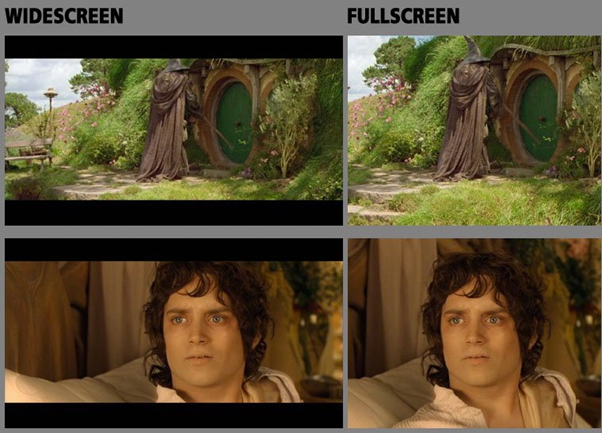
- Vert- (Vertical Minus): This method crops the top and bottom of the standard 4:3 image and then zooms in, creating a widescreen appearance by sacrificing vertical field of view.
- Hybrid (Hor+ and Vert-): A combination of both, where some horizontal expansion occurs, but parts of the top and bottom are still cropped.
Unsurprisingly, due to hardware constraints and development priorities, the vast majority of PS2 games offering widescreen modes opted for Vert-. This choice was largely driven by the GS’s 4MB VRAM limitation. Implementing Hor+ would necessitate rendering a wider image, requiring higher horizontal resolutions and thus more VRAM. Zooming and scaling operations, however, were relatively "free" on the GS, making Vert- a resource-efficient solution, as it essentially involved cropping and enlarging an existing image.
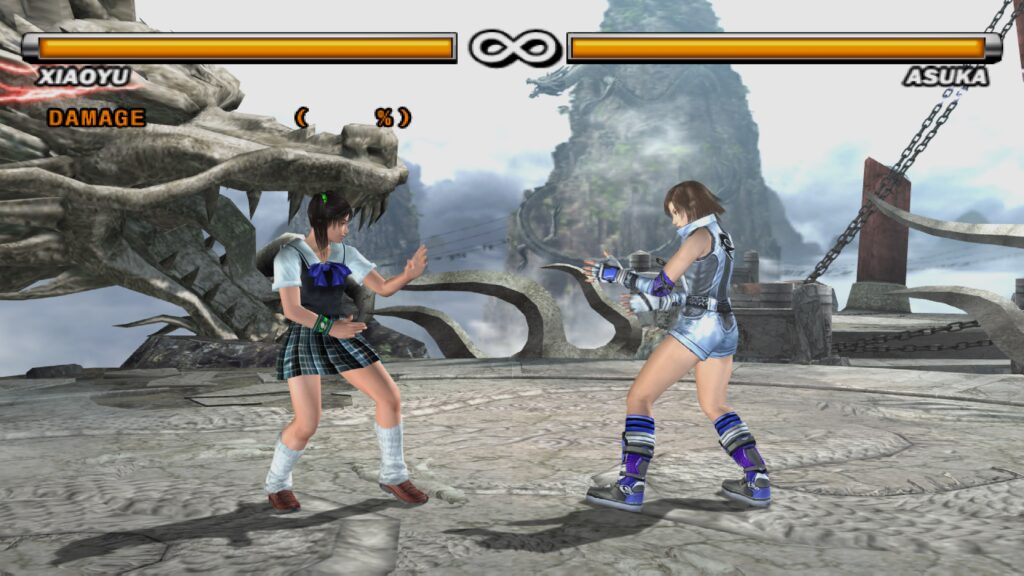
Games like Tekken 5, Ratchet & Clank, and Jak and Daxter series exemplify the Vert- approach. In Tekken 5‘s built-in "widescreen" mode, characters appear larger, and the top and bottom portions of the screen are visibly cropped, resulting in a loss of peripheral vertical information. This was often an exercise in frustration for enthusiasts seeking a true cinematic experience. In contrast, "correct" widescreen implementations, often achieved through modern internal patches (like those in the LRPS2 core), demonstrate Hor+, extending the horizontal view and rendering more of the game world without any cropping.
The Dawn of Progressive Scan: EDTVs and Clarity on the Horizon
The PS2’s lifecycle also coincided with the final innovations in CRT technology before the widespread adoption of Liquid Crystal Display (LCD) panels. This era saw the introduction of Enhanced-Definition Televisions (EDTVs) – advanced SDTVs capable of supporting progressive scan signals like 480p (for NTSC) and 576p (for PAL). Progressive scan offered a significant leap in image quality over traditional interlaced modes by displaying a full frame of video at once, eliminating the visible interlacing artifacts and providing a much clearer, more stable picture.
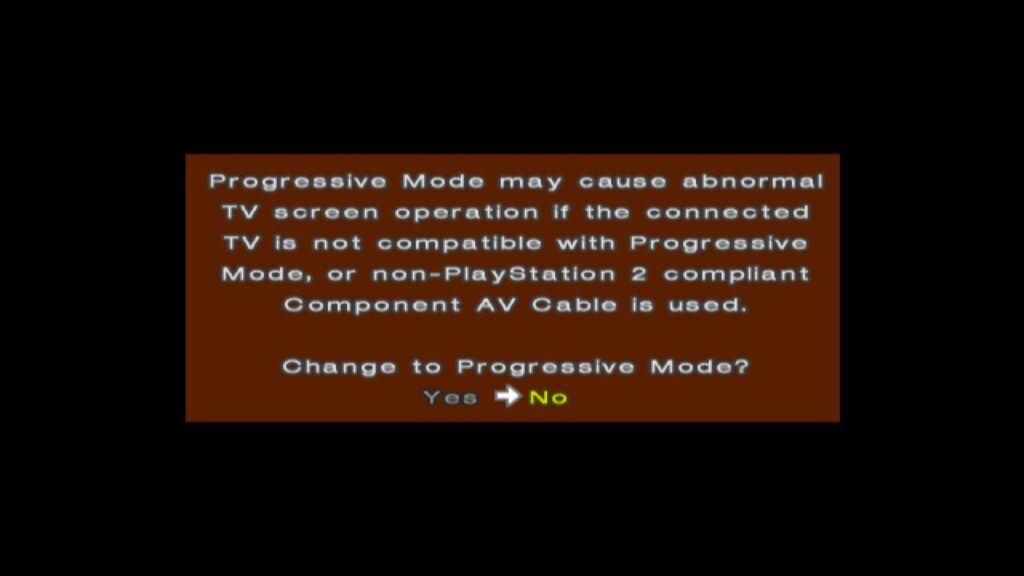
To utilize progressive scan, users needed either component video cables (for NTSC regions) or RGB SCART cables (common in Europe and Japan), as lower-quality composite and RF-AV connections did not support these modes. When a progressive scan-compatible game was launched, users could typically activate the mode by holding specific buttons (e.g., X and Triangle) at startup, prompting a selection between normal interlaced and progressive scan.
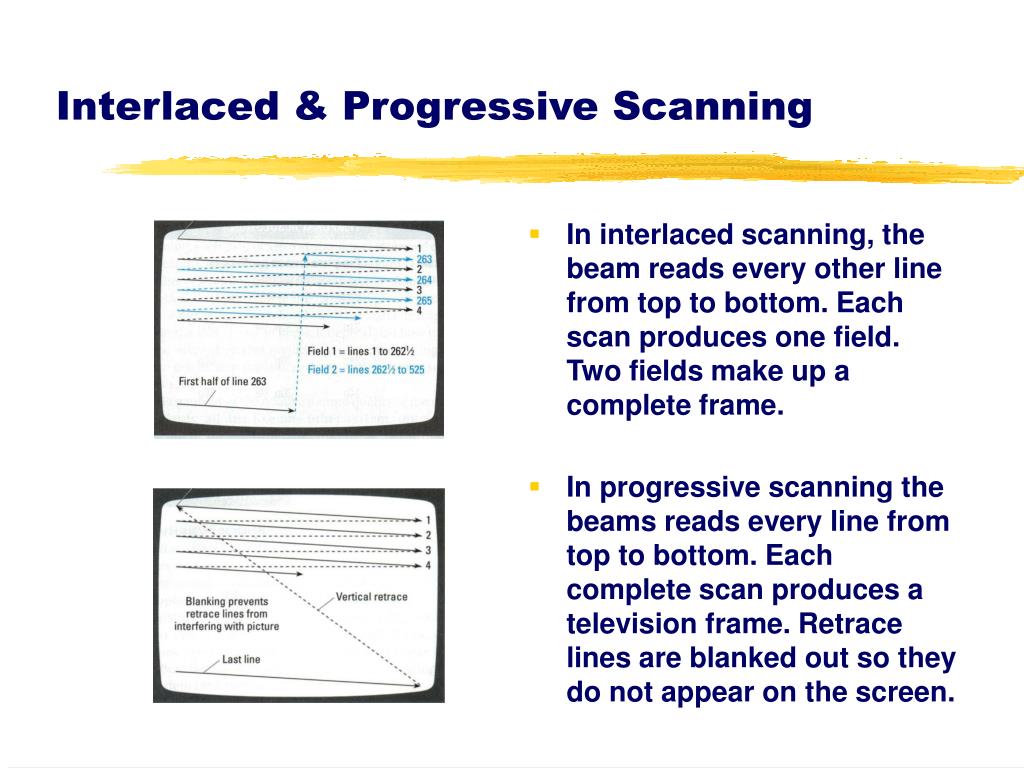
While progressive scan offered superior clarity and full-height framebuffers, some games made trade-offs to fit these higher-quality frames within the GS’s 4MB eDRAM. This occasionally involved reducing the framebuffer color depth to 16 bits per pixel (16bpp) or lower, which could introduce visible color banding. Despite this potential compromise, the overall visual improvement from eliminating interlacing artifacts usually made progressive scan the preferred option for those with compatible displays.
Intriguingly, a few ambitious titles, notably Valkyrie Profile 2 and Gran Turismo 4, even offered a "1080i" progressive scan mode. This, however, was a clever bit of technical illusion rather than true high-definition rendering. Gran Turismo 4, for instance, would internally render at 640×540. The GS’s Cathode Ray Tube Controller (CRTC) would then magnify this image, using a horizontal magnification integer of ‘3’ (640 3 = 1920) and a vertical magnification of ‘2’ (540 2 = 1080) or interlaced framebuffer switching, to simulate a 1080i output. On CRTs of the time, this scaling often looked convincing, but on modern displays, the native 480p progressive scan mode often provides a cleaner and more authentic image.
Regional Disparities: The Enduring PAL/NTSC Divide
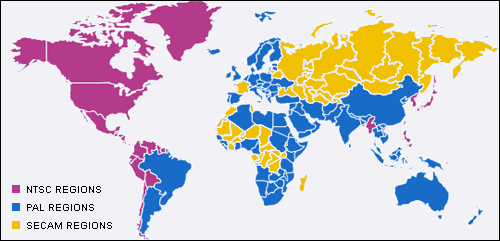
For European gamers, the PS2 era continued the long-standing frustrations of the PAL/NTSC divide. PAL (Phase Alternating Line) signal CRTs, prevalent in Europe, operated at 50Hz, while NTSC (National Television System Committee) CRTs in North America and Japan ran at 60Hz. This 16.9% difference in refresh rate meant that many PAL conversions of NTSC-first games ran slower, often presented with "letterboxing" to compensate for PAL’s slightly higher vertical resolution (e.g., 576i vs. NTSC’s 480i). Developers frequently failed to leverage PAL’s extra scanlines, leading to a diminished visual and gameplay experience.
The Dreamcast had already set a precedent by offering PAL60 modes, allowing European players with compatible TVs to experience games at 60Hz. However, Sony controversially refused to officially support PAL60 as it wasn’t a recognized standard, leaving early PS2 European launch titles largely stuck at 50Hz.
Over time, this situation evolved. By 2002, more PS2 games, such as ICO, began offering a choice between 50Hz and 60Hz modes. Rather than a "PAL60" option, the PS2 typically switched the console to an NTSC 480i mode, which most European televisions from the late 1990s onward could support. Developers like Square Enix, however, faced challenges with this. The need to include both 50Hz and 60Hz versions of lengthy, high-quality full-motion video (FMV) sequences often exceeded the capacity of DVDs, leading games like Final Fantasy X to remain 50Hz despite growing demand for 60Hz. Eventually, games without these 50Hz/60Hz toggles became the exception rather than the rule, providing European players with greater choice and a better gameplay experience.
The Great Transition: PS2 on Early LCD/HDTVs and its Legacy
The mid-2000s marked a seismic shift in display technology, as the industry transitioned from CRTs to flat-panel LCD televisions. This coincided with the launch of the 7th generation consoles (PlayStation 3, Xbox 360), which were designed from the ground up for high-definition, non-interlaced digital displays and HDMI connectivity, standardizing 60Hz output globally.
For the PS2 and other 6th generation consoles, this transition was fraught with challenges. Early LCD and "HD-ready" TVs often suffered from significant input latency and motion ghosting, rendering games designed for CRTs in a particularly unflattering light. Visual effects like "feedback blur" or motion blur, which looked fluid and natural on a CRT’s phosphors, became smeared and indistinct on these nascent LCD panels. Some developers attempted software-based solutions, such as Soul Calibur III‘s "Software Overdrive" setting, which aimed to reduce afterimage effects on LCDs. However, fundamental issues like latency and a lack of motion clarity remained largely unaddressed for years.
Today, with the advent of advanced display technologies like OLED and sophisticated emulation techniques, the PS2’s unique visual legacy can finally be appreciated anew. Modern solutions, such as BlurBusters’ "CRT beam racing simulator" and sophisticated CRT shaders, can emulate the precise motion clarity and visual characteristics of a CRT on contemporary displays. This allows retro enthusiasts to experience PS2 games with near-CRT latency and motion fidelity, combined with the pristine image quality of modern OLED screens, offering a bridge between two distinct eras of display technology.
In retrospect, the PlayStation 2’s deep entanglement with CRT technology was not a limitation but a defining characteristic that shaped its development, performance, and player experience. From the enforced pursuit of 60fps to mitigate interlacing artifacts, to the compromises in widescreen implementations, and the regional challenges of PAL/NTSC, the PS2’s journey reflects a pivotal moment in gaming history where hardware design and display technology were inextricably linked, leaving a lasting legacy on how we understand and appreciate this iconic console.