Chalid Lutfie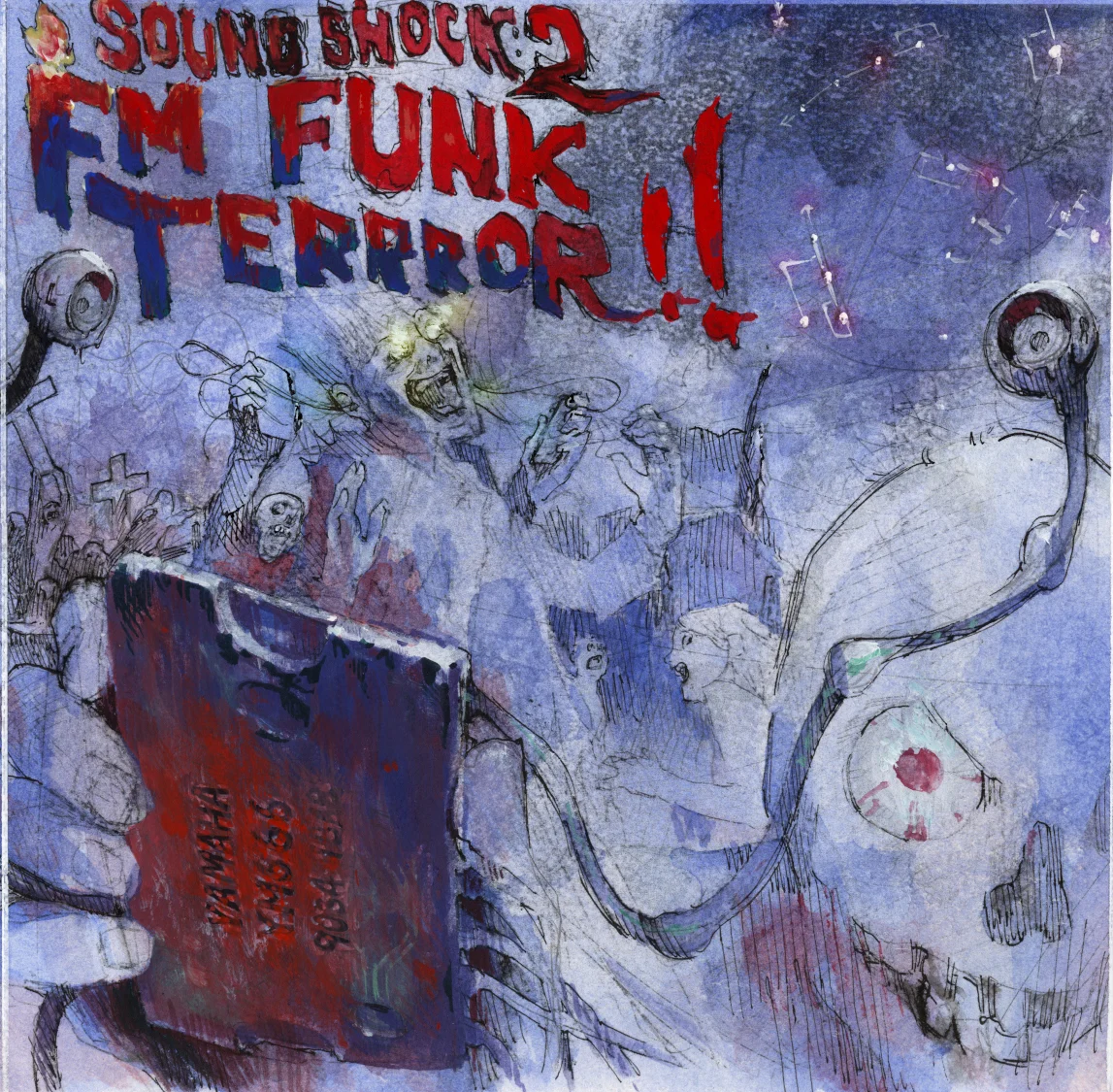
The conclusion of the SOUNDSHOCK music series marks a significant milestone in the contemporary appreciation of FM synthesis and retro-gaming aesthetics. Since its inception, the series has served as a curated platform for artists dedicated to the unique, metallic timbres of Frequency Modulation (FM) sound, a technology that defined the auditory landscape of 1980s and early 1990s arcade and home console gaming. While the auditory component of the series has garnered significant acclaim within the chiptune and doujin music communities, the visual identity of the project, primarily crafted by professional artist Tsuyoshi Shimokura, represents a sophisticated fusion of traditional manga techniques and digital-era nostalgia.
The Genesis of a Collaborative Vision
The partnership between the project’s producer, known as zinger, and Tsuyoshi Shimokura began through the mediation of the artist hex125. Initially, Shimokura was approached to contribute a musical composition for the series’ first installment, FM FUNK MADDNESS!!. However, the collaboration shifted scope when zinger discovered Shimokura’s extensive portfolio of visual art. Shimokura, a professional artist with a background in the manga industry, possessed a deep-seated passion for vintage computing, FM sound chips, and classic arcade culture. This alignment of interests made him the ideal candidate to spearhead the series’ visual direction.
The collaboration was characterized by a synergistic exchange of cultural references. While zinger provided the conceptual framework and thematic inspirations—often rooted in Western horror and classic arcade flyers—Shimokura translated these ideas into intricate hand-painted covers. His work on the series is noted for its high level of detail and its ability to anthropomorphize technical components, such as the Yamaha FM chips, into characters within a broader narrative.
Volume I: FM FUNK MADDNESS!! and the Arcade Aesthetic
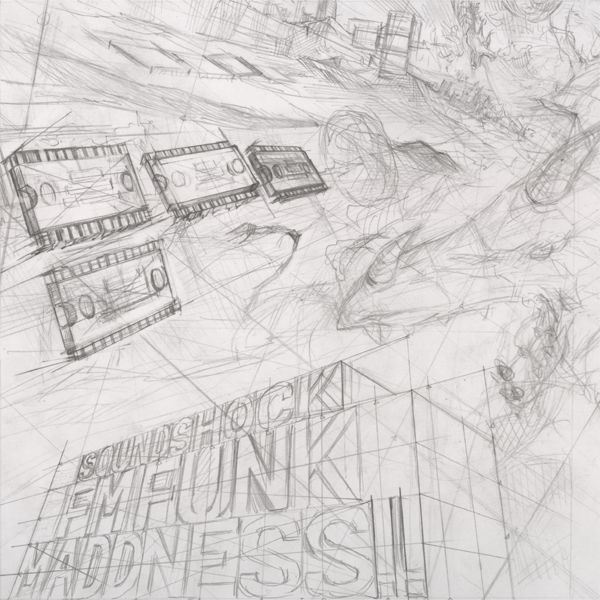
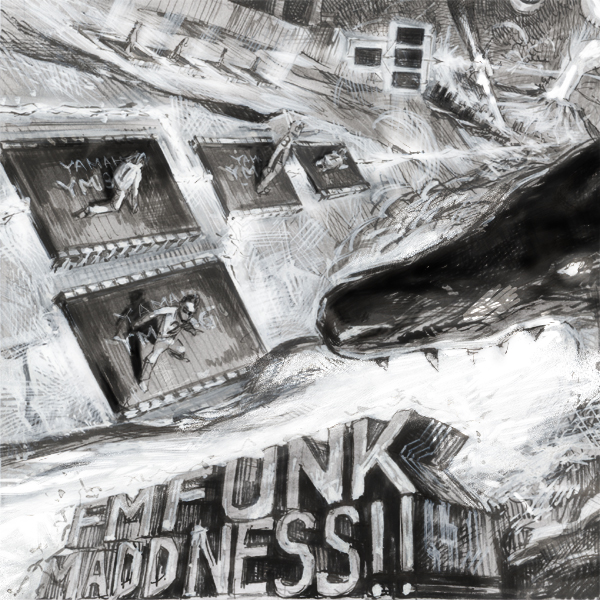
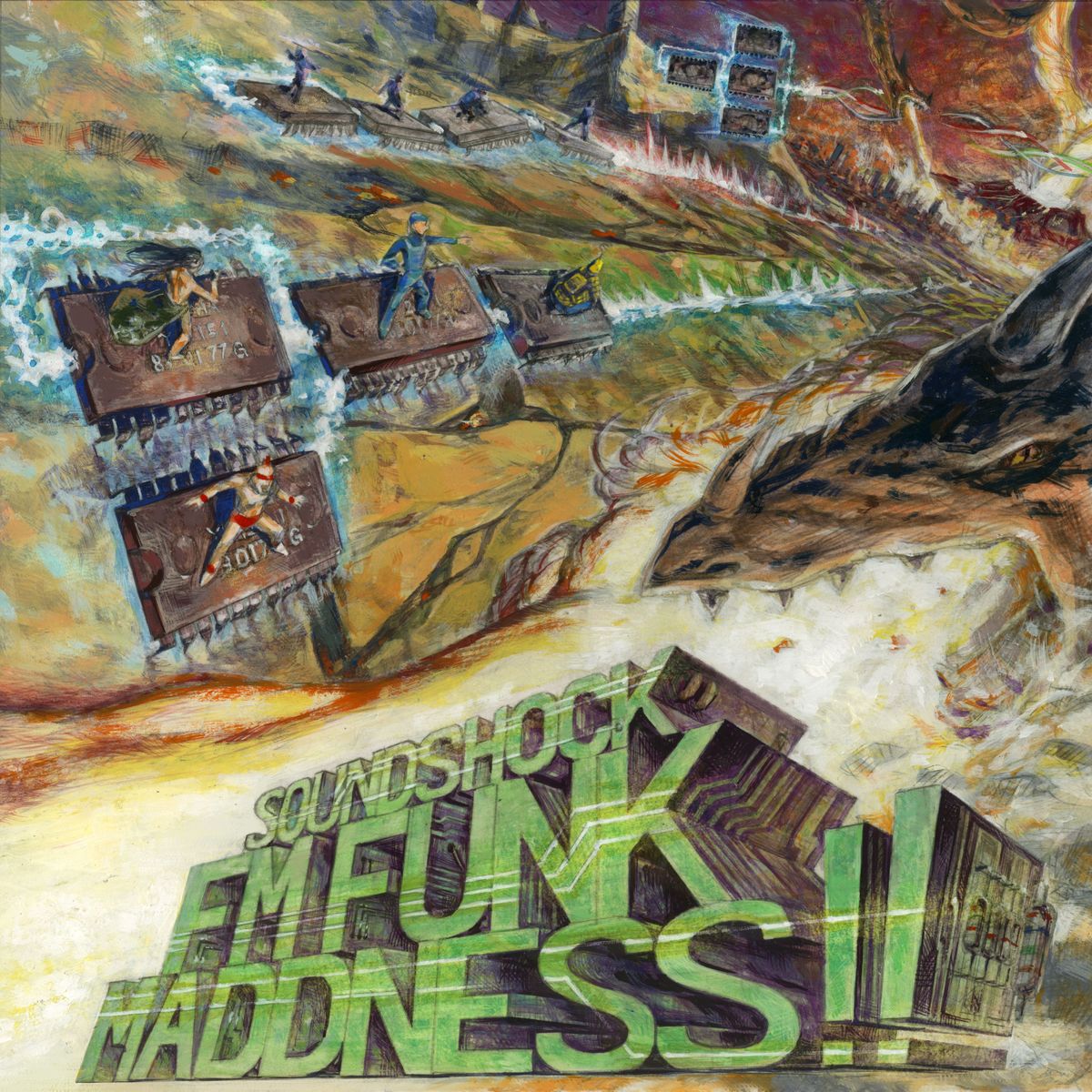
The debut of the series, FM FUNK MADDNESS!!, established the foundational visual language of the project. The creative process for the first cover was heavily influenced by the vibrant, high-energy promotional materials of late 80s Japanese arcade games. Specifically, the artwork for Taito’s Metal Black and Darius II served as primary reference points.
Shimokura’s conceptualization for this cover involved a narrative of musical heroism. In his vision, the musicians are depicted as protagonists utilizing the "power of FM sound" to repel monstrous entities. A distinctive feature of this artwork is the depiction of integrated circuits (ICs), specifically FM chips, as mobile, caterpillar-like creatures. The layout of these chips on the cover was not arbitrary; Shimokura arranged them to mirror the algorithm charts used in FM synthesis programming. This technical Easter egg signaled to the audience that the series was not merely a nostalgic exercise but a deeply informed tribute to the mechanics of sound design.
Volume II: FM FUNK TERRROR!! and the Horror Synthesis
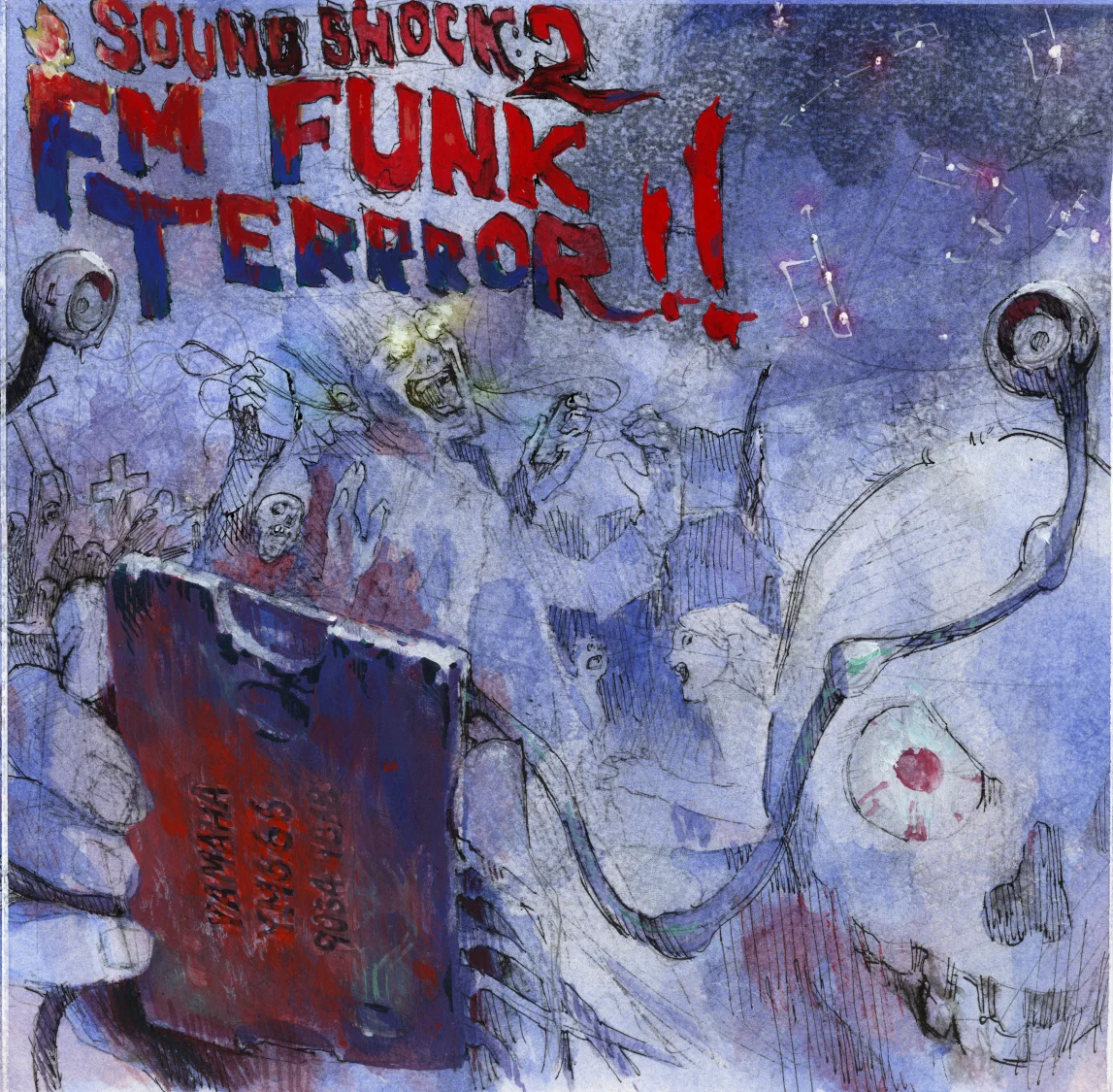
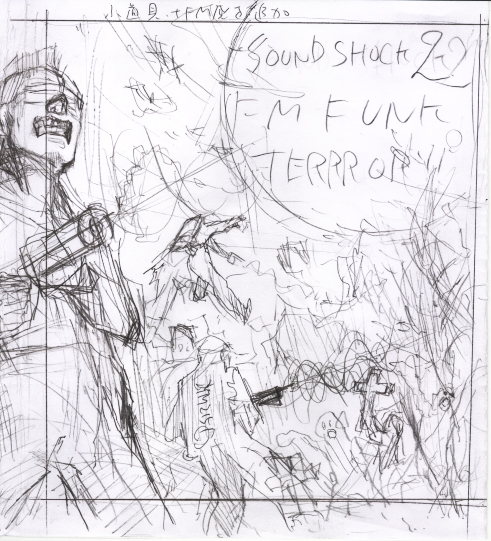
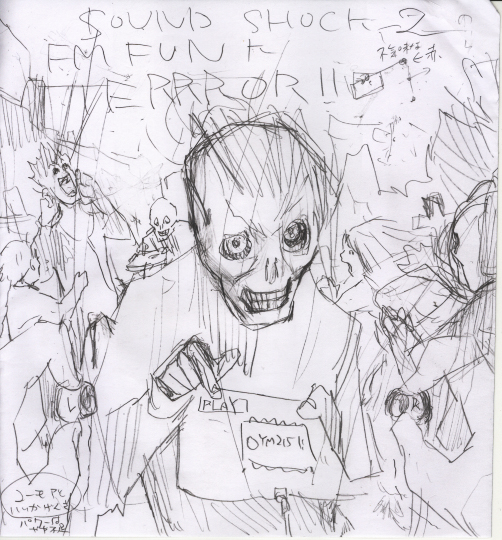
The second installment, FM FUNK TERRROR!!, shifted the thematic focus toward 1980s horror cinema and "splatter" games. To facilitate this, zinger provided Shimokura with an extensive collection of reference materials, including posters from the A Nightmare on Elm Street and The Evil Dead franchises, as well as cult Thai horror films and Namco’s Splatterhouse series.
The resulting artwork was a dense, detail-oriented homage to the genre. One of the most striking elements of the cover is a ghoul clutching a gravestone-shaped device labeled "YM666." This is a playful reference to the Yamaha YM-series chips (such as the YM2151 or YM2612) that powered legendary hardware like the Sega Genesis and various arcade boards. The "YM666" moniker humorously blends the chip’s technical nomenclature with the "number of the beast," aligning with the horror theme.
Shimokura’s narrative for this volume was equally evocative. He envisioned a scenario where "Algorithm constellations" align, prompting a zombie uprising driven by the "magical power of FM sound." This lore suggests that the music itself possesses a transformative quality, capable of "shocking the brains" of listeners and awakening a new passion within their souls. This thematic layer added a psychological depth to the project, suggesting that the harsh, digital textures of FM synthesis are both terrifying and intoxicating.
Volume III: FM FUNK NIRVANA!! and the Ultimate Transcendence
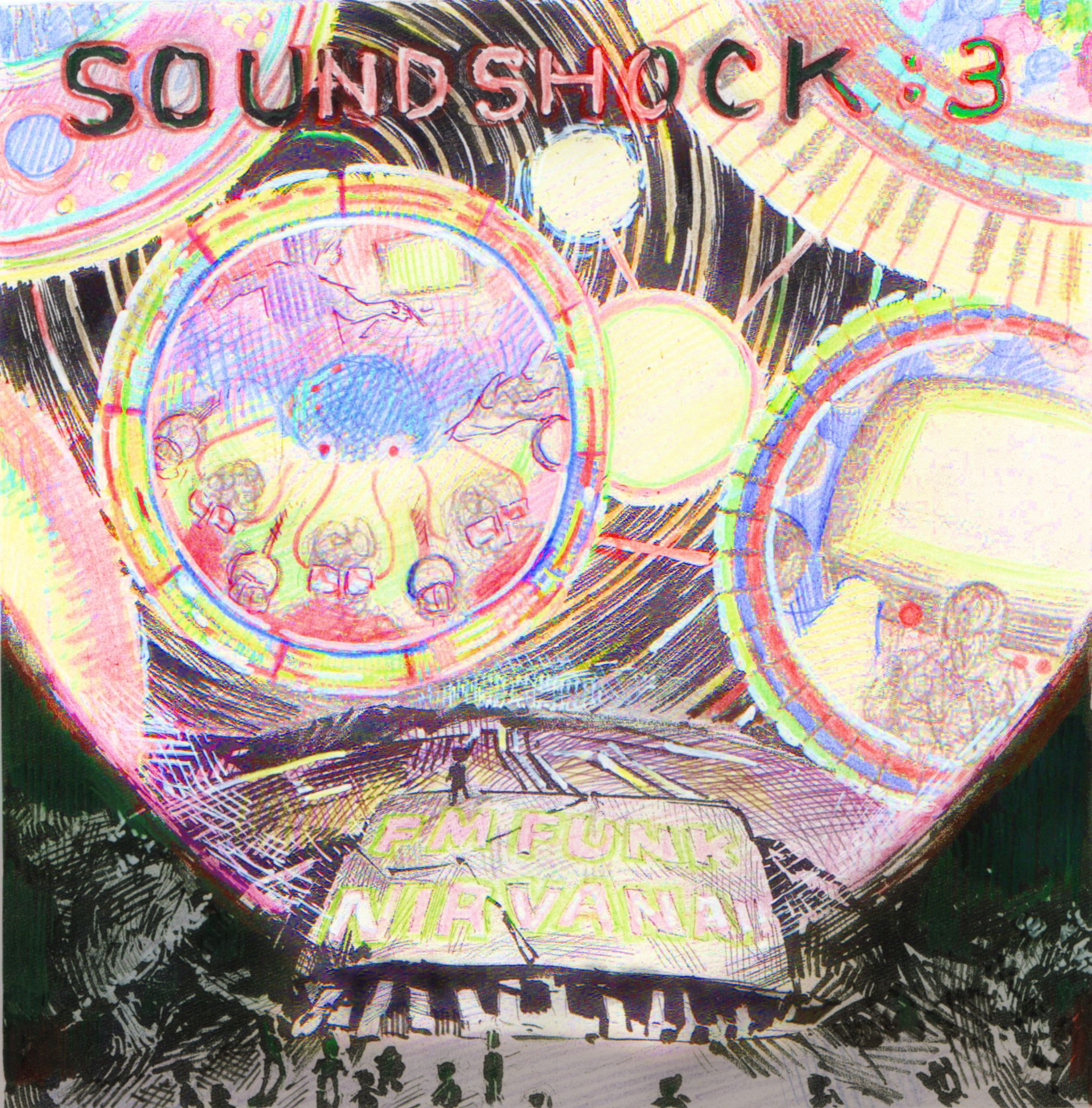
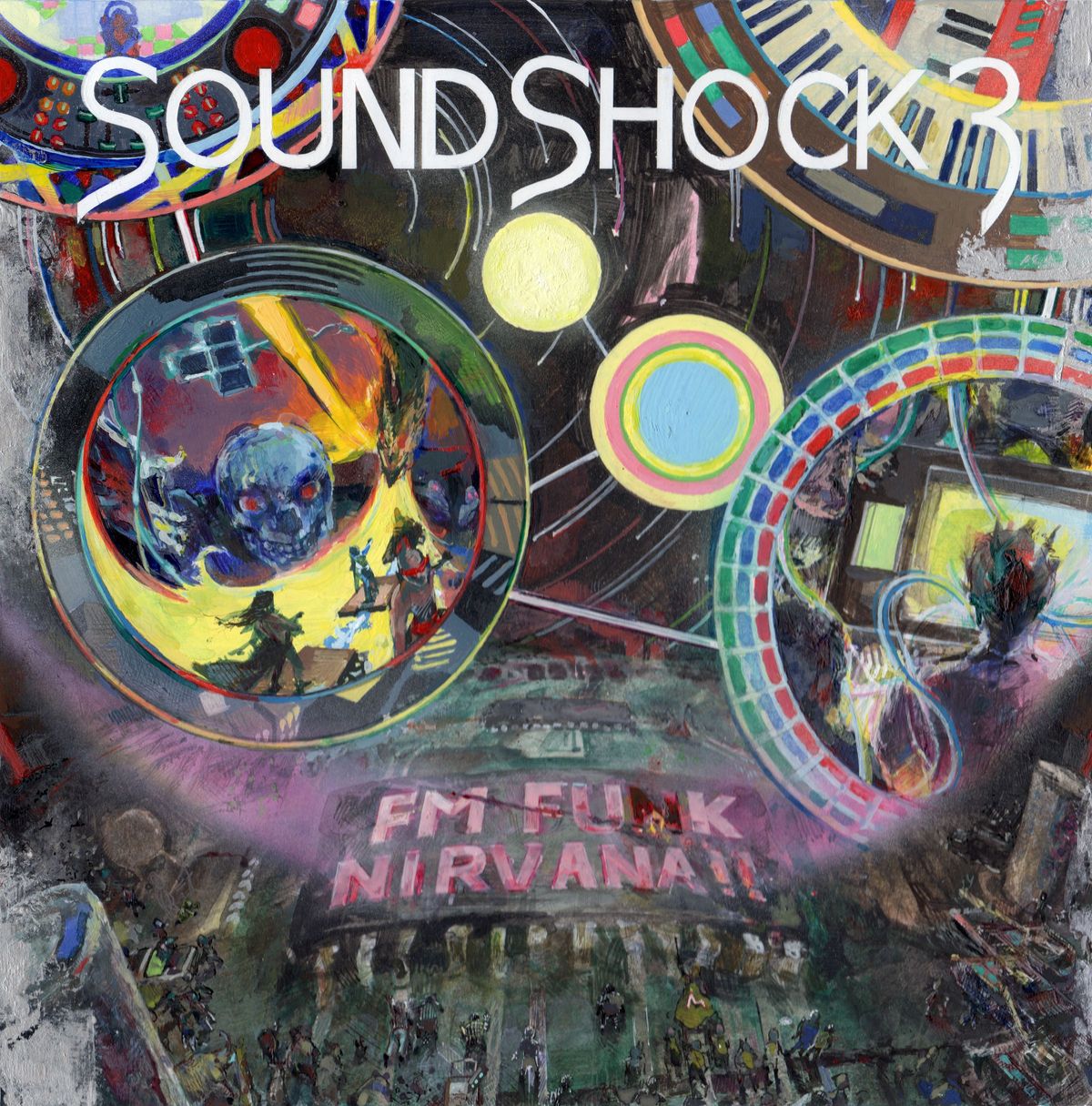
The final chapter of the trilogy, FM FUNK NIRVANA!!, represents the series’ move toward a more abstract and philosophical conclusion. The title itself was inspired by a fan comment on social media, which suggested that the series should escalate toward a state of "ultimate perfection."
For the visual representation of "Nirvana," Shimokura moved away from the literal battles and horror tropes of previous volumes, instead looking toward Buddhist iconography and the concept of the mandala. A mandala is a geometric configuration of symbols that, in various spiritual traditions, represents the cosmos and serves as a tool for meditation and trance induction.
The cover art features a complex arrangement of spheres in the upper quadrant, forming a celestial map of the "FM universe." At the base of the image, a mass of worshippers is shown approaching a giant FM chip mounted on a circuit board. This imagery elevates the hardware to the status of a deity, suggesting that the pursuit of the perfect sound is a spiritual journey. Shimokura’s use of the Darius Gaiden soundtrack cover as a reference further emphasizes the celestial, high-art ambitions of this final installment.
Technical Context: The Legacy of Frequency Modulation
To understand the cultural weight of the SOUNDSHOCK series, one must consider the technical history of FM synthesis. Developed by John Chowning at Stanford University and later commercialized by Yamaha, FM synthesis allowed for the creation of complex, harmonically rich sounds that were previously unattainable with subtractive synthesis.
In the 1980s, the Yamaha YM2151 (OPM) chip became the standard for arcade systems, while the YM2612 (OPN2) defined the gritty, aggressive sound of the Sega Mega Drive/Genesis. These chips required rigorous programming, involving the manipulation of "operators" and "algorithms"—the very charts Shimokura integrated into his artwork. The SOUNDSHOCK series celebrates the "believers in FM sound," a community that finds beauty in the mathematical precision and distinct "coldness" of these digital tones.
Chronology of the SOUNDSHOCK Series Visual Development
The development of the series followed a structured timeline that reflected the growing complexity of the collaboration:
- Initial Contact (Pre-2011): zinger and Shimokura connect via hex125; Shimokura is revealed as a professional artist with a deep interest in FM hardware.
- Release of FM FUNK MADDNESS!!: Launch of the first volume featuring the "caterpillar" FM chips and arcade-flyer-inspired aesthetics.
- Development of TERRROR!!: A multi-week collaborative phase involving the exchange of 80s horror references and the creation of the "YM666" lore.
- The NIRVANA Phase (2016-2017): Conceptualization of the final volume based on fan feedback and a shift toward spiritual and cosmic themes.
- April 15, 2017: Publication of the retrospective detailing the artistic process and Shimokura’s final message to the fanbase.
Implications and Cultural Impact
The SOUNDSHOCK series stands as a testament to the enduring relevance of "obsolete" technology in the hands of modern creators. By treating the FM chip not just as a tool, but as a cultural icon and an object of "worship," the series bridged the gap between technical sound design and high-concept visual art.
Shimokura’s final message to the fans encapsulates the series’ philosophy: the end of the project is not a cause for sorrow but a transition. He describes the work as a "seed for future stars," suggesting that the influence of FM sound will persist through "spiritual offshoots." This perspective reflects a broader trend in the global chiptune scene, where the limitations of 8-bit and 16-bit hardware are seen as creative constraints that foster innovation.
The legacy of the SOUNDSHOCK artwork lies in its ability to document a specific subcultural moment where music, gaming history, and visual storytelling intersected. Through Shimokura’s hand-painted covers, the abstract world of algorithms and operators was given a tangible, vibrant form, ensuring that the "terror," the "maddness," and the "nirvana" of FM sound would be preserved for future generations of listeners and artists alike.