Jia Lissa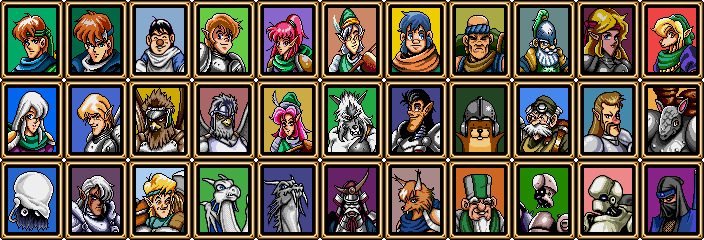
Following the commercial success of Shining in the Darkness in March 1991, the Japanese development studio Climax Entertainment faced high expectations to deliver a sequel that would solidify its position as a premiere role-playing game (RPG) developer for Sega. While many anticipated a direct continuation of the first-person dungeon-crawling mechanics established in their debut, Climax leadership, led by Hiroyuki Takahashi, pivoted toward a more ambitious project. This project, titled Shining Force, would not only expand the lore of the burgeoning franchise but would also redefine the tactical RPG genre for a global audience. The development of Shining Force was marked by significant technical innovation, institutional shifts within Sega, and internal creative tensions that would ultimately shape the future of the series.
The Formation of Sonic Co., Ltd. and the Strategic Partnership with Sega
By the early 1990s, the RPG market was undergoing a period of rapid expansion. In North America, the genre was still a niche category, but Sega of Japan recognized a growing demand for narrative-driven experiences. Titles such as Phantasy Star II and Sword of Vermilion had demonstrated that console players were increasingly receptive to complex systems and deeper storylines. However, the increasing size and complexity of these games required more resources than a small independent studio like Climax could provide on its own.
In June 1991, to facilitate the development of larger RPG projects, Sega entered into a joint venture with Hiroyuki Takahashi to form Sonic Co., Ltd. This new entity was established with an initial investment of 40 million yen. Sega held a dominant 85 percent stake, while Climax and Takahashi held the remaining shares. The company was named after Sega’s new mascot, Sonic the Hedgehog, reflecting the publisher’s desire to associate its premiere RPG development with its most recognizable brand.
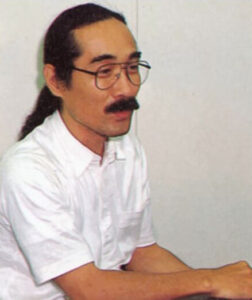
Sonic Co., Ltd. was designed to act as a production agent, recruiting specialized talent from industries such as manga and animation to assist in game planning, market research, and artistic development. Director Kenji Orimo, a veteran of the manga industry, played a pivotal role in this process, bringing a focus on character-driven narratives that would become a hallmark of the Shining series. This organizational structure allowed Climax to handle multiple projects simultaneously, with separate teams working on Shining Force and the isometric action-RPG Landstalker.
Design Philosophy: Moving Beyond the Turn-Based Monotony
The vision for Shining Force originated from Hiroyuki Takahashi’s dissatisfaction with the static nature of traditional turn-based combat. During his tenure at Enix and Chunsoft, Takahashi observed that many RPGs lacked tactical depth, often reducing combat to a simple exchange of blows without regard for positioning or environment.
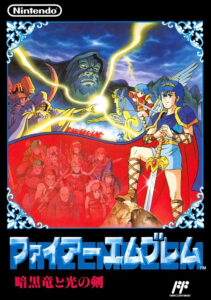
While some industry observers have compared Shining Force to Nintendo’s Fire Emblem, Takahashi has historically maintained that the title had no influence on his work. Instead, he cited the 1988 PC88 title Silver Ghost, developed by Kure Software Koubou, as a primary inspiration. Silver Ghost required players to manage multiple characters in real-time, a concept Takahashi sought to adapt into a more refined, turn-based framework.
Takahashi’s design focused on the concept of "distance." By introducing a grid-based movement system and varied terrain, the development team expanded the range of tactical choices available to the player. Formations, advantageous positioning, and weapon range became as critical as a character’s base statistics. This shift from pure RPG to a "simulation-RPG" hybrid was initially met with resistance within Climax. Some directors, including Yasuhiro Taguchi, feared that the complexity of strategy mechanics would alienate players who preferred traditional plot-focused RPGs. Ultimately, the team reached a compromise by maintaining traditional RPG exploration in towns and overworlds while reserving tactical mechanics for combat sequences.
Technical Innovation and the 12-Megabit Frontier
At the time of its development, Shining Force was one of the most technologically demanding projects for the Sega Genesis. The game eventually occupied a 12-megabit cartridge, the largest size available for the console at that time. The decision to prioritize high-quality battle animations placed an immense strain on the available memory.
Hiroyuki Takahashi insisted on cinematic battle scenes where the camera would cut from the tactical map to a close-up, animated view of the combatants. To achieve this, the team had to overcome the limitations of Video Random Access Memory (VRAM). Character designer Yoshitaka Tamaki and the programming team, led by Yoshinori Tagawa, developed several proprietary solutions:
- Advanced Compression: Climax refined the compression routines used in Shining in the Darkness, achieving an impressive 22 percent compression rate for graphical data. This allowed the team to include dozens of unique attack patterns and spell animations that would have otherwise exceeded the cartridge’s capacity.
- The "Columbus’s Egg" AI: To ensure fast-paced gameplay, the team developed an AI routine that could calculate enemy movements and actions in less than one second. Takahashi referred to this elegant solution as "Columbus’s Egg," signifying a simple answer to a seemingly impossible problem.
- Visual Framing: To manage VRAM limits during battle scenes, the developers used a letterboxing effect, cropping the top and bottom of the screen. They also introduced "otachidai" or platforms for the characters to stand on, which changed based on the terrain, providing a sense of depth and variety without requiring full-screen redraws.
Narrative Structure and the Legend of Rune
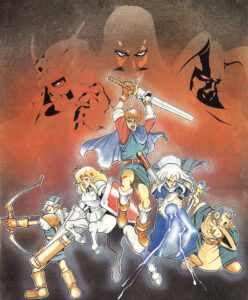
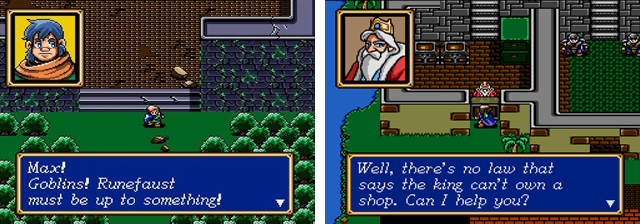
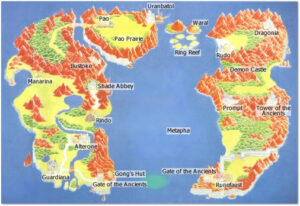
The narrative of Shining Force was conceived as a prequel to Shining in the Darkness, set on the dual continent of East and West Rune. Scenario writer Masaki Wachi was tasked with bridging the gap between Takahashi’s extensive world-building notes and the scripted events of the game. The story centers on Max, a silent protagonist who leads a diverse group of warriors—the Shining Force—against the forces of Runefaust and the sorcerer Darksol.
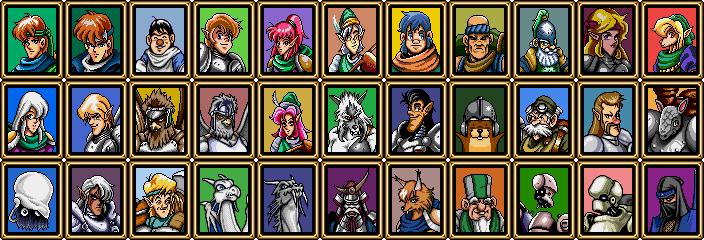
A defining characteristic of the game was its massive cast of over 30 playable characters. These characters represented a wide array of fantasy races, including centaurs, birdmen, and "wolflings" like the fan-favorite Zylo. The inclusion of an "in-house joke" character, the hamster-like Jogurt, demonstrated the team’s willingness to inject humor into an otherwise serious tale of war and resurrection.
The game also introduced a promotion system, where characters could evolve into more powerful classes upon reaching level 10. This not only provided a gameplay incentive for "grinding" but also showcased new, more elaborate character designs and battle animations, further emphasizing the game’s high production values.
Marketing, Launch, and Reception
Sega of Japan launched an aggressive marketing campaign for Shining Force leading up to its March 27, 1992, release. The company held preview events in Tokyo and Osaka, dubbed the "Shining Force First Party," where hundreds of fans were given 15-minute demos of the game. A live-action commercial featuring miniature models and professional actors was produced to emphasize the epic scale of the conflict.
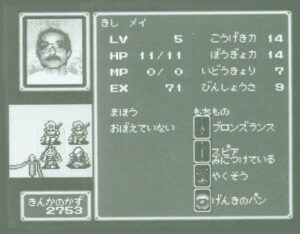
The game was a critical success, praised for its accessibility and visual flair. However, historical sales data suggests a more complex story. According to Yoichi Shimozato, a producer for the 2004 remake, the original game sold approximately 200,000 copies worldwide. This figure was lower than that of its predecessor, Shining in the Darkness. Analysts attribute this to several factors:
- Genre Perception: In 1992, strategy games were still viewed as overly complex by many console gamers, particularly in Western markets.
- Subtle Continuity: The connections to the first game were subtle, leading some consumers to view it as a standalone title rather than a direct sequel.
- Market Saturation: The early 90s saw a surge in high-quality RPGs, increasing competition for consumer attention and disposable income.
The Fracture and Long-Term Legacy
Despite the success of the Shining franchise, the relationship between Climax and Sega began to deteriorate during the mid-1990s. Hiroyuki Takahashi later lamented that changes in Sega’s management led to a shift in culture where creative partners were viewed more as "unruly subsidiaries" rather than essential collaborators. This friction resulted in tighter budgets and eventually led to the franchise being moved away from Climax’s primary influence.

The legacy of Shining Force, however, remains undisputed. It transformed the Shining series from a dungeon crawler into a premiere tactical RPG franchise, spawning sequels on the Game Gear, Sega CD, and Saturn. The "Shining Force III" trilogy on the Saturn is often cited as the pinnacle of the series’ narrative and mechanical complexity, though its limited Western release remains a point of contention among fans.
Today, Shining Force is recognized as a foundational title in the tactical RPG genre, alongside contemporaries like Fire Emblem and Tactics Ogre. Its inclusion in numerous Sega Genesis compilations and digital storefronts ensures that its innovative blend of strategy and storytelling continues to influence new generations of developers and players alike. The game stands as a testament to a period when technical constraints and creative ambition collided to produce a work that transcended its era.