Johny Imanuel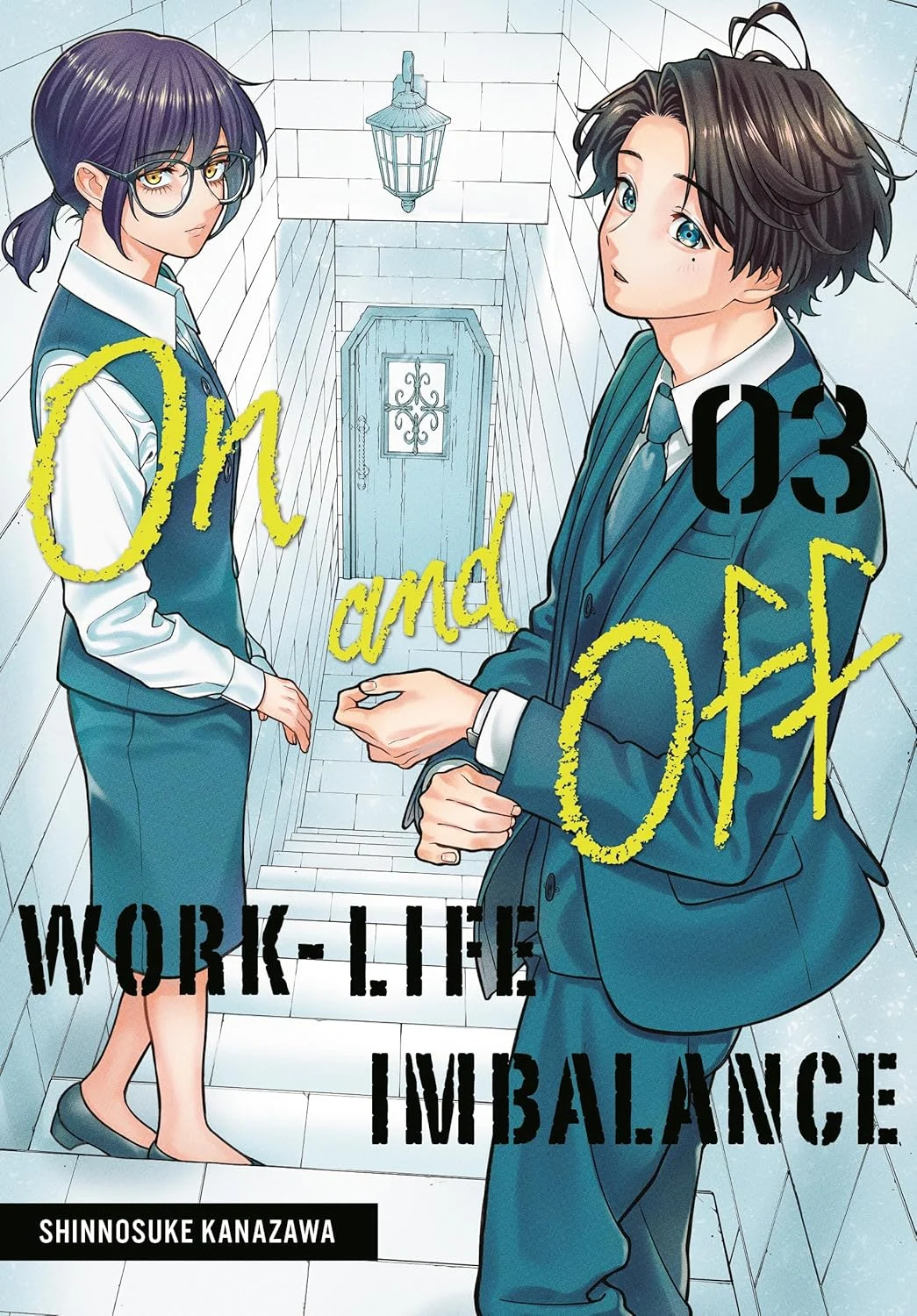
The Narrative Foundation of Dual Identities
To understand the weight of the revelations in the third volume, one must examine the established character archetypes that define the series. Hanku, the female protagonist, is perceived within the office as a "cool" professional—quiet, efficient, and somewhat distant. This persona serves as a shield, allowing her to navigate the corporate environment without drawing unnecessary attention. However, in her private life, she transforms into Aki, a punk-rock enthusiast who favors bold, alternative fashion.
Conversely, Amata is seen by his colleagues as the ideal office worker: capable, approachable, and "refreshing." This carefully curated image hides his true passion for "Lolita" fashion, specifically the ornate and feminine aesthetics reminiscent of brands like Baby, the Stars Shine Bright. Under the name Kanade, Amata expresses a side of himself that is entirely absent from his professional life. The series utilizes these contrasting aesthetics—punk and Lolita—to symbolize the diverse ways individuals seek liberation from societal expectations.
The initial volumes established a "safe space" for these characters. They met accidentally in their off-duty attire, unaware of their professional connection. This anonymity allowed them to build a bond based on their shared experience of being "outsiders" to the mainstream. However, the second volume concluded with a high-stakes cliffhanger: Amata, as Kanade, realized that his friend Aki was actually his coworker Hanku. This realization forced a confrontation with the reality that their carefully separated lives were no longer distinct.
Chronology of Events Leading to the Reveal
The progression of On and Off: Work-Life Imbalance follows a structured timeline that builds tension through the gradual erosion of the characters’ secrets.
- Volume 1: The Accidental Meeting. Hanku (Aki) and Amata (Kanade) encounter each other outside of work. They find common ground in their shared status as individuals with "hidden" lives. At this stage, neither recognizes the other as a colleague.
- Volume 2: Expanding the Social Circle. The narrative introduces Tamotsu, a friend of Aki’s who mirrors their predicament. Tamotsu is a highly respected, impeccably dressed schoolteacher by day and a punk by night. This volume explores the psychological toll of maintaining these facades and deepens the bond between Aki and Kanade. The volume concludes with Amata recognizing Hanku’s identity, leading to a moment of intense vulnerability where he admits his own secret.
- Volume 3: The Confrontation and Resolution. The latest installment begins immediately following Amata’s confession. The narrative focus shifts to the internal anxiety of the characters as they navigate the fallout of this disclosure. The chapter utilizes visual storytelling—specifically a two-page spread contrasting Amata’s corporate and Lolita attire—to highlight the gravity of the moment.
Deconstructing the Narrative Tension of Volume 3
The third volume is lauded for its handling of the "identity reveal" trope, which often relies on melodrama or conflict to drive the plot. Instead, the creator opts for a path of radical empathy. When Amata reveals his identity as Kanade to Hanku, the tension is palpable. The manga depicts his fear of rejection, a common experience for individuals whose personal expressions deviate from gender norms.
The resolution of this tension provides a masterclass in character development. Hanku’s reaction—initially perceived as stoic and judgmental—is revealed to be a result of her own prior knowledge. The narrative reveals that Hanku had already deduced Amata’s identity through various "slips," such as the mention of a cat named Little Mitsu. Her silence was not a sign of disapproval but rather an attempt to give Amata the space to come forward on his own terms.
This "heart-to-heart" serves as the emotional core of the volume. Hanku’s total acceptance of Amata’s Lolita persona alleviates the central conflict of the series. By affirming that his preferred style suits him and changes nothing about their bond, the story moves away from the anxiety of discovery and toward the benefits of transparency.
Cultural Context and the Role of Subculture Fashion
The success of On and Off: Work-Life Imbalance can be attributed to its grounding in real-world Japanese subcultures. The "Gothic Lolita" and "Punk" styles are not merely aesthetic choices in the manga; they represent a form of resistance against the "Salaryman" and "Office Lady" (OL) archetypes that dominate the Japanese workforce.
According to sociological studies on Japanese subcultures, fashion often serves as a "temporary escape" or a "third place" for individuals who feel stifled by the rigid social hierarchies of the workplace. The Lolita fashion movement, in particular, has been analyzed as a rejection of traditional adulthood and a reclamation of femininity on one’s own terms. By casting a male protagonist in this role, the manga challenges gendered expectations of fashion and provides a rare representation of male participation in the Lolita community.

Similarly, the punk aesthetic adopted by Hanku represents a departure from the "yamato nadeshiko" (idealized feminine) expectations placed on women in professional settings. The manga effectively illustrates how these subcultures provide a necessary outlet for emotional expression that the corporate world lacks.
Workplace Dynamics and the Impact of Acceptance
A significant portion of Volume 3 explores how the reveal affects the characters’ professional lives. Contrary to the trope where a secret identity leads to professional ruin, the transparency between Hanku and Amata results in improved performance and morale.
Following the reveal, both characters appear "brighter" and more comfortable at work. Their colleagues notice a change in their demeanor, suggesting that the psychological burden of maintaining a secret was a primary source of their workplace stress. This reflects broader organizational psychology data indicating that "psychological safety"—the belief that one will not be punished or humiliated for speaking up or being themselves—is a key driver of employee engagement and productivity.
The bond between the two protagonists strengthens to the point of professional collaboration. Hanku, who previously worked in isolation, begins to trust Amata with important tasks, signaling a transition from mere coworkers to genuine partners.
Market Performance and Niche Identity Narratives
While specific sales figures for On and Off: Work-Life Imbalance are proprietary to Square Enix, the series fits into a growing trend of "identity-focused" slice-of-life manga that has seen a surge in popularity globally. The "Seinen" and "Josei" demographics (aimed at adult men and women, respectively) have shown an increasing appetite for stories that deal with the realities of adult life, mental health, and social non-conformity.
The rise of digital platforms has allowed niche titles like this to find a global audience. Square Enix’s decision to publish the series in English reflects a recognition of the universal themes of work-life balance and the struggle for authenticity. The series joins a roster of titles that challenge traditional shonen or shojo tropes, opting instead for grounded, character-driven storytelling.
Broader Implications and Future Directions
As the series progresses beyond Volume 3, it hints at a shift in genre. While the initial volumes focused on the platonic support between two outsiders, the latest chapters suggest the emergence of romantic feelings, particularly from Amata’s perspective.
This potential transition into a romantic narrative presents both opportunities and risks. The strength of the series thus far has been its focus on individual growth and the validation of non-conforming identities. There is a concern among some readers that a romantic plotline might overshadow the series’ unique exploration of subculture and self-acceptance. However, if handled with the same sensitivity as the identity reveal, a romantic development could provide a deeper exploration of how authentic self-expression impacts intimate relationships.
The broader implication of the manga is its contribution to a cultural conversation about the necessity of "off-duty" lives. In an era where work-from-home trends and digital connectivity have blurred the lines between professional and personal time, the story of Hanku and Amata serves as a reminder of the importance of maintaining a private space for self-discovery.
Conclusion
On and Off: Work-Life Imbalance Volume 3 successfully navigates the most precarious moment of its narrative. By choosing acceptance over conflict, the series reinforces its message that true connection is only possible when individuals are allowed to be their authentic selves. As readers await the release of Volume 4, the series remains a vital commentary on the modern workplace and the enduring power of subculture as a means of survival. The manga stands as a testament to the idea that even in the most rigid environments, there is room for "heartening" transformation and mutual support.