Johny Imanuel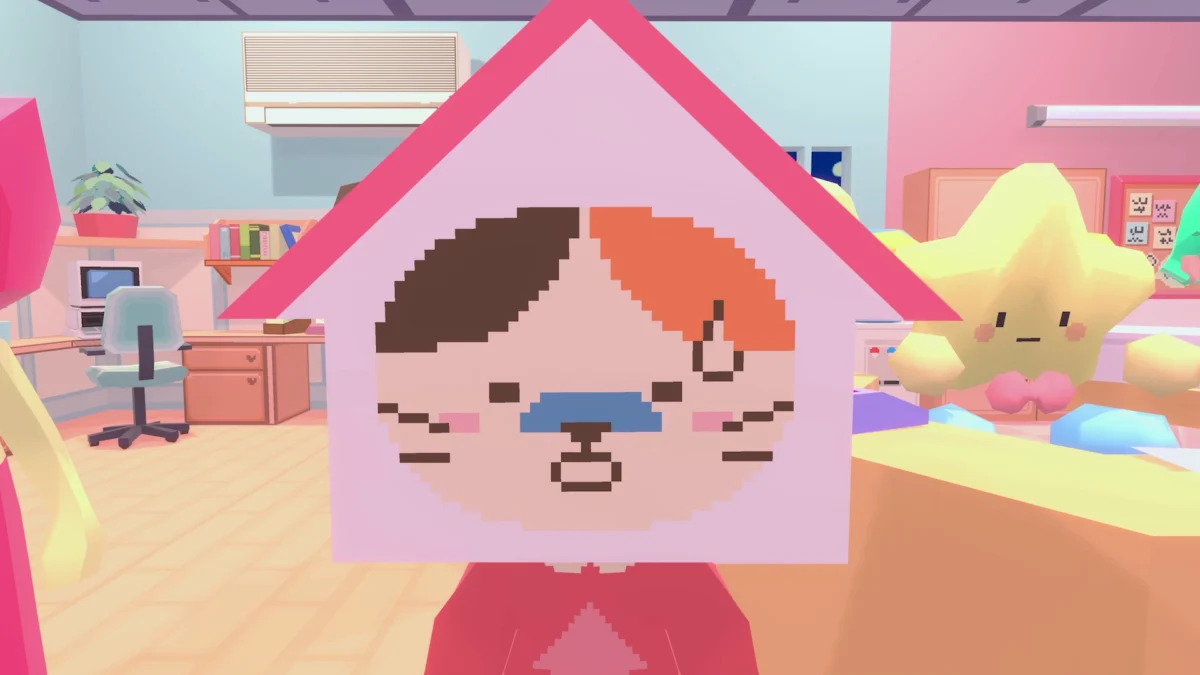
The independent gaming landscape has recently seen a surge in "cozy" titles that prioritize atmosphere and relaxation over high-intensity mechanics, and the release of Bubblegum Galaxy represents a significant milestone in this evolving genre. Developed by Smarto Club and published by Astrolabe Games, the title has officially launched across a wide array of platforms, including the Nintendo Switch, PlayStation 4, PlayStation 5, Xbox Series X|S, and PC via Steam. By blending tile-matching puzzle mechanics with a narrative centered on corporate satire and interstellar rebuilding, Bubblegum Galaxy attempts to carve out a unique niche that pays homage to the experimental design philosophy of the early 2000s.
Project Overview and Narrative Premise
Bubblegum Galaxy places players in the role of Haco, a new intern at a celestial corporation of the same name. The company’s primary function is the literal creation and maintenance of planets within the universe using proprietary software. The narrative begins during a routine training session supervised by a senior employee named Magda. In a sudden turn of events, the software suffers a "fatal exception," leading to a corrupted memory core and the total deletion of the existing galaxy. The resulting error message, "NO GALAXY FOUND," serves as the catalyst for the game’s primary loop.
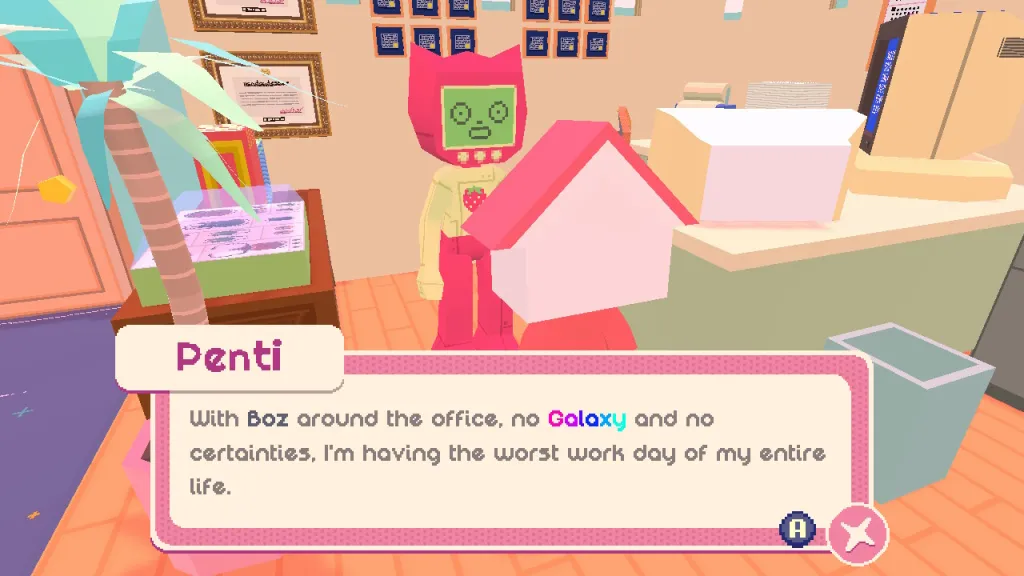
Following the catastrophic loss of data, Haco is relegated to a modest intern desk in a remote corner of the office. While the corporate hierarchy panics and colleagues like Penti—a character whose head resembles a digital virtual pet—attempt to deflect blame onto the newcomer, the objective becomes clear: the galaxy must be reconstructed tile by tile. This narrative framework serves as more than just a justification for puzzle-solving; it provides a satirical look at office culture, intern burnout, and the complexities of workplace relationships, all set against a backdrop of cosmic proportions.
Detailed Chronology of Gameplay and Progression
The progression in Bubblegum Galaxy is structured around the exploration of various Star Systems, each acting as a distinct chapter or level set. The gameplay is bifurcated into two primary modes: the planet-building puzzle phases and the social exploration phases within the corporate office.
The Reconstruction Phase
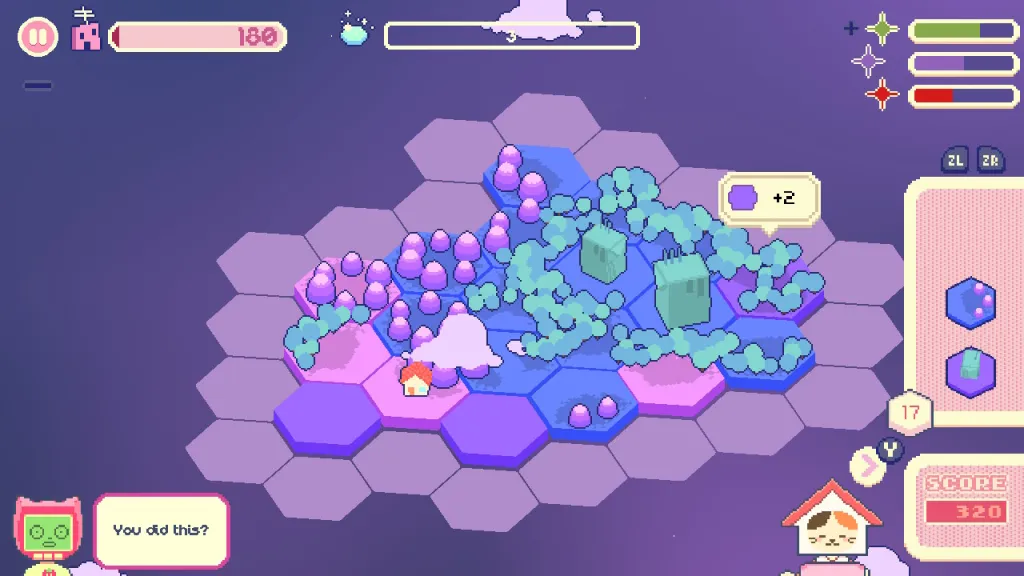
In the puzzle segments, players are tasked with meeting specific requirements to successfully "initialize" a planet. This involves placing hexagonal or square tiles that represent different biomes and topographical features. The mechanics require players to rotate, align, and connect these pieces to maximize points through "combos." Success is determined by how well the player meets the objectives set for each specific Star System, which may include creating a certain amount of landmass, connecting specific ecosystems, or achieving a target high score.
As players progress, they unlock special skills designed to mitigate the difficulty of random tile generation. these include abilities to refresh the current selection of tiles or undo a previous placement. Unlike more traditional, high-pressure puzzle games, Bubblegum Galaxy allows players to proceed at their own pace. Once the primary objectives are met, players are given the choice to finalize the planet or continue building to earn additional currency and higher rankings.
The Office and Social Interaction Phase
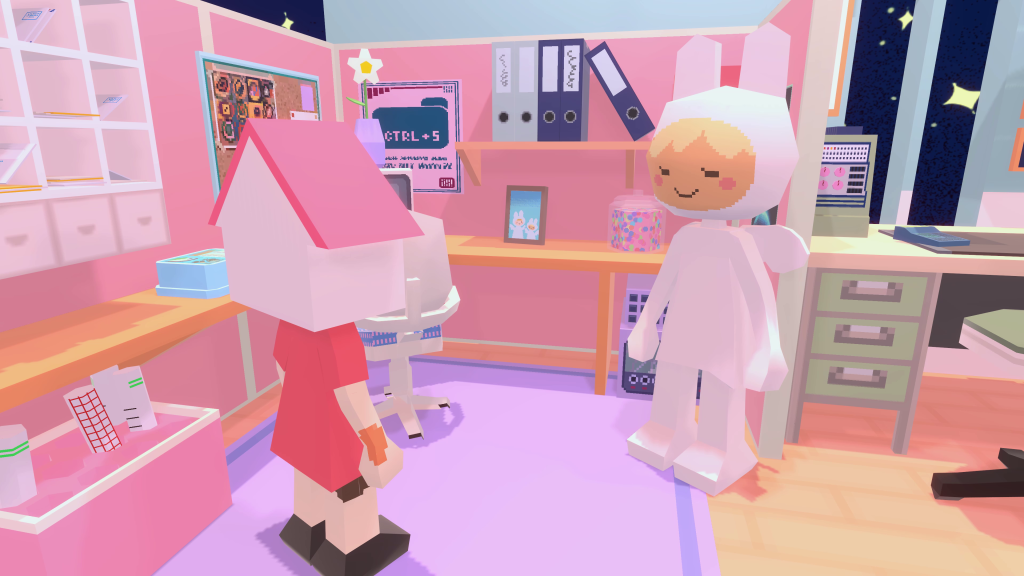
Between the reconstruction missions, players return to the Bubblegum Galaxy office. This environment serves as the hub for character development and world-building. Players can interact with a diverse cast of coworkers, each possessing a distinct personality and visual design. The social system includes a gift-giving mechanic and a friendship-tracking component. While some characters, such as Rora, remain outside the reach of the friendship system, others offer deep backstories and unique dialogue trees.
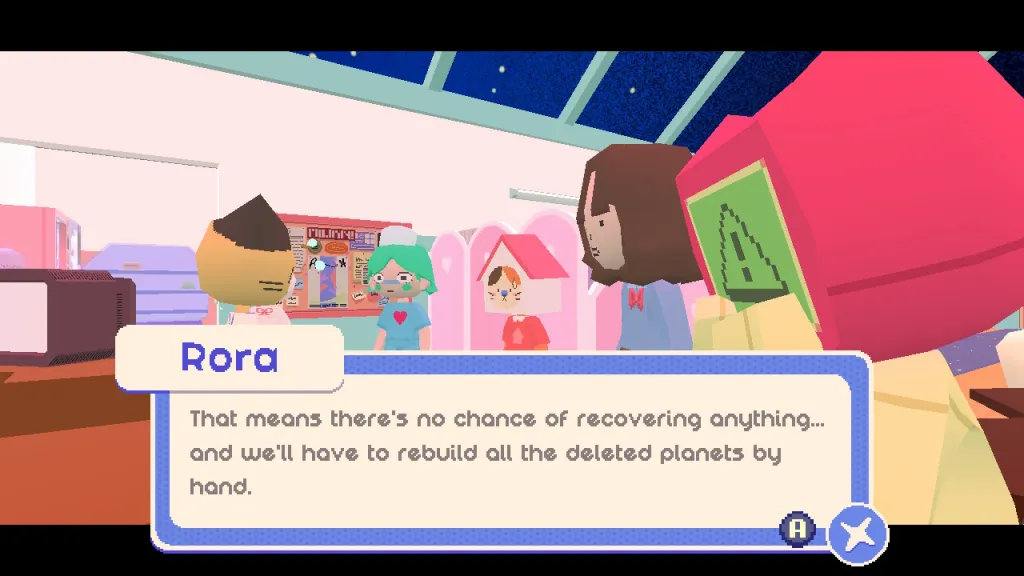
A notable technical detail within the dialogue is the inclusion of binary-encoded strings. Players who take the time to translate these sequences can uncover hidden messages and deeper lore regarding the "proprietary technology" used by the company. This layer of interaction reinforces the game’s theme of a "software-driven" universe.
Aesthetic Direction and Artistic Influences
The visual identity of Bubblegum Galaxy is perhaps its most striking feature, drawing heavy inspiration from the "Y2K" aesthetic and the works of Keita Takahashi, the visionary behind Katamari Damacy, Wattam, and Noby Noby Boy. The game utilizes a bright, polygonal art style that evokes the visual language of the PlayStation 2 era.
Character and Environmental Design
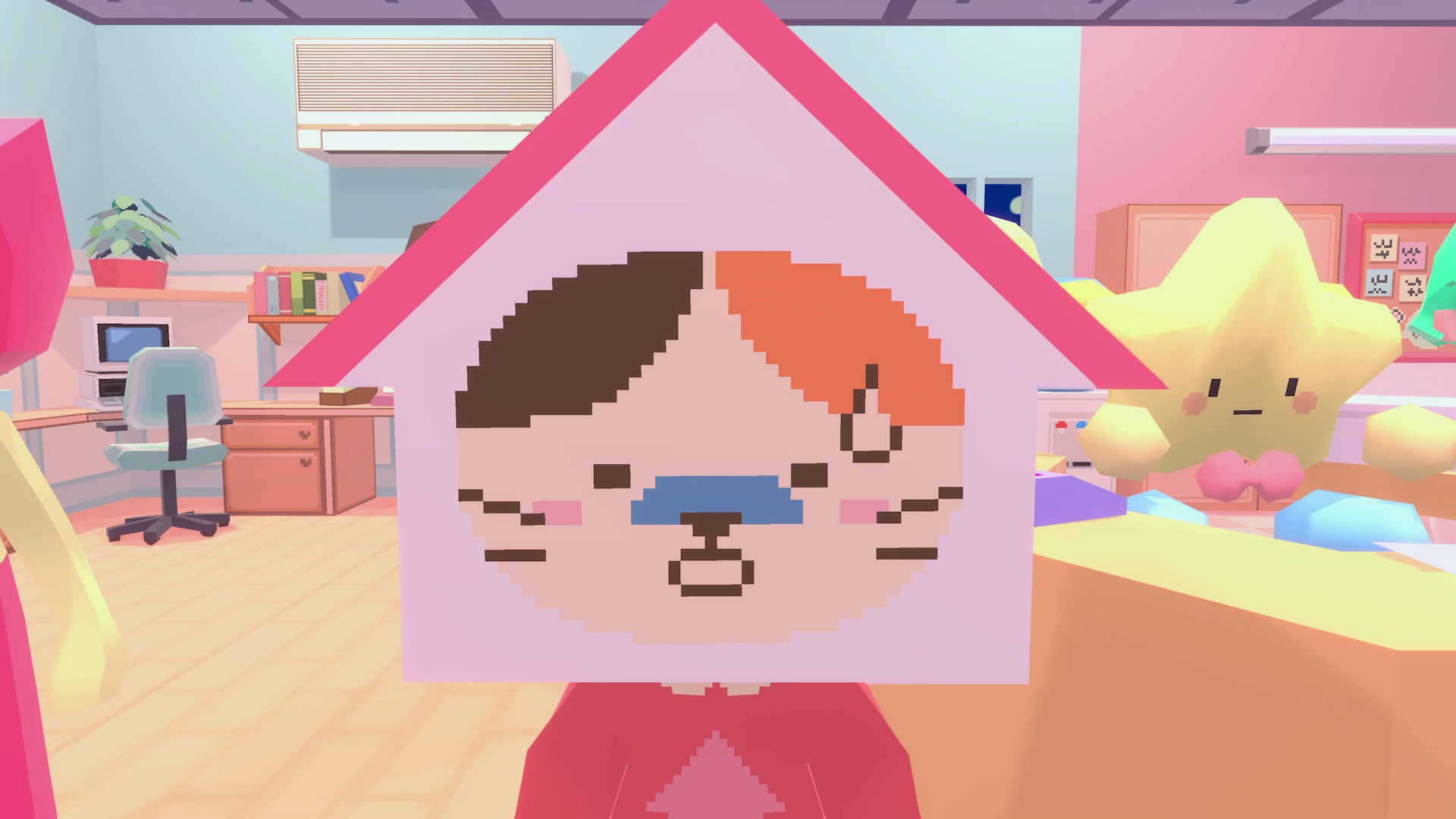
The character designs are intentionally whimsical and non-humanoid. Haco, the protagonist, is a "cat person" whose head is shaped like a small house, while Penti’s design mirrors a handheld electronic toy from the 1990s. The office environments are depicted as floating islands in a void, utilizing vibrant color palettes and moving, rainbow-colored fonts to convey tone and emphasis during dialogue sequences.
This design choice is not merely cosmetic; it serves to soften the sharp commentary on corporate life. By presenting a stressful situation—the accidental deletion of the universe—through a lens of neon colors and cute characters, the developers create a "cozy" atmosphere that encourages exploration over perfectionism.
Comparison to Genre Contemporaries
While Bubblegum Galaxy shares mechanical DNA with tile-based builders like Dorfromantik and Pan’orama, it distinguishes itself through its narrative focus. Where Dorfromantik offers a meditative, almost abstract experience of landscape creation, Bubblegum Galaxy grounds its puzzles in a specific story. The completion of a planet provides a sense of closure similar to finishing a level in Katamari Damacy, where the player’s efforts are rewarded with a finalized name and a visual representation of the newly created world.
Supporting Data and Technical Specifications
From a technical standpoint, Bubblegum Galaxy is designed to be accessible across varying hardware tiers. The game’s reliance on stylized low-poly graphics ensures consistent performance even on the Nintendo Switch’s aging hardware, while the PS5 and Xbox Series X versions benefit from faster load times and higher resolution output.
Platform Availability and Distribution
The game’s multi-platform launch strategy, managed by Astrolabe Games, indicates a push for broad market penetration within the indie sector.
- Platforms: PC (Steam), Nintendo Switch, PlayStation 4, PlayStation 5, Xbox Series X|S.
- Developer: Smarto Club.
- Publisher: Astrolabe Games.
- Language Support: Includes English, Spanish, and several other localized options.
Customization and Longevity
To encourage replayability, the developers implemented a cosmetic collection system. By achieving high scores and completing optional challenges in the Star Systems, players earn a secondary currency. This currency can be spent on office decorations and character customization items, allowing for a personalized "intern desk" and avatar appearance. This system taps into the "collector" mentality prevalent in modern puzzle and life-simulation games.
Analysis of Implications and Market Impact
The release of Bubblegum Galaxy comes at a time when the "cozy game" market is experiencing significant saturation. However, its success may lie in its willingness to incorporate "sharp commentary" alongside its soft visuals. The game addresses themes of workplace burnout—exemplified by the character Magda’s offhand remarks about avoiding intern burnout—which resonates with a modern gaming audience that increasingly views video games as a form of escapism from real-world corporate pressures.
The Resurgence of the 90s Aesthetic
Furthermore, the game’s aesthetic choices reflect a broader cultural trend known as "Frutiger Aero" or "Y2K Revivalism." By utilizing the design language of the late 90s and early 2000s, Bubblegum Galaxy appeals to the nostalgia of older millennials while providing a fresh, "retro-future" look for younger players. This visual strategy has proven successful for other indie hits and appears to be a core pillar of Bubblegum Galaxy’s identity.
Broader Industry Trends
Industry analysts suggest that the move toward "low-pressure" puzzle games represents a shift in player preferences. The success of titles like Unpacking and A Short Hike has demonstrated that there is a substantial audience for games that prioritize "ambiance and aesthetic" over traditional difficulty curves. Bubblegum Galaxy positions itself as a bridge between the pure puzzle mechanics of Dorfromantik and the character-driven charm of a visual novel.
Official Responses and Developer Intent
While specific post-launch sales figures have not yet been released, the initial reception from the gaming community highlights the game’s "enchanting" world-building. Smarto Club has emphasized that the goal of the project was to create a "relaxed and low-pressure" experience. In development logs, the team noted that the inclusion of the office social system was vital to ensuring the game felt like more than just a series of disconnected puzzles.
The developers have also indicated a commitment to post-launch support, potentially including new Star Systems or additional cosmetic items, depending on the game’s performance and community feedback. This "live-service lite" approach is becoming common among indie developers seeking to maintain engagement in a crowded marketplace.
Conclusion
Bubblegum Galaxy is a testament to the power of cohesive art direction and thematic depth in the indie puzzle genre. By taking a simple mechanic—matching tiles to build a world—and wrapping it in a narrative of corporate mishaps and cosmic wonder, Smarto Club has produced a title that is both mechanically sound and artistically distinct. Its availability across all major consoles and PC ensures that it will reach a wide audience of players looking for a "cozy" yet intellectually stimulating experience. As the industry continues to explore the boundaries of the puzzle genre, Bubblegum Galaxy stands as a colorful reminder that even a deleted galaxy can be rebuilt with a little bit of teamwork and the right tile placement.