Edi Durjana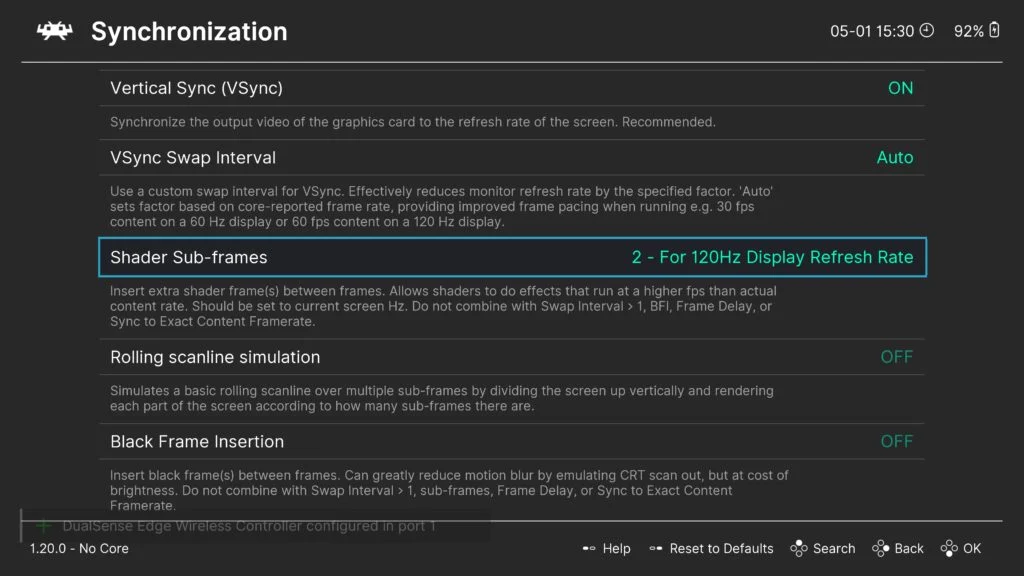
A significant advancement in display technology emulation has been announced with the introduction of a new shader for RetroArch, engineered to dramatically enhance motion clarity on contemporary high-refresh-rate screens. This innovative shader meticulously recreates the visual characteristics of Cathode Ray Tube (CRT) displays, effectively mitigating the common drawbacks associated with conventional Black-Frame Insertion (BFI) techniques. The project is a collaborative effort between Mark Rejhon of BlurBusters, a leading authority on display motion and latency, and Timothy Lottes, the acclaimed creator behind the original FXAA shader and the popular crt-lottes shaders. Leveraging RetroArch’s recently integrated "subframe" shader capabilities, this new tool operates at multiples of the standard content framerate, delivering an unparalleled visual experience for retro gaming enthusiasts and display purists alike.
The Quest for Perfect Motion: Understanding Display Challenges
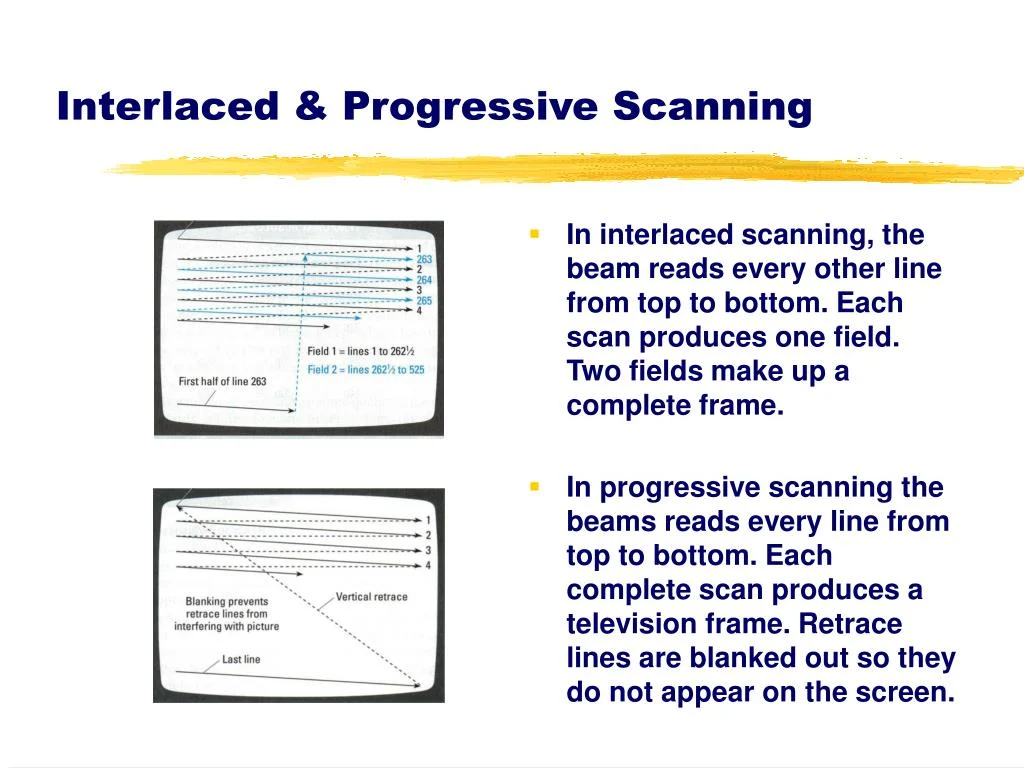
For decades, the distinct visual appeal of CRT monitors and televisions held a special place in the hearts of gamers and media consumers. A key element of this appeal was their superior motion clarity. Unlike modern Liquid Crystal Display (LCD) and Organic Light-Emitting Diode (OLED) panels, CRTs display images by rapidly scanning an electron beam across the screen, illuminating pixels for a fleeting moment before moving on. This "impulse" display method meant that each frame was only visible for a very short duration, preventing the previous frame from lingering in the viewer’s retina and causing motion blur.
Modern flat-panel displays, by contrast, operate on a "sample-and-hold" principle. Once a pixel changes color, it holds that color until the next frame is drawn. While this eliminates flicker and allows for higher brightness, it introduces inherent motion blur, especially noticeable during fast-panning camera movements or rapidly scrolling text. The human eye, tracking moving objects on a sample-and-hold display, perceives a smeared image because the object’s position on the screen remains static for the entire frame duration, even as the eye is trying to follow its perceived movement. This phenomenon, often referred to as "persistence blur," has been a persistent challenge for display manufacturers and a source of frustration for enthusiasts seeking the crisp motion of classic displays.
Traditional Solutions and Their Limitations: The BFI Conundrum
In response to the limitations of sample-and-hold displays, various techniques have emerged to improve motion clarity. One of the most common is Black-Frame Insertion (BFI). BFI works by inserting a brief black frame between each displayed game frame. This effectively reduces the "hold" time of each image, mimicking the short illumination pulse of a CRT. By momentarily turning off the backlight or pixels, BFI aims to reset the viewer’s perception, allowing the eye to track moving objects more clearly.
While BFI can be effective in reducing motion blur, it comes with several significant drawbacks. The most prominent issue is a noticeable reduction in perceived brightness, as the display is effectively "off" for a portion of each refresh cycle. This can make the image appear dim and less vibrant. Furthermore, the rapid on-off cycling can introduce visible flicker, which can be fatiguing for some users and may even trigger headaches or eye strain. On certain panel technologies, particularly some LCDs, prolonged use of BFI can also lead to issues like image persistence or even, in extreme cases, contribute to burn-in on susceptible panels due to the rapid voltage fluctuations. The trade-off between motion clarity and these undesirable side effects has often forced users to choose one over the other.
A New Paradigm: The CRT Beam Racing Shader
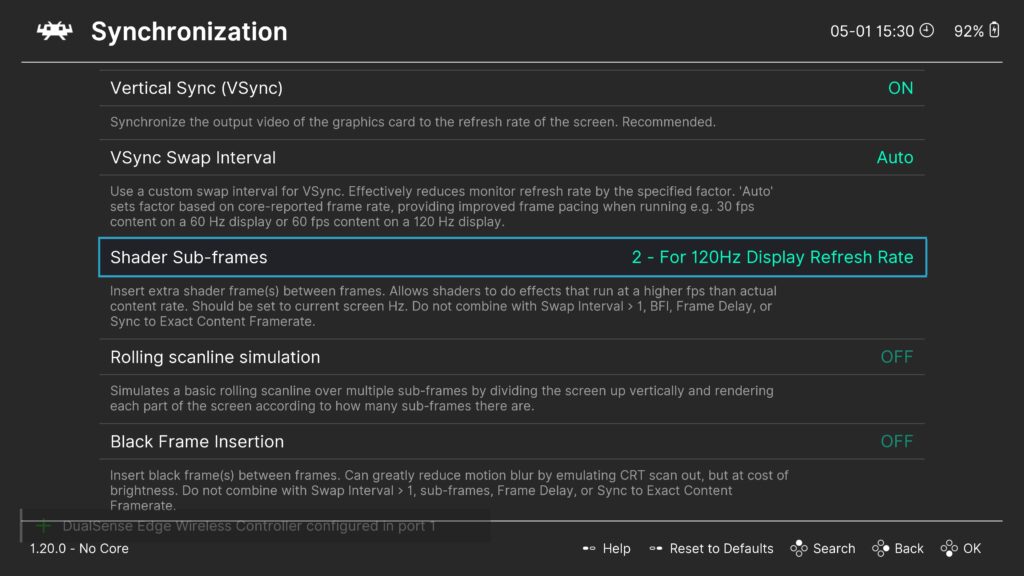
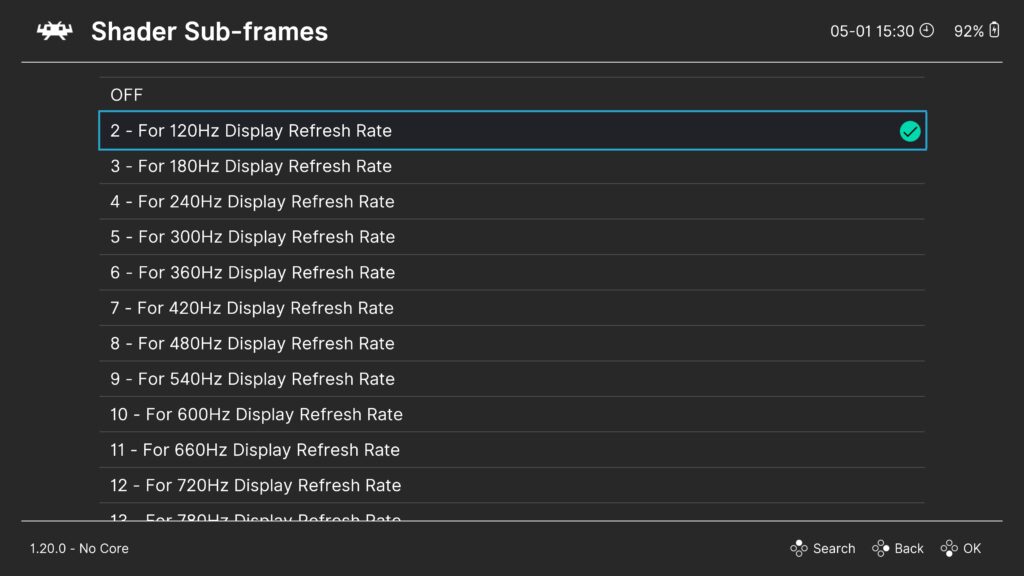
The newly released shader for RetroArch represents a paradigm shift, offering a solution that transcends the traditional BFI compromise. At its core, the shader leverages RetroArch’s cutting-edge "subframe" shader capabilities. This feature allows the emulator to render and process multiple "sub-frames" within a single display refresh cycle, operating at multiples of the content’s native framerate. For instance, a game running at 60 frames per second on a 120 Hz monitor can utilize two subframes per refresh, while a 240 Hz monitor could manage four.
This multi-subframe approach is crucial because it allows the shader to simulate the precise scanning behavior of a CRT electron beam. Instead of simply inserting a black frame, the shader dynamically renders the image progressively, line by line or section by section, much like how a CRT’s electron beam scans across the screen to draw an image. This "beam racing" simulation creates the illusion of a moving raster line, which drastically improves motion clarity without the jarring flicker or severe brightness reduction of conventional BFI. The result is an authentic, crisp motion presentation that closely mirrors the experience of playing on a genuine CRT.
The Visionaries Behind the Innovation
The development of this groundbreaking shader is the product of exceptional talent and dedication. Mark Rejhon, widely recognized as the founder of BlurBusters, has long been a vocal advocate and expert on display motion clarity. His work at BlurBusters has been instrumental in educating the public and industry about the nuances of display performance, latency, and motion blur. Rejhon’s deep understanding of human visual perception and display technology has been pivotal in conceptualizing and refining the "beam racing" approach.
Joining him is Timothy Lottes, a name synonymous with innovation in real-time graphics. Lottes is best known for creating the Fast Approximate Anti-Aliasing (FXAA) shader, a widely adopted technique for smoothing jagged edges in video games, as well as the highly regarded crt-lottes shaders, which have been a staple in the retro gaming community for their authentic CRT scanline emulation. His expertise in shader development and graphics rendering has been indispensable in translating the theoretical concepts of beam racing into a practical, high-performance RetroArch shader. The collaboration between these two titans of display and graphics technology underscores the shader’s robust technical foundation and its potential to set new standards.
Technical Requirements and Getting Started
To experience the benefits of this advanced shader, users must ensure they are running RetroArch version 1.20.0 or a more recent iteration. This is a critical prerequisite, as previous versions lack the necessary "Shader Sub-frames" feature that the CRT Beam Racing shader relies upon for its unique operation. Nightly builds of RetroArch are also fully compatible, ensuring that users always have access to the latest developments.
For users eager to implement the shader on their high-refresh-rate monitors (120 Hz or higher), the process involves a few straightforward steps within RetroArch’s intuitive interface:
- Update RetroArch: Ensure your RetroArch installation is updated to at least version 1.20.0. This can typically be done via RetroArch’s built-in online updater or by downloading the latest version from the official Libretro website.
- Download Shaders: Navigate to the
Online Updaterwithin RetroArch’s main menu, then selectUpdate Shaders (Slang). This will download the latest shader pack, which includes the new CRT Beam Racing shader. - Load a Core and Content: Start any game or content using a RetroArch core.
- Access Shader Menu: While the content is running, open the RetroArch Quick Menu (usually F1 on keyboard, or a hotkey combination on controllers). Navigate to
Shaders. - Enable Shaders: Ensure
Shadersis set toON. - Load Shader Preset: Select
Load Shader Presetand browse toshaders_slang/presets/crt-beam-simulator. Here you will find pre-made presets designed for various configurations. Alternatively, you can manually loadcrt-beam-simulator.slangpand thenApply Changes. - Configure Video Settings: For optimal results, ensure your RetroArch video settings are configured to match your monitor’s highest refresh rate (e.g., 120Hz, 144Hz, 240Hz). This can usually be found under
Settings -> Video -> Output -> Video Refresh Rate. - Apply Changes: After loading the preset, select
Apply Changesto activate the shader.
One of the shader’s most appealing features is its modularity. It can be seamlessly combined with other shader presets, allowing users to layer effects. For instance, those who enjoy the aesthetic of classic CRT scanlines can prepend the CRT Beam Racing shader to their favorite existing CRT shader presets, creating a composite effect that enhances both motion clarity and visual authenticity. This flexibility allows for a highly personalized retro gaming experience, blending cutting-edge motion emulation with beloved visual filters.
Fine-Tuning for Optimal Performance
Once the shader is active, it offers a suite of runtime parameters accessible within RetroArch’s shader options, allowing for precise tuning based on individual display characteristics and user preferences. These parameters are crucial for achieving a balanced and visually pleasing output.
- Gamma Adjustment: A key parameter allows users to adjust the gamma to achieve a neutral image. This is essential for eliminating any unusual dark lines or brightness inconsistencies that might arise from the beam racing simulation, ensuring the image maintains its intended luminosity and contrast.
- Brightness/Motion Clarity Trade-off: Another critical control allows users to fine-tune the balance between overall brightness and motion clarity. While the shader inherently reduces brightness less than traditional BFI, some adjustment may still be desired. For displays running at 120 Hz (utilizing 2 subframes), a value of approximately 0.5 for this parameter has been found to yield excellent results, striking a good balance. For higher refresh rate monitors, such as 240 Hz displays (employing 4 subframes), a value around 0.7 often proves ideal, maximizing clarity while retaining sufficient brightness. These adjustments empower users to customize the visual fidelity to their exact specifications.
Display Compatibility and Advanced Features
A notable advantage of this shader lies in its intelligent design, which takes into account the varying characteristics of modern display technologies. Not all flat-panel monitors are equally susceptible to image persistence, an issue caused by voltage accumulation in the panel due to rapid on/off flickering, a common side effect of traditional BFI.
- OLED Panels: OLED displays, for example, are inherently less affected by such issues. Their self-emissive nature means that each pixel generates its own light and can be individually turned on or off without relying on a backlight, making them highly responsive and less prone to persistence.
- Odd Integer Multiples of 60 Hz: Monitors running at refresh rates that are odd integer multiples of 60 Hz, such as 180 Hz, also tend to exhibit different behaviors with flickering techniques.
For users with these types of displays, the shader includes a specific runtime parameter to disable the "cycle timing offset." This feature prevents the simulated raster line from rolling up the screen, which might otherwise be an unwanted artifact on displays that don’t suffer from the typical BFI-related persistence issues. Additionally, a parameter is available to adjust the precise position of the simulated raster line, enabling users to place it in the least obtrusive or most aesthetically pleasing spot for their particular setup and content. This level of granular control ensures that the shader delivers an optimized experience across a diverse range of modern display hardware.
Community Support and Further Resources
The developers are committed to providing comprehensive support for this innovative shader. Mark Rejhon has established an extensive FAQ and troubleshooting guide on his GitHub repository (accessible at https://github.com/blurbusters/crt-beam-simulator/issues/4). This resource serves as a primary hub for common questions, known issues, and potential solutions.
Beyond the GitHub repository, users can also seek assistance through RetroArch’s established community channels. The official Libretro Discord server, Reddit communities dedicated to RetroArch and retro gaming, and the official Libretro forums are all vibrant platforms where users can share experiences, ask questions, and receive support from both fellow enthusiasts and developers. This multi-pronged approach ensures that users have ample resources to troubleshoot any issues and maximize their enjoyment of the CRT Beam Racing shader.
For those who wish to delve deeper into the technical underpinnings and visual impact of this shader, a highly informative video from a respected expert in display technologies is available (linked in the original announcement and embedded on the Libretro website). This video provides a detailed demonstration and explanation, further solidifying the shader’s revolutionary capabilities and its potential to transform the retro gaming experience.
Broader Implications and the Future of Emulation
The introduction of the CRT Beam Racing shader is more than just a new feature for RetroArch; it represents a significant milestone in the ongoing effort to authentically preserve and recreate classic gaming experiences on modern hardware. By overcoming the long-standing challenge of motion clarity on sample-and-hold displays, this shader brings a crucial element of the original CRT experience to contemporary screens, elevating the fidelity of emulation to new heights.
This innovation underscores the power of open-source development and collaborative efforts within the retro gaming community. RetroArch, as a platform, continues to push the boundaries of what is possible, enabling developers like Mark Rejhon and Timothy Lottes to implement sophisticated techniques that bridge the gap between vintage aesthetics and modern technological capabilities. The "subframe" shader capability itself is a testament to RetroArch’s forward-thinking architecture, providing a robust framework for future display-enhancing innovations.
The impact extends beyond mere nostalgia. For developers and researchers in display technology, this shader provides a practical demonstration of how impulse-driven motion can be simulated effectively on persistence-based panels. It could potentially influence future display designs or software-level optimizations, demonstrating that the pursuit of CRT-like motion clarity remains a valuable goal. As display refresh rates continue to climb, techniques like "beam racing" will become even more effective, paving the way for a future where the distinction between original and emulated visual experiences becomes increasingly blurred. This shader not only enriches the present but also points towards an exciting future for digital display technology and the art of preservation.