Johny Imanuel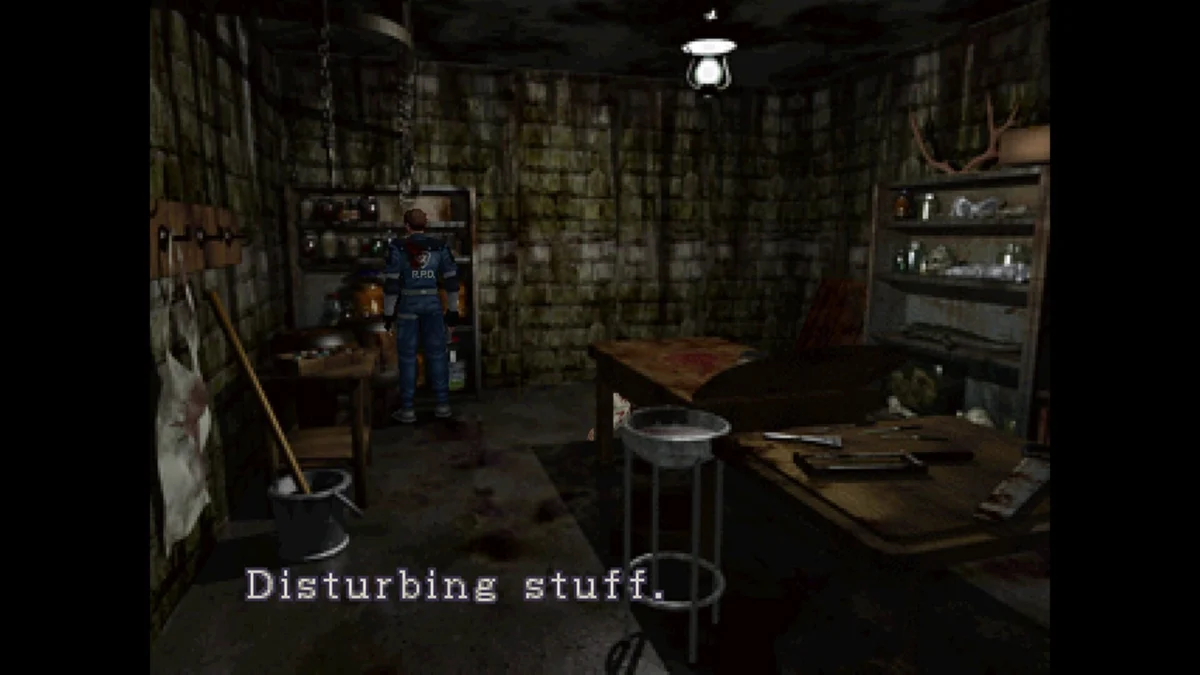
Capcom’s expansion of its classic library onto modern digital storefronts has reached a new milestone with the official release of Resident Evil, Resident Evil 2, Resident Evil 3: Nemesis, and Breath of Fire IV on the Steam platform. While these legendary titles have long been sought after by PC enthusiasts, their arrival on the world’s largest gaming storefront comes with specific technical caveats and a collaborative development history that bridges the gap between different digital philosophies. These versions, which were previously exclusive to the GOG (formerly Good Old Games) storefront as part of a high-profile preservation initiative, are now available to a broader audience, albeit with the addition of digital rights management (DRM) software that was notably absent from their initial re-releases.
The Transition to Steam and the Implementation of DRM
The transition of these four titles to Steam marks a significant shift in Capcom’s distribution strategy for its legacy content. When Resident Evil, Resident Evil 2, Resident Evil 3: Nemesis, and Breath of Fire IV were first re-launched in 2024, they were headlined as part of the GOG Preservation Program. A hallmark of GOG’s business model is the total absence of DRM, allowing users to download and archive their purchases without the need for an active internet connection or background verification software.
However, the Steam iterations of these games deviate from this "DRM-free" approach. Capcom has confirmed that the Steam versions utilize The Enigma Protector, a third-party DRM solution designed to prevent software tampering and unauthorized distribution. In addition to the DRM, users are required to provide consent to an End User License Agreement (EULA) before the software can be launched. This move has sparked discussion within the PC gaming community, as The Enigma Protector has previously been a point of contention in other Capcom titles, such as Monster Hunter Rise and Resident Evil Revelations, where players reported concerns regarding performance impacts and compatibility with community-made mods.
A Chronology of the Re-Release Strategy
The journey of these titles back to the PC market has been a multi-stage process involving collaboration between Capcom and GOG’s internal engineering teams. To understand the current Steam launch, it is necessary to look at the timeline of events that led to this point:
- Original PC Releases (Late 90s/Early 2000s): The original Windows ports of the Resident Evil trilogy and Breath of Fire IV were released shortly after their PlayStation debuts. Over time, these versions became increasingly difficult to run on modern operating systems due to deprecated DirectX versions, resolution limitations, and outdated movie codecs.
- The GOG Preservation Announcement (2024): Capcom partnered with GOG to revive these titles. GOG’s team spent months updating the source code to ensure compatibility with Windows 10 and 11, adding features such as improved controller support, windowed mode, and modernized rendering.
- GOG Exclusive Window: The games were released individually and as part of a bundle on GOG, marketed specifically to fans who value ownership and preservation.
- The Steam Expansion (2024): Following the successful run on GOG, Capcom moved the "Preserved" versions to Steam to capitalize on the platform’s massive user base. Because GOG’s technical team performed the heavy lifting for the modernization of the code, GOG is officially credited as a co-developer on the Steam product pages.
Technical Specifications and Preservation Improvements
Despite the inclusion of DRM on the Steam versions, the core software remains the same "Preserved" build developed for GOG. This is a critical distinction for fans who may have been disappointed by previous "emulated" ports. These versions are native Windows applications that have been optimized for contemporary hardware.
Key technical improvements included in these releases are:
- Enhanced Compatibility: Full support for Windows 10 and Windows 11.
- Controller Support: Modern XInput and DirectInput support, allowing players to use PlayStation, Xbox, and Nintendo Switch controllers without third-party mapping software.
- Improved Rendering: The games feature improved timing for cutscenes and frame rates, addressing bugs where the original games would run too fast or too slow on modern CPUs.
- Quality of Life Features: Options for improved display scaling, ensuring that the original 4:3 aspect ratio is maintained correctly on 16:9 and 21:9 monitors.
For Resident Evil 2 and 3 specifically, these versions include the original "Arrange" modes and bonus content that were present in the initial PC releases of the late 90s, such as the Extreme Battle mode and additional costumes.
Pricing Structures and Launch Incentives
Capcom has synchronized the base pricing across both platforms, setting a standard MSRP of $9.99 per title. This pricing strategy reflects the effort put into the preservation process while acknowledging the age of the software. However, to celebrate the Steam launch, Capcom has initiated a significant promotional period.
Until April 15, 2026, all four games—Resident Evil, Resident Evil 2, Resident Evil 3: Nemesis, and Breath of Fire IV—are available at a 50% discount on Steam, bringing the price down to $4.99 per game. Interestingly, this specific sale is exclusive to the Steam storefront and has not been mirrored on GOG at the time of the announcement. This aggressive pricing suggests Capcom is aiming to quickly build a player base on Steam, perhaps to offset any potential friction caused by the inclusion of The Enigma Protector DRM.
The Historical Significance of the Resident Evil Trilogy
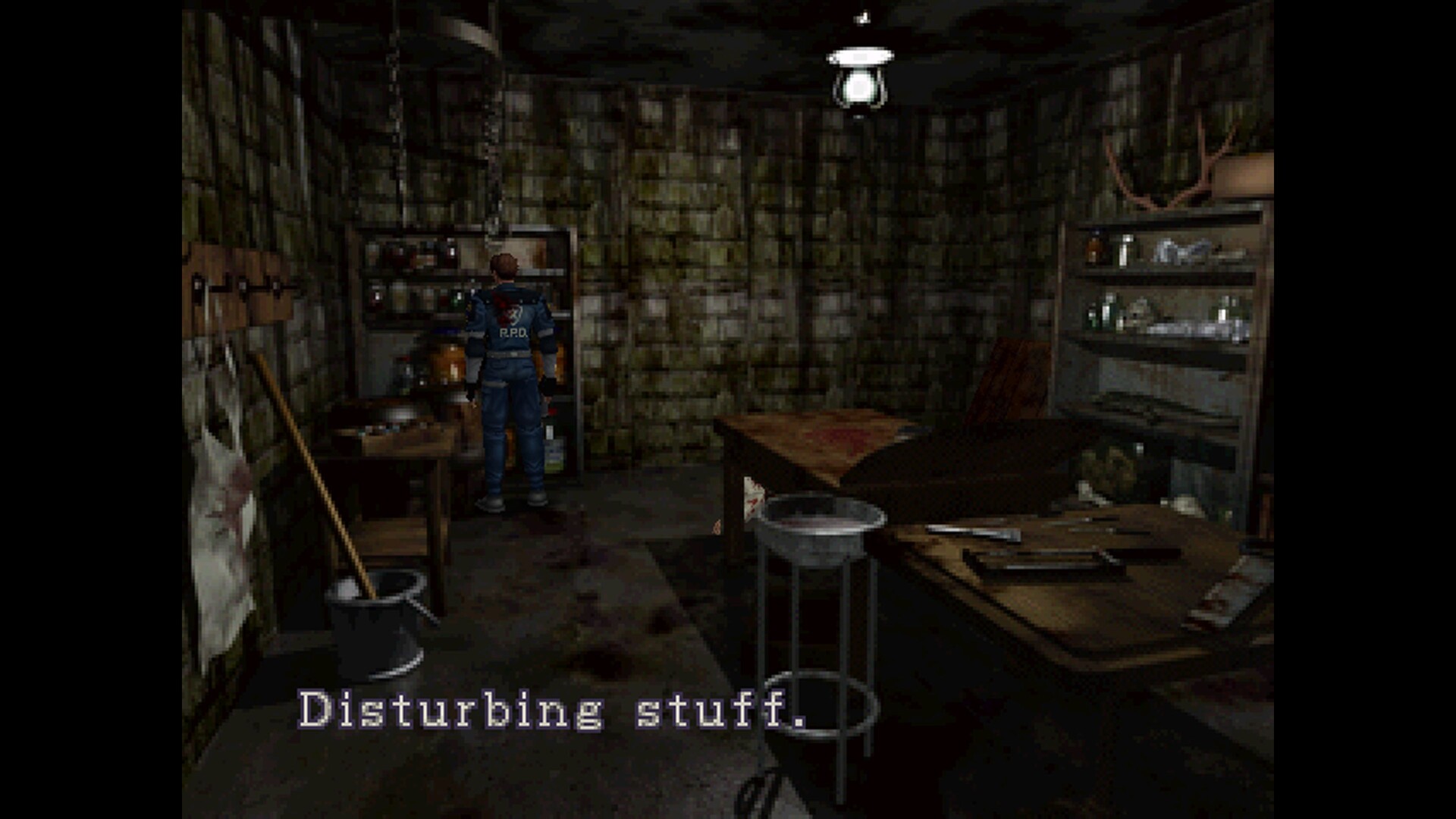
The re-release of the original Resident Evil trilogy on Steam is a major event for the survival horror genre. While the 2002 REmake and the more recent RE2 and RE3 remakes have been available on Steam for years, the original "tank control" versions remained legally unavailable in digital formats for decades.
- Resident Evil (1996): This title defined the survival horror genre. Its arrival on Steam allows players to experience the "fixed camera" perspective and the iconic Spencer Mansion in its original form.
- Resident Evil 2 (1998): Widely considered one of the greatest sequels in gaming history, the original RE2 introduced the "Zapping System," where actions taken by one character (Leon or Claire) would affect the other’s campaign.
- Resident Evil 3: Nemesis (1999): This entry introduced the titular Nemesis, a persistent pursuer that could follow the player through doors, a revolutionary mechanic at the time. It also featured a "Live Selection" system that changed the branch of the story based on player decisions.
By bringing these specific versions to Steam, Capcom is allowing a new generation of players to see the mechanical evolution of the series without the filters of modern remake sensibilities.
Breath of Fire IV: A Cult Classic Reborn
While the Resident Evil titles may command more mainstream attention, the inclusion of Breath of Fire IV is equally significant for the RPG community. Originally released in 2000, Breath of Fire IV is often cited as the pinnacle of Capcom’s traditional JRPG efforts.
The game is renowned for its unique dual-protagonist narrative, following Ryu, the traditional hero, and Fou-Lu, the ancient god-emperor who serves as the antagonist. The game’s art style—a blend of highly detailed 2D character sprites and 3D environments—remains visually striking today. Its arrival on Steam via the GOG Preservation builds ensures that its complex combo-based combat system and atmospheric storytelling are accessible without the need for original hardware or gray-market emulation.
Industry Implications and Community Reaction
The dual-storefront release of these games highlights a growing trend in the industry: the "Preservation-as-a-Service" model. By partnering with GOG, Capcom has successfully outsourced the difficult task of modernizing legacy code while retaining the rights to sell that code on other platforms like Steam.
However, the reaction from the community has been mixed. While the accessibility of these games is being celebrated, the "Steam version with DRM" versus "GOG version without DRM" creates a divide in consumer value. Analysts suggest that Capcom’s use of The Enigma Protector is likely a corporate mandate to protect intellectual property on a platform as large as Steam, where piracy and unauthorized modifications are more prevalent.
Furthermore, the long-term sale ending in 2026 suggests that Capcom views these as evergreen titles that will provide a steady stream of revenue over the next several years. It also sets a precedent for other Capcom classics—such as Dino Crisis or the Onimusha sequels—to potentially receive the same preservation treatment.
Conclusion: A New Chapter for Legacy Gaming
The arrival of Resident Evil 1-3 and Breath of Fire IV on Steam represents a victory for game accessibility, even as it serves as a reminder of the differing philosophies regarding digital ownership. For players who prioritize convenience and the Steam ecosystem, the current 50% discount offers an affordable entry point into gaming history. For those who prioritize preservation and performance, the GOG versions remain the definitive choice.
As Capcom continues to mine its rich history for modern audiences, the collaboration with GOG and the expansion to Steam provide a blueprint for how other publishers might handle their own aging libraries. Whether through the lens of survival horror or the epic scope of a classic RPG, these titles remain as influential today as they were over two decades ago.