Ganda Hendra Perkasa
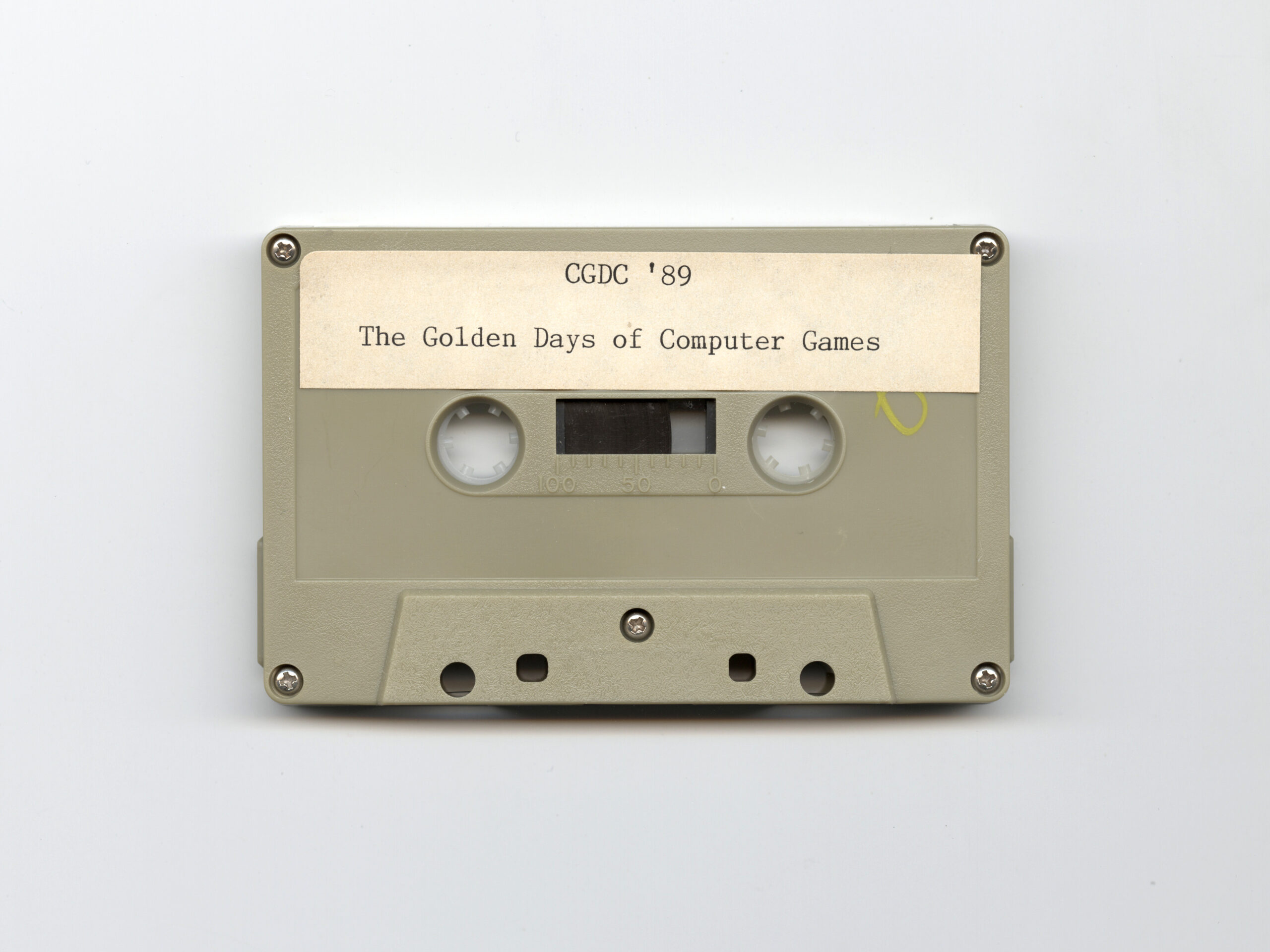
The digital archives of video game history have been significantly enriched with the recent release of digitized lecture recordings from the 1989 Computer Game Developers’ Conference (CGDC). This groundbreaking collection, made accessible following the conclusion of the 2026 Game Developers Conference (GDC), offers an unprecedented glimpse into the nascent stages of the computer game industry. The recordings, painstakingly digitized from original cassette tapes, capture the insights and discussions of pioneers who laid the foundation for the multi-billion dollar global entertainment sector we know today. The preservation and release of these artifacts are a testament to the dedication of organizations like the Video Game History Foundation and the Game Developers Conference itself, ensuring that the foundational moments of digital interactive entertainment are not lost to time.
The Dawn of a Digital Revolution: Context of CGDC 1989
The third-ever GDC, held in May 1989 at the Sunnyvale Hilton Hotel, convened at a pivotal juncture for computer game development. The industry, while burgeoning, was a far cry from the sprawling, corporatized landscape of today. Estimates suggest that the 1989 conference hosted a modest attendance of approximately 300 professionals, a stark contrast to the thousands who now flock to GDC annually. This smaller, more intimate gathering fostered a sense of community where many attendees knew each other personally. The surviving recordings often feature speakers addressing audience members by name, underscoring this close-knit atmosphere.
The landscape of 1989 was characterized by innovation driven by a passionate, albeit smaller, group of creators. Personal computers were gaining traction, and developers were experimenting with new forms of interactive storytelling and gameplay. Companies like Sierra On-Line, Accolade, and Electronic Arts were beginning to establish themselves, while emerging technologies promised richer graphical experiences and more complex game mechanics. This era was marked by a pioneering spirit, where the very definitions of game design, publishing, and audience engagement were being forged. The challenges were immense, from limited processing power and storage to the evolving understanding of intellectual property and market dynamics. Yet, it was this period of intense creative exploration and entrepreneurial drive that set the stage for the industry’s exponential growth in the subsequent decades. The lectures from CGDC 1989 therefore represent not just historical documents, but crucial primary sources for understanding the genesis of a cultural and economic phenomenon.
A Treasure Trove of Early Insights
The collection features nearly every lecture from the 1989 event, a remarkable feat of preservation. The original audio tapes, manually dubbed by GDC co-founder Tim Brengle, have been digitized and made available through the Video Game History Foundation’s digital library. This initiative ensures that these invaluable historical documents are accessible for research, education, and the appreciation of gaming history. The significance of these recordings lies not only in their age but in the caliber of the individuals who participated. The roster of speakers includes individuals who would go on to become titans of the industry, shaping its trajectory through their vision and innovation.
Notable figures whose voices are preserved on these tapes include Danielle Bunten Berry, a pioneering game designer known for titles like The Seven Cities of Gold and M.U.L.E., and Bing Gordon, who would later become a key executive at Electronic Arts and a significant influence on the industry’s business strategies. Chris Crawford, a prominent game designer and critic, and Richard Garriott, the creator of the iconic Ultima series, are also among the speakers. Steve Cartwright, known for his work on titles like Activision’s Barnstorming, further adds to the roster of influential figures. The presence of these individuals at such an early conference highlights its importance as a forum for the exchange of ideas among the leading minds of the time. Their discussions provide a unique window into the creative processes, technical challenges, and business considerations that defined early computer game development.
Highlights from the 1989 Conference
The collection offers a diverse range of topics, reflecting the multifaceted nature of game development even in its early stages. Several talks stand out for their prescient insights and historical significance:
"The Golden Days of Computer Games"
This panel, featuring Dani Bunten, Steve Cartwright, Chris Crawford, Jon Freeman, and Richard Garriott, delves into what was already considered the "golden days" of computer gaming – the 1980s. The discussions reveal a sense of nostalgia for a time when developers packaged their own games and the industry’s future was uncertain. This perspective from 1989 underscores the rapid evolution of the field, where even a decade of development could evoke a sense of historical distance. The panel’s composition alone is a testament to the early luminaries of the industry, offering a direct line to their formative experiences and perspectives.
"Movies and Games: Living with a License"
With speakers Steve Cartwright, Elaine Ditton, Noah Falstein, and Eric Goldberg, this panel addresses the complex relationship between the burgeoning video game industry and established media licenses. The discussion touches upon the challenges and opportunities presented by adapting intellectual property from other mediums, with specific mention of the Three Stooges computer game. The conversation also hints at the volatile nature of licensed game development, referencing projects like the Barbie game for the Commodore 64, which likely involved significant creative and business hurdles. This talk provides valuable context on early cross-media collaborations and the business realities that accompanied them.
"The Press and Games"
This unique panel brings together Johnny Wilson, an editor from Computer Gaming World, and Charlotte Taylor-Skeel, the public relations manager for Accolade. Their discussion explores the critical relationship between game publishers and the media. The fact that developers were actively contemplating and discussing press relations in 1989 highlights a growing understanding of marketing, public perception, and the influence of gaming publications on consumer purchasing decisions. This demonstrates a maturation of the industry beyond pure development into strategic communication.
"Interactive Storytelling"
Dave Albert of Electronic Arts leads this session, which begins as a lecture on storytelling and evolves into an engaging, Socratic dialogue with the audience. The recording offers a glimpse into the interactive nature of GDC itself, where audience participation was encouraged. Albert’s conversation with an attendee identified as "Brenda" opens up possibilities for identifying other prominent figures in attendance, potentially including Brenda Laurel, a significant figure in human-computer interaction and interactive narrative, or Brenda (Garno) Romero, a highly respected game designer. This segment illustrates the dynamic intellectual exchange that characterized the conference.
"The Publishers’ Panel"
As the final panel of CGDC 1989, this session features key executives from major American computer game companies, including Gary Carlston, Bruce Davis, Peter Doctorow, Robert Garriott, Trip Hawkins, and Joe Miller. Their discussions focus on the state of the industry, particularly addressing what they termed "the slump" in the U.S. computer game market. A particularly fiery segment features Trip Hawkins, founder of Electronic Arts, vociferously criticizing Nintendo’s closed ecosystem practices for the Nintendo Entertainment System (NES) and predicting its eventual decline. This provides a crucial insight into the business strategies, market anxieties, and inter-company rivalries that shaped the early days of console and computer gaming.
The Missing Pieces and the Path Forward
While the current collection is extensive, it is believed that two talks from CGDC 1989 were not recorded. Furthermore, 22 roundtable discussions, including one reportedly featuring counterculture icon Timothy Leary, are also not believed to have been captured. The absence of these recordings represents a small but notable gap in the historical record. However, the available materials provide an unparalleled opportunity to immerse oneself in the intellectual atmosphere of that formative period.
The comprehensive cataloging of this collection was made possible through collaboration with the Department of Special Collections at Stanford University Libraries. Their provision of a copy of the CGDC 1989 program from the Steve Meretzky papers served as an essential reference for organizing and contextualizing the recordings. This collaborative effort underscores the importance of institutional partnerships in preserving and disseminating historical data.
The Game Developers Conference has graciously granted permission for these recordings to be shared, acknowledging the immense historical value they hold. Special recognition is due to GDC co-founder Tim Brengle, whose personal effort in manually dubbing these cassette tapes decades ago made their digitization possible. His dedication, even 37 years after the event, is a cornerstone of this historical preservation project.
Supporting Game History Initiatives
These newly released recordings are freely available as part of the Video Game History Foundation’s expanding digital library, a vital resource for research materials related to video game history. Projects of this nature, which involve significant investment in digitization equipment and archival efforts, are sustained by public support. The Video Game History Foundation’s acquisition of new audio digitization equipment for this project signifies a commitment to ongoing preservation efforts, ensuring that future discoveries can be similarly documented and shared. The availability of such primary source materials is critical for scholars, developers, and enthusiasts seeking to understand the evolution of interactive entertainment.
The release of the CGDC 1989 recordings represents a significant milestone in the preservation of video game history. It offers a tangible connection to the pioneers who shaped the industry, providing invaluable insights into their challenges, innovations, and aspirations. As the digital landscape of gaming continues to evolve at an unprecedented pace, understanding its origins becomes increasingly crucial for appreciating its present and envisioning its future. This collection serves as a powerful reminder of the foundational work that underpins the sophisticated interactive experiences enjoyed by millions worldwide today.