Chalid Lutfie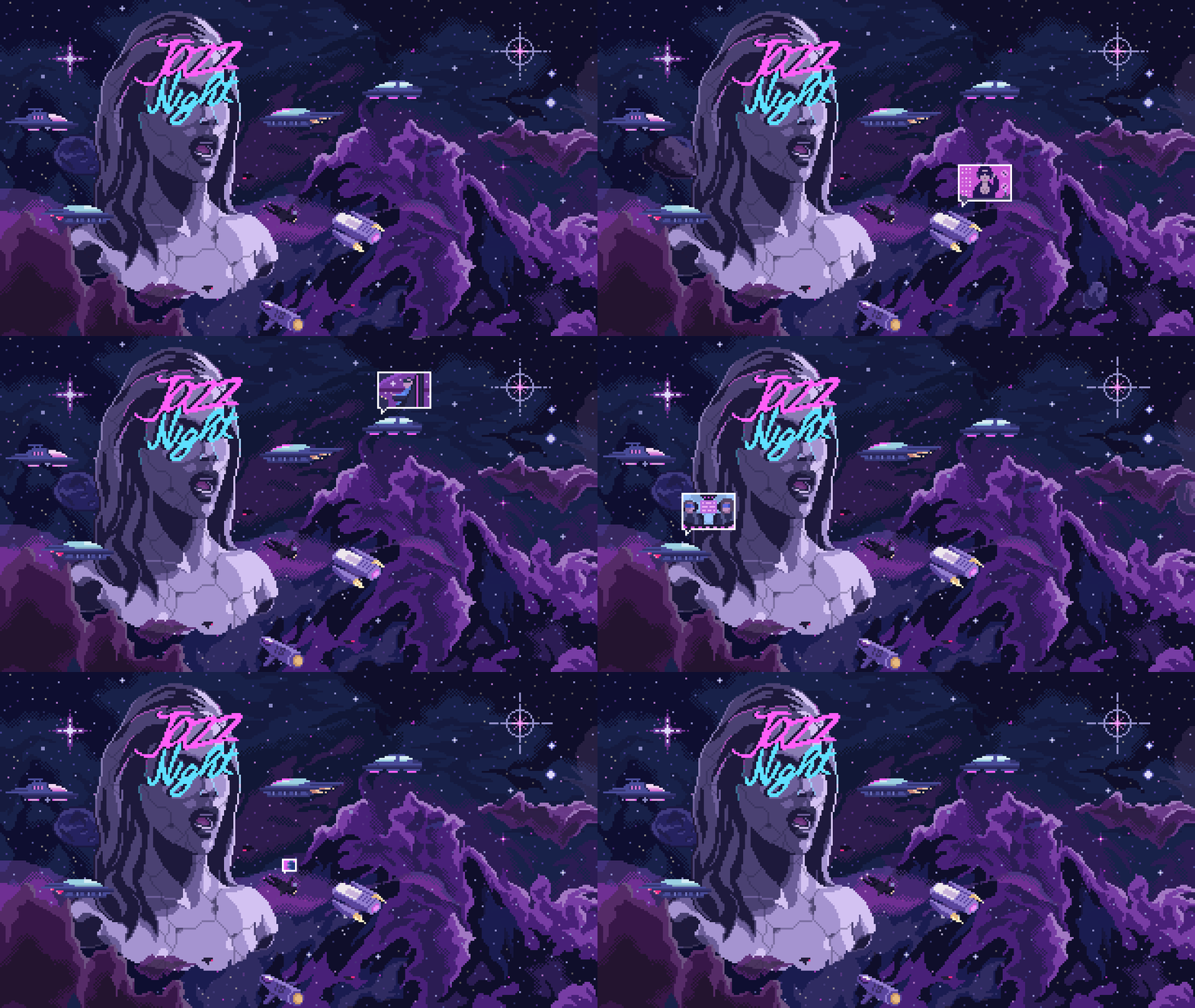
The independent record label Ubiktune has officially announced the release of The Frequency Modulators Orchestra, Vol. 1, the debut label project from Los Angeles-based producer and composer Juan Irming, performing under the moniker Amplitude Problem. Released on April 25, 2017, the album represents a conceptual intersection between the rigid, mathematical nature of digital frequency modulation (FM) synthesis and the fluid, improvisational structures of traditional jazz and funk. The project marks a significant addition to the Ubiktune catalog, a label known for its focus on chiptune, progressive electronic music, and technical sound design.
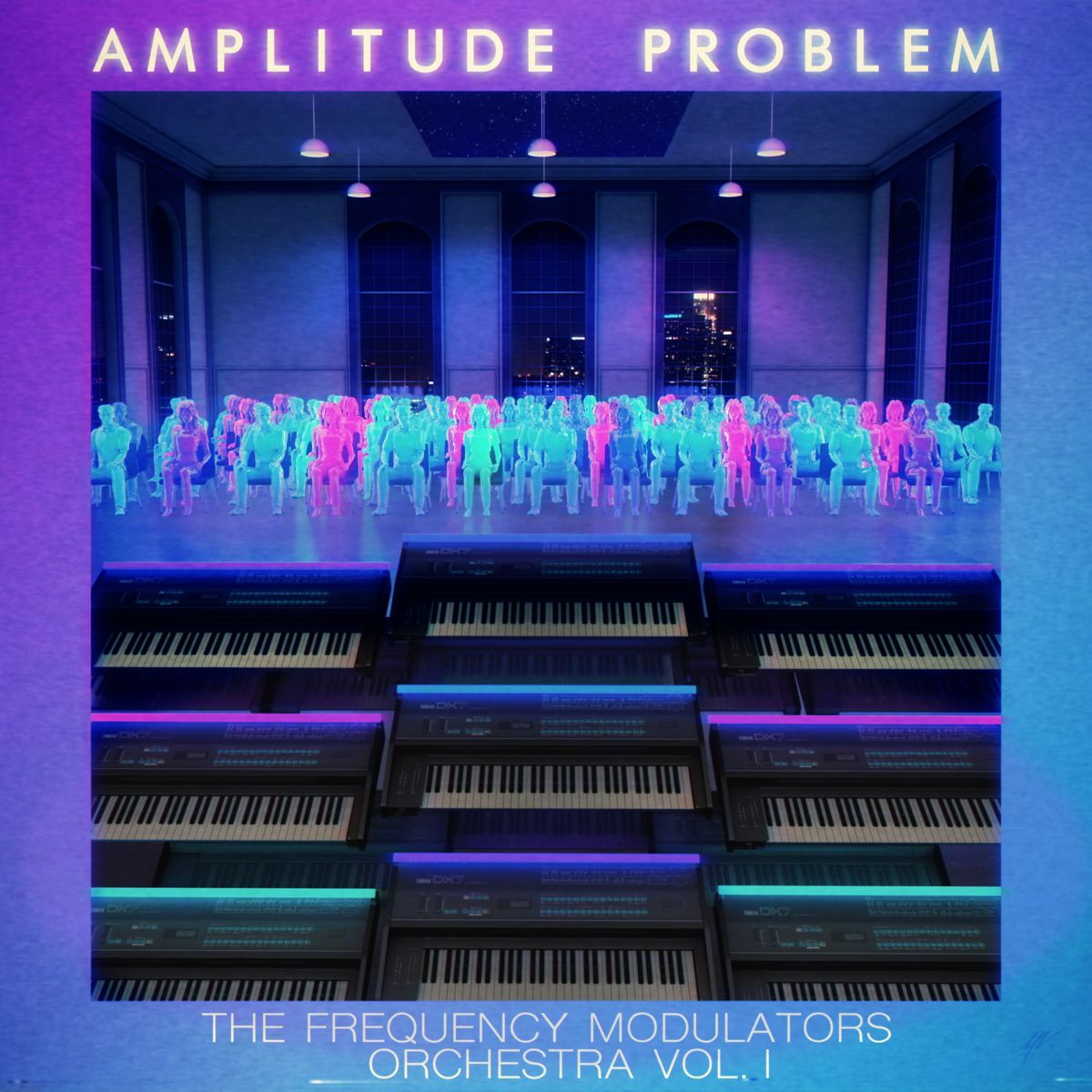
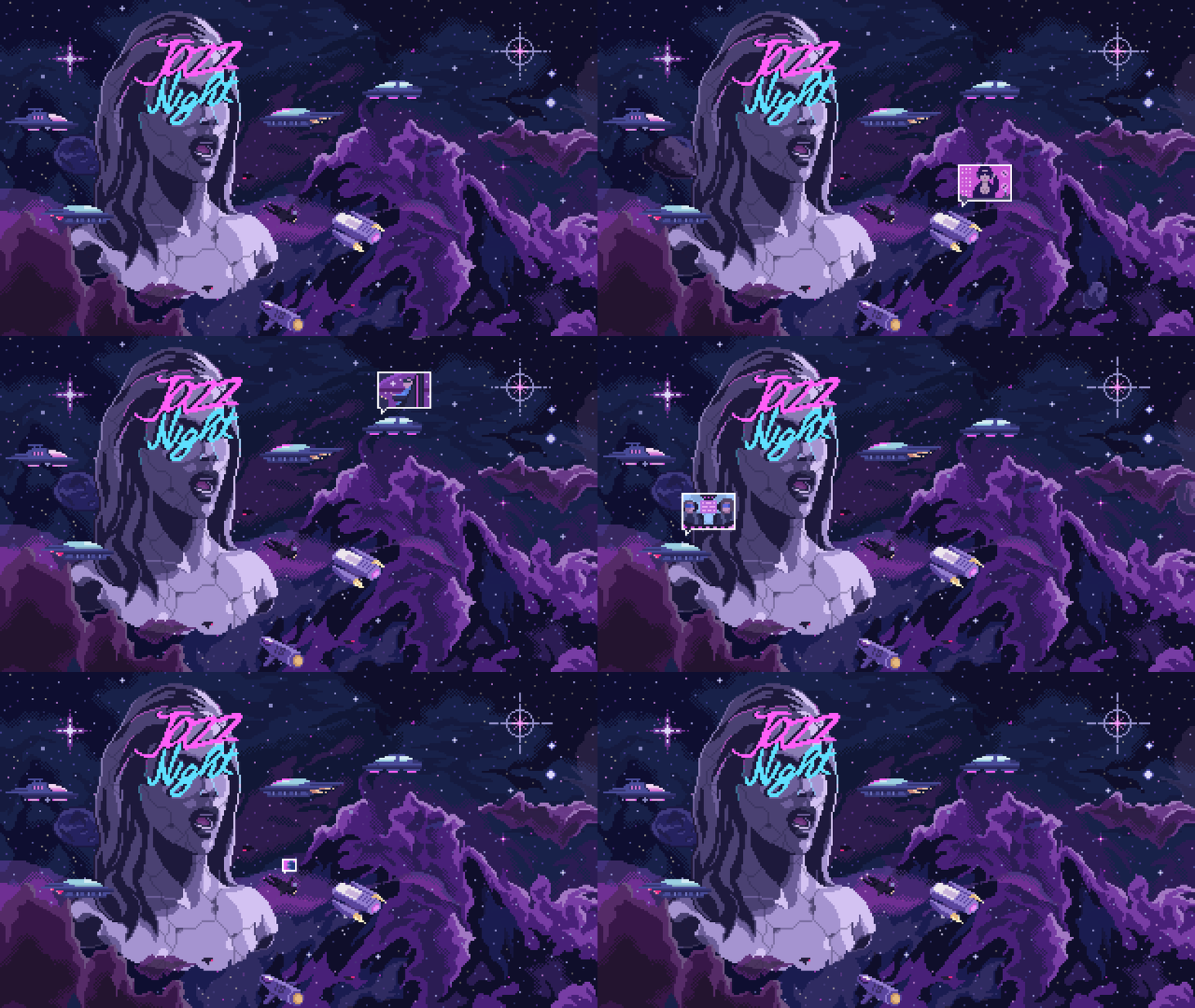
The Frequency Modulators Orchestra, Vol. 1 is characterized by its strict adherence to specific technical constraints, having been composed exclusively using FM synthesizers and lo-fi drum samples. This stylistic choice serves as an exploration of the "cold" digital aesthetic often associated with 1980s computer hardware and its capacity to evoke "warm," human-centric grooves. The album features a collaborative effort in its visual and technical presentation, including artwork by Mythical Vigilante and pixel-art animations by Valenberg, with final audio mastering handled by Grammy Award-winning engineer Don Grossinger.
The Evolution of Amplitude Problem and the Demoscene Heritage
Juan Irming’s trajectory as Amplitude Problem is rooted in the European demoscene of the late 1980s, a subculture dedicated to pushing the technical limits of computer hardware through art, music, and code. Irming gained early recognition as a composer for the Atari ST demo crew SYNC. The Atari ST was a pivotal machine for electronic musicians during this era due to its built-in MIDI ports, which allowed it to interface directly with synthesizers. SYNC was noted for its technical proficiency and artistic output, and Irming’s contributions earned him first-place finishes in several international demo music competitions.

Following his foundational years in the demoscene, Irming moved to Los Angeles to attend the Musicians Institute in the early 1990s. This formal training in music theory and keyboard performance allowed him to bridge the gap between technical computer programming and traditional composition. Over the ensuing decades, Irming established himself as a versatile producer and sound designer, contributing to soundtracks for video games such as Power Drive 2000 and VirtuaVerse.
His professional portfolio includes collaborations with prominent figures in the synthwave and "nerdcore" hip-hop communities. Notably, Irming produced tracks for YTCracker’s 2014 cyberpunk-themed album, Introducing Neals. His work has appeared on compilations and records alongside genre-defining artists such as Mitch Murder, Lazerhawk, and GUNSHIP. His live performance history includes appearances at major industry events like Comic-Con and the Game On Expo, where he performed alongside acts such as The Minibosses and The Gothsicles.
Technical Composition and the Philosophy of FM Synthesis
The development of The Frequency Modulators Orchestra, Vol. 1 was driven by a specific creative inquiry: can the inherently "cold" and precise nature of digital FM synthesis be utilized to create music that feels organic and spontaneous? Frequency Modulation synthesis, popularized by the Yamaha DX7 in the 1980s, is known for its ability to produce sharp, metallic, and complex bell-like tones. Unlike subtractive synthesis, which is often described as "warm" or "fat," FM synthesis has a reputation for being difficult to program and sounding clinical or "pixelated."
Irming’s decision to use this method for a jazz-funk album was an intentional subversion of these perceptions. The production process spanned ten months, during which Irming focused on the "human" element of performance. By leaning heavily on improvisation and live keyboard takes, he sought to imbue the digital oscillators with the nuance of a live session.
The "Orchestra" in the album’s title refers to Irming’s conceptual approach to the synthesizers themselves. Rather than viewing the instruments as mere software tools, he treated each FM patch as a distinct "member" of a virtual band. This anthropomorphic view of the technology allowed for a more dynamic arrangement style, where different synth voices were given the space to "solo" and interact, mimicking the call-and-response patterns found in classic jazz ensembles.
Chronology of Production and Creative Milestones
The stylistic origins of the album can be traced back to 2014. While working on the instrumental for the track "Feel Like Leisure Suit Larry" for YTCracker, Irming rediscovered the percussive and "zany" qualities of chip-style FM synthesis. This exploration continued in 2015 with the track "Funky Mustache" from his album Blue Bots Dots. By the end of 2015, the concept for a full-length, dedicated FM-jazz project had solidified.
Throughout 2016, Irming engaged in a rigorous production cycle. He noted that writing instrumental music presented a unique challenge compared to his previous work with vocalists. Without lyrics to convey a narrative, the burden of maintaining listener engagement fell entirely on the melodic and harmonic complexity of the arrangements. The result was a seven-track odyssey that Irming describes as a "deep introspective" in its first half, followed by a commentary on "life and the universe" in the latter half.
The track "Ghosts in My Medicine Cabinet" is cited by the artist as a centerpiece of the album’s philosophy. It represents a commitment to stylistic conviction, requiring a "bold" performance that refuses to apologize for its digital origins. This "all-in" approach was a guiding principle for the entire ten-month creative journey.

Professional Mastering and Visual Collaboration
To ensure the album met the high fidelity standards required for complex jazz arrangements, Irming enlisted Don Grossinger for mastering. Grossinger’s career spans several decades and includes work with legendary artists such as Miles Davis. His involvement is a testament to the album’s ambition to be recognized not just as a "chiptune" or "retro" release, but as a legitimate contribution to the jazz-funk genre. The mastering process was critical in balancing the sharp transients of the FM synthesis with the low-end punch of the lo-fi drum samples.
The visual identity of the project was equally collaborative. The front cover art, created by Mythical Vigilante, sets the retro-futuristic tone of the release. Additionally, the pixel artist Valenberg, known for his work in the synthwave and indie game scenes, provided a "Jazz Night" animation. This visual component acts as a digital counterpart to the music, reinforcing the "pixelated" aesthetic of the soundwaves.
Market Context and Genre Implications
The release of The Frequency Modulators Orchestra, Vol. 1 occurs during a period of renewed interest in FM synthesis within the electronic music community. While the 1990s and early 2000s were dominated by virtual analog synthesis, the 2010s saw a resurgence of "OPL" (FM Operator) sounds, driven by a nostalgia for Sega Genesis-era gaming and 80s pop production.
Ubiktune’s decision to host this debut aligns with the label’s history of supporting artists who blend technical precision with melodic accessibility. The album’s release on major streaming platforms and digital shops allows it to reach both the niche chiptune audience and broader electronic music enthusiasts.
From a critical standpoint, the album challenges the boundaries of "genre-purism." By applying the language of jazz—a genre rooted in African American musical traditions and acoustic instrumentation—to the most synthetic of tools, Amplitude Problem creates a dialogue between the past and the future. The project suggests that the "soul" of a piece of music is not dependent on the warmth of an analog circuit or the vibration of a string, but on the intent and improvisational skill of the composer.
Broader Impact and Future Outlook
The Frequency Modulators Orchestra, Vol. 1 serves as a definitive statement for Juan Irming as he transition from a veteran of the demoscene to a contemporary electronic artist. The album’s success is likely to influence further experimentation within the "chip-jazz" subgenre, encouraging other producers to look beyond the standard "8-bit" sound palettes and explore the complex FM synthesis of the 16-bit era.
As digital music production continues to evolve, the work of Amplitude Problem highlights the importance of artistic constraints. By limiting himself to a specific synthesis type and a specific genre framework, Irming was able to produce a work that is both technically focused and emotionally resonant. The Frequency Modulators Orchestra, Vol. 1 stands as a documented success in the effort to humanize the digital machine, providing a "synth-funk soundtrack" that bridges the gap between the pixel and the person.