Indra Gunadi
In an era increasingly dominated by rapidly evolving digital landscapes and high-fidelity graphics, a unique bimonthly English-language print magazine, BrewOtaku, has firmly established itself as an essential resource for enthusiasts of classic handhelds, consoles, and computers. Launched in 2024, BrewOtaku distinguishes itself by focusing exclusively on new games developed for legacy systems, primarily covering 8-bit, 16-bit, and 32-bit platforms from iconic brands such as Commodore, Nintendo, Sega, Atari, Sinclair, and MSX. Beyond its specialized content, the magazine has garnered attention for its innovative approach to accessibility, offering its digital issue for a modest €3.50 and providing a free digital version to anyone who requests it, "no questions asked," underscoring a powerful ethos that "Everyone deserves to play." This initiative not only democratizes access to specialized content but also reinforces the collaborative spirit inherent in the vibrant homebrew community it champions.
The Enduring Appeal of Retro Gaming and the Rise of Homebrew
The global phenomenon of retro gaming has seen a significant resurgence over the past decade, transcending mere nostalgia to become a distinct and thriving segment of the entertainment industry. Millions of players worldwide continue to gravitate towards classic consoles and games, drawn by a variety of factors including simpler, often more challenging gameplay mechanics, distinct art styles, and a palpable sense of gaming history. For many, these older systems represent a golden age of gaming, offering experiences that contrast sharply with the complex, often microtransaction-laden titles of today. This enduring appeal has fueled a robust secondary market for vintage hardware and software, as well as a burgeoning interest in emulation and modern re-releases.
Within this landscape, the "homebrew" scene stands out as a testament to creativity, technical prowess, and community dedication. Homebrew games are new titles developed by independent creators for systems that are often decades past their commercial prime. These projects range from simple proof-of-concept demos to sophisticated, full-length games that rival commercial releases in quality and scope. The homebrew community thrives on innovation, problem-solving, and a shared passion for pushing the boundaries of vintage hardware. Developers often craft their games using original development kits, modern cross-compilers, or entirely new toolchains, showcasing an impressive blend of historical respect and contemporary ingenuity. The significance of homebrew extends beyond mere entertainment; it acts as a powerful force for game preservation, extending the cultural lifespan of beloved platforms and ensuring that their unique characteristics continue to inspire new generations of creators and players. BrewOtaku recognizes this critical role, actively supporting and providing a dedicated platform for this technically savvy and passionate core group of enthusiasts.
BrewOtaku’s Unique Editorial Vision and Content Strategy
BrewOtaku’s editorial mission is meticulously crafted to cater to this niche yet deeply passionate audience. As an English-language print magazine, it occupies a unique space, offering a tangible, curated experience in an increasingly digital world. Its bimonthly publication schedule ensures a steady flow of fresh content without overwhelming readers, allowing for in-depth exploration of each featured title and topic. The magazine’s focus on new games for classic hardware fills a crucial void, as most retro gaming publications tend to concentrate on historical reviews or preservation efforts of existing titles. BrewOtaku, conversely, looks forward while honoring the past.
The magazine’s content structure is designed to be comprehensive and engaging. Each issue features a dedicated "Homebrew-News-Corner," keeping readers abreast of the latest developments, releases, and community announcements within the homebrew sphere. This section is vital for a scene that is often decentralized and relies heavily on forums, social media, and word-of-mouth for dissemination of information. Additionally, BrewOtaku boasts "30+ full reviews" of new homebrew games, offering critical analysis, gameplay impressions, and technical insights that help readers decide which titles to explore. These reviews are often more than just assessments; they are celebrations of the technical achievements and creative spirit behind each project.
Beyond game reviews, the magazine regularly includes "Interviews" with prominent homebrew developers, community leaders, and retro gaming personalities. These interviews provide invaluable insights into the creative process, technical challenges, and personal motivations behind developing for classic systems. Such direct engagement with creators fosters a deeper connection between the readership and the homebrew community, humanizing the often-complex world of vintage game development. Furthermore, BrewOtaku enriches its pages with various "retro-gaming & development related articles," covering a broad spectrum of topics from hardware modding and software tools to historical retrospectives and analyses of specific console architectures. This blend of news, reviews, interviews, and features positions BrewOtaku not just as a magazine, but as an indispensable guide and chronicle for the homebrew and retro gaming enthusiast.
The "Everyone Deserves to Play" Initiative: A Paradigm for Accessibility
Perhaps one of the most striking aspects of BrewOtaku’s operational philosophy is its groundbreaking accessibility initiative. While offering its digital issue for a modest €3.50 and a premium paper edition, the magazine explicitly states, "Can’t afford it right now? No worries. Contact us via our webpage and we’ll send you the latest digital version for free, no questions asked. Everyone deserves to play." This policy transcends typical commercial models and reflects a profound commitment to community and inclusivity.
This "no questions asked" approach stands in stark contrast to many subscription services or content providers that might offer tiered access or require proof of financial hardship. By eliminating barriers and judgment, BrewOtaku fosters an environment of trust and generosity. The implications of this policy are far-reaching. Firstly, it ensures that financial constraints do not prevent passionate individuals from accessing valuable information and engaging with the community. This is particularly relevant in the gaming world, where socio-economic disparities can sometimes limit participation. Secondly, it strengthens brand loyalty and goodwill. Readers who benefit from this policy are likely to become fervent advocates for BrewOtaku, potentially contributing financially when their circumstances improve or promoting the magazine through word-of-mouth. Thirdly, it aligns perfectly with the open, sharing ethos often found within the homebrew scene itself, where knowledge, tools, and even game ROMs are frequently shared freely among developers and players.
This initiative also serves as a subtle yet powerful statement about the value of content. While the magazine offers its work for free to those in need, it simultaneously articulates the importance of supporting independent journalism and content creation for those who can afford it. The message "Help us keep the homebrew stories coming – support BrewOtaku and fuel your obsession today!" frames the purchase not just as a transaction, but as an act of patronage that sustains a vital resource. This dual strategy – commercial viability through voluntary support and altruistic accessibility – sets a new standard for niche publications aiming to serve a dedicated community effectively and ethically.
Economic Model and the Sustainability of Niche Print Journalism
The economic model underpinning BrewOtaku is a delicate balance of direct sales, community support, and potentially, partnerships. In an age where many print magazines struggle against the tide of digital-first content, BrewOtaku’s success hinges on its ability to carve out a sustainable niche. The €3.50 price point for the digital issue is strategically low, making it an impulse purchase for many, while the premium paper edition caters to collectors and those who prefer a physical artifact. The call for readers to "support BrewOtaku" directly appeals to the community’s desire to see this unique publication thrive.
The magazine’s structure also hints at potential revenue streams beyond direct sales. By stating, "We actively support the Homebrew scene (as it’s known) and offer partners direct access to this core group of technically savvy enthusiasts," BrewOtaku positions itself as a crucial intermediary. This suggests opportunities for advertising from companies that produce retro hardware, development tools, accessories, or even modern indie games inspired by classic aesthetics. By providing "direct access" to a highly targeted audience of "technically savvy enthusiasts," BrewOtaku offers a valuable platform for relevant advertisers to reach a demographic that is notoriously difficult to engage through mainstream channels. This collaborative model, where the magazine acts as both a content provider and a community hub, is essential for its long-term viability. It transforms the publication from a mere information source into a central pillar of the homebrew ecosystem.
Chronology and the Genesis of a New Voice
BrewOtaku’s inception in 2024 marks a significant point in the timeline of retro gaming media. While the retro gaming scene has been flourishing for many years, the launch of a dedicated English-language print magazine focused specifically on new homebrew games for classic systems is a relatively novel development. This timing suggests a recognition of the homebrew scene’s maturation – it has grown beyond a fringe hobby to a significant cultural movement capable of sustaining its own dedicated print publication.
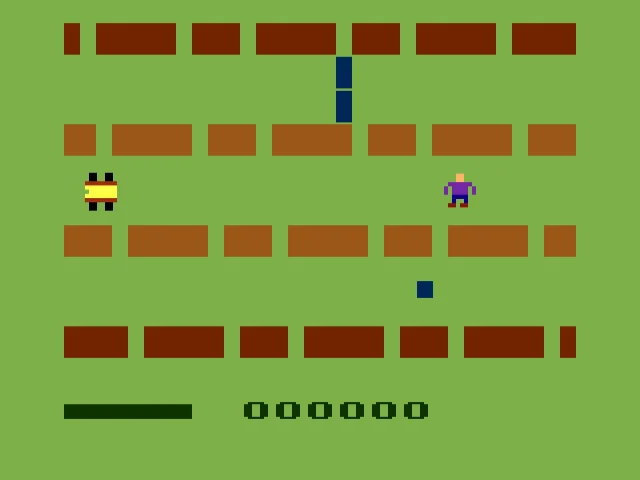
Since its birth, BrewOtaku has embarked on a bimonthly publication schedule, indicating a consistent and ambitious commitment to its readership. Each issue, meticulously curated, requires substantial editorial effort, research, and collaboration with developers. The very existence of a promotional video teaser, as evidenced by the provided image and YouTube link (https://youtu.be/uuaA64wibqQ), suggests a professional launch strategy and an intent to reach a broad audience beyond just existing homebrew forums. This strategic approach from its inception in 2024 demonstrates a clear vision for establishing itself as a leading authority and voice in the retro and homebrew gaming sphere, quickly carving out a niche in a market that, while passionate, often lacks centralized, high-quality journalistic coverage.
Inferred Statements and Community Reception
While direct quotes from BrewOtaku’s leadership or the community are not provided, their positions can be logically inferred from the magazine’s mission and offerings.
- From BrewOtaku’s Creators (Inferred): "Our vision for BrewOtaku was to create a definitive platform that not only celebrates the incredible ingenuity of the homebrew community but also ensures its stories are preserved and shared with the widest possible audience. We believe in the power of these new games for classic systems, and our commitment to accessibility, especially through our ‘no questions asked’ free digital issues, is central to fostering an inclusive and thriving community where everyone, regardless of their financial situation, can partake in the joy of retro gaming innovation. We are immensely proud to be a conduit for these amazing creations."
- From the Homebrew Development Community (Inferred): "Having a dedicated publication like BrewOtaku is a game-changer for homebrew developers. It provides a level of legitimacy and exposure that individual forums or small websites simply can’t match. To have our work reviewed professionally, to be interviewed, and to see our projects alongside others in a high-quality print magazine is incredibly validating. It inspires us to keep pushing the boundaries of these classic systems and helps us reach players who might not otherwise discover our games."
- From Retro Gaming Enthusiasts and Players (Inferred): "BrewOtaku is exactly what the retro gaming scene needed. It’s fantastic to have a magazine that focuses on new content for our beloved old consoles. The in-depth reviews are invaluable, and the articles on development are fascinating. Knowing that the creators are so committed to the community, even offering free digital copies, makes me want to support them even more. It’s a physical piece of history that’s being made right now, celebrating the future of retro gaming."
Broader Impact and Implications
BrewOtaku’s emergence carries several significant implications for the retro gaming industry, the homebrew scene, and the broader landscape of niche publishing.
- Cultural Preservation and Archiving: By meticulously reviewing and documenting new homebrew releases, BrewOtaku actively contributes to the cultural preservation of gaming history. Each issue becomes an archival document, capturing a snapshot of the creative output for classic systems, ensuring that these games and the stories behind them are not lost to time or fragmented across countless online forums. This is crucial for systems whose original commercial ecosystems have long vanished.
- Community Cohesion and Growth: The magazine serves as a powerful unifying force, connecting disparate developers, players, and enthusiasts across geographical boundaries. By centralizing news, reviews, and interviews, it helps to build a more cohesive and recognizable homebrew identity. This, in turn, can attract new talent to the development scene and broaden the appeal of retro gaming to a wider audience, fostering continued growth and innovation.
- Market Validation for Niche Content: The successful launch and ongoing publication of BrewOtaku validate the commercial and cultural viability of highly specialized content. It demonstrates that there is a significant, passionate, and willing audience for deep dives into niche subjects, challenging the notion that only broad, mainstream content can sustain media ventures. This could inspire other similar publications in equally specialized fields.
- A Model for Ethical Media and Accessibility: BrewOtaku’s "Everyone deserves to play" policy sets a commendable standard for ethical media consumption and accessibility. In an increasingly commodified digital world, its commitment to providing free access to those who cannot afford it highlights a powerful alternative model that prioritizes community welfare alongside financial sustainability. This approach could influence other independent publishers to reconsider their own access policies.
- Inspiring Innovation on Legacy Hardware: By showcasing the cutting-edge of homebrew development, BrewOtaku inspires both current and aspiring developers to push the technical and creative limits of classic hardware. The detailed articles and interviews can serve as educational resources, demystifying the development process and encouraging new creators to experiment with 8-bit, 16-bit, and 32-bit systems, ensuring a vibrant future for these platforms.
Supporting Data and Market Trends (General Context)
While specific financial data for BrewOtaku itself is not public, the broader context of the retro gaming market supports the premise of its viability. The retro gaming market has shown consistent growth, with market research firms often estimating its value in the billions of dollars annually, encompassing everything from console and game sales to merchandise and media. For instance, the demand for classic consoles and games has led to a significant increase in their resale value, with rare titles fetching thousands of dollars. The emulation scene, while distinct from homebrew, also highlights massive interest in playing older titles, with millions of users globally. Furthermore, the success of modern consoles like the Nintendo Switch, which offers extensive retro game libraries through its online service, underscores a sustained mainstream appetite for classic experiences. The homebrew community itself, while harder to quantify, includes thousands of active developers and millions of players downloading and enjoying new content for systems like the NES, SNES, Genesis, and Game Boy. This robust ecosystem provides a fertile ground for a publication like BrewOtaku to thrive, serving as a dedicated voice for a segment of the gaming population that is both loyal and financially engaged.
Conclusion
BrewOtaku stands as a vibrant testament to the enduring power of classic gaming systems and the boundless creativity of the homebrew community. Since its inception in 2024, the bimonthly English-language print magazine has meticulously carved out a vital niche, providing in-depth coverage of new games for 8-bit, 16-bit, and 32-bit platforms. Its comprehensive content, ranging from exhaustive reviews to insightful interviews and development articles, caters directly to the technically savvy enthusiasts who keep these beloved systems alive. Beyond its specialized editorial focus, BrewOtaku’s revolutionary "Everyone deserves to play" initiative, offering free digital access without prejudice, underscores a profound commitment to accessibility and community spirit. This ethical stance not only strengthens its bond with readers but also positions it as a pioneering model for independent media in the digital age. By supporting BrewOtaku, enthusiasts are not merely purchasing a magazine; they are fueling a movement that preserves gaming history, fosters innovation, and ensures that the homebrew stories continue to enrich the ever-evolving narrative of video games.