
 Hartono Sudibyo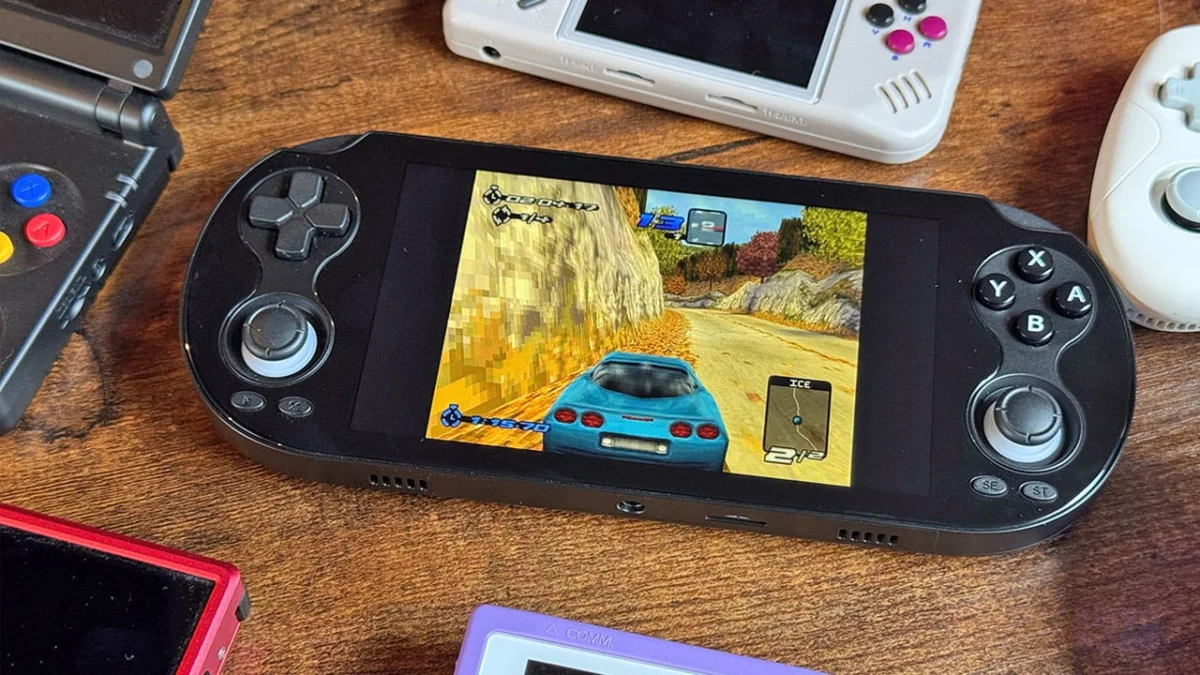
The retro gaming community has been abuzz since Anbernic unveiled the RG Vita, a handheld console that immediately drew attention for its striking resemblance to Sony’s PlayStation Vita and the bold inclusion of "Vita" in its product name. While Anbernic is known for drawing stylistic inspiration from iconic gaming devices, their latest offering has sparked debate not only about its design choices but, more importantly, about its performance capabilities and value proposition. This comprehensive review delves into the Anbernic RG Vita, exploring its aesthetics, hardware, user experience, and, crucially, its emulation prowess across a range of classic and more demanding systems.

Design and Build: A Familiar Form Factor
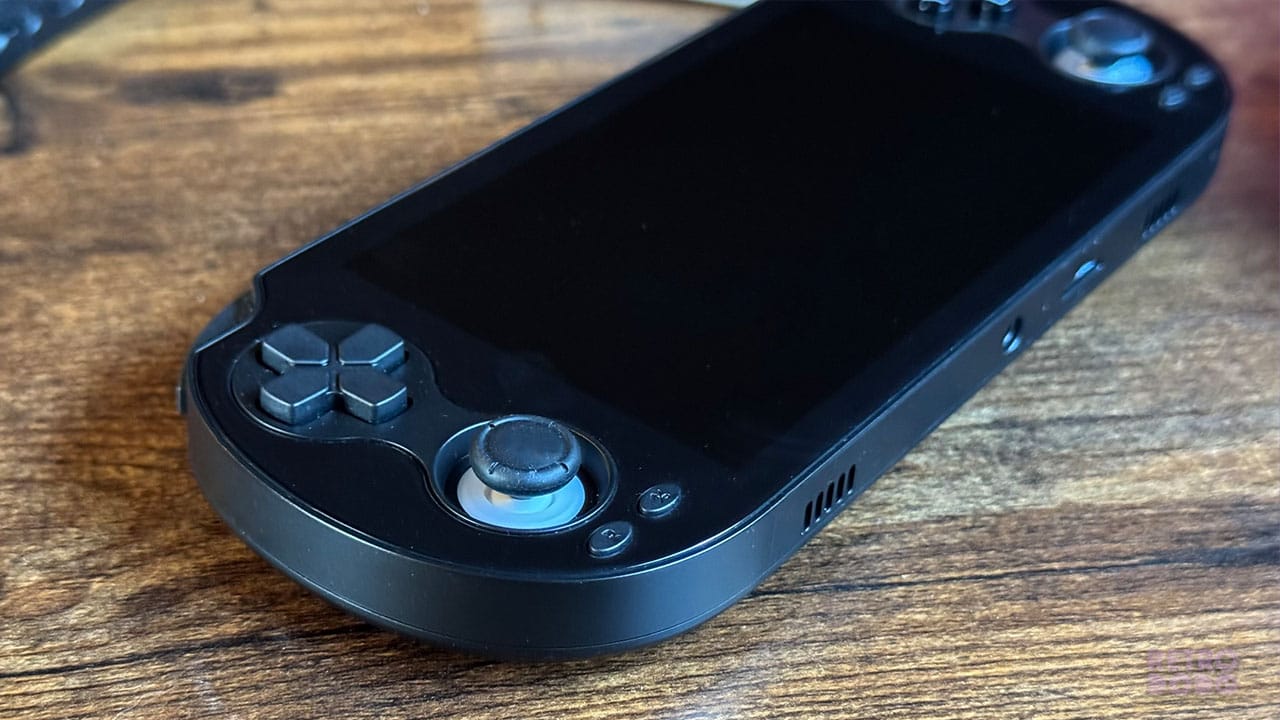
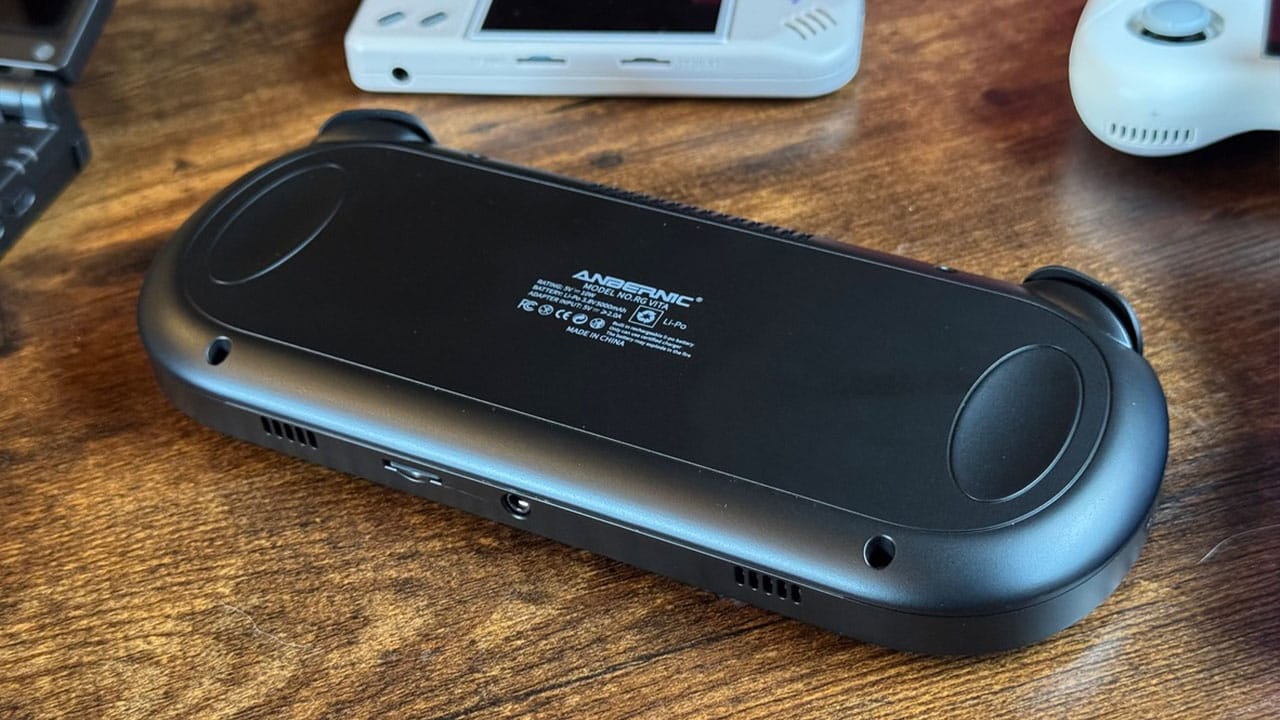
Upon first inspection, the RG Vita’s design is undeniably its most prominent feature. Anbernic has meticulously recreated the aesthetic of the PlayStation Vita, offering a familiar and comfortable form factor for those who appreciated Sony’s handheld. The device boasts a symmetrical layout of two Hall-effect joysticks, a feature that offers smooth, lag-free operation and doubles as L3/R3 buttons, enhancing in-game functionality for actions like running or crouching. These joysticks are further enhanced by customizable LED lighting rings, offering a spectrum of colors or pulsating effects, though the reviewer noted a preference for disabling these for a less distracting experience.
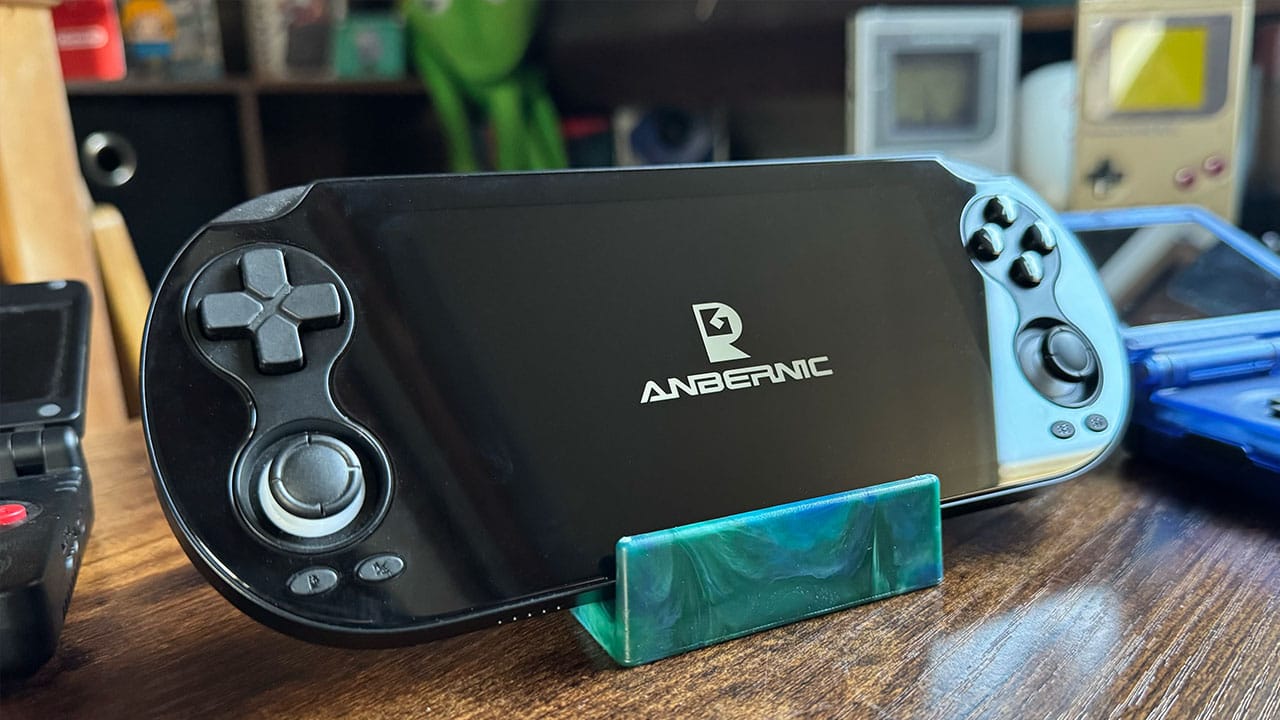
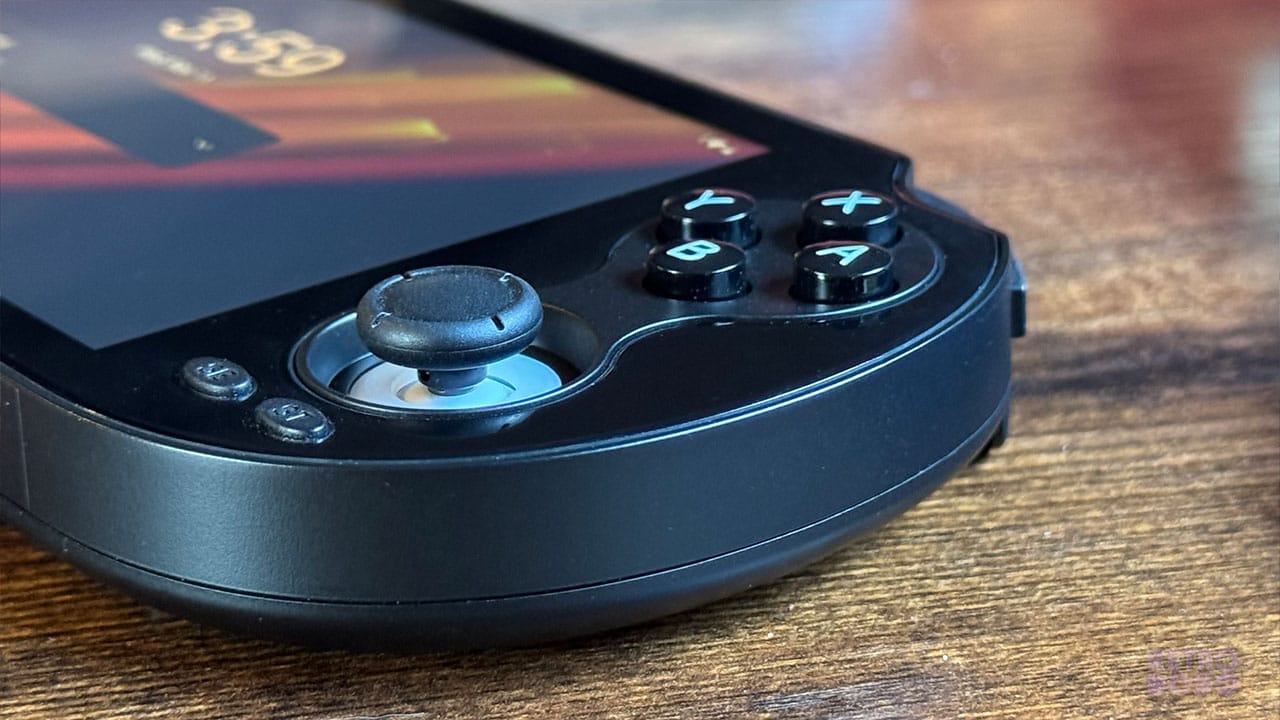
The face buttons are described as responsive and adequately sized, avoiding the common pitfall of being too small or clicky, a point of personal satisfaction for the reviewer with larger hands. The D-pad and left analog stick are positioned conventionally, complementing the device’s overall ergonomic layout. A significant design element is the glass-covered front, which not only houses the touchscreen capabilities but also contributes to a premium feel. However, this glossy finish comes at the cost of being a significant smudge magnet, requiring frequent cleaning to maintain its pristine appearance.
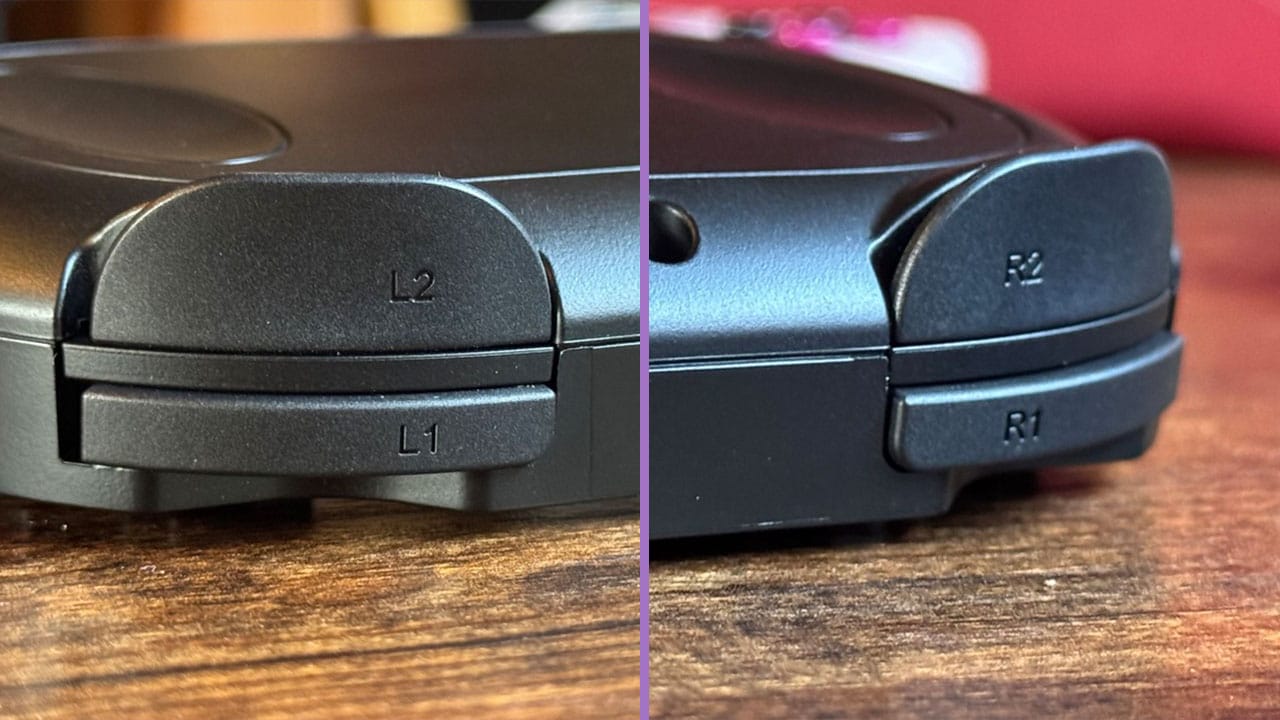
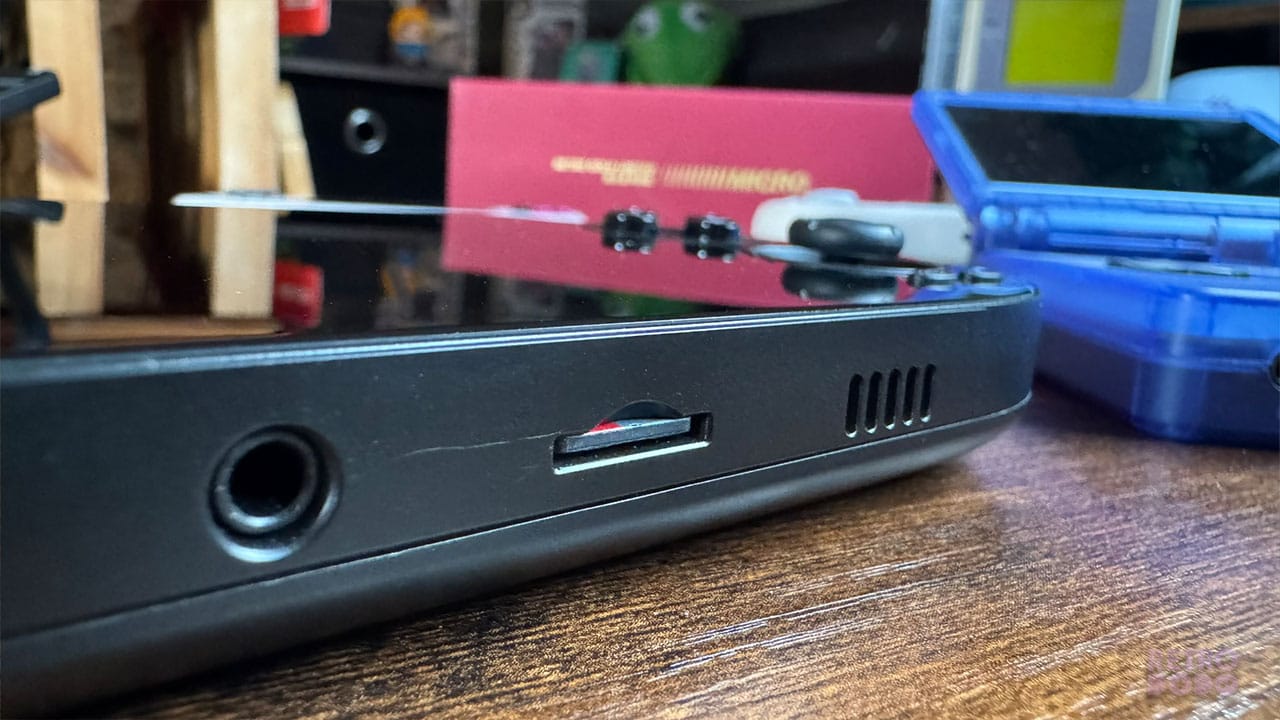
Anbernic’s track record with shoulder buttons has been varied, but the RG Vita appears to be a step in the right direction. The L2/R2 triggers are lauded for their consistent resistance and responsiveness, a crucial element for accurate input. The L1/R1 buttons, while slightly thinner than ideal for the reviewer’s preference, are well-placed to avoid accidental actuation of the triggers and offer a satisfyingly tactile click upon pressing. The inclusion of speakers at both the top and bottom of the console provides clear audio output, though a minor cosmetic blemish on the review unit’s microSD card slot was noted.
The top of the device features essential controls including the power button, volume rockers, and a dedicated home button. The inclusion of a USB-C port for charging is standard for modern devices, and the 5,000mAh battery is rated for approximately two hours of charging time with a standard charger, a figure that would decrease with the use of faster charging technologies.
The Display: A Vibrant Canvas for Retro Gaming
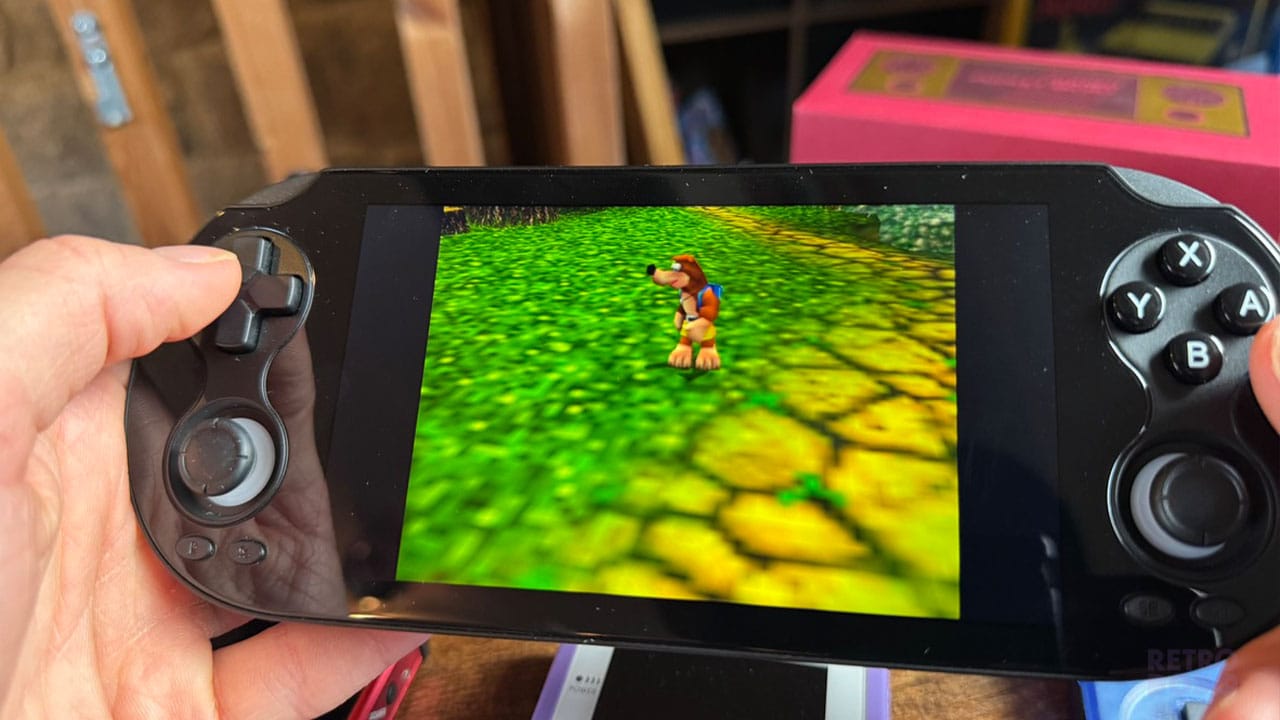
The RG Vita’s 5.46-inch display, with its 16:9 aspect ratio and 1280×720 resolution, is a key selling point, particularly for emulating systems that utilize this widescreen format. This display is well-suited for GameCube and PS2 titles, though the success of emulation on these platforms is, as we will explore, inconsistent. For older consoles like the N64 and PS1, or handhelds like the Game Boy Color, the display will feature black bars on the sides, a common characteristic of emulators designed to accommodate various aspect ratios.
The screen’s brightness is more than adequate, even in well-lit environments, and features an "Eye-comfort" mode to reduce blue light emission during extended gaming sessions. The reviewer highlighted the display’s clarity and visibility, noting that it performs well even under direct sunlight. The integration of a touchscreen enhances navigation within the operating system and some emulators, providing an alternative input method to physical controls.
Internal Hardware: A Balancing Act of Cost and Capability
The RG Vita’s performance hinges on its internal specifications, which present a deliberate compromise to achieve its sub-$120 price point. The device is powered by a chipset released in 2019, a decision that allows Anbernic to keep costs down but inevitably impacts its ability to handle the most demanding emulation tasks. This older architecture is paired with Android 12, an operating system that, while functional, is also several years old by the time of this review’s release in 2026. This combination leads to a device that, while aesthetically pleasing, offers performance that is best described as a mixed bag.
The choice of older components is clearly a strategy to make the RG Vita an attractive entry-level option for budget-conscious retro gamers. However, this raises the question of its long-term viability and its ability to keep pace with the ever-increasing demands of modern emulation. The article points out a critical aspect of Anbernic’s product strategy: the existence of the RG Vita Pro. This upgraded model, priced only $30 more, features a significantly more powerful Rockchip RK3576 chipset (debuted in late 2023) and offers the choice between Android 14 and Linux operating systems. This suggests that for users prioritizing robust emulation of more demanding systems, the Pro version is likely the more sensible investment, positioning the standard RG Vita as a device optimized for earlier generations of gaming.
User Experience: Pre-loaded Emulators and Interface Navigation
A significant advantage of the RG Vita is its out-of-the-box readiness for gaming. Unlike some competitors that require users to manually download and configure emulators, the RG Vita comes pre-loaded with a comprehensive suite of emulation software. This streamlines the setup process, allowing users to add their legally acquired ROM files and begin playing almost immediately. The interface is designed for easy navigation, with emulators and other applications presented in a visually appealing manner, often with automatic artwork display for games.
The reviewer noted that while most emulators function well, the 3DS emulator, Azahar, failed to launch. While this did not significantly impact the overall experience due to the availability of the Citra emulator, it highlighted potential software compatibility issues. The inclusion of additional utilities like sound recorders and calculators is a standard practice for Android-based handhelds, though their practical utility for hardcore gamers might be limited.
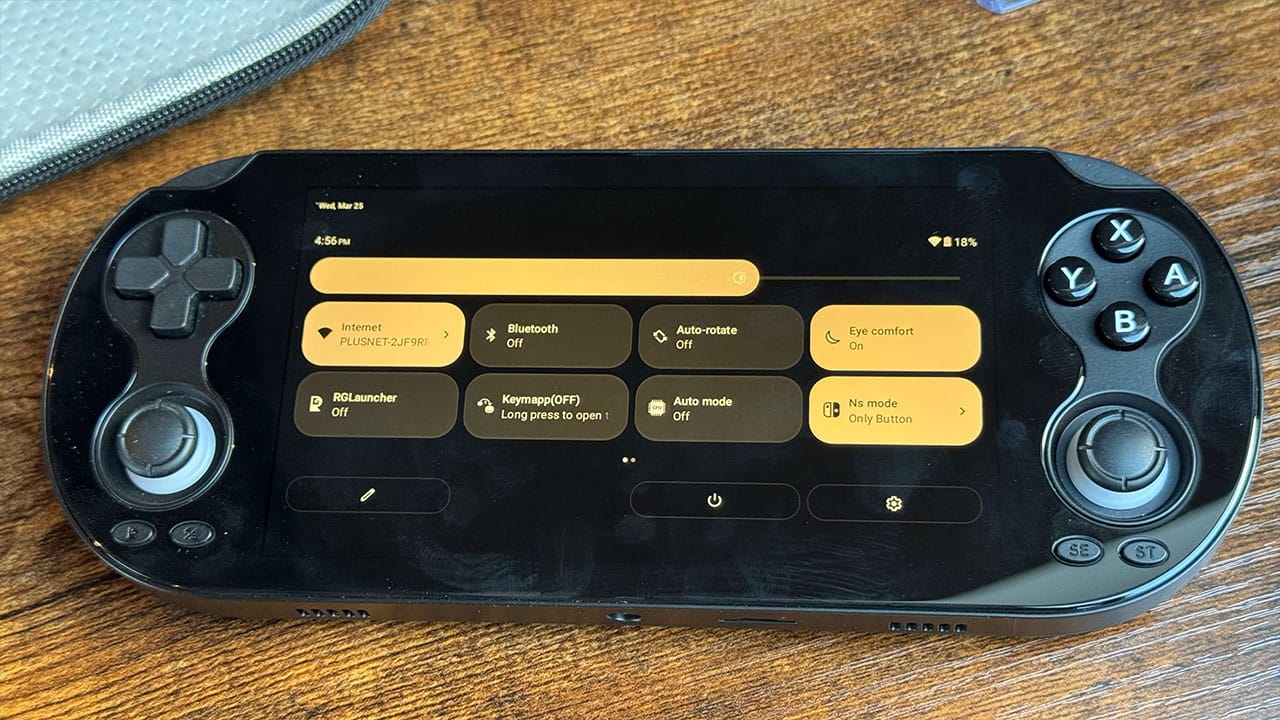
The RG Launcher, intended as a centralized hub for ROMs, was found to be unresponsive and cumbersome by the reviewer, detracting from the ease of game selection. Similarly, the Anbernic AI app, with its multilingual terms and conditions and unclear functionality, was deemed unnecessary and potentially problematic. These superfluous additions detract from the core functionality of the device, suggesting that Anbernic could benefit from a more focused software approach.
Ergonomics and Comfort: A Well-Designed Handheld
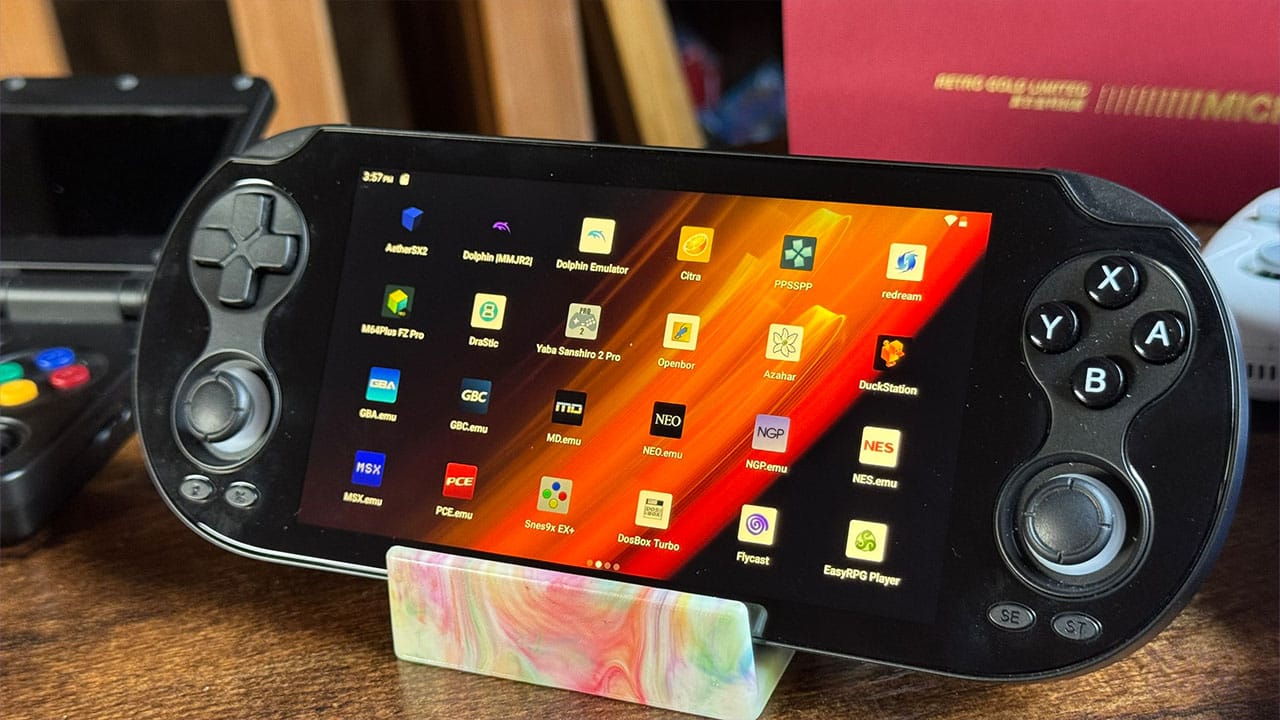
Despite its emulation limitations, the RG Vita excels in its physical design and comfort. Weighing a mere 274 grams, the device is exceptionally light, making it suitable for extended gaming sessions without causing fatigue. Its well-rounded shape and the placement of buttons ensure a comfortable grip, preventing finger cramps and allowing users to immerse themselves in gameplay for hours on end.
The subtle depressions on the back of the console provide an enhanced grip, reducing the risk of accidental drops and offering a natural resting place for the fingers. This thoughtful ergonomic design contributes significantly to the overall positive user experience, making the RG Vita a pleasure to hold and operate.
Emulation Performance: A Spectrum of Success
The true test of any retro gaming handheld lies in its emulation performance, and the RG Vita presents a varied landscape of successes and shortcomings.
PlayStation 2 (PS2)
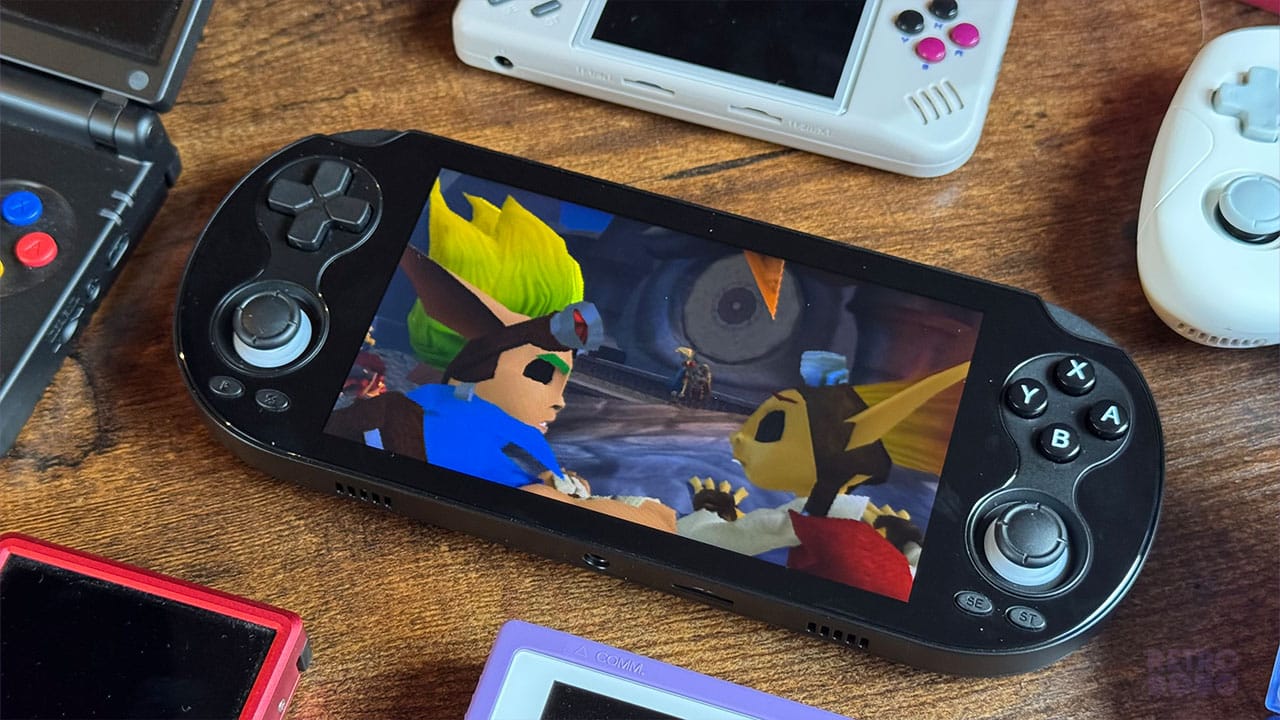
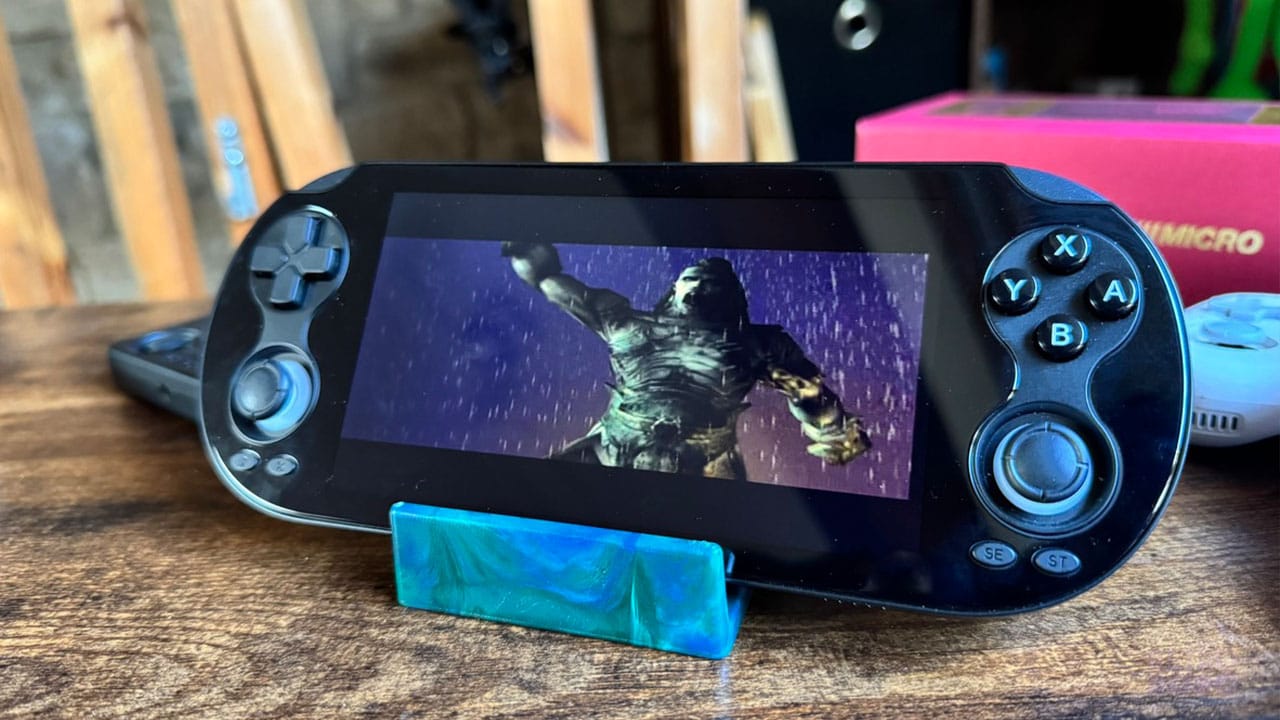
The RG Vita’s ability to emulate PS2 games is a primary draw for many potential buyers, and here, performance is decidedly mixed. While some titles may run at native resolution with acceptable frame rates, others struggle significantly. The reviewer’s experience with "Jak and Daxter" revealed visual glitches, with character models appearing with missing eyes, creating a disconcerting aesthetic. More demanding titles like "Need for Speed: Most Wanted" failed to launch entirely. "The Lord of the Rings: The Two Towers" offered intermittent success, with initial playthroughs displaying cutscenes and playable sequences, only for subsequent attempts to result in audio-only experiences. Compared to the similarly priced Mangmi Air X, which utilizes a newer, albeit less powerful, chipset, the RG Vita’s PS2 emulation is deemed less reliable and generally inferior. The article strongly advises against purchasing the RG Vita solely for PS2 emulation, suggesting that the RG Vita Pro would be a more suitable option for this purpose.
Wii and GameCube
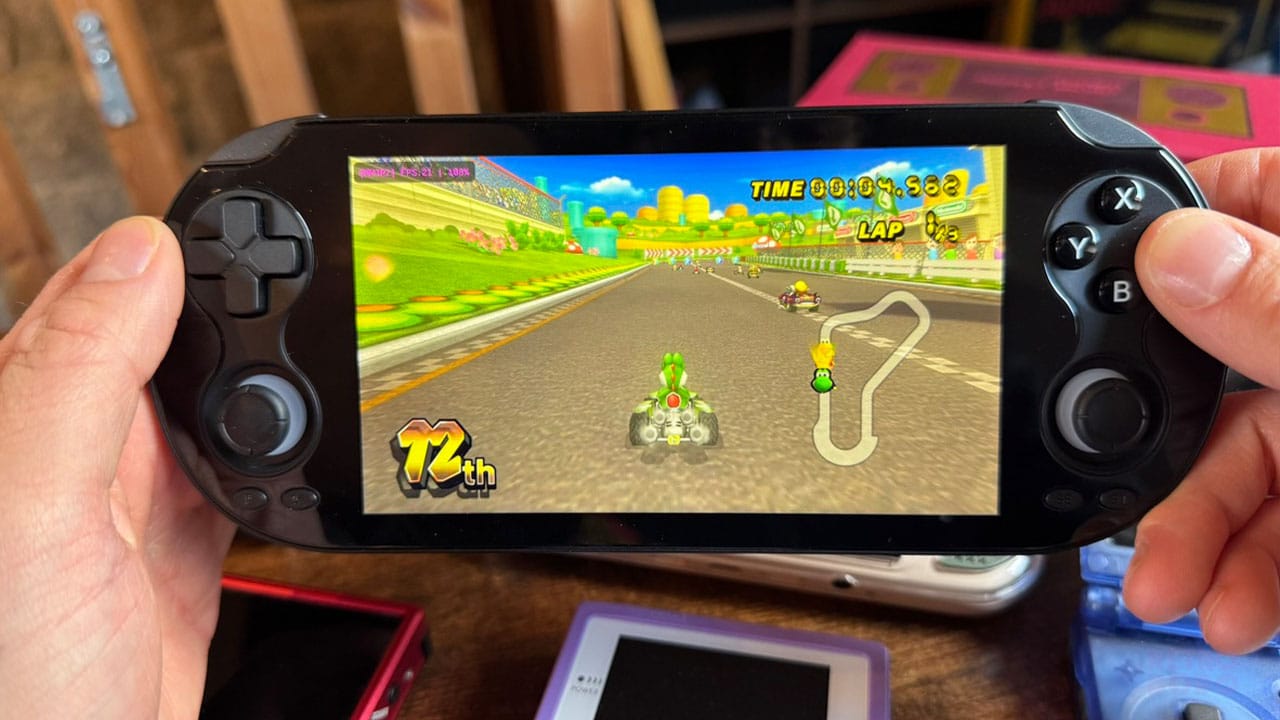
Performance with Wii emulation proved disappointing. "Mario Kart Wii" exhibited audio speed fluctuations, slow selection screens, and missing graphical elements, leading to a painfully slow gameplay experience. The RG Vita simply could not keep up with the demands of Wii emulation.
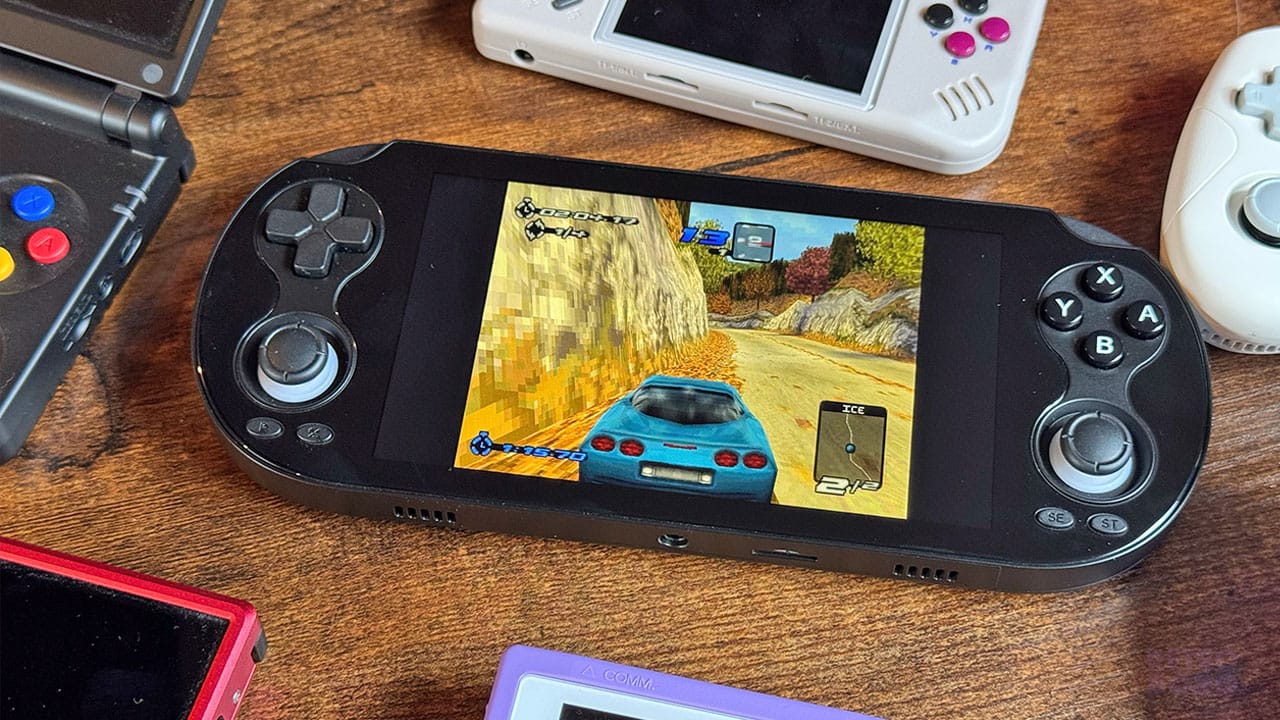
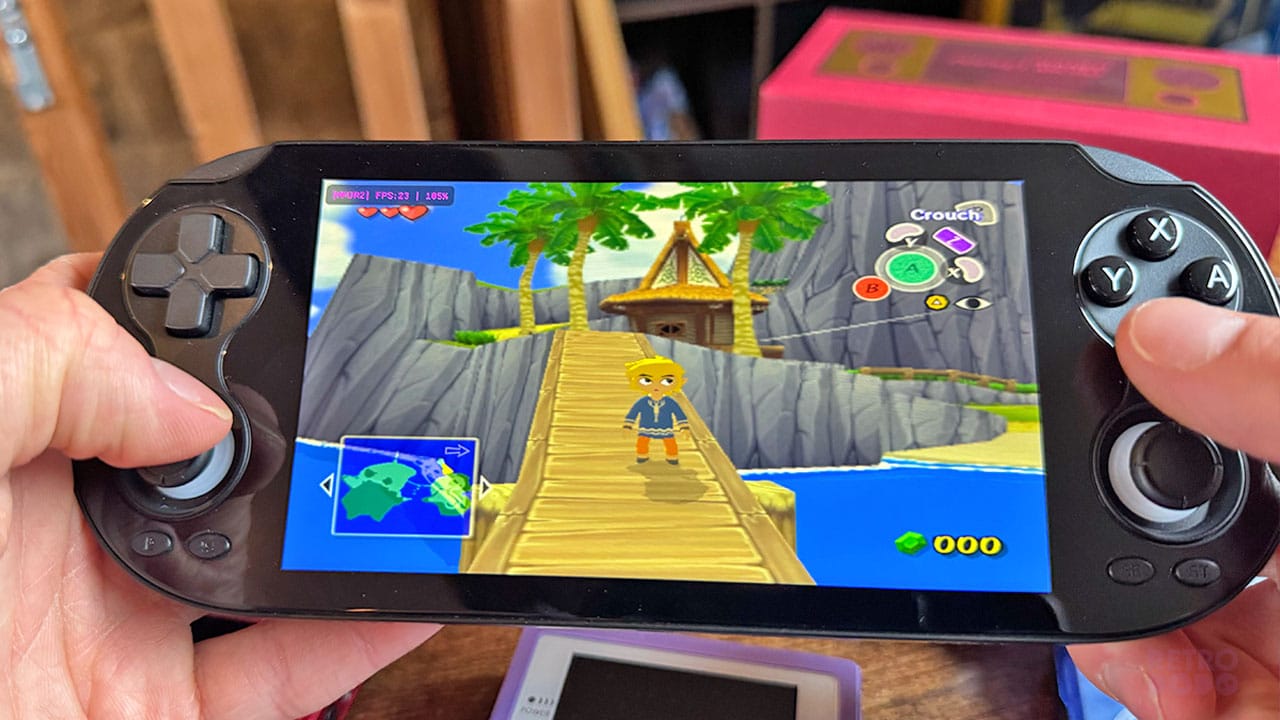
In contrast, GameCube emulation showed more promise. The Dolphin emulator, particularly the MMJR2 version, delivered smoother gameplay and improved frame rates for titles like "The Legend of Zelda: The Wind Waker." Other games, such as "The Simpsons: Road Rage," also ran flawlessly. This makes the RG Vita a potentially viable option for GameCube enthusiasts, especially considering its price point.
PlayStation 1 (PS1) and Dreamcast
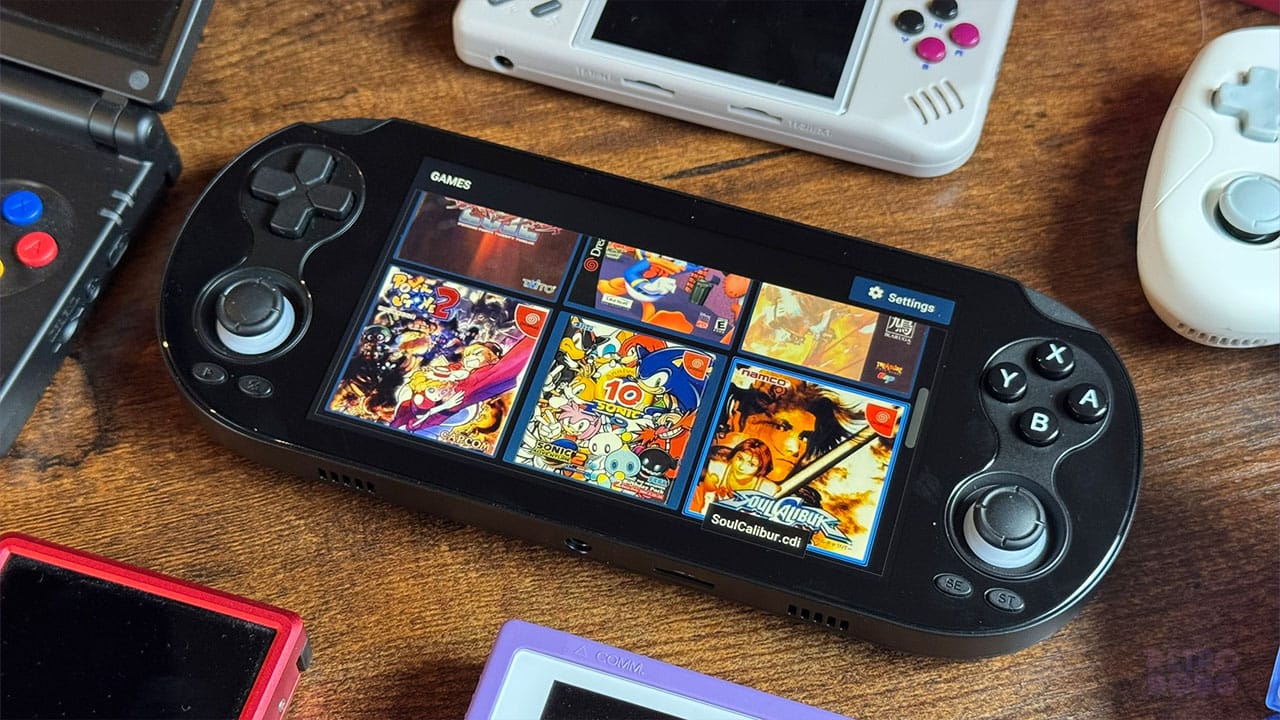
The RG Vita excels in emulating the vast libraries of the PlayStation 1 and Dreamcast. Titles like "Metal Gear Solid," "Crash Bandicoot," and "Spyro the Dragon" for the PS1 ran brilliantly without any control mapping issues. Similarly, Dreamcast games such as "Crazy Taxi" and "Sonic Adventure 2" performed exceptionally well, even at 2x resolution, offering smooth, clear graphics. This makes the RG Vita a strong contender for fans of these iconic 32-bit and 64-bit era consoles.
Nintendo DS (NDS)
Nintendo DS emulation is another area where the RG Vita shines. Games like "Mario Kart DS" play exceptionally well, with the option to display both screens simultaneously or switch between them. The DraStic emulator is user-friendly, allowing for easy save state management and screen orientation adjustments. The only minor drawback was the inability to effectively utilize the vertical screen mode, a feature with limited practical application for most users.
Nintendo 3DS
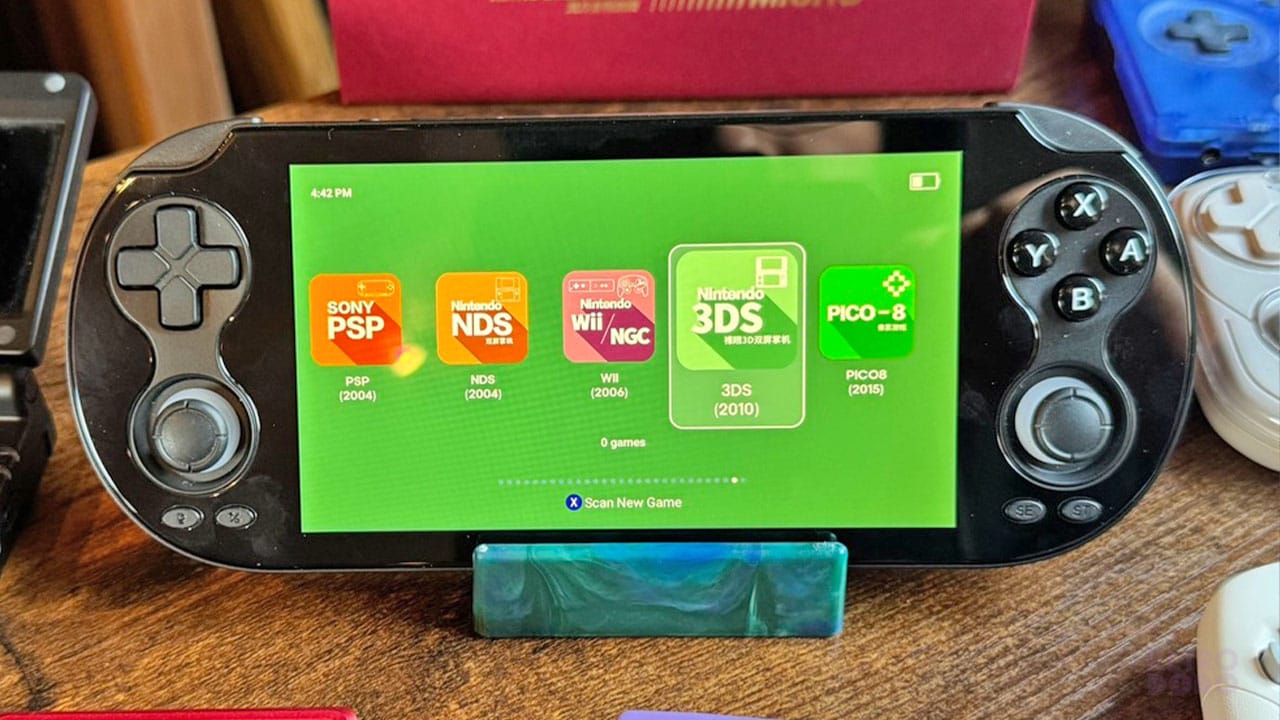
Despite the presence of 3DS emulators like Azahar and Citra on the device’s app selection, 3DS emulation is largely unsuccessful. Azahar fails to launch, and while Citra can initiate "Luigi’s Mansion: Dark Moon," it cannot progress beyond the loading screen due to insufficient power. Reports suggest that even the more powerful RG Vita Pro has a limited success rate with 3DS titles, making the standard RG Vita an unsuitable choice for 3DS gaming. Users seeking to play 3DS games are better advised to acquire an actual Nintendo 3DS.
PlayStation Portable (PSP)
The RG Vita demonstrates excellent performance with PSP emulation. Games like "God of War: Chains of Olympus" run flawlessly at native resolution, offering a visually appealing and smooth gameplay experience that closely replicates playing on the original PSP hardware. This makes it a compelling option for PSP fans looking for a dedicated emulation device.
The PS Vita Conundrum: Emulation Woes
Ironically, despite its striking resemblance to the PlayStation Vita, the RG Vita does not offer native or straightforward PS Vita game emulation. There is no dedicated PS Vita emulator readily available on the device. Users must venture to the Play Store to find early-access Vita emulators, which are still in their experimental stages. The process of setting up Vita ROMs is described as complex and often unsuccessful, with the emulator failing to detect uploaded game files. This presents a significant disconnect: a device designed to look like the PS Vita is not equipped to play PS Vita games. This situation is exacerbated by the fact that PS Vita emulation is still nascent, with projects like Vita3K being experimental. While not entirely unexpected given the state of Vita emulation, it could be a point of contention for potential buyers who might assume a Vita-styled device would natively support Vita games.
Final Assessment: A Stylish Compromise
The Anbernic RG Vita is undeniably a visually appealing handheld with a comfortable ergonomic design and excellent build quality. Its shoulder buttons are among the best Anbernic has produced, and the convenience of pre-loaded emulators is a significant advantage. However, its emulation performance, particularly for more demanding systems like the PS2 and Wii, is a considerable drawback.
The pricing strategy, with a $99 early-bird price for the standard RG Vita and only a $30 increase for the significantly more powerful RG Vita Pro, raises questions about the value proposition of the base model. It appears the RG Vita might have been released to fill a market niche and compete with devices like the Mangmi Air X and Ayaneo Pocket Air Mini, rather than being a fully realized product for high-end emulation.
For users who are content with excellent emulation of Dreamcast, PSP, and GameCube titles, along with satisfactory PS1 and NDS performance, and who prioritize a Vita-like aesthetic on a strict budget, the RG Vita could suffice. However, for those seeking robust emulation of PS2, Wii, or 3DS games, the investment in the RG Vita Pro or a different device altogether is strongly recommended. The standard RG Vita represents a stylish compromise, offering a familiar design at an accessible price, but its performance limitations prevent it from being a universal recommendation for all retro gaming enthusiasts.








