Ganda Hendra Perkasa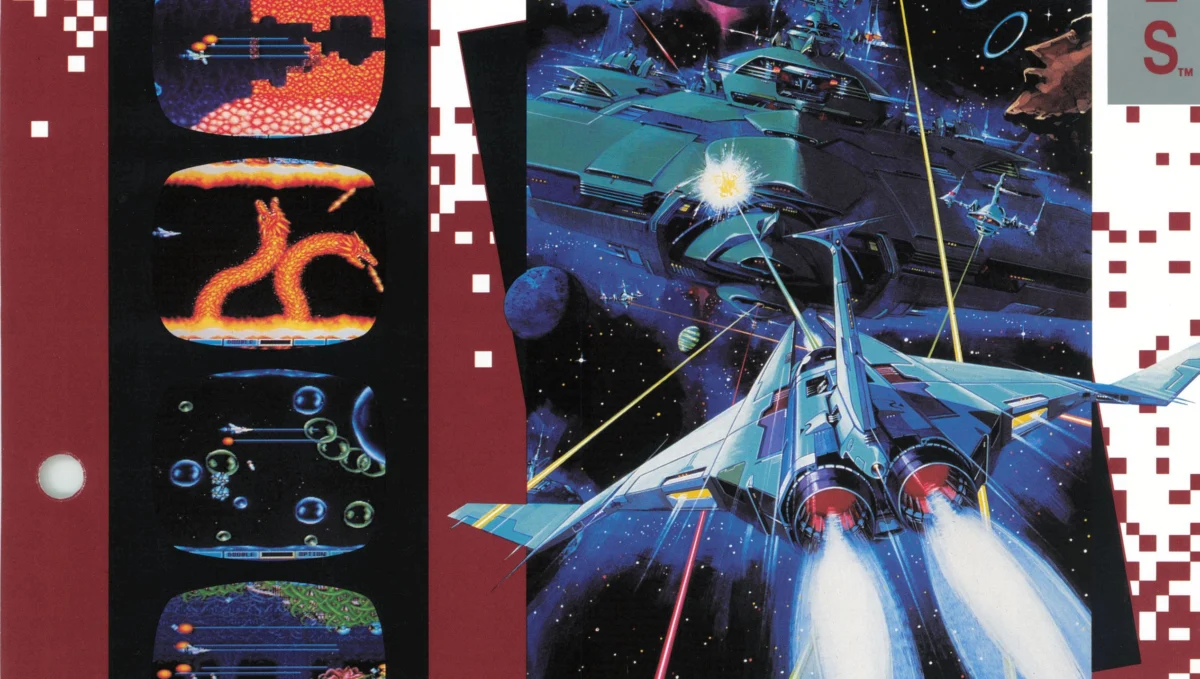
The International Center for the History of Electronic Games (ICHEG) at The Strong National Museum of Play has announced a substantial expansion of its digital library, incorporating newly received materials into two of its most prominent collections: the Mark Flitman papers and the Andrew Nelson papers. This enhancement signifies a continued commitment to preserving and making accessible the rich history of video game development for researchers, enthusiasts, and the public. The recent additions stem from updated submissions by both Flitman and Nelson, providing crucial new insights and higher-quality scans of previously cataloged items.
Expanding the Digital Archives: A Deeper Dive into Game History
The ongoing effort to enrich the digital library is a cornerstone of ICHEG’s mission to document and safeguard the evolution of video games. While new acquisitions are regularly sought, the opportunity to revisit and augment existing collections offers a unique chance to deepen the historical record. This week’s update focuses on two individuals whose contributions to the gaming industry are well-documented within the ICHEG archives. The addition of new materials, alongside the re-scanning of existing items at enhanced resolutions, ensures a more comprehensive and detailed understanding of the creative and technical processes behind landmark video games.
The Mark Flitman papers and the Andrew Nelson papers represent significant bodies of work from individuals who have played pivotal roles in game design and development. Their contributions span various eras and genres, offering a granular look at the iterative nature of game creation, from initial concept art to final design documents. The inclusion of these updated materials is not merely an expansion of existing records; it is a refinement, offering a clearer and more robust perspective on the challenges and innovations inherent in game development.
New Materials Enriching the Mark Flitman Papers
The Mark Flitman papers have been augmented with a significant influx of new materials. These additions provide a more expansive view of Flitman’s key projects, offering researchers and historians a deeper understanding of his creative process and the evolution of specific game titles. While the original announcement did not detail specific projects, the nature of archival updates suggests that these new items likely include design documents, concept art, correspondence, and potentially early prototypes or technical specifications that shed light on the development pipeline.
The inclusion of materials related to "big projects" implies that these additions may pertain to games that achieved significant commercial success or critical acclaim, or those that represented a substantial leap forward in game design or technology. For example, if Flitman was involved in the development of a groundbreaking title like "Doom" or "Super Mario 64," these new papers could offer insights into the team’s decision-making, the challenges they faced in pushing hardware limitations, or the artistic choices that defined the game’s aesthetic. The iterative nature of game development means that even seemingly minor design decisions can have a profound impact on the final product. New documents could reveal early iterations of mechanics, character designs, or narrative elements that were ultimately discarded or significantly altered.
The addition of new materials to the Flitman collection underscores the dynamic nature of archival work. It highlights that even meticulously organized collections can benefit from subsequent contributions, especially when creators continue to unearth or organize further documentation from their professional careers. This continuous engagement is vital for ensuring that the historical record remains as complete and accurate as possible. The ICHEG’s proactive approach in facilitating these updates ensures that these valuable historical artifacts are preserved and made available for scholarly examination and public appreciation.
Andrew Nelson Papers: A Wealth of New Design Documentation
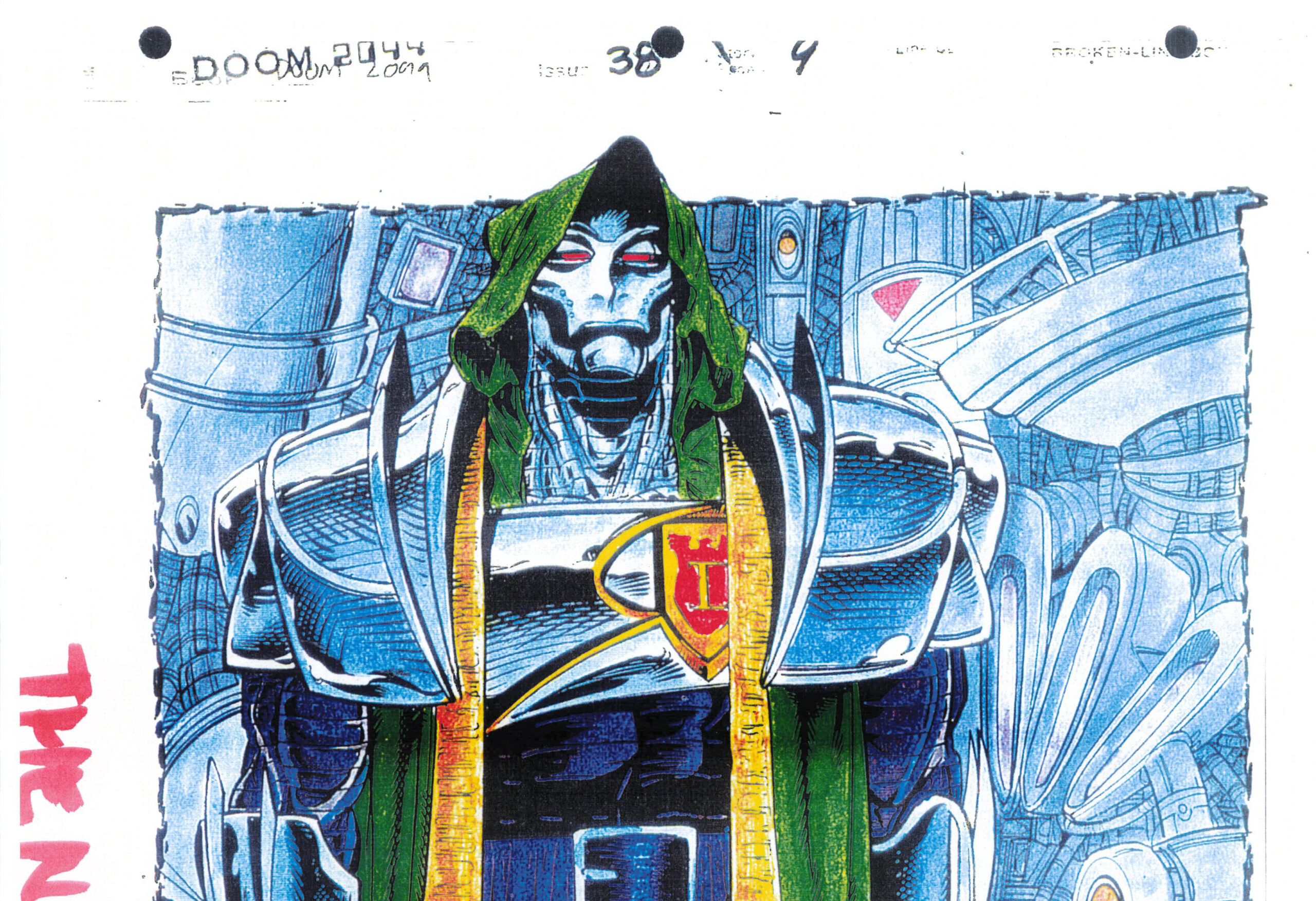
Similarly, the Andrew Nelson papers have seen a substantial augmentation with a considerable volume of new design documents. These additions are particularly noteworthy for their potential to illuminate the intricate stages of game design, offering a firsthand look at the conceptualization and refinement processes that lead to a finished product. The ICHEG’s highlight of these documents suggests that they represent a diverse range of materials, potentially including storyboards, character sketches, level designs, gameplay mechanics documentation, and narrative outlines.
One of the featured images accompanying the announcement provides a tangible example of the kind of materials now available. The storyboard for a scene titled "Letter Sequence w/ Flashback" depicts a lost treasure superimposed with a handwritten letter. This visual element is critical for understanding the narrative and thematic underpinnings of the game project it belongs to. Storyboards, in particular, are invaluable for tracing the visual storytelling and pacing of a game, offering insights into how developers intended to guide the player’s experience and convey narrative information. The inclusion of both visual elements (the treasure) and textual components (the letter) suggests a complex interplay between gameplay and story, a hallmark of many sophisticated video game titles.
The "Letter Sequence w/ Flashback" storyboard implies a narrative structure that relies on fragmented storytelling and the use of archival elements to reveal past events. This approach is common in games that aim to create a sense of mystery, discovery, or emotional depth. The "lost treasure" motif further suggests themes of exploration, retrieval, and perhaps even the consequences of past actions. The handwritten letter itself could serve as a key plot device, a clue, or a personal memento that connects the present narrative to a historical context. Analyzing such storyboards allows historians to understand not only what was designed but how and why, revealing the artistic and narrative intentions of the development team.
The sheer volume of new design documents from Andrew Nelson points to a comprehensive engagement with his creative output. This suggests that his contributions to game development were extensive and multifaceted, covering a wide array of design considerations. The availability of such detailed documentation is invaluable for academic research, enabling scholars to analyze trends in game design, the evolution of specific genres, and the impact of individual designers on the industry. For aspiring game developers, these documents can serve as educational resources, illustrating best practices in conceptualization, documentation, and visual storytelling.
The Importance of High-Quality Scans and Archival Preservation
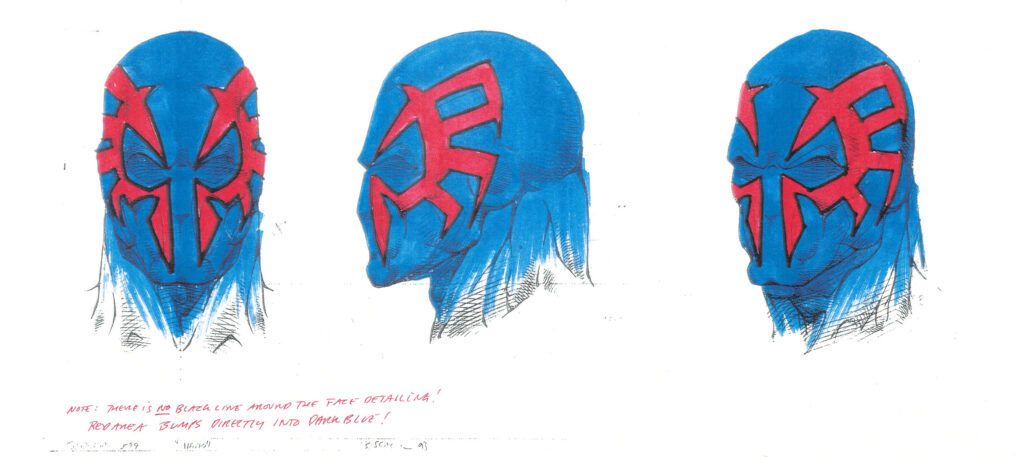
Beyond the addition of new materials, the update emphasizes the crucial practice of rescanning select items at higher quality. This commitment to fidelity is paramount in archival work, especially for visual materials like concept art, character turnarounds, and storyboards. Higher resolution scans ensure that intricate details, subtle artistic nuances, and textual elements are preserved with maximum clarity. This is particularly important for materials that may have been created or digitized under less advanced technological conditions previously.
For instance, the accompanying image of turnaround reference art for Miguel O’Hara, the Spider-Man variant in Marvel 2099, serves as an example of the kind of visual asset that benefits immensely from high-resolution scanning. Turnaround art is essential for animators and 3D modelers, providing a comprehensive view of a character from all angles. When scanned at a high resolution, these images allow for a detailed examination of the character’s design, proportions, costume details, and overall silhouette. This level of detail is critical for understanding the artistic vision and the practical considerations involved in bringing a character to life in a game.
The decision to rescan items at higher quality also speaks to the evolving standards of digital preservation. What was considered adequate for digitization a decade ago may now be superseded by newer technologies and higher expectations for detail and accessibility. By investing in high-quality rescanning, ICHEG demonstrates a forward-thinking approach to archiving, ensuring that these historical documents will remain valuable and interpretable for generations to come. This practice also makes the materials more useful for modern applications, such as digital reconstructions or detailed scholarly analyses that require the highest possible fidelity.
Acknowledging Contributions and Fostering Future Support
The ICHEG’s announcement explicitly expresses gratitude to Mark Flitman and Andrew Nelson for their contributions. This acknowledgment is more than a courtesy; it highlights the collaborative nature of archival efforts. The preservation of game history relies heavily on the willingness of individuals who were instrumental in creating these artifacts to share them with institutions dedicated to their safekeeping and dissemination. The fact that these materials are made available "for free" underscores ICHEG’s commitment to public access and education.
The organization’s reliance on support to continue building and improving its collections is a critical point. Archival institutions, particularly those focused on relatively young and rapidly evolving fields like video game history, face ongoing challenges in funding, staffing, and technological infrastructure. Donations, grants, and community support are vital for acquiring new collections, preserving existing ones, and making them accessible through digital platforms. The success of initiatives like the expansion of the Flitman and Nelson papers is directly tied to this ongoing support.
Broader Implications for Game History Research and Preservation
The ongoing expansion of ICHEG’s digital library, particularly through the enhancement of existing collections like those of Mark Flitman and Andrew Nelson, has significant implications for the broader field of video game history.
- Enhanced Scholarly Access: Researchers gain access to a richer and more detailed pool of primary source materials. This allows for more in-depth analysis of game design evolution, the creative processes of key figures, and the socio-cultural context of game development. For instance, comparing early concept art with final in-game assets can reveal significant shifts in design philosophy or technological capabilities.
- Democratization of Knowledge: By making these materials digitally accessible, ICHEG breaks down geographical and institutional barriers. Students, independent researchers, and enthusiasts worldwide can engage with these primary sources without needing to visit a physical archive, fostering a more inclusive research environment.
- Preservation of Ephemeral Materials: Many materials related to game development, such as design documents and concept art, are inherently ephemeral. The digital archiving of these items ensures their survival beyond the lifespan of physical media or the original creators’ active careers. This is crucial for capturing the nuances of a medium that often exists in digital formats that are themselves subject to obsolescence.
- Inspiration for Future Creators: The availability of these historical documents serves as an invaluable educational resource for aspiring game designers and developers. Studying the work of pioneers like Flitman and Nelson can provide insights into problem-solving, creative iteration, and the foundational principles of game design.
- Contextualization of the Medium: The continuous addition of such materials helps to solidify video games as a legitimate subject of academic study and cultural appreciation. It provides concrete evidence for the artistic, technical, and cultural significance of video games, moving beyond anecdotal accounts and into the realm of verifiable historical documentation.
The proactive approach taken by the International Center for the History of Electronic Games in continuously updating and refining its digital collections, as exemplified by the recent enhancements to the Mark Flitman and Andrew Nelson papers, is a testament to its dedication to preserving the rich and complex history of electronic entertainment. These efforts not only honor the contributions of individuals within the industry but also lay the groundwork for a more comprehensive and accessible understanding of this dynamic medium for future generations. The ongoing support for such initiatives is paramount to ensuring that the stories and innovations that shaped the world of video games are not lost to time.