Hartono Sudibyo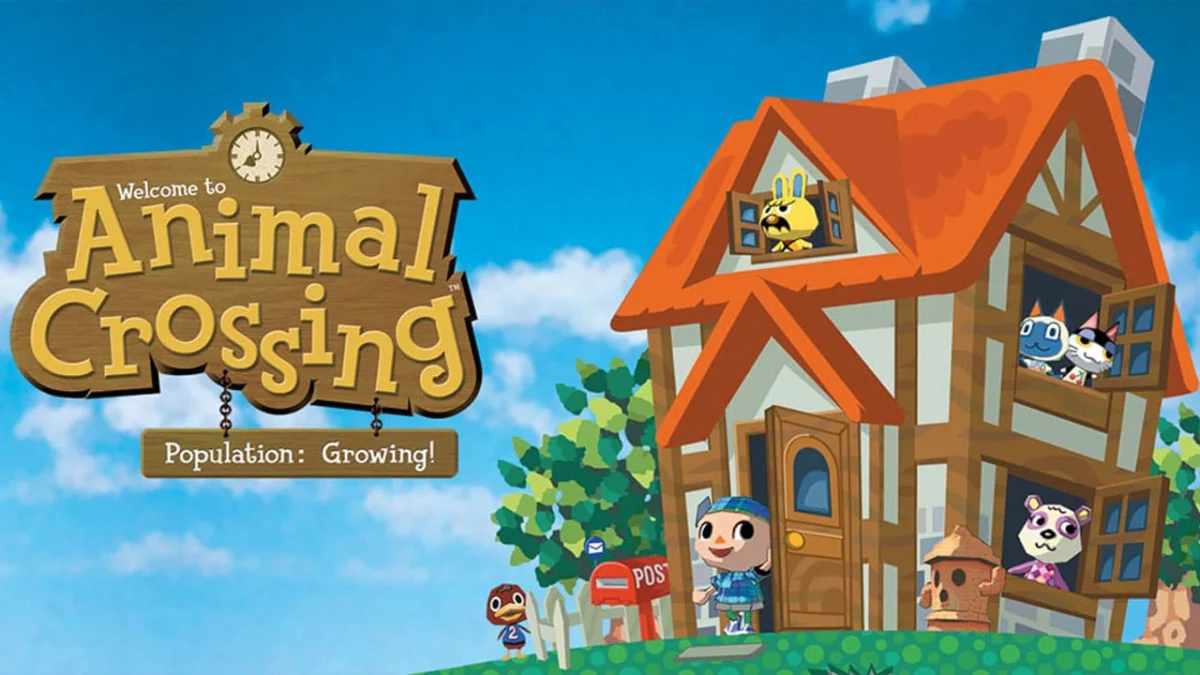
The beloved life simulation series, Animal Crossing, which first charmed players with its debut as Dōbutsu no Mori on the Nintendo 64 in 2001 and later gained widespread recognition with its GameCube release, has now seen its original iteration made accessible on modern personal computers and Valve’s Steam Deck. This unofficial native port allows enthusiasts to experience the foundational gameplay of the franchise with enhanced features and compatibility on PC platforms, marking a significant development for fans seeking to revisit or discover the origins of this enduringly popular series.
The Genesis and Evolution of Animal Crossing
The Animal Crossing franchise has cemented its status as a cornerstone of the life simulation genre, offering players a tranquil escape into a world of charming anthropomorphic animals, resource management, and community building. Its origins trace back to Japan with the 2001 Nintendo 64 release of Dōbutsu no Mori (Animal Forest). The game’s unique blend of real-time progression, player customization, and social interaction resonated deeply with audiences, prompting Nintendo to expand its reach.
The game was subsequently localized and released internationally on the Nintendo GameCube in 2002 and 2003 as Animal Crossing. This release marked the franchise’s first major global footprint, introducing its distinctive gameplay loop to a wider audience. Players were tasked with developing a new life in a village populated by animals, engaging in activities such as fishing, bug catching, fossil digging, and decorating their homes, all while interacting with a cast of memorable characters and managing their in-game currency, "bells." The real-time clock integration meant that events and seasons mirrored those of the real world, fostering a sense of ongoing commitment and immersion.
Subsequent entries in the series, including Wild World (Nintendo DS), City Folk (Wii), New Leaf (Nintendo 3DS), and the immensely popular New Horizons (Nintendo Switch), have continued to refine and expand upon the core mechanics. New Horizons, in particular, saw a massive surge in popularity during the COVID-19 pandemic, providing millions of players with a sense of connection and routine during periods of global lockdown. Its sales figures, exceeding 42 million units worldwide, underscore the franchise’s enduring appeal and its ability to adapt to evolving gaming landscapes.
The Unofficial PC Port: Bridging Generations of Gaming
The newly released native PC port of the GameCube’s Animal Crossing is not an official product from Nintendo. Instead, it is a fan-driven project that leverages modern emulation and development techniques to bring the classic title to a contemporary gaming platform. This initiative allows players to experience the game with a level of fidelity and control previously unavailable on PC.

Key features of this port, as detailed by its developers, include:
- Full PC Compatibility: The game runs natively on Windows, eliminating the need for traditional console emulation software that often comes with performance quirks or limitations.
- Controller and Keyboard Support: Players can choose their preferred input method, utilizing gamepads or keyboard and mouse configurations for gameplay.
- Enhanced Visual Options: The port offers adjustable display modes and render resolutions, allowing users to scale the game to modern displays, potentially including 4K output. This significantly improves the visual clarity compared to playing on original hardware or through standard emulation.
- Frame Rate Adjustment: The ability to modify frame rates provides smoother gameplay and a more polished experience, addressing potential performance inconsistencies inherent in older game designs.
- Texture Mode Switching: This feature likely allows for finer control over graphical fidelity, potentially offering different levels of texture detail or filtering options.
Technical Underpinnings and Accessibility
The development of this PC port builds upon the growing trend of dedicated fan projects that enhance the longevity and accessibility of classic video games. These projects often involve intricate reverse-engineering and development efforts to create functional versions of games for modern hardware.
To utilize this port, players will need a legally acquired GameCube ROM of Animal Crossing. This requirement underscores the legal framework within which such projects operate, emphasizing the importance of owning the original game to ensure compliance with copyright laws. The developers have made the port available for download via GitHub, a popular platform for open-source software development and collaboration.
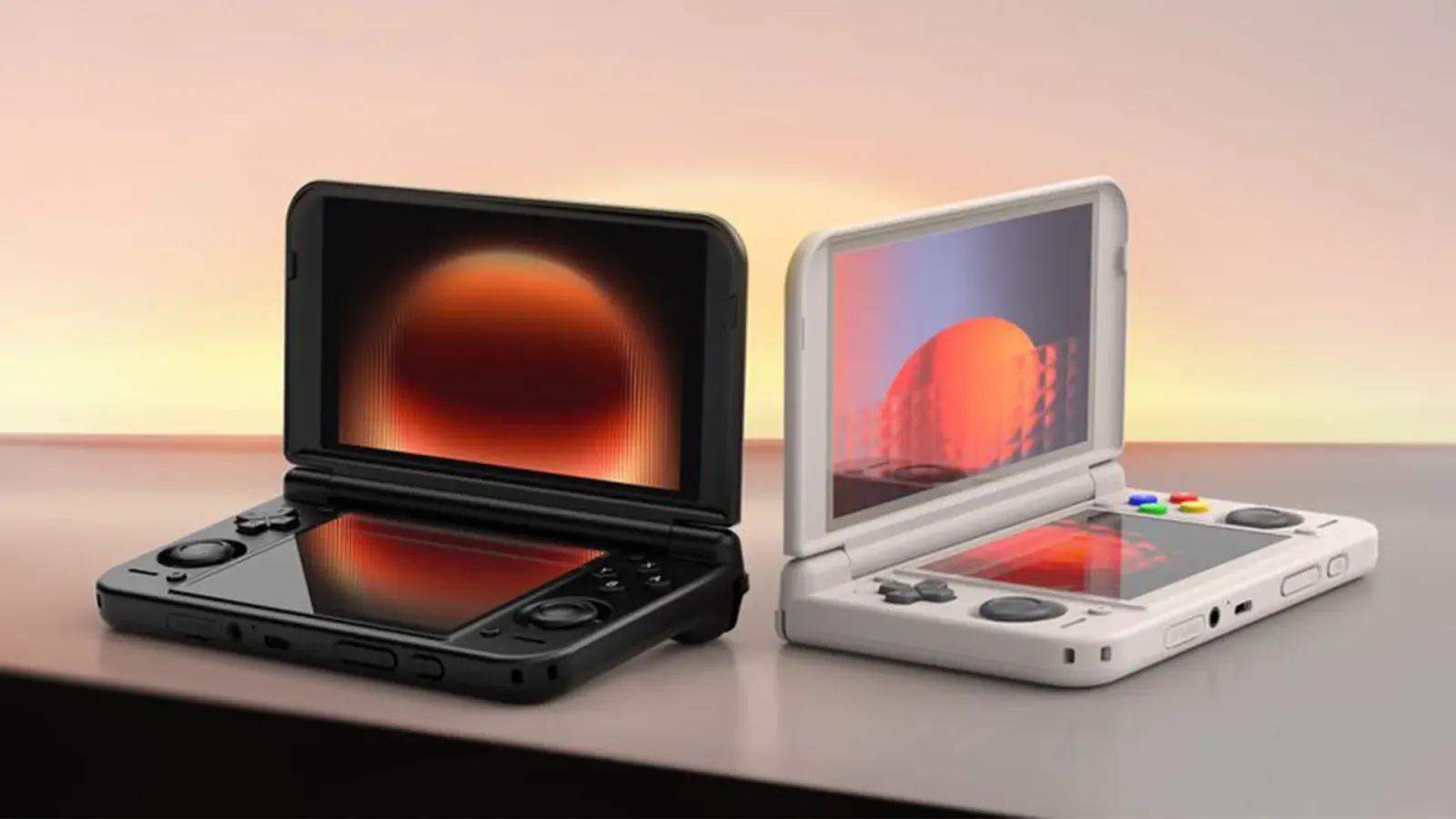
The availability of the port on platforms like Steam Deck is particularly noteworthy. The Steam Deck, a handheld gaming PC, is capable of running a wide array of PC titles, and this port allows for a portable, modern way to experience a foundational piece of Nintendo’s legacy. The combination of the game’s inherently relaxed pace and the Steam Deck’s portability creates a compelling proposition for players seeking a tranquil gaming experience on the go.
Analysis and Implications
The emergence of this native PC port for Animal Crossing has several significant implications for both the gaming community and the broader landscape of retro gaming preservation.
Firstly, it highlights the persistent demand for classic gaming experiences. Despite the release of numerous sequels and remasters, fans often express a desire to play original titles on modern hardware, benefiting from enhanced features and convenience. This port directly addresses that demand for Animal Crossing‘s GameCube iteration.

Secondly, it showcases the ingenuity and dedication of the retro gaming community. These fan-driven projects, while operating in a legal gray area, often provide access to games that might otherwise be difficult or impossible to play on current systems, especially for titles that have not been officially re-released or remastered.
Thirdly, the port’s enhanced features, such as adjustable resolution and frame rates, set a new standard for how classic games can be presented. This raises questions about the potential for official retro gaming initiatives to incorporate similar modernizations, thereby appealing to a wider audience of both nostalgic players and newcomers.
The disclaimer provided by the developers regarding ROM hacks is crucial. It acknowledges the complex legal standing of such projects, emphasizing that while personal use of ROM hacks derived from legally owned games may be permissible, distribution of copyrighted material is illegal. This highlights the delicate balance that fan developers must strike to avoid infringing on intellectual property rights.
The success and reception of this port could potentially influence future fan projects and even encourage Nintendo to consider more comprehensive official re-releases or emulation services for its older titles. While Nintendo has a history of closely guarding its intellectual property, the clear and demonstrable audience interest in playing classic Animal Crossing on PC suggests a market that could be tapped into more formally.
The ability to play the original Animal Crossing in resolutions that far exceed the GameCube’s native output, coupled with smoother performance, offers a fresh perspective on a game that has touched the lives of millions. It allows for a deeper appreciation of the meticulous design and charm that laid the groundwork for one of the most successful life simulation franchises in gaming history. The prospect of modding, as humorously suggested by the article’s original context, also opens up further avenues for community engagement and creative expression around the game, though such modifications would also fall under the purview of copyright considerations.
In conclusion, the native PC port of Animal Crossing for GameCube represents a significant achievement in fan-driven game preservation and enhancement. It bridges the gap between a cherished classic and modern gaming technology, offering players a compelling new way to engage with the origins of the beloved Animal Crossing series. This development underscores the enduring legacy of the franchise and the passionate community that continues to celebrate its impact on the gaming world.