Edi Durjana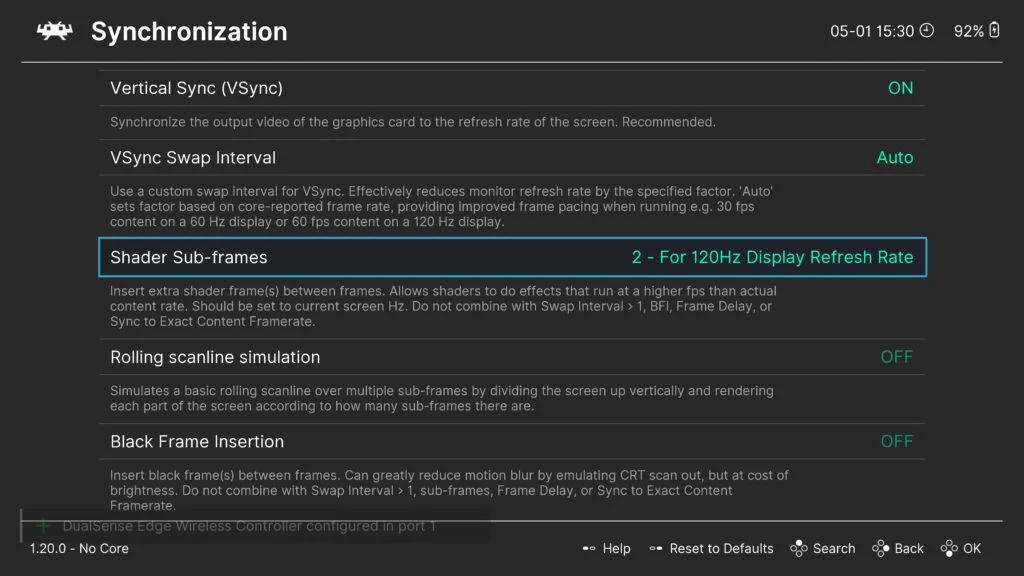
A significant advancement in display technology and emulation has been unveiled with the introduction of a novel shader designed to dramatically enhance motion clarity on modern high-refresh-rate displays. This innovative solution, developed through a collaboration between Mark Rejhon of BlurBusters fame and graphics programming luminary Timothy Lottes—known for his pioneering work on the FXAA shader and popular CRT-Lottes shaders—leverages RetroArch’s recently implemented “subframe” shader capabilities. This new technique allows the shader to operate at multiples of the standard content framerate, delivering unparalleled motion fidelity without the typical drawbacks associated with conventional Black Frame Insertion (BFI) methods. This development marks a pivotal moment for enthusiasts of retro gaming and visual fidelity, promising a resurgence of the crisp, fluid motion once synonymous with cathode ray tube (CRT) displays.
The persistent challenge of motion blur has long plagued modern flat-panel displays, particularly when rendering fast-moving content. Unlike the instantaneous pixel response and sequential scanning of legacy CRT monitors, contemporary LCD and OLED panels often struggle to maintain sharp image persistence during movement. This inherent characteristic leads to a phenomenon known as "sample-and-hold" blur, where each frame is displayed for the entire refresh cycle, causing the human eye to perceive a smeared image as it tracks moving objects across the screen. While modern displays boast impressive pixel counts, vibrant colors, and high refresh rates, the fundamental issue of motion blur has remained a stubborn barrier to achieving the crystal-clear motion experienced on older display technologies. The quest to mitigate this blur has led to various solutions, most notably Black Frame Insertion.
Black Frame Insertion (BFI) emerged as a common strategy to combat sample-and-hold blur. The principle behind BFI is simple: insert a completely black frame between each rendered content frame. By briefly turning off the backlight or pixels, BFI effectively reduces the perceived persistence of each frame, mimicking the impulse-driven nature of CRTs where the electron beam quickly scans and then moves on, allowing the phosphor to decay before the next scan. When implemented successfully, BFI can significantly improve motion clarity, making fast-paced action appear sharper and more defined. However, traditional BFI implementations come with a host of compromises that have limited its widespread appeal and effectiveness.
The drawbacks of conventional BFI are substantial and often deter users from enabling it. Foremost among these is a noticeable reduction in perceived brightness. Inserting black frames effectively halves the light output, making the image appear significantly dimmer, which can detract from the viewing experience, especially in well-lit environments. Furthermore, BFI can introduce an uncomfortable flicker, particularly at lower refresh rates (e.g., 60 Hz), leading to eye strain and fatigue for some users. Another critical concern, especially for certain display types, is the potential for image persistence or burn-in. Rapidly switching between full brightness and complete darkness can place stress on panel components, particularly on some LCDs, leading to issues like temporary image retention or, in severe cases, premature degradation of the display. These limitations have meant that while BFI offered a theoretical solution to motion blur, its practical application was often a trade-off many users were unwilling to make.
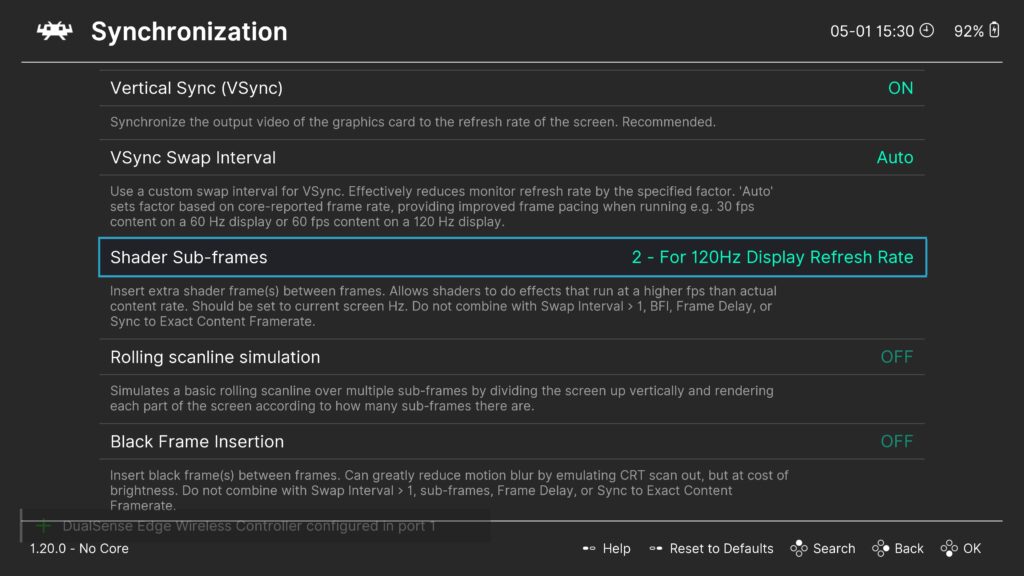
The new shader, dubbed the "CRT Beam Simulator" or "Beamracing" shader, circumvents these traditional BFI issues by leveraging RetroArch’s advanced "subframe" shader capabilities. This feature, introduced in RetroArch 1.20.0 and subsequent nightly builds, allows shaders to operate at a frequency higher than the game’s native framerate or the display’s base refresh rate. Instead of simply inserting a black frame, the Beamracing shader dynamically manipulates the display’s output across multiple subframes within a single refresh cycle. This enables a more nuanced and sophisticated approach to motion clarity, simulating the scanning behavior of a CRT electron beam rather than merely toggling the display on and off. The shader essentially renders multiple distinct phases of the image within the same refresh interval, creating the illusion of continuous, high-frequency updates that more accurately reflect the original content’s motion. This subframe rendering is a foundational element that differentiates this shader from all prior BFI attempts, allowing for a level of control and fidelity previously unattainable.
The intellectual prowess behind this innovative shader is considerable. Mark Rejhon, widely recognized as the founder of BlurBusters.com, has dedicated his career to demystifying and optimizing motion clarity in displays. His extensive research and advocacy for high refresh rates and low persistence displays have made him a leading authority on the subject. His collaboration brings a deep understanding of display physics and human visual perception to the project. Timothy Lottes, on the other hand, is a legendary figure in graphics programming, best known for creating the Fast Approximate Anti-Aliasing (FXAA) shader, a ubiquitous technique for smoothing jagged edges in real-time graphics. Lottes also developed the popular crt-lottes shaders, which accurately emulate the aesthetic of CRT displays. His expertise in crafting efficient and visually compelling shader effects was crucial in translating complex display physics into a practical, real-time solution for RetroArch. The combination of Rejhon’s theoretical knowledge of motion clarity and Lottes’s practical shader development skills has resulted in a truly groundbreaking piece of software.
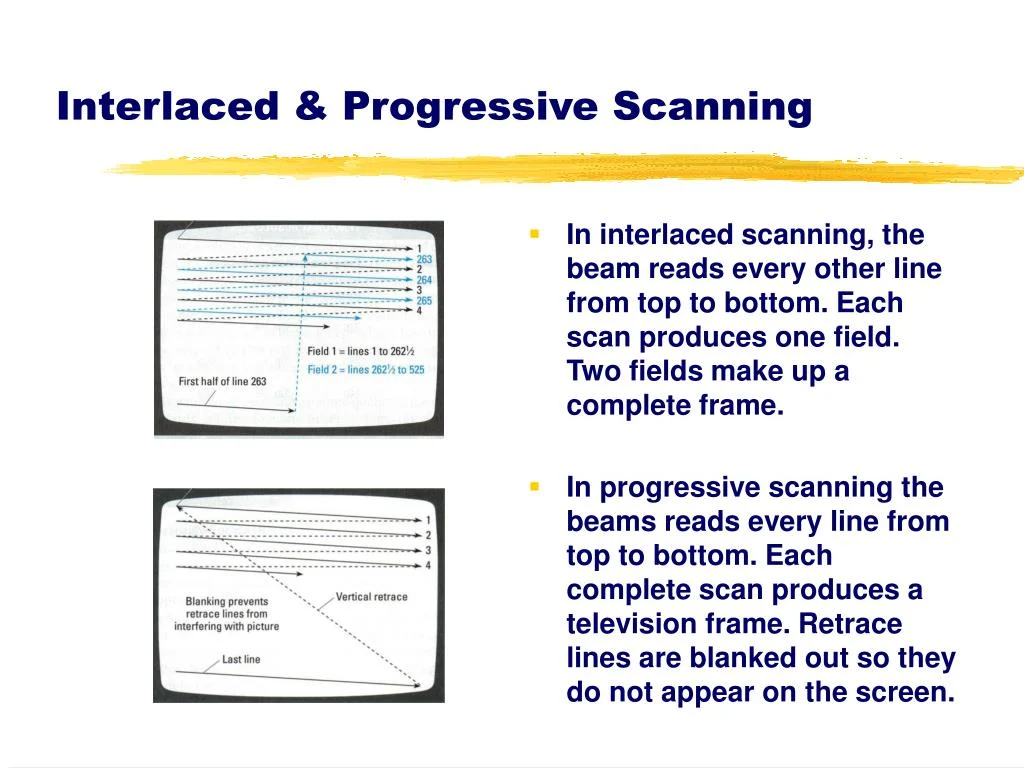
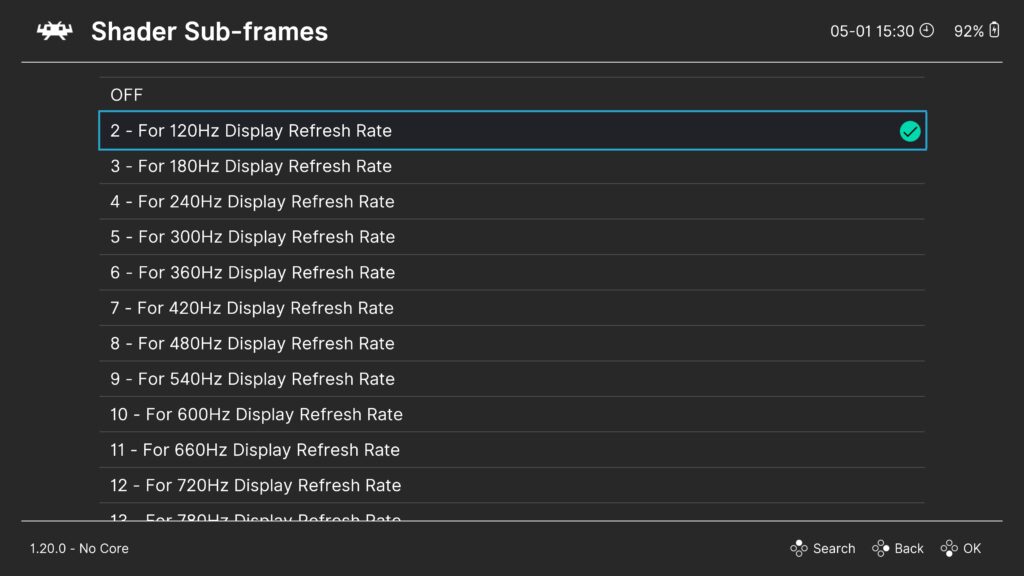
The technical brilliance of the Beamracing shader lies in its ability to simulate the "beam-racing" effect of a CRT. In a CRT, a single electron beam rapidly scans across the screen, illuminating phosphors line by line. This sequential illumination means that only a small portion of the screen is "on" at any given moment, and the illuminated pixels rapidly decay. The Beamracing shader emulates this by dynamically adjusting the brightness and position of a simulated "raster line" that appears to sweep across the screen, much like an electron beam. By operating at multiples of the content framerate—for instance, generating two subframes for a 60 Hz input on a 120 Hz monitor, or four subframes on a 240 Hz monitor—the shader can display distinct, momentary states of the image. This technique provides the illusion of a much higher effective refresh rate and significantly reduces the perceived persistence of individual frames without the crude full-screen blackouts of BFI. The outcome is an image that retains its brightness more effectively while achieving a dramatic improvement in motion clarity, making scrolling text and fast-moving sprites appear far sharper and less blurry. The shader’s original Shadertoy implementation can be viewed at www.shadertoy.com/view/XfKfWd, offering a glimpse into its foundational mechanics.
For users eager to experience this enhanced motion clarity, the implementation process within RetroArch is straightforward, provided certain prerequisites are met. The most crucial requirement is RetroArch version 1.20.0 or any subsequent nightly build, as previous versions lack the essential Shader Sub-frames feature. Additionally, a high-refresh-rate monitor, ideally 120 Hz or higher, is necessary to fully leverage the shader’s capabilities. A 120 Hz monitor can display two subframes for a 60 Hz game, while a 240 Hz monitor can display four, exponentially improving the effect.
The steps for activation typically involve:
- Updating RetroArch: Ensure your RetroArch installation is up-to-date (1.20.0 or newer).
- Downloading Shaders: Ensure your
slangshaders are updated to include thecrt-beam-simulatorpreset. - Configuring Video Settings: Set your monitor’s refresh rate to its highest stable value (e.g., 120 Hz, 144 Hz, 240 Hz).
- Loading the Shader: Navigate to the
Shadersmenu within RetroArch, enable shaders, and then load thecrt-beam-simulatorpreset from theshaders_slang/presets/crt-beam-simulatordirectory. - Applying and Saving: Apply the shader changes and optionally save them as a core or game preset.
Once active, the shader offers several runtime parameters for fine-tuning the visual output to match specific display characteristics and user preferences. Users can adjust the gamma to ensure a neutral image, eliminating any unintended dark lines that might appear. More importantly, parameters exist to balance brightness and motion clarity. For a 120 Hz monitor running with two subframes, a gamma value of approximately 0.5 is often recommended, while for 240 Hz monitors utilizing four subframes, a value around 0.7 tends to be ideal. These adjustments allow users to customize the visual experience, ensuring that the enhanced motion clarity doesn’t come at the expense of an overly dim or unnatural image.
A significant advantage of this shader is its modularity and compatibility. Users are not limited to using it in isolation; it can be seamlessly combined with other shader presets. For instance, those who enjoy the aesthetic of classic CRT scanlines can prepend the Beamracing shader to their favorite CRT shader preset, achieving both superior motion clarity and authentic retro visual effects. RetroArch’s flexible shader pipeline allows for such layering, enabling a highly customized and optimized visual experience. The shaders_slang/presets/crt-beam-simulator directory also contains pre-made presets that integrate the CRT beamracing shader with other popular effects, simplifying the setup for users.
The shader also intelligently addresses specific characteristics of various flat-panel display technologies. While traditional BFI can risk image persistence on some LCD panels due to rapid voltage fluctuations, not all modern displays are equally susceptible. OLED panels, for example, are generally unaffected by such on/off flickering, as their self-emissive pixels operate differently. Similarly, monitors running at odd integer multiples of 60 Hz, such as 180 Hz, may also exhibit different behaviors. For these displays, the shader includes a runtime parameter to disable the "cycle timing offset," which prevents the simulated raster line from rolling up the screen, an artifact that might appear if the timing is not perfectly synchronized. Furthermore, a parameter is available to adjust the vertical position of the raster line, allowing users to place it in the least obtrusive spot for their particular setup, ensuring maximum comfort and visual enjoyment. This level of granular control underscores the thoughtful design behind the shader, aiming for broad compatibility and optimal performance across a diverse range of modern displays.
The development and release of this shader have significant implications for the retro gaming community and potentially for display technology at large. For retro gaming enthusiasts, it represents a monumental leap forward in achieving authentic visual fidelity. Many classic games, especially those from the 8-bit and 16-bit eras, were designed with the motion characteristics of CRT displays in mind. The blur-free motion provided by the Beamracing shader allows these games to be experienced closer to their original intent, enhancing gameplay precision and visual appeal. This could reinvigorate interest in emulated classics, offering a premium experience previously unavailable on modern hardware.
Beyond emulation, this technology showcases the potential for software-driven solutions to fundamental hardware limitations. By leveraging advanced shader programming and the "subframe" capabilities of platforms like RetroArch, developers can push the boundaries of visual presentation, potentially influencing future display technologies or software-level optimizations in other applications. The collaboration between industry experts like Rejhon and Lottes, coupled with the open-source nature of RetroArch, fosters an environment of innovation that benefits the entire community. The availability of detailed troubleshooting guides and community support channels further ensures that users can overcome any initial hurdles and fully embrace this transformative technology. A highly informative video from a display technology expert, linked in the original announcement, provides further insights into the shader’s capabilities and its profound impact on visual perception.
In conclusion, the new Beamracing shader for RetroArch stands as a testament to ingenuity and collaboration in the pursuit of visual perfection. By ingeniously simulating the dynamic scanning behavior of CRTs through sophisticated subframe rendering, it effectively overcomes the longstanding problem of motion blur on modern flat-panel displays without succumbing to the compromises of traditional BFI. This advancement not only elevates the experience of retro gaming to unprecedented levels of clarity and authenticity but also highlights the ongoing evolution of display technology and software optimization. For anyone with a high-refresh-rate monitor and a passion for crisp, fluid visuals, this shader offers a compelling reason to revisit their favorite classic titles and witness them in a newfound light of clarity.