Johny Imanuel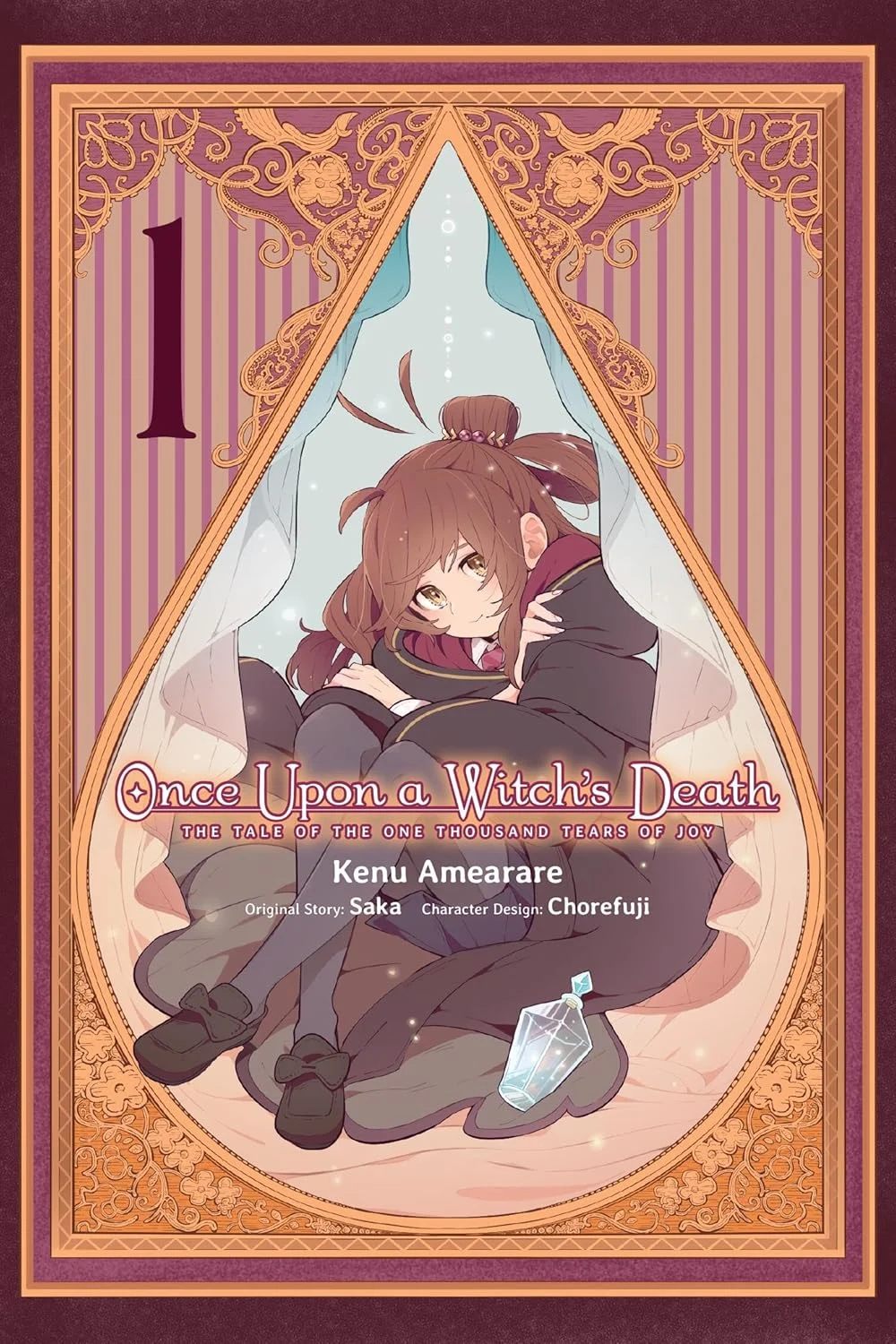
The landscape of contemporary fantasy manga frequently explores themes of mortality and legacy, but few titles approach these concepts with the specific emotional cadence found in Once Upon a Witch’s Death. Published in English by Yen Press, the series introduces a narrative framework that balances the whimsical trappings of magical apprenticeship with the somber reality of a terminal countdown. The story centers on Meg Raspberry, a young witch whose life is defined by a sudden and absolute ultimatum: she must cultivate a legendary Seed of Life or face an early death. This central conflict serves as the engine for a series that is as much about the human condition as it is about the arcane arts.
The Narrative Foundation: A Curse and a Quest
The premise of Once Upon a Witch’s Death is established with immediate stakes. On the day of her 17th birthday, Meg Raspberry is informed by her mentor, the enigmatic Faust the Eternal Witch, that she is under a curse. This curse is not a lingering illness or a slow decline, but a definitive expiration date; Meg is destined to die upon reaching the age of 18. The revelation shifts the tone of the story from a coming-of-age fantasy to a desperate race against time.
To circumvent this fate, Meg is tasked with a monumental objective: she must nurture the Seed of Life. The requirement for this cultivation is the collection of 1,000 "happy tears"—tears shed by others as a direct result of Meg’s assistance or kindness. This mechanic transforms the act of altruism into a survival necessity, creating a unique moral and emotional tension. Meg must not only help people but must do so in a way that evokes a profound enough emotional response to manifest physical tears. The first volume documents Meg’s initial foray into this quest, highlighting her impulsive nature and the genuine connections she begins to forge within her community.
Character Analysis and Psychological Dynamics
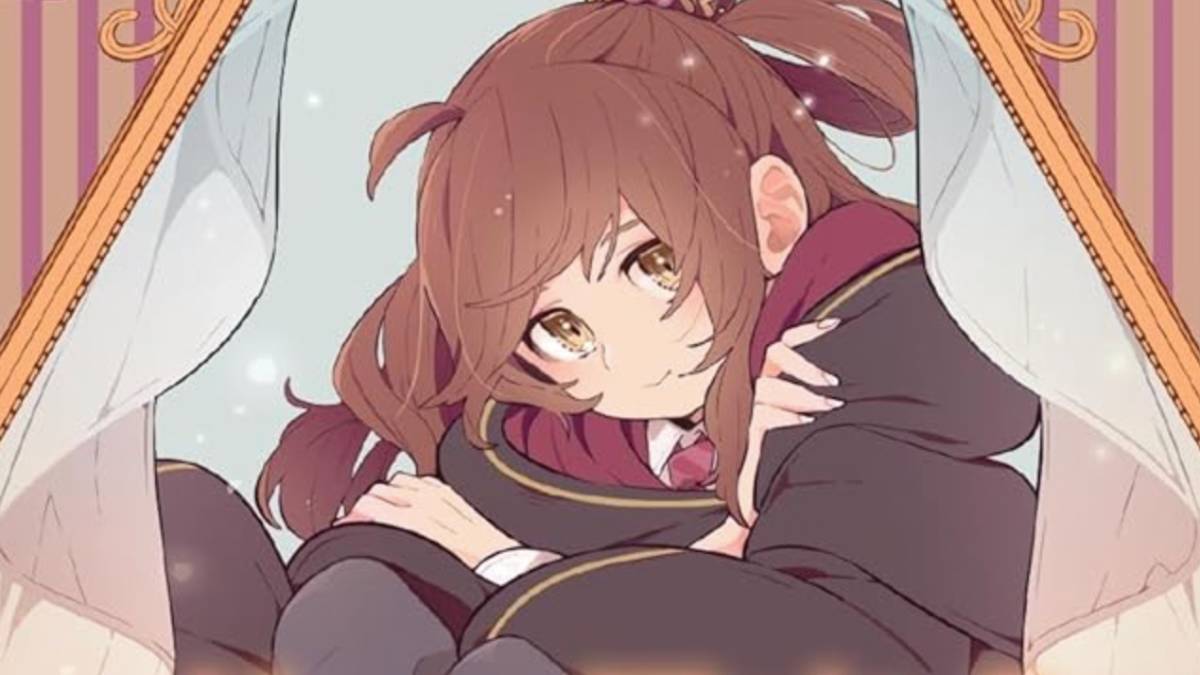
Meg Raspberry is characterized by an extreme level of expressiveness that serves two purposes within the narrative. On one hand, her exaggerated reactions provide a comedic counterweight to the underlying tragedy of her situation. Her initial disbelief, followed by a frantic, often misguided enthusiasm to collect tears, offers a relatable portrait of a teenager grappling with overwhelming news. On the other hand, her high emotional intelligence and empathy are what make her a successful candidate for the quest.
The relationship between Meg and Faust provides the story’s structural backbone. Faust, as the "Eternal Witch," represents the very immortality Meg is chasing. However, Faust’s detachment and cryptic guidance suggest that immortality may come with its own set of burdens. The dynamic is one of traditional mentorship flavored with the urgency of a life-or-death mission.
A notable aspect of Meg’s character development in the first volume is her pragmatic, if occasionally questionable, approach to her task. In a moment of desperation, Meg contemplates whether there are "unethical" ways to elicit joy, even experimenting with hormone-manipulating potions. The manga utilizes these moments to explore the boundaries of her desperation, including a darkly comedic scene involving potential animal testing where she asks the creatures to "die in her place." These instances prevent the character from becoming a one-dimensional "paragon of virtue," instead grounding her in a very human desire to survive at any cost.
Chronology of Events and Volume One Highlights
The chronological progression of the first volume follows Meg’s immediate reaction to her curse and her subsequent attempts to integrate herself into the lives of those around her.
- The Revelation: Meg’s 17th birthday serves as the inciting incident, where Faust reveals the curse and the conditions for the Seed of Life.
- The First Tears: Driven by panic, Meg immediately begins seeking out people in need. By the time she returns to Faust after her initial departure, she has already secured the first two tears, establishing that her natural inclination toward helping others is her greatest asset.
- The Grieving Family: One of the most poignant arcs in the first volume involves a local family mourning the loss of a mother. Meg’s intervention focuses on helping the family find a way to honor the deceased woman’s memory. This segment highlights the "tearjerker" nature of the series, as it deals directly with themes of grief and the healing power of shared remembrance.
- The Broken Memento: Meg turns her attention to her best friend, Fine, who is struggling with a broken watch that belonged to a lost loved one. The act of restoring a physical object serves as a metaphor for repairing the emotional state of those around her.
These episodic encounters allow the reader to see the incremental growth of the Seed of Life while deepening the world-building of the small town and its inhabitants.
Media Ecosystem and Publication Data
Once Upon a Witch’s Death originated as a light novel series written by Saka, which provided the rich internal monologues and world-building that the manga adaptation now visualizes. The manga, illustrated with a focus on character expression and atmospheric backgrounds, has been instrumental in expanding the franchise’s reach.
In the North American market, Yen Press has secured the rights for both the light novel and the manga adaptation. The first volume of the manga is currently available in retail and digital formats. According to the publisher’s schedule, the second volume is slated for release on July 28, 2026. This release cadence suggests a long-term commitment to the series, allowing the emotional weight of the story to build over several years.
Furthermore, the intellectual property has successfully transitioned into the realm of animation. An anime adaptation is currently available for streaming on Crunchyroll, which has introduced the story to a global audience. The synergy between the light novel, manga, and anime platforms indicates a strong market demand for "Iyashikei" (healing) stories that contain significant dramatic elements.
Thematic Analysis: Altruism and Mortality
The core of Once Upon a Witch’s Death lies in its exploration of why humans help one another. The series poses a provocative question: Is an act of kindness less valuable if it is performed for a selfish reason? Meg’s primary motivation is her own survival; she needs the tears to live. However, the narrative suggests that the process of helping others inevitably leads to genuine connection, regardless of the initial intent.
The requirement for "happy tears" specifically is a vital narrative choice. Unlike many dark fantasy series that focus on suffering or sacrifice, this story focuses on the utility of joy. It suggests that the most powerful magic in the world—the kind capable of granting immortality—is derived from human happiness. This provides a hopeful undercurrent to a story that begins with a death sentence.
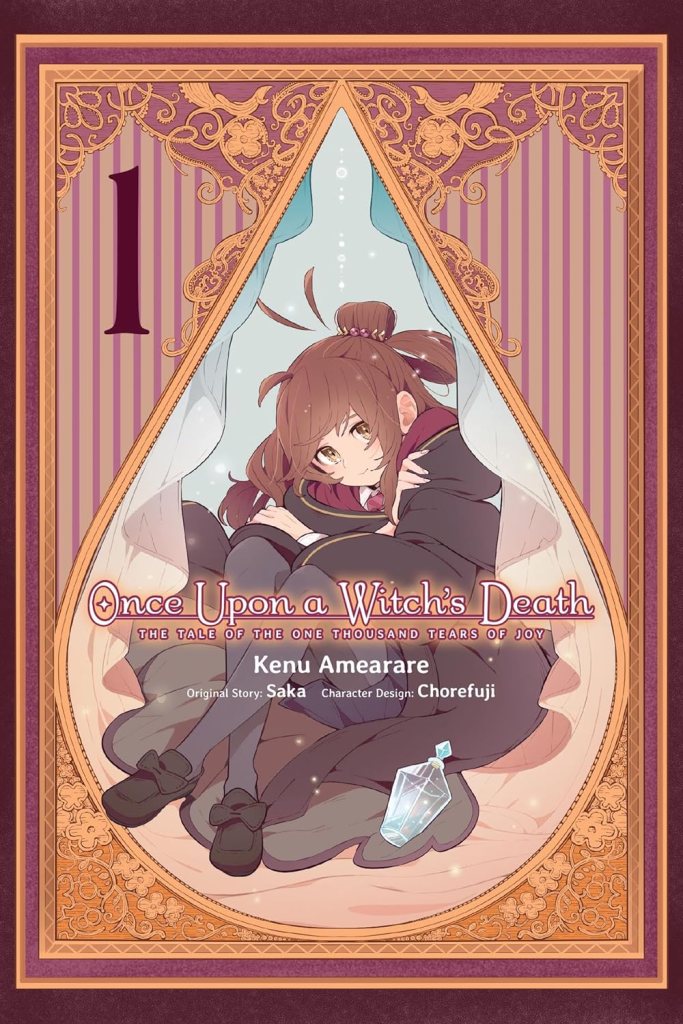
The "tearjerker" label applied to the series is a result of this emotional honesty. By focusing on relatable struggles—such as the loss of a parent or the desire to preserve a memory—the manga invites the reader to share in the characters’ catharsis. The "happy cry" becomes a shared experience between the protagonist, the people she helps, and the audience.
Broader Impact and Industry Implications
The success of Once Upon a Witch’s Death reflects a broader trend in the manga industry toward stories that prioritize emotional resonance over high-octane action. As the "isekai" and traditional battle shonen genres remain saturated, readers are increasingly turning toward titles that offer a more intimate, character-driven experience.
The series also fits within the growing subgenre of "death-timer" narratives—stories where a character is given a specific amount of time to live and must find meaning within that window. Similar to works like I Want to Eat Your Pancreas or Your Lie in April, Once Upon a Witch’s Death uses the finality of death to sharpen the protagonist’s appreciation for life. However, by adding the magical element of the Seed of Life, it provides a proactive path for the protagonist, turning a passive wait for the end into an active quest for salvation.
For retailers and libraries, the series represents a strong cross-demographic title. Its blend of fantasy elements appeals to younger readers, while its mature handling of grief and mortality resonates with older audiences. The continued localization of such titles by Yen Press underscores the diversifying tastes of the English-speaking manga readership.
As the series progresses toward Meg’s 18th birthday, the tension between her comedic antics and the looming deadline is expected to intensify. With Volume 2 on the horizon and the anime continuing to draw in new fans, Once Upon a Witch’s Death stands as a significant example of how modern manga can navigate the delicate balance between laughter and tears.