Hartono Sudibyo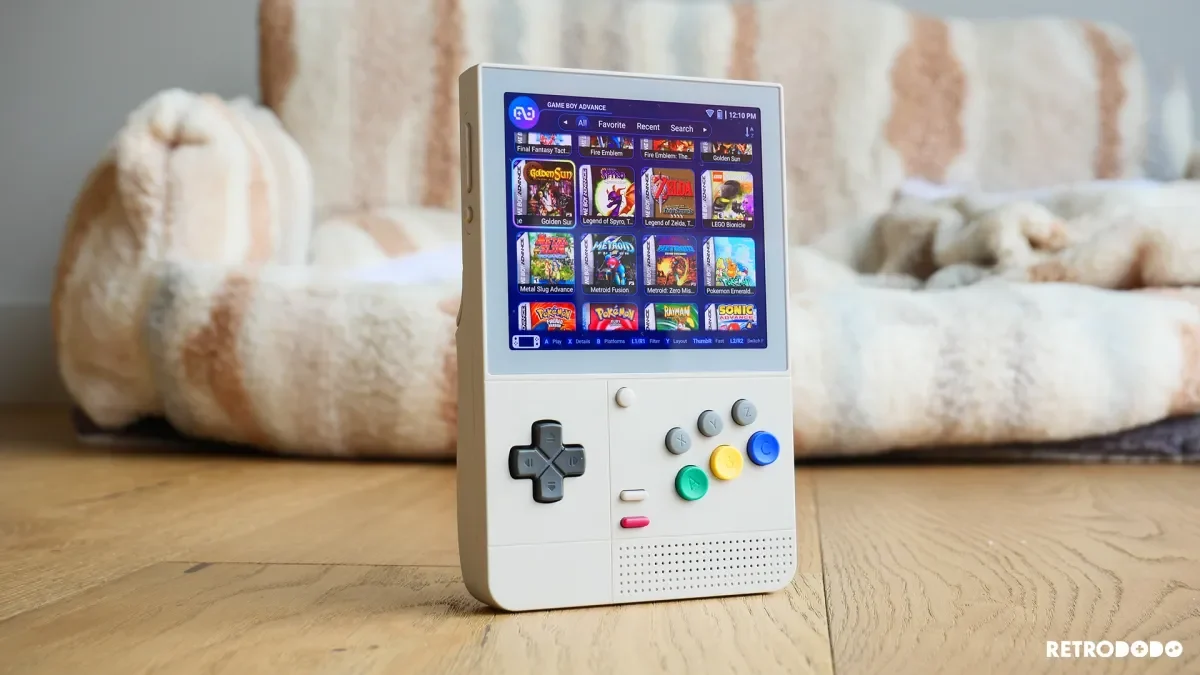
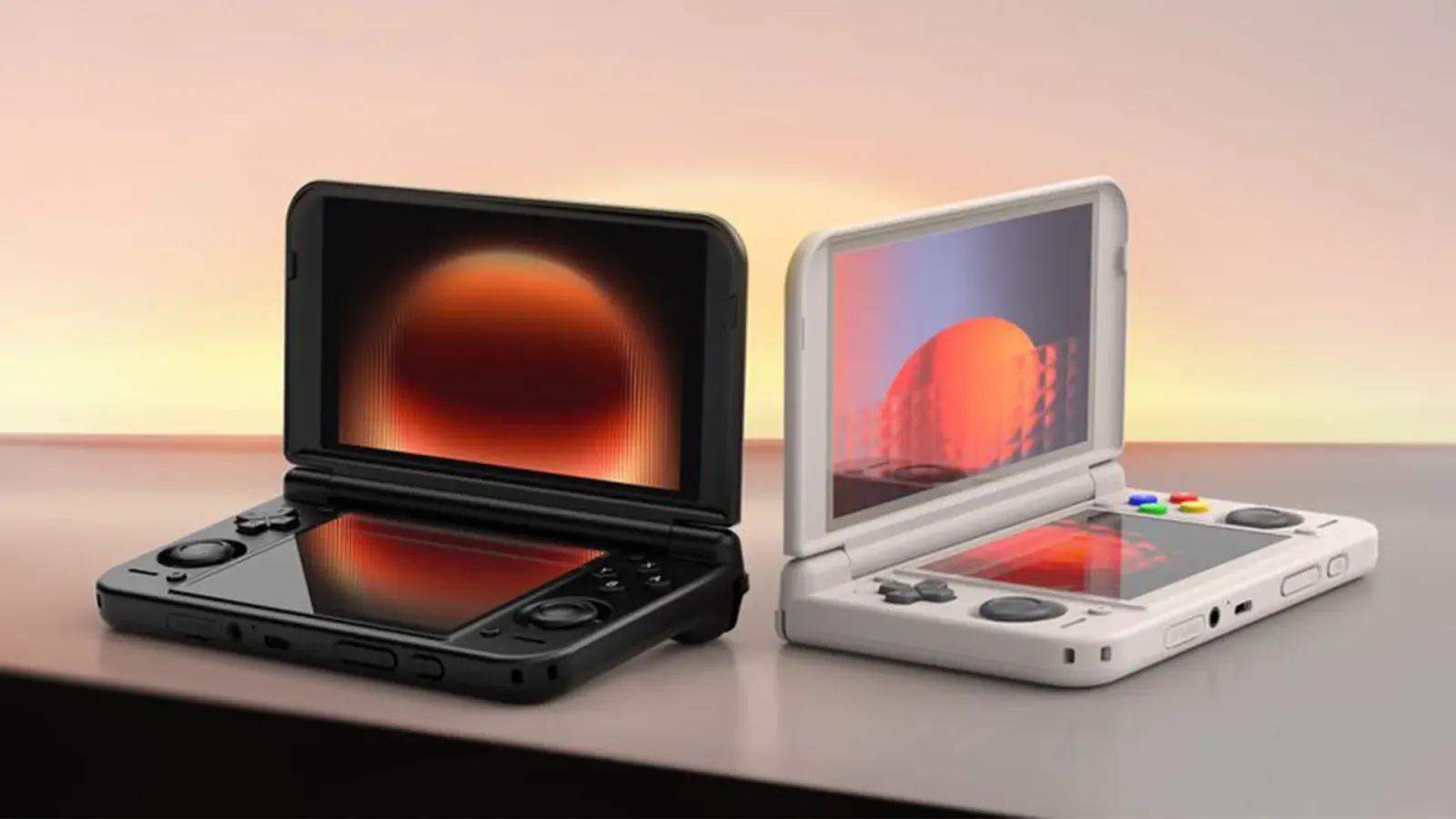
Retroid, a prominent manufacturer of retro-style Android gaming handhelds, has announced the temporary discontinuation of its popular Retroid Pocket G2 model. The decision, attributed to significant "fluctuations in memory pricing," has sent ripples through the retro gaming community, prompting concerns about the accessibility and cost of these beloved devices. The company expressed a "hope" to reintroduce the G2 in the future, a sentiment that, while optimistic, underscores the current volatility of the global semiconductor market.
The Memory Market Conundrum
The current global landscape for memory components, particularly RAM and NAND flash, has become increasingly unpredictable. Several converging factors are contributing to these price surges and supply chain challenges. Foremost among these is the insatiable demand from the artificial intelligence (AI) sector. The development and deployment of advanced AI models, especially large language models (LLMs) and sophisticated machine learning algorithms, require immense computational power. This translates directly into a massive need for high-bandwidth memory (HBM) and other high-capacity RAM modules for servers and data centers. Major tech giants are engaging in aggressive procurement, often outbidding smaller manufacturers and driving up the cost of these essential components.
Furthermore, the ongoing geopolitical tensions and supply chain disruptions, exacerbated by events such as the COVID-19 pandemic and trade disputes, continue to affect the production and distribution of semiconductors. While the semiconductor industry is inherently cyclical, the current confluence of demand from burgeoning sectors like AI, coupled with persistent supply constraints, has created a perfect storm for price increases and allocation challenges. This situation directly impacts companies like Retroid, which rely on a steady and affordable supply of these components to maintain competitive pricing for their consumer electronics.
A Timeline of Events and Discontinuation
The announcement of the Retroid Pocket G2’s discontinuation was made via a post on the social media platform X (formerly Twitter) by Retroid. While the exact date of the announcement is not provided in the original content, the update date of the article is March 17, 2026, suggesting the discontinuation likely occurred shortly before this date.

Key Points in the Chronology:
- Pre-Announcement: Retroid Pocket G2 is a popular and readily available handheld console for retro gaming enthusiasts.
- Announcement: Retroid posts on X stating the temporary discontinuation of the Retroid Pocket G2 due to memory price fluctuations.
- Market Context: Global memory prices are experiencing significant upward pressure driven by AI demand and supply chain issues.
- Consumer Impact: Potential buyers of the Retroid Pocket G2 face the immediate unavailability of the device.
- Alternative Offered: Retroid directs consumers to the Retroid Pocket 5 (RP5) as a viable alternative.
This series of events highlights the rapid and often unpredictable nature of the consumer electronics market, where global economic forces can swiftly alter product availability.
Retroid Pocket G2: A Beloved Handheld
The Retroid Pocket G2, prior to its discontinuation, had carved out a significant niche for itself within the retro gaming community. It offered a compelling blend of performance, affordability, and design, making it an attractive option for those looking to emulate classic video game consoles on the go. Its success was largely due to its ability to run a wide range of emulators for systems up to the PlayStation era, powered by a capable chipset and a generous amount of RAM.
The device typically featured 8GB of LPDDR5x RAM, a specification that positioned it as a high-performing option in its price bracket. This memory configuration was crucial for smooth emulation of more demanding systems and for multitasking within the Android operating system that powered the handheld. The discontinuation of this specific model signifies a tangible loss for consumers who were either planning to purchase one or were considering it as a future upgrade.
The Retroid Pocket 5: A Resilient Alternative
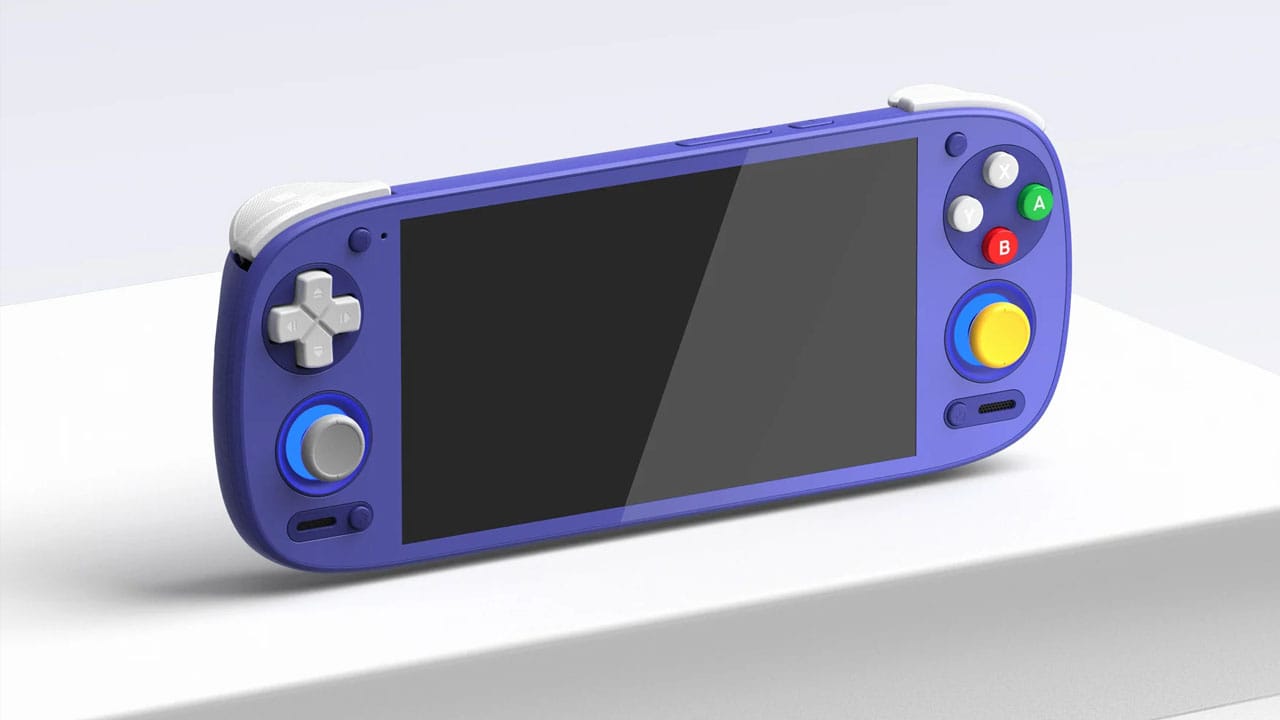
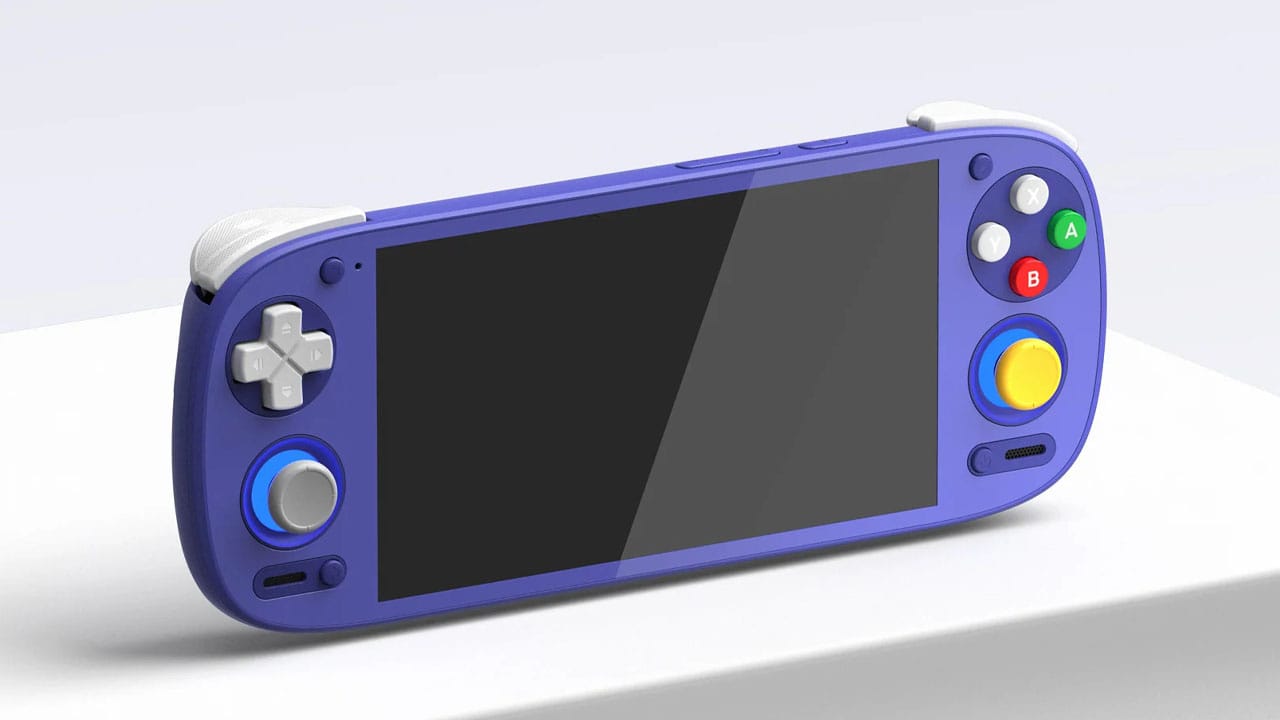
In response to the discontinuation of the G2, Retroid has highlighted the Retroid Pocket 5 (RP5) as a direct and viable alternative. The RP5 shares a striking visual resemblance to the G2, particularly in its popular Indigo GameCube, Black, and 16-bit styled variants. This aesthetic continuity ensures that users seeking a familiar design will not be disappointed.

Crucially, the RP5 is equipped with 8GB of LPDDR4x RAM. While this is a slightly different generation of memory compared to the G2’s LPDDR5x, the article suggests that the performance difference in the context of handheld emulation is negligible. The RP5 also boasts an Adreno 650 GPU, which is described as "more than enough" for current handheld emulation needs. This indicates that Retroid has strategically positioned the RP5 to absorb the demand previously met by the G2, offering a robust gaming experience without the problematic memory components.
A significant practical advantage of the RP5, according to the article, is its current pricing. It is reportedly $20 cheaper than the Retroid Pocket G2, offering a cost-saving benefit for consumers. This price difference, coupled with the continued availability and comparable performance for emulation, makes the RP5 a compelling choice for those looking to acquire a new retro handheld.
Broader Market Implications and Pricing Trends
The temporary discontinuation of the Retroid Pocket G2 is not an isolated incident but rather a symptom of broader trends affecting the electronics manufacturing sector. The increased cost of memory components has a cascading effect on the final price of consumer electronics. This is evident in another piece of news from Retroid regarding its RP Classic model.
The RP Classic, a vertical Android handheld, is slated for a price increase from $129 to $149. While this may seem like a modest jump, it represents a roughly 15% increase, which can be significant for budget-conscious consumers. This price adjustment for the RP Classic further underscores the pervasive nature of rising component costs. It serves as a clear indicator that manufacturers are absorbing increased expenses and passing some of them along to consumers.
Analyzing the Impact on Consumers and the Market
The situation with Retroid’s handhelds has several implications for consumers and the retro gaming market:
- Reduced Choice and Availability: The discontinuation of a popular model like the G2 limits consumer choice, especially for those who had their hearts set on that specific device. This can lead to frustration and a search for alternatives.
- Increased Costs: As seen with the RP Classic price hike, consumers are likely to face higher prices for retro handhelds and other electronics that rely on similar memory components. This could make the hobby less accessible for some.
- Shift in Demand: The temporary unavailability of the G2 will undoubtedly drive demand towards the RP5 and potentially other competing devices. This could lead to stock shortages of these alternatives if production cannot keep pace.
- Manufacturer Adaptability: Retroid’s response, by highlighting the RP5, demonstrates a degree of adaptability. However, it also reveals the vulnerability of manufacturers to external market forces beyond their direct control.
- Future of Retro Handhelds: The long-term impact hinges on the stability of memory prices. If the current trend continues, we may see more manufacturers either discontinue models, increase prices, or explore designs that use less memory-intensive components.
The reliance of retro handhelds on the same memory components that are critical for advanced AI development creates a direct competition for resources. This competition is a new reality for the consumer electronics industry, forcing companies to navigate a complex and often challenging supply chain.
Official Statements and Community Reaction
While the provided content offers Retroid’s official statement on X, a comprehensive news report would ideally include further details or broader reactions. Based on the information available and logical inferences, Retroid’s statement aims to be transparent about the challenges they face. By attributing the discontinuation to "fluctuations in memory pricing" and expressing a "hope" for the G2’s return, they are managing consumer expectations while acknowledging the external economic pressures.
The "hope" expressed by Retroid, while polite, is a professional way of indicating that the decision is contingent on factors outside their immediate control. The pricing of DRAM and NAND flash is notoriously volatile, influenced by global demand, manufacturing capacity, and geopolitical events. The surge in AI-driven demand has significantly tightened the supply of high-performance memory, impacting all sectors of the electronics industry.
The retro gaming community, often passionate and vocal, would likely be experiencing a mix of disappointment and understanding. Disappointment stems from the loss of a favored product, while understanding may come from awareness of the broader semiconductor market challenges. Forums and social media discussions would likely be filled with conversations about the reasons behind the discontinuation, comparisons between the G2 and RP5, and speculation about when the G2 might return.
Looking Ahead: Navigating the Current Market
The situation with the Retroid Pocket G2 serves as a crucial case study in the current state of the global electronics supply chain. For consumers interested in retro gaming handhelds, the immediate advice would be to consider the Retroid Pocket 5 as a capable and more readily available alternative. Its slightly lower-spec RAM, while a technical difference, does not appear to significantly hinder its performance for the intended purpose of retro emulation. Furthermore, the cost savings offered by the RP5 could be a welcome benefit in an era of rising prices.
For Retroid and similar manufacturers, the challenge lies in maintaining product lines and affordability amidst such market volatility. This may involve:
- Diversifying Supply Chains: Exploring multiple suppliers for critical components to mitigate risks associated with single-source dependencies.
- Strategic Product Development: Designing future products with greater flexibility in component choices or with a focus on less memory-intensive architectures where feasible.
- Transparent Communication: Continuing to provide clear and timely updates to consumers regarding product availability and pricing changes.
The future availability of the Retroid Pocket G2 will entirely depend on the stabilization and potential decrease in memory prices. Until then, the RP5 stands as the company’s flagship offering for those seeking a modern retro gaming experience. The broader implications of this event highlight the interconnectedness of global industries, where advancements in one sector, like AI, can have tangible effects on consumer products in seemingly unrelated fields. As the market continues to evolve, consumer electronics companies and their customers alike will need to remain agile and informed to navigate these dynamic conditions.