Vera Clarissa
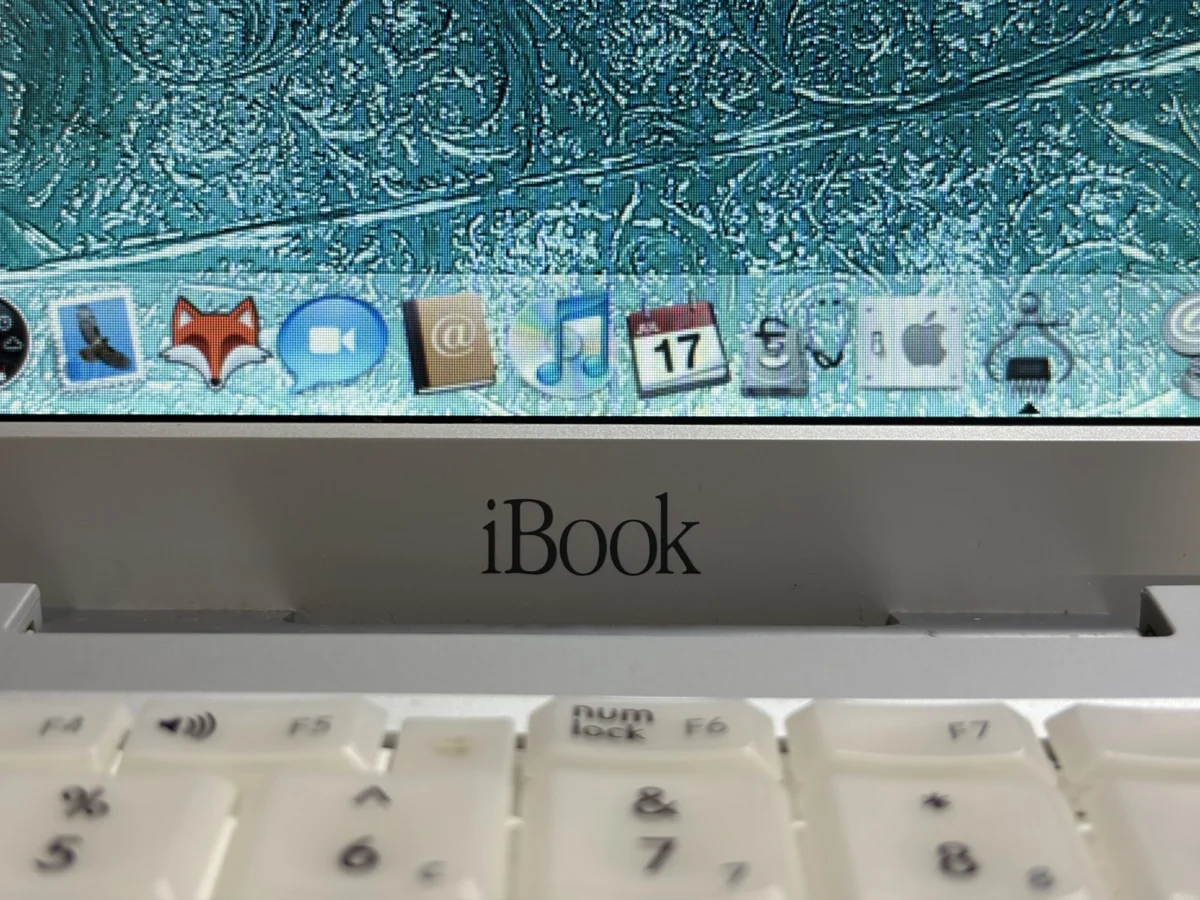
The resurgence of interest in vintage computing reached a notable milestone at the recent Vintage Computer Federation (VCF) Midwest event, where a $10 iBook G3 acquisition by a retro-computing enthusiast demonstrated that legacy hardware remains a viable tool for specific technical workflows. While the device was purchased for a nominal sum at table B620, operated by Michigan Vintage Finds, its subsequent restoration underscores the enduring utility of PowerPC-era architecture in a modern context. Beyond mere nostalgia, this machine has been integrated into a functional laboratory environment, serving as a dedicated host for Mac OS X Tiger and acting as a bridge for maintaining other legacy Apple systems, such as the iMac G3 Indigo.

The project highlights a broader trend within the hobbyist community: the transition of vintage hardware from static display pieces to functional "Swiss Army Knives" for software restoration, disk cloning, and hardware diagnostics for equipment manufactured between 1998 and 2004.

Technical Chronology and Hardware Restoration
The iBook G3, a cornerstone of Apple’s portable lineup during the early 2000s, was originally equipped with limited specifications that would prove inadequate for modern software. The acquisition model featured an original 10 GB hard drive, which has since been replaced by a 60 GB IDE drive. This serves as an interim solution while the owner attempts to resolve compatibility issues with a 128 GB mSATA SSD. The primary challenge in the SSD upgrade has been the instability of the current IDE-to-mSATA adapter, a common hurdle for enthusiasts attempting to modernize legacy storage interfaces.

The memory configuration also required immediate attention. Upon acquisition, the unit contained a 128 MB RAM module. To adequately support Mac OS X Tiger, which is resource-intensive for this hardware generation, the system was upgraded to 256 MB. The iBook G3 architecture allows for a maximum capacity of 576 MB or 640 MB, depending on whether the logic board features 128 MB of onboard soldered RAM.

One of the more sophisticated elements of this specific unit is the presence of the PowerPC 750CXe processor. This chip is particularly significant in the timeline of the G3 series, as it features 512 KB of on-die L2 cache, offering a performance advantage over earlier G3 iterations. The restoration process also involved an inspection of the internal thermal management; unlike modern laptops that require frequent replacement of thermal paste, this unit utilizes a thermal pad, which has maintained its efficacy over two decades.

Diagnostic Hurdles and Infrastructure Maintenance
The utility of this iBook extends beyond its internal hardware. It has become a primary workstation for restoring other vintage Macs. Specifically, the machine was instrumental in the restoration of a 400 MHz FireWire-equipped iMac G3. By utilizing Target Disk Mode—a feature that allows a Mac to function as an external hard drive when connected to another computer—the iBook facilitated the migration and management of a 500 GB Maxtor IDE drive. This process required the use of specialized software, such as SpeedTools Hi-Cap drivers, to overcome the addressable storage limitations inherent in older firmware.

However, the restoration has not been without technical setbacks. The LCD display exhibits a persistent horizontal line, and the backlight module occasionally fails to engage upon startup. Currently, the owner has implemented a manual workaround—cycling the power or utilizing an external light source to verify display output—though a future conversion to an LED-backlit panel is being considered to replace the aging Cold Cathode Fluorescent Lamp (CCFL) inverter.

Furthermore, the audio output on these models is multiplexed, utilizing the 3.5mm jack for both analog audio and video-out signals. This design quirk necessitates a precise physical alignment when connecting modern hardware, such as the Beats Studio 3 headphones, to avoid signal interference. Such intricacies reflect the specialized knowledge required to maintain early 2000s technology in an era of plug-and-play standardization.

Contextualizing the Vintage Computing Movement
The VCF Midwest event, where this iBook was sourced, serves as a focal point for the preservation of computing history. Events like these provide a marketplace for hardware that would otherwise be discarded as e-waste. Industry analysts note that the "Right to Repair" movement has gained significant momentum within these communities. By maintaining 25-year-old hardware, enthusiasts are effectively extending the lifecycle of consumer electronics, a practice that aligns with broader sustainability goals in the technology sector.

The choice of Mac OS X Tiger (10.4) as the primary operating system is deliberate. Released in 2005, Tiger is widely regarded by enthusiasts as the "Golden Age" OS for PowerPC hardware, offering a balance between legacy Classic Mac OS support and the relative modernities of the Unix-based BSD core. It remains the most stable environment for the specific software library required to service machines from the 1999–2004 period.

Implications for Legacy Systems
The implications of this project are twofold. First, it demonstrates that legacy storage and optical drives are becoming the primary points of failure for vintage systems. The transition to SSDs and the search for reliable Dual Layer DVD drives indicate that the "second life" of these machines is increasingly dependent on the availability of third-party adapters and component substitutes.

Second, the integration of these machines into modern workflows suggests that there is a persistent need for "bridge" hardware. Modern operating systems, such as current versions of Windows or macOS, often lack the native ability to read legacy file systems or interact with proprietary FireWire-based disk protocols. A restored, dedicated vintage workstation provides a necessary layer of abstraction for archival projects, allowing users to move data from 25-year-old disks to modern cloud-based storage or external drives.

Future Development and Sustainability
Looking forward, the project remains a work in progress. The intended replacement of the current Combo drive with a modern, dual-layer SuperDrive will further increase the machine’s utility as an archival tool. While the current 60 GB HDD is functional, the eventual success of the 128 GB mSATA SSD installation will mark the completion of the system’s performance tuning.

The use of this iBook for non-traditional purposes, such as functioning as a dedicated high-fidelity music player—leveraging iTunes and the PowerPC’s unique audio processing capabilities—highlights the aesthetic and functional appeal of the "jukebox" computer. By pairing legacy hardware with modern audio peripherals, users are finding new ways to appreciate the industrial design and hardware engineering that characterized Apple’s transition into the consumer portable market.

As the community continues to refine these restoration techniques, the scarcity of original components remains the primary constraint. However, as demonstrated at VCF Midwest, the combination of community-shared knowledge, persistent troubleshooting, and the availability of inexpensive aftermarket adapters ensures that these machines will remain operational for the foreseeable future. The iBook G3, once considered obsolete, has been successfully repurposed into a highly capable technical asset, proving that with enough dedication, even a $10 garage-sale find can provide significant value to the modern computing landscape. The ongoing efforts of enthusiasts ensure that the history of these machines is not merely preserved in museums, but actively utilized in the workshops of the next generation of engineers and historians.