Chalid Lutfie
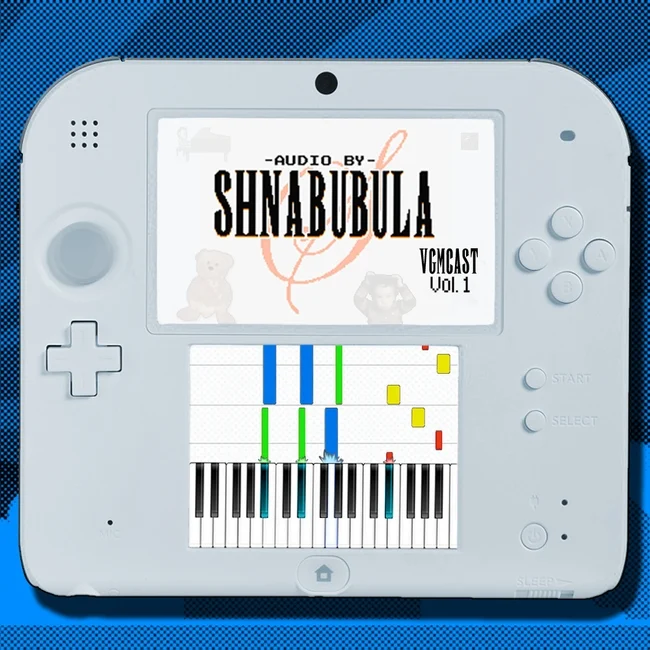
The musician and performer widely known as Shnabubula has officially inaugurated a rigorous new creative project designed to bridge the gap between real-time audience participation and professional musical performance. The initiative, which debuted in May 2015, functions as a high-intensity pedagogical experiment where the artist accepts viewer-submitted song requests live on the streaming platform Hitbox, undergoes an accelerated learning process, and executes a full performance of the compiled setlist within a 48-hour window. This endeavor represents a significant departure from traditional studio production, prioritizing raw technical skill, rapid auditory processing, and community-driven content generation.
The Chronology of the Weekly Performance Cycle
The operational structure of the project is divided into two distinct, time-sensitive phases that occur every week. The first phase, the "Learning Stream," takes place on Fridays from 12:00 PM to 8:30 PM EST. During this eight-and-a-half-hour window, the artist utilizes the interactive nature of the Hitbox platform to engage directly with his audience. Viewers submit requests for specific video game music compositions, ranging from well-known themes to obscure arrangements.
The artist’s objective during this period is to transcribe, rehearse, and master these selections in real-time. This phase serves as the primary data-gathering and preparation stage, requiring high-level musical literacy and the ability to perform complex arrangements under significant time pressure. Following the conclusion of the Friday session, the artist enters a two-day "incubation period," during which the learned material is refined and polished.
The second phase occurs on Sunday at 4:00 PM EST, designated as the "Performance Showcase." During this session, the artist delivers a cohesive setlist comprising all the tracks successfully learned during the previous Friday’s session. This structure ensures a transparent workflow, allowing the audience to track the artist’s progress from the initial request to the final, professional-grade rendition.
Technical Demands and Supporting Data
The technical requirements for this project are substantial. Successfully learning and performing a new piece of music within a 48-hour cycle necessitates a mastery of music theory, ear training, and technical instrumental proficiency. Historically, musicians often spend weeks or even months perfecting individual arrangements; by compressing this timeframe, Shnabubula is testing the limits of cognitive load and musical memory.
In the inaugural session, the artist successfully performed a set of 14 distinct songs. Statistically, this translates to roughly one new musical arrangement learned every 35 minutes of active streaming time. This velocity of acquisition is rare in the professional music industry, suggesting that the performer relies on advanced heuristics, such as identifying recurring harmonic patterns and structural motifs common to video game soundtracks. The resulting album, released to his community following the performance, serves as a permanent record of this iterative process, offering fans access to both the final polished audio and the raw, unedited footage of the learning process.
Background and Context: The Evolution of VGM Performance
The field of Video Game Music (VGM) has experienced a significant transformation over the past decade, moving from a niche hobbyist interest to a recognized genre of professional performance. Historically, VGM was limited to the constraints of early hardware, such as the SID chip of the Commodore 64 or the sound chips of the Nintendo Entertainment System. As technology progressed, the complexity of these compositions increased, necessitating higher skill levels from those who perform covers or arrangements.
Shnabubula’s project is positioned at the intersection of three growing digital trends: the rise of live-streaming platforms, the professionalization of the "Let’s Play" and digital music community, and the increasing demand for high-fidelity, interactive fan-creator relationships. By utilizing Hitbox—a platform known for its focus on gaming content—the artist effectively taps into a demographic that values both the nostalgia of gaming soundtracks and the technical prowess of live performance.
Implications for the Digital Music Industry
The implications of this initiative extend beyond individual performance; they highlight a shift in how professional musicians might approach content creation in the digital age. Traditionally, an album cycle involves months of writing, recording, mixing, and mastering, followed by a promotion phase. In contrast, the model presented here is "agile," characterized by continuous delivery and direct audience feedback.
This method mitigates the risk of creative stagnation by forcing the performer to constantly engage with new, often challenging material. It also fosters a high level of audience loyalty. By allowing viewers to dictate the content of the weekly setlist, the artist incentivizes long-term engagement. Fans are no longer passive listeners; they are active participants in the curation of the artist’s repertoire.
From a pedagogical perspective, the project serves as a case study for accelerated learning. Cognitive scientists have long noted that time constraints can act as a catalyst for creative problem-solving. While the pressure to perform may increase the likelihood of minor technical errors, it also encourages a "flow state" that is often lost in the perfectionist environment of a traditional recording studio.
Expert Analysis and Community Response
While formal responses from musicology experts regarding this specific project are still emerging, initial feedback from the VGM community has been largely positive. Peers within the industry have noted that the transparency of the "Learning Stream" is particularly valuable for aspiring musicians. By exposing the struggles and trial-and-error inherent in learning a new piece of music, the artist demystifies the creative process.
Critics and observers within the music production industry have suggested that this model could potentially lead to burnout if maintained over an extended period. The mental exertion required to synthesize complex auditory information for eight hours at a time, followed by a public performance, is immense. However, proponents argue that the feedback loop established by live streaming provides a social reward mechanism that sustains the performer’s motivation.
Broader Economic and Cultural Impact
The economic model of such projects is also worth noting. By releasing the individual songs as an album, the artist creates a secondary revenue stream from content that was already "vetted" by the audience. This maximizes the return on the time invested in learning the music. As streaming platforms continue to evolve, it is highly probable that more artists will adopt this "stream-to-perform" model, further blurring the lines between practice, production, and public exhibition.
Furthermore, this initiative underscores the cultural importance of VGM as a legitimate art form. The fact that an audience is willing to dedicate time to witness the learning process of these tracks indicates that the music of video games has transcended its original purpose as background atmospheric sound. It is now treated with the same level of academic and performance rigor as classical repertoire or jazz standards.
Future Outlook and Sustainability
As the project enters its second month, the central question for the artist and his followers remains sustainability. Maintaining an average of 14 songs per week is a high-volume endeavor that requires significant endurance. Should the artist continue this pace, he will have added over 700 songs to his repertoire within a single year—a feat that would rival the most prolific concert pianists.
The success of this initiative may eventually lead to collaborative sessions or more complex, multi-instrumental arrangements. If the model proves successful and sustainable, it could set a new standard for independent musicians looking to leverage live-streaming technology to build a professional career. By removing the barriers between the artist and the listener, and by emphasizing the process of creation over the finality of a product, Shnabubula is establishing a new paradigm for the digital age of music.
This project is a testament to the power of community-driven content. By embracing the unpredictability of live requests and the high-stakes environment of a 48-hour deadline, the artist is not merely performing; he is engaging in an ongoing, public dialogue about the nature of musical talent, the value of audience agency, and the future of live, digital entertainment. The recordings archived on the artist’s channel remain as evidence of this ongoing experiment, serving as a repository for future students of the craft who wish to understand the intersection of technology and human performance in the early 21st century.