Indra Gunadi
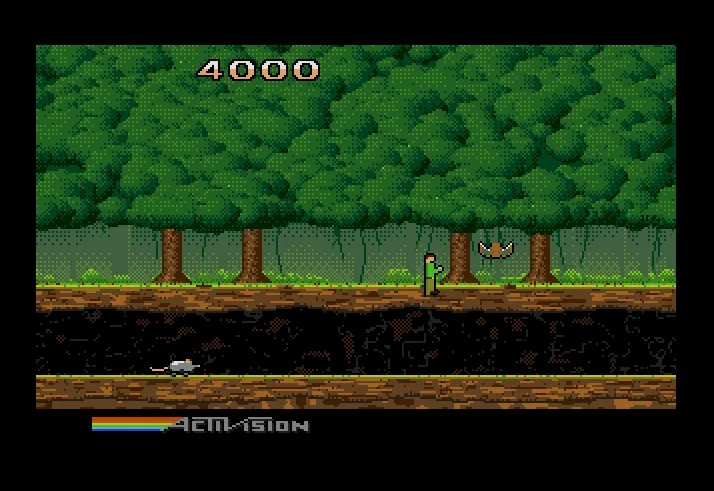
The landscape of independent software development and retro-gaming preservation reached a significant milestone this month as PDRoms, one of the internet’s longest-running repositories for homebrew software, marked twenty-eight years of continuous operation. Since its inception in 1998, the platform has functioned as a centralized hub for developers, hobbyists, and digital archivists dedicated to creating and distributing non-commercial software across a vast array of legacy and modern hardware platforms. Currently housing over 2,500 unique files and facilitating more than three million downloads, PDRoms serves as a primary case study in the longevity of community-driven digital archiving.
The Evolution of Homebrew Distribution
The term "homebrew" refers to software created by hobbyists for hardware platforms that were not originally intended for user-developed applications. In the late 1990s, the distribution of this software was fragmented, often trapped within small, disparate bulletin board systems (BBS) or ephemeral personal websites. PDRoms emerged during this era to provide a structured, accessible database for developers to upload their projects, ranging from simple tech demos to full-scale fan-made games.
Throughout its twenty-eight-year history, the platform has navigated the transition from the dial-up internet era to the high-bandwidth, mobile-centric landscape of the 2020s. By maintaining a focus on technical utility rather than commercial gain, the site has avoided the common pitfalls that often lead to the obsolescence of enthusiast projects. The current infrastructure, identified by the "Claudius L. Priscus" build framework, reflects a commitment to low-latency accessibility, prioritizing a lightweight, script-free "light version" that ensures compatibility with older web browsers and screen readers—a nod to the very hardware the site helps support.
Chronology of Digital Preservation
The trajectory of PDRoms can be categorized into four distinct eras:
- The Formative Years (1998–2005): Focused on the distribution of software for consoles like the Nintendo Entertainment System (NES), Game Boy, and Sega Genesis. During this period, the site acted as a bridge between the dying scene of 8-bit development and the burgeoning interest in emulation.
- The Expansion Period (2006–2014): As handheld gaming devices like the Nintendo DS and PlayStation Portable (PSP) saw massive spikes in homebrew interest, PDRoms expanded its database to support over 40 distinct hardware platforms. This era saw the site move from a repository for static files to a community-integrated platform with news feeds and developer spotlights.
- The Preservationist Shift (2015–2022): As newer consoles became more difficult to "jailbreak" or develop for, the focus shifted toward preserving the history of older projects. The site began emphasizing metadata, contributor credits, and the long-term storage of files that had disappeared from defunct developer websites.
- The Modern Era (2023–Present): With the formal announcement of operations extending through at least 2026, the site has consolidated its position as a "BrewOtaku" project, prioritizing data privacy and user accessibility. By eliminating tracking cookies and implementing rigorous accessibility standards, the platform has set a benchmark for non-profit digital archives.
Statistical Analysis of the Repository
The impact of PDRoms is best measured through its quantitative output. With 2,530 files currently verified in the repository, the platform serves as a critical node for software that exists outside the purview of traditional intellectual property holders. The record of 3,074,661 downloads serves as a testament to the sustained demand for homebrew content.
Data analytics from the site indicate that traffic is not limited to legacy hardware users; a significant portion of downloads involves software running on modern emulators. This suggests that the value of the platform lies not only in the hardware it supports but in the historical preservation of creative intent. By maintaining 46 different platform categories, PDRoms provides a cross-sectional view of computing history, allowing researchers and hobbyists to compare development methodologies across different decades and architectural designs.
Official Stance and Community Policy
Central to the operational philosophy of PDRoms is its strict adherence to privacy and community ethics. The platform’s policy, which explicitly eschews tracking cookies and intrusive data harvesting, contrasts sharply with the contemporary web’s reliance on user analytics. This decision is framed as an accessibility-first initiative; by stripping away heavy scripts and trackers, the site remains functional for users on low-bandwidth connections or legacy devices.
The platform’s "Imprint & Contact" protocols underscore a commitment to transparency. In an era where many community projects vanish due to lack of administrative clarity, PDRoms has maintained a consistent organizational structure that facilitates long-term ownership and accountability. The project’s branding as a "BrewOtaku" endeavor suggests a cultural identification with the "otaku" ethos—an intense, dedicated pursuit of a specific hobby—which has clearly been instrumental in the site’s ability to survive for nearly three decades without succumbing to burnout or commercialization.
Broader Implications for the Gaming Industry
The existence and survival of PDRoms carry profound implications for the wider gaming and software industry. While mainstream developers often struggle with the "lost media" crisis—where older titles become inaccessible due to server shutdowns or platform abandonment—the homebrew community has successfully managed a decentralized, community-led preservation model.
The implications are twofold:
- Legal and Intellectual Property: PDRoms operates in a gray area of software copyright. By providing a home for homebrew, the site implicitly challenges the idea that software must be tethered to a commercial entity to be preserved. It provides a legal template for "abandonware" and "homebrew" repositories to exist while maintaining professional transparency.
- Technical Archiving: The site demonstrates that digital archives do not require massive capital investment to be effective. The use of a "Light" layout and a focus on essential data transfer suggests that for long-term digital preservation, simplicity and stability are superior to feature-rich, high-maintenance web design.
Future Outlook and Challenges
Looking toward 2026 and beyond, PDRoms faces the dual challenge of technological evolution and community retention. As the gap between modern, highly secured hardware and "homebrew-friendly" devices widens, the platform will likely see a shift toward software that focuses on retro-emulation rather than native hardware development.
Furthermore, the site’s refusal to implement modern advertising or tracking means that it remains entirely reliant on its self-sustaining, non-profit model. While this protects the site from corporate influence, it also places the burden of continuity on its core group of maintainers. However, given its twenty-eight-year track record, the site has proven that it possesses the institutional knowledge and community loyalty required to adapt to changing technological environments.
In conclusion, the milestone reached by PDRoms is more than a simple anniversary. It represents a victory for the independent software movement and a rare example of a digital space that has successfully prioritized archival integrity over contemporary web trends. As it continues to serve files and support developers, the platform remains a vital part of the digital history ecosystem, proving that with enough commitment, software communities can build a legacy that outlasts the very hardware they seek to preserve. The dedication displayed by the PDRoms team ensures that, at the very least, the history of homebrew development will remain available to future generations, free from the constraints of corporate oversight and the fragility of commercial infrastructure.