Hartono Sudibyo

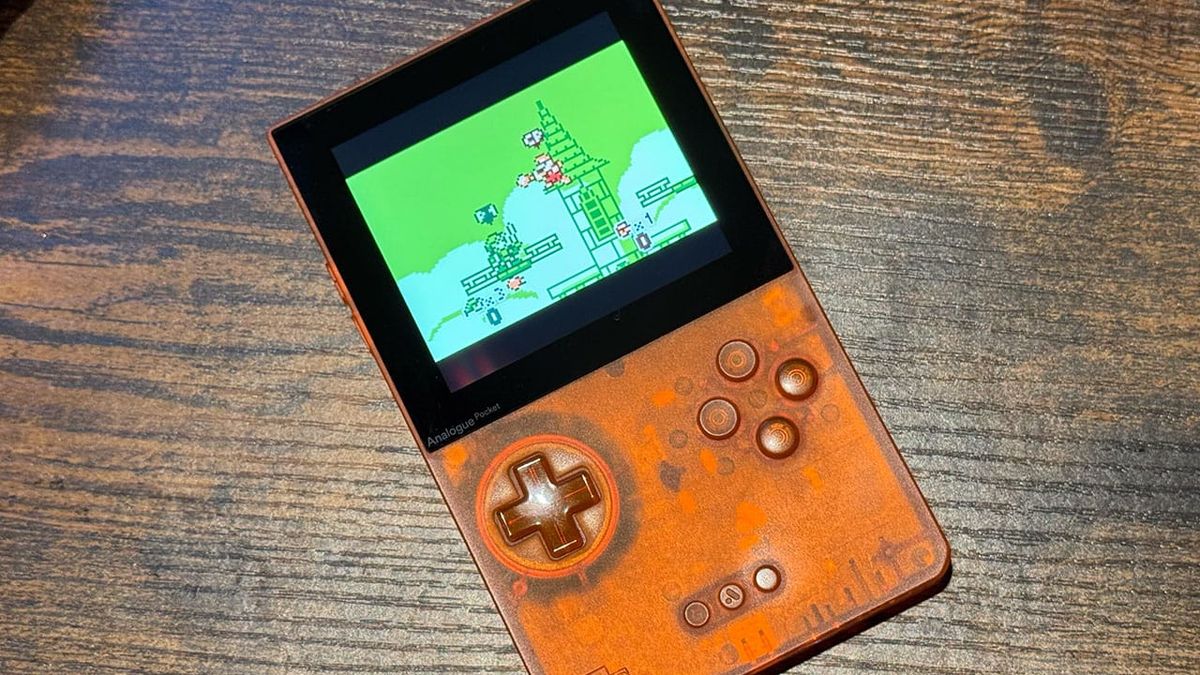
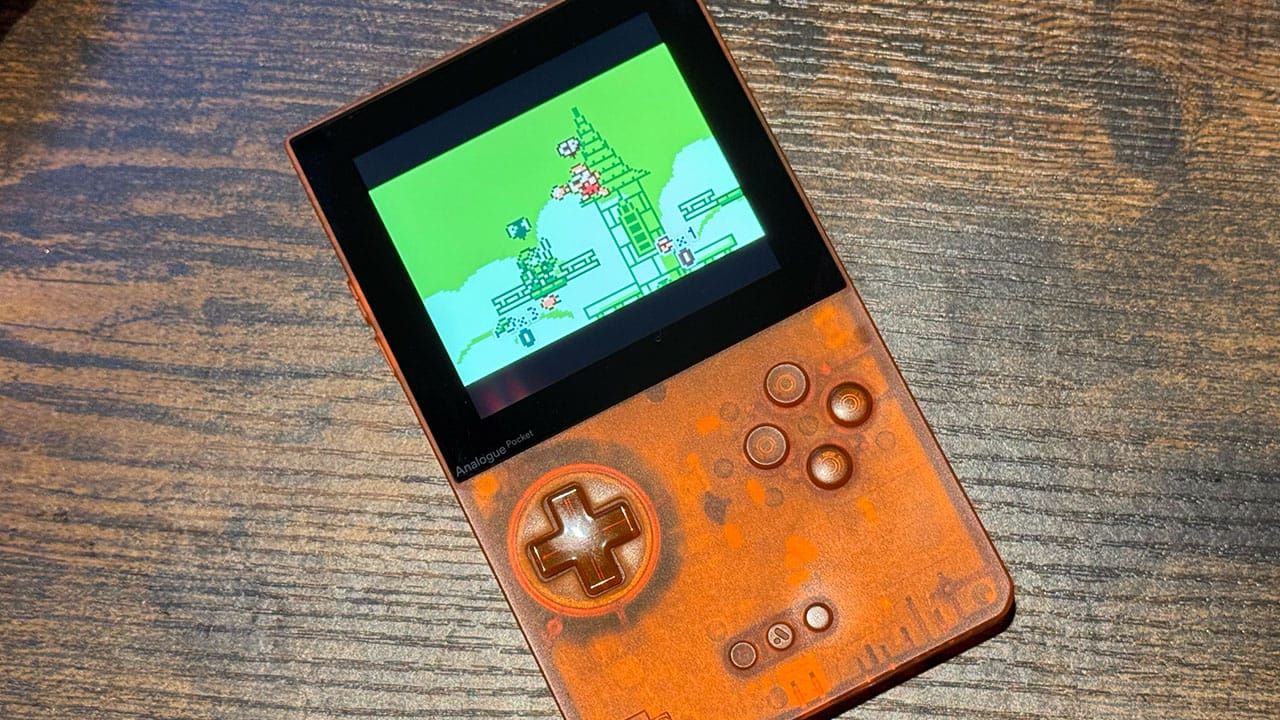
The landscape of retro gaming hardware preservation and independent software development has reached a significant milestone with the official release of a Game Boy Advance (GBA) port of Super Smash Land. Originally conceived as a Game Boy-style demake of Nintendo’s flagship fighting franchise, the project has successfully transitioned from its initial C-based codebase to run natively on authentic GBA hardware via flash cartridges, modern FPGA handheld devices like the Analogue Pocket, and standard software emulators. This development bridges a historical gap for enthusiasts of fourth- and fifth-generation handheld gaming, offering an experience that fans of the era could previously only imagine.
Background Context and Historical Significance
When Nintendo released the original Super Smash Bros. on the Nintendo 64 in 1999, it revolutionized the fighting game genre by combining iconic first-party characters into a frantic, platform-based multiplayer brawler. However, despite the immense popularity of the franchise, Nintendo never developed a dedicated entry for the Game Boy Color or the Game Boy Advance during their respective commercial lifecycles. Handheld enthusiasts had to wait until the arrival of the Nintendo 3DS in 2014 to experience a portable iteration of the series.
To address this historical omission within the retro community, independent developers previously created Super Smash Land as a PC-based demake, simulating how the franchise might have appeared on Nintendo’s classic monochrome handheld. The recent translation of the game’s C code into a functional GBA ROM elevates this endeavor from a computer-based fan project into a fully portable, authentic retro cartridge experience.

Gameplay Mechanics, Roster, and Content Depth
The GBA port of Super Smash Land mirrors the depth and structural integrity of traditional fighting games while adhering to the technical limitations of 32-bit handheld architecture. The software features a robust lineup of six playable fighters. Players begin with access to four foundational characters—Mario, Link, Pikachu, and Kirby—while two additional fighters, Mega Man and Vaporeon, can be unlocked through gameplay progression.
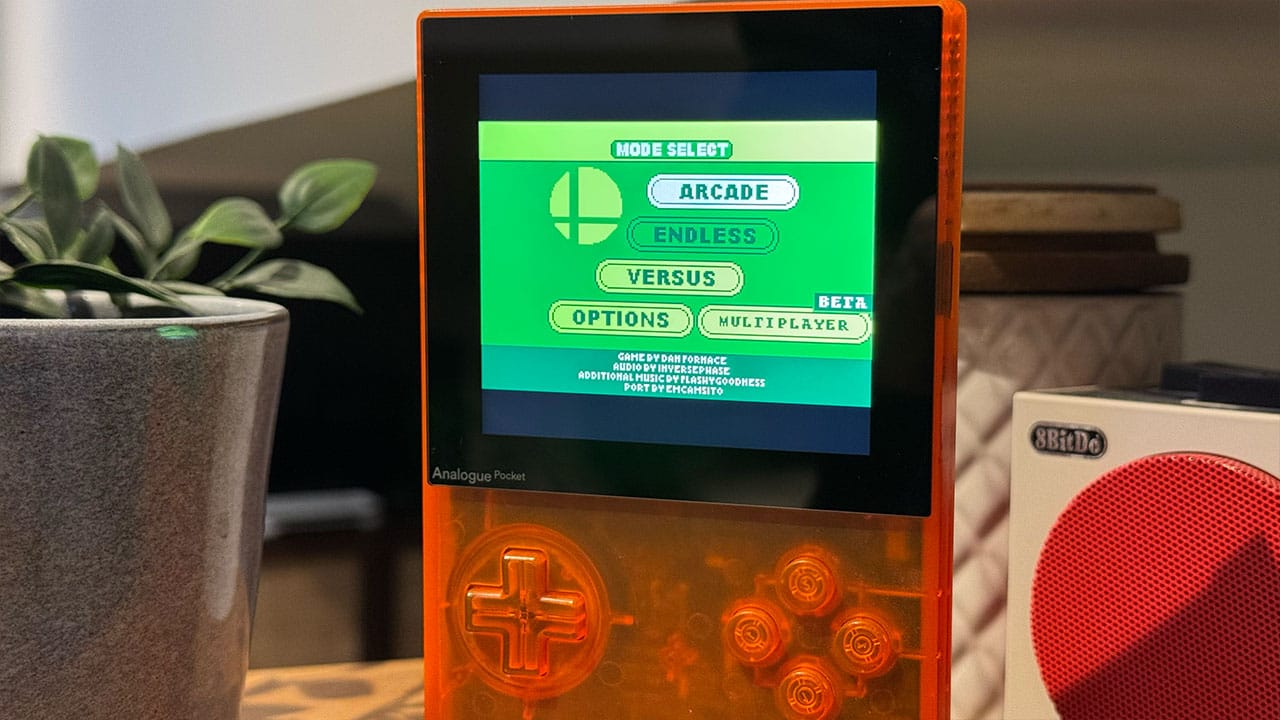
The title includes three distinct game modes designed to cater to both solo and competitive players:
- Arcade Mode: Offers a structured ladder of opponents culminating in a final challenge.
- Versus Mode: Allows for localized player-versus-player combat.
- Endless Mode: Tests player endurance against waves of computer-controlled adversaries.
Content unlockables serve as a core retention mechanic within the software. Out of the 11 total stages available, only five are accessible upon initial boot, requiring players to fulfill specific in-game criteria to unlock the remaining six arenas. Additionally, the port includes three adjustable camera modes to accommodate different player preferences regarding field-of-view and scaling.
Technical Performance and Local Multiplayer Capabilities
A notable engineering achievement of this homebrew release is its implementation of native hardware multiplayer. By utilizing standard GBA link cables and multiple systems running identical ROM versions, up to four players can engage in simultaneous local multiplayer matches. This feature recreates the social, couch-co-op atmosphere that defined the original console releases, entirely independent of modern internet infrastructure or wireless adapters.
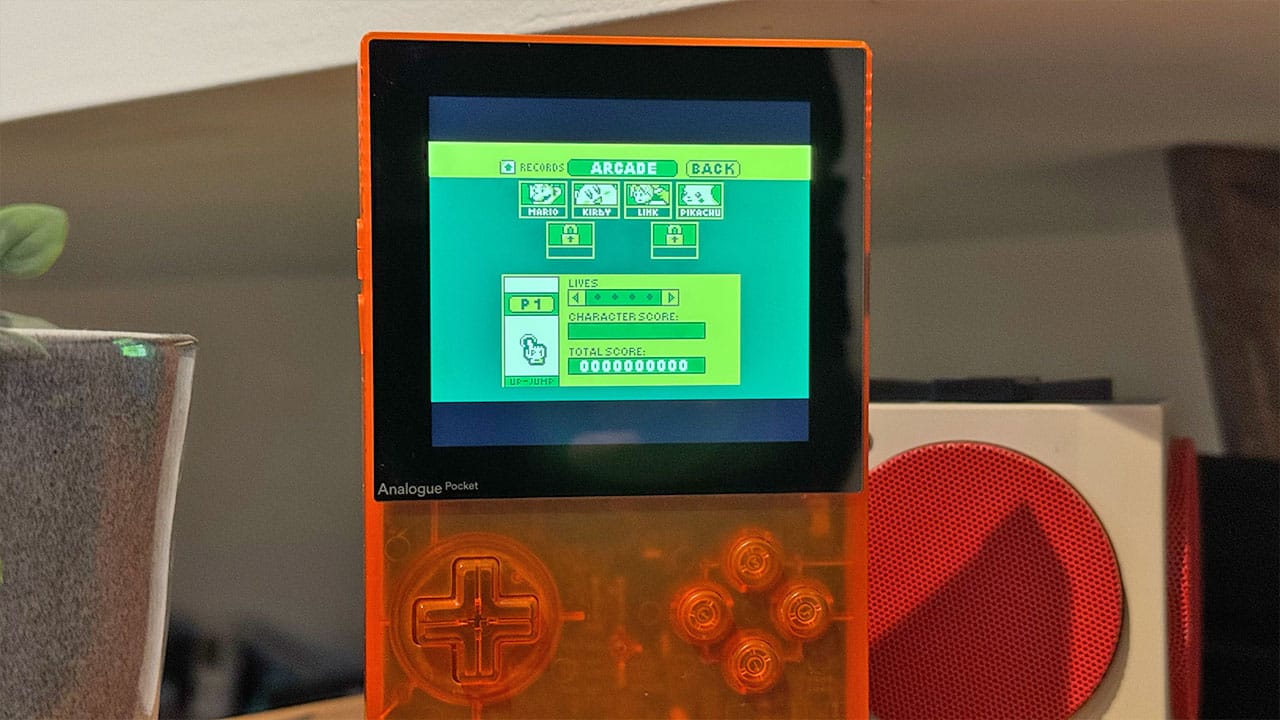
Artificial intelligence programming within the project has also drawn praise from technical analysts within the retro community. The CPU opponents utilize scripted behavioral logic rather than modern machine-learning models, delivering a competitive challenge. Classic character signatures, such as Link’s spin attack and Pikachu’s electrical projectiles, have been faithfully translated into the GBA sprite framework. Furthermore, the absence of reliance on modern AI tools underscores the traditional, human-driven nature of the homebrew programming effort.
Availability and Community Distribution
The software is currently distributed as a free-to-download ROM file via the independent developer hosting platform Itch.io. To experience the game on authentic hardware, users must transfer the ROM file onto a compatible microSD card housed within a GBA flash cartridge or load it onto FPGA-based hardware emulation systems. Alternatively, users can run the software on desktop or mobile GBA emulators.
Broader Impact and Implications for Retro Homebrew
The successful deployment of Super Smash Land on the Game Boy Advance highlights the ongoing vitality of the retro hardware development community. More than two decades after the commercial discontinuation of the GBA, independent programmers continue to push the boundaries of the console’s 16/32-bit ARM7TDMI processor.
Projects of this scale demonstrate how modern programming techniques can breathe new life into vintage electronics, expanding software libraries well beyond their official commercial lifespans. As FPGA technology and flash cartridge manufacturing become increasingly accessible, community-driven ports and homebrew titles are expected to remain a prominent segment of the independent digital preservation movement, ensuring that classic gaming franchises continue to find new expressions on hardware of the past.