Hartono Sudibyo
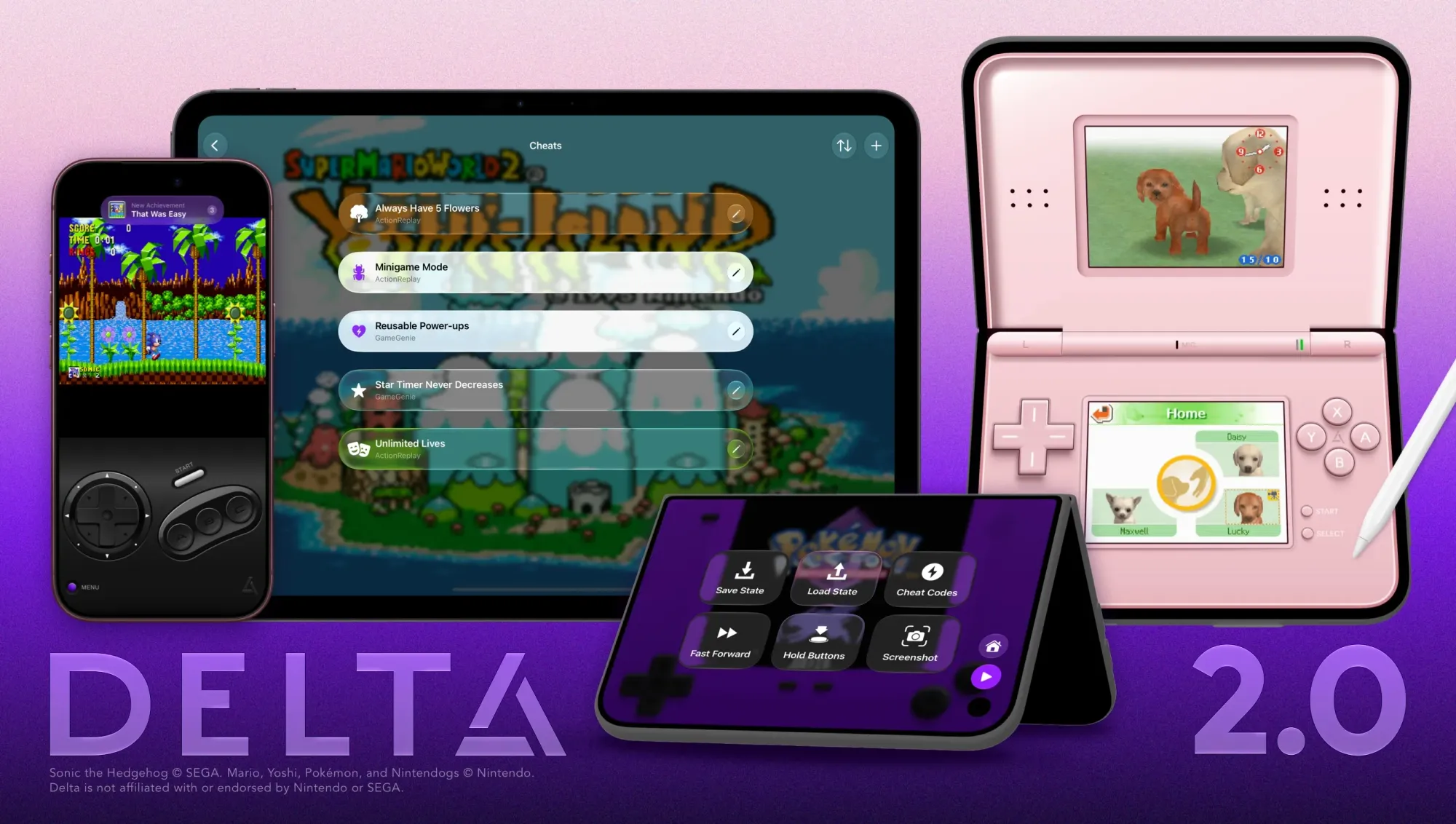
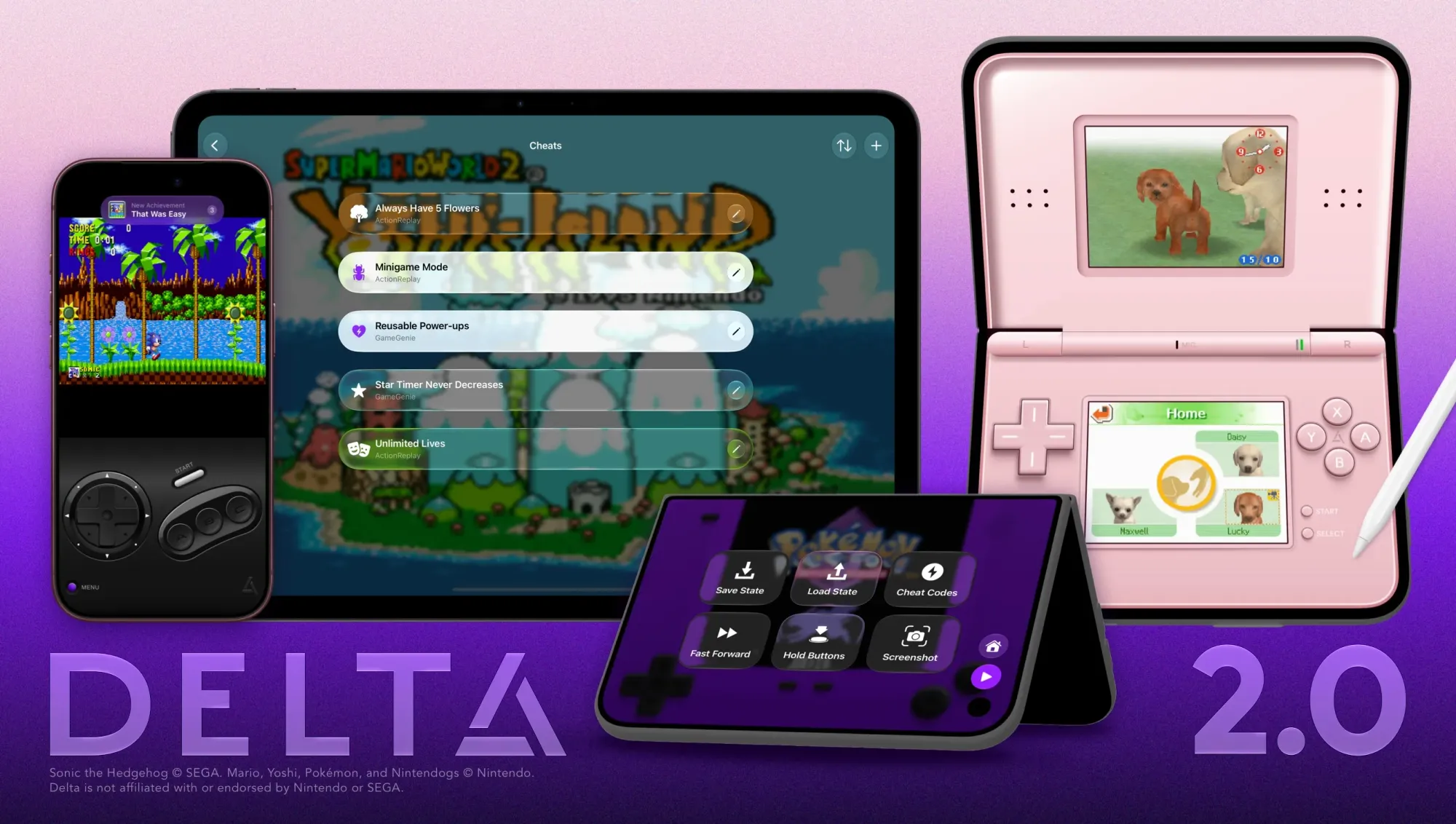
The landscape of mobile retro gaming experienced a significant shift today with the official release of Delta 2.0, a landmark update to one of the most prominent emulation applications on iOS. Having already accumulated over 20 million downloads since its initial surge in popularity, the Delta application has cemented its status as a cornerstone of the modern iOS retro gaming community. This latest software iteration arrives precisely alongside the commercial launch of Apple’s heavily anticipated first foldable device, the iPhone Duo, bringing custom user interface enhancements tailored specifically for dual-screen and folding hardware.
Beyond hardware optimization, the version 2.0 release marks a major regulatory milestone. For the first time in the application’s history, Delta is officially available on the App Store within the European Union. This regional expansion was previously barred due to financial and structural hurdles posed by Apple’s controversial Core Technology Fee (CTF), which developers argued would incur millions of dollars in compliance costs. Following adjustments by regulatory bodies and the European Commission, the removal of the CTF has finally cleared a path for European users to access the emulator directly through official distribution channels without relying on complex side-loading alternatives.
Hardware Optimization and the Dual-Screen Renaissance
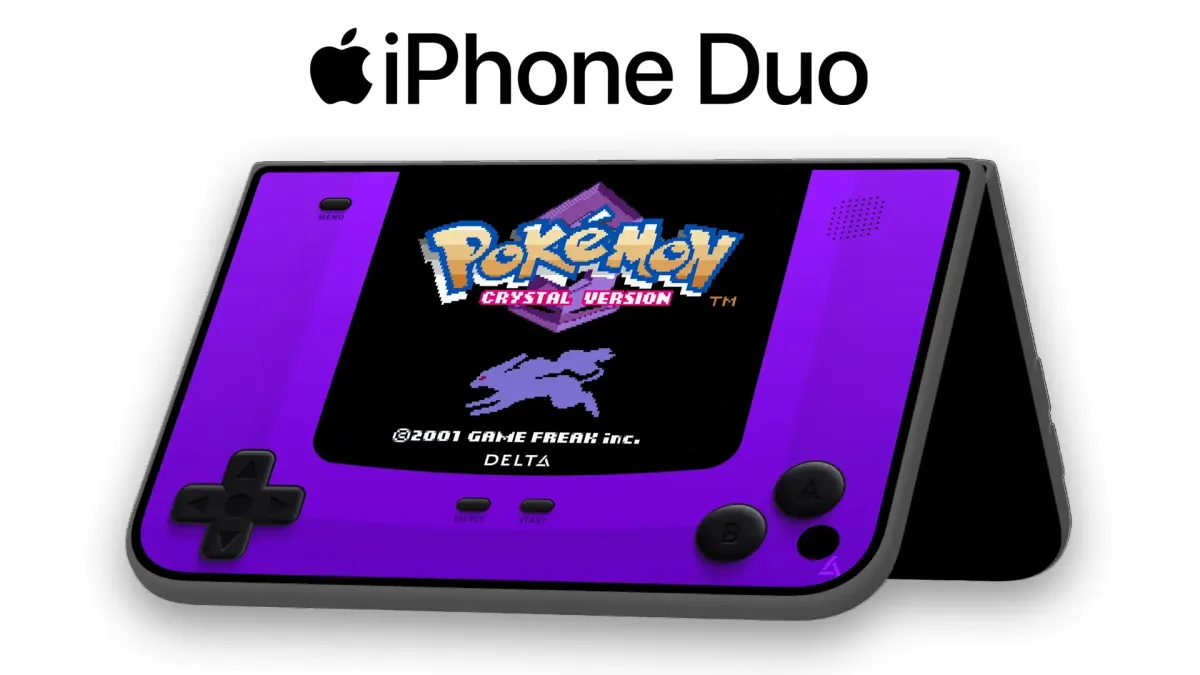
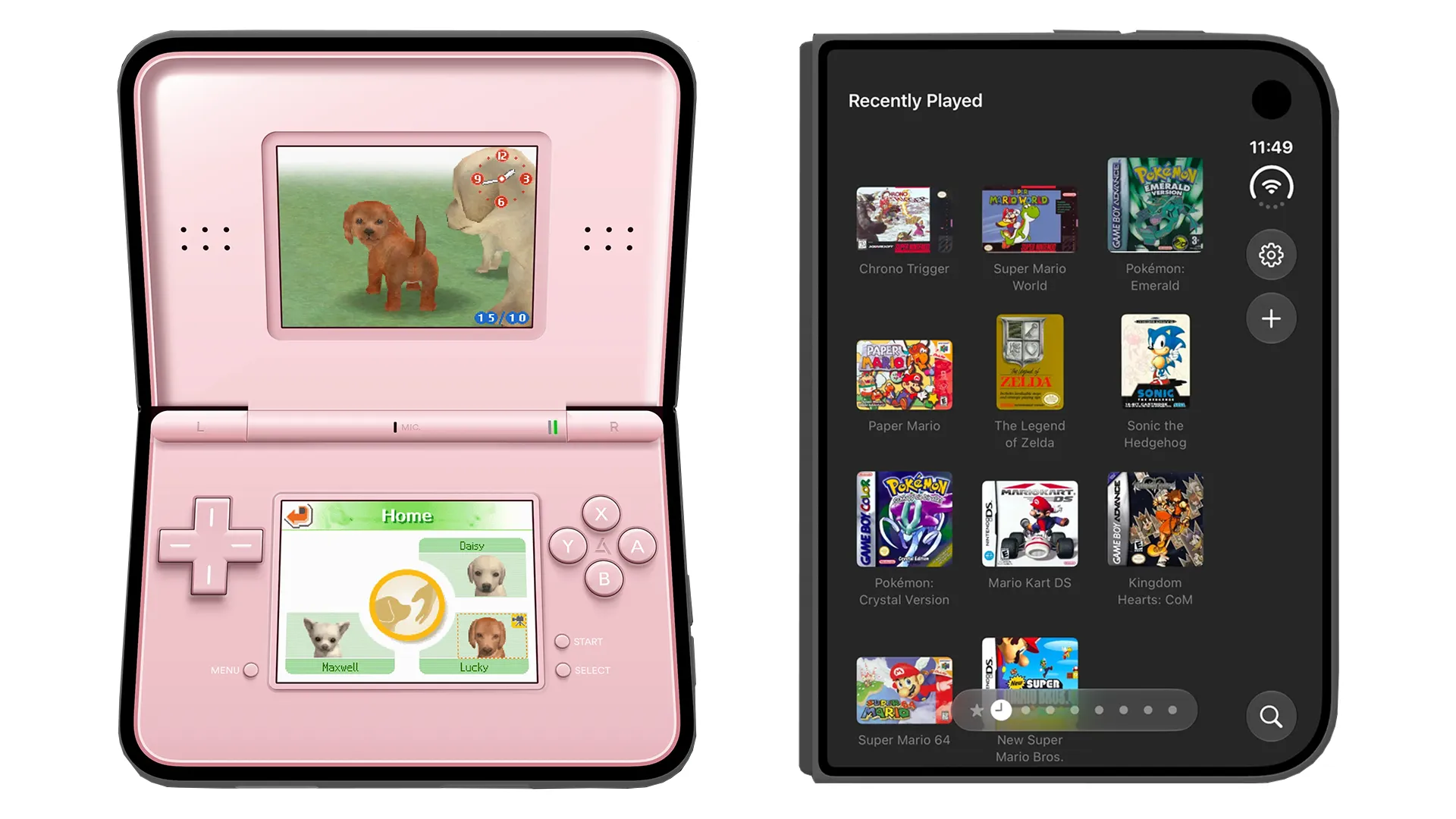
The headline feature of the Delta 2.0 update is its native, ground-up optimization for the iPhone Duo, Apple’s debut foldable smartphone. Emulation on mobile platforms has historically struggled to replicate the tactile ergonomics of dual-screen dedicated handhelds—most notably the Nintendo DS and Nintendo 3DS families. However, the form factor of a folding phone provides a natural physical parallel to these legacy systems.
According to Riley, co-founder of the Delta development team, the engineering efforts behind the 2.0 update focused intensely on capitalizing on this unique form factor. In a statement regarding the launch, Riley noted that unfolding the new Apple device to play classic dual-screen titles effectively recreates the physical experience of opening the iconic clamshell hardware originally released in 2004. The development team reportedly dedicated all available resources to ensuring day-one compatibility, aligning the emulator’s layout with the device’s Liquid Glass display architecture and unique UI requirements.
By mapping the upper and lower screens of legacy handhelds directly to the distinct physical panels of the iPhone Duo, Delta 2.0 eliminates the cramped overlays and awkward portrait-mode compromises that mobile retro gamers have navigated for over a decade. The result is a seamless hybrid of modern display technology and nostalgic software design.

Historical Evolution of iOS Emulation
To understand the weight of the Delta 2.0 release, one must examine the turbulent history of emulation software on Apple’s mobile ecosystem. For years, Apple maintained strict prohibitions against retro game emulators on the official App Store, forcing developers and enthusiasts to utilize developer certificates, third-party app stores, or complex jailbreaking procedures to run legacy titles on iOS hardware.
The turning point arrived in early 2024, when Apple updated its App Store Review Guidelines globally, permitting retro game console emulator apps to appear on the official marketplace provided they complied with applicable laws regarding copyright and software distribution. Delta capitalized on this policy shift immediately, surging to the top of download charts and capturing the attention of millions of users seeking a polished, legally compliant interface for their legally dumped game backups.
Despite this global breakthrough, European developers faced an ongoing barrier: the Digital Markets Act (DMA) compliance structures implemented by Apple, specifically the Core Technology Fee. Independent developers operating free or low-monetization utility apps argued that the fee structure levied charges based on installation volume that could financially cripple small-scale creators. Protracted negotiations and pressure from the European Commission eventually forced a restructuring of these fees, paving the way for the European rollout accompanying the Delta 2.0 deployment.
Core Features and Technical Enhancements in Version 2.0
Alongside foldable device support and EU market entry, Delta 2.0 introduces a comprehensive suite of performance upgrades, expanded console compatibility, and aesthetic overhauls designed to match the latest iOS design language.
While previous versions of Delta successfully handled a wide array of classic systems—including the Nintendo Entertainment System (NES), Super Nintendo (SNES), Game Boy, Game Boy Color, Game Boy Advance, and Nintendo DS—the 2.0 update expands the software’s emulation library to include new platforms requested by the community, such as classic Sega hardware integration.
Technical refinements in this release focus heavily on input latency reduction, audio synchronization stability, and save-state reliability. The application now fully supports modern Bluetooth controllers, including current-generation console gamepads, while offering deep customization options for on-screen touch controllers. Furthermore, cloud sync capabilities have been overhauled to ensure seamless save-state and ROM management across multiple iOS devices, allowing users to transition between standard slab iPhones and folding hardware without losing gameplay progress.
Industry Implications and the Future of Mobile Preservation
The release of Delta 2.0 and its simultaneous arrival on the European App Store carry profound implications for the digital preservation of video game history. As physical cartridges and legacy hardware continue to degrade over time, software emulation remains the primary method for maintaining accessibility to decades of interactive art.
By establishing a reliable, mainstream, and officially sanctioned platform on the world’s most widely used mobile operating systems, projects like Delta bridge the gap between niche hobbyism and mainstream consumer technology. The integration of high-end consumer hardware, such as foldable OLED displays, signals a maturing market where retro gaming is no longer viewed as an underground workaround, but as a legitimate and highly sought-after form of digital media consumption.
Industry analysts suggest that the success of Delta 2.0 on alternative form factors like the iPhone Duo may prompt other developers to rethink how legacy software interacts with evolving mobile hardware. As mobile processors continue to grow in computational power, the boundaries of what can be accurately emulated on a pocket-sized device expand further, shifting the horizon toward more complex fifth- and sixth-generation console libraries.
For now, European users can access Delta 2.0 directly through the official iOS App Store, while global users receive the full suite of foldable optimizations and performance updates immediately. As the retro gaming community continues to embrace mobile platforms as primary hubs for classic software, Delta’s latest update marks a defining chapter in the ongoing accessibility of video game history.