Hartono Sudibyo
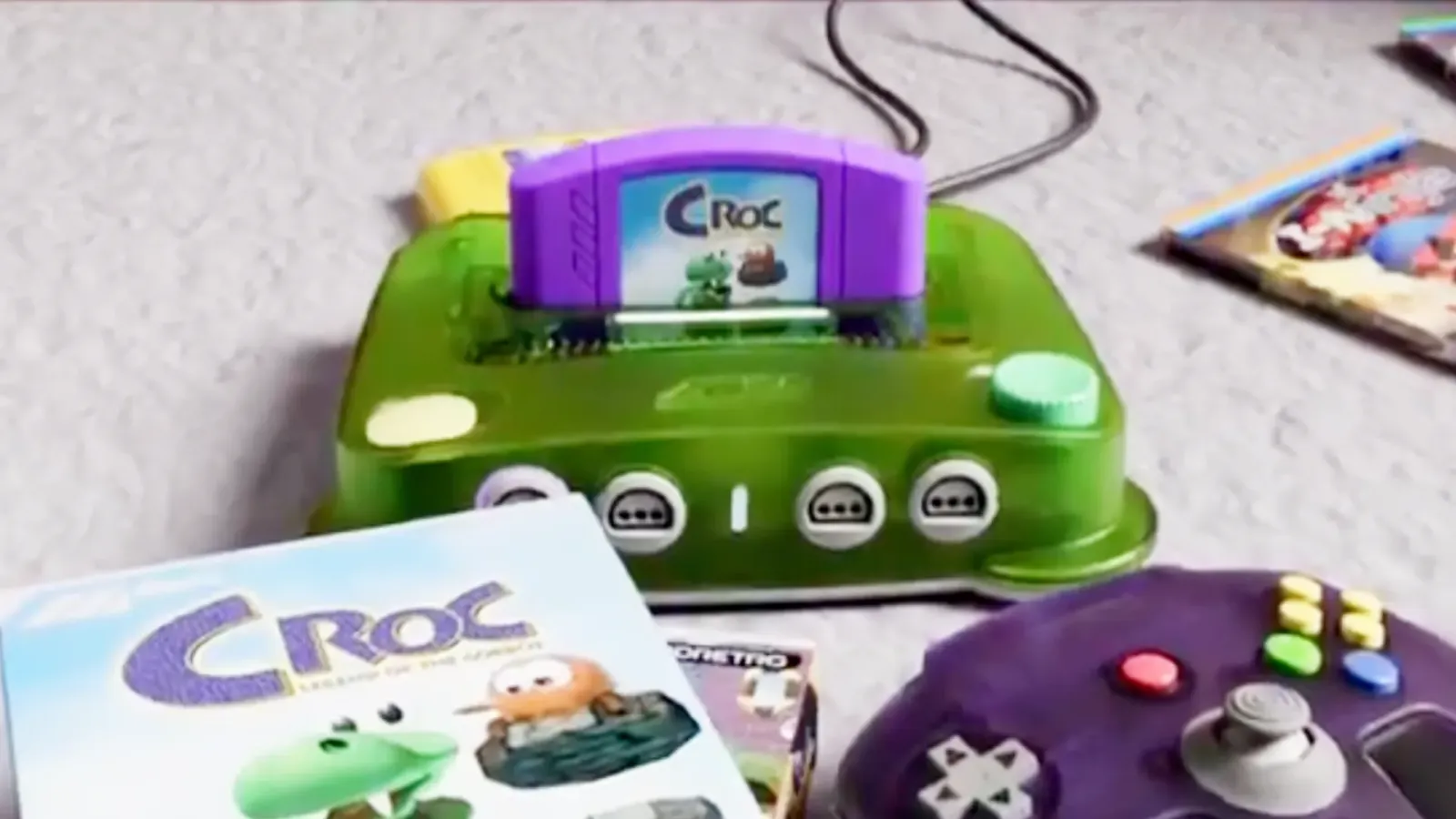
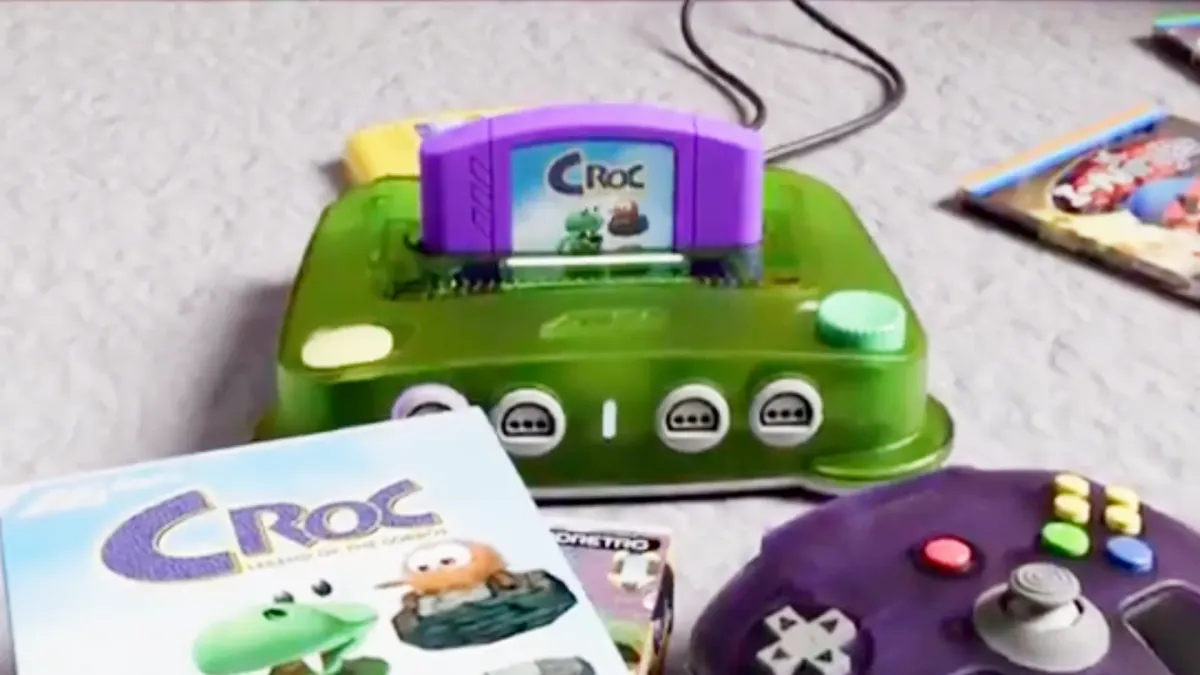
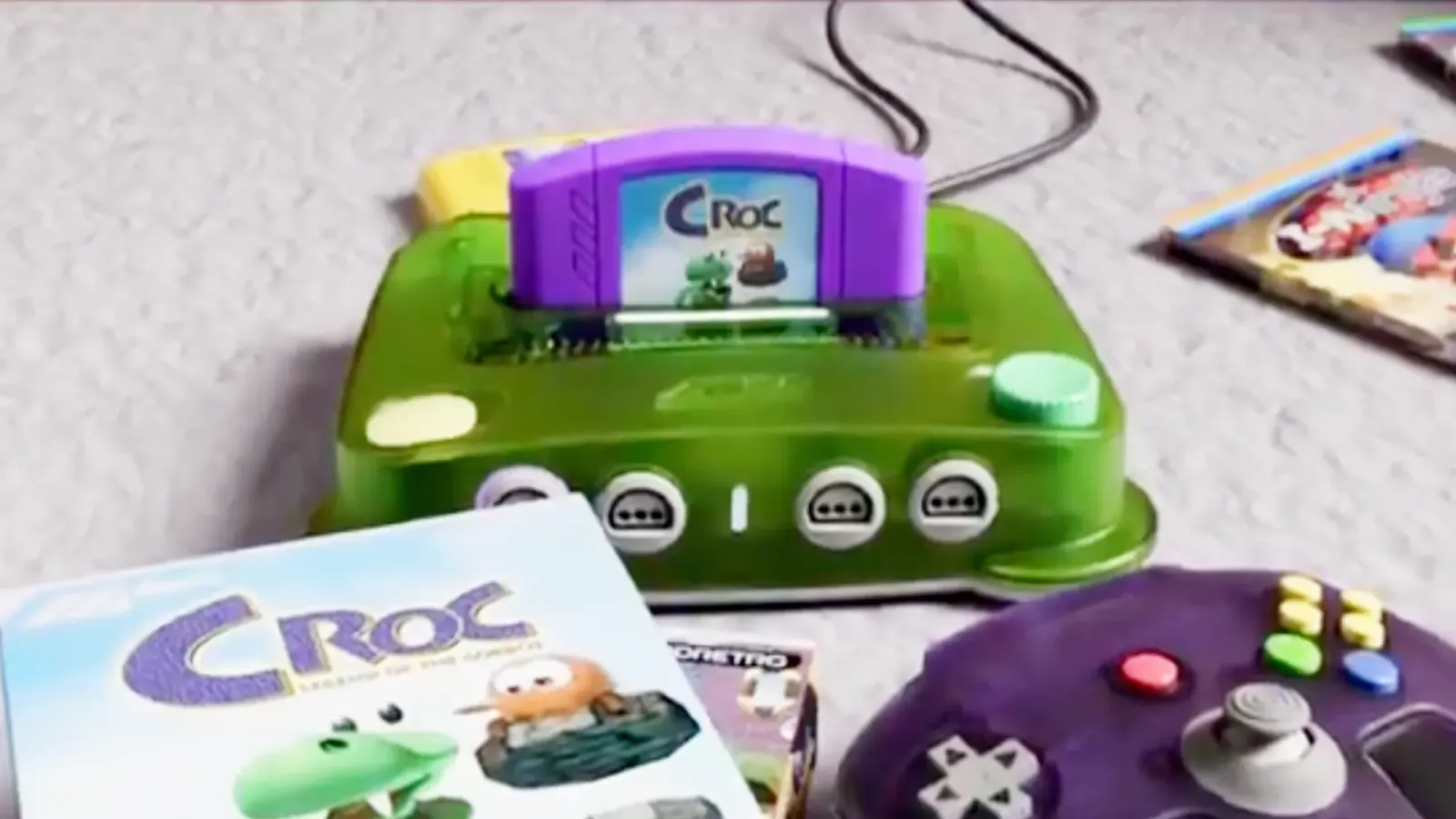
The enduring legacy of late-1990s platforming mascot Croc is expanding into unexpected hardware territory as Argonaut Games and ModRetro formally announce an authentic physical cartridge release for the Nintendo 64 platform, alongside a compatible M64 system release slated for 2027. Originally launched in 1997 as a definitive 3D platforming pioneer primarily associated with the Sony PlayStation and Sega Saturn, the beloved green crocodile’s upcoming transition to Nintendo’s iconic cartridge-based architecture marks a fascinating full-circle moment for retro gaming preservation.
The announcement, rolled out via joint social media campaigns during the festive community-dubbed month of "Croctober," has electrified retro gaming enthusiasts. While technical specifications, exact pricing, and comprehensive feature sets remain forthcoming, the preliminary promotional materials indicate a physical release featuring authentic cartridge packaging styled in line with ModRetro’s established M64 hardware ecosystem. This strategic partnership between Argonaut Games and ModRetro signals a broader modern trend of reviving classic intellectual properties through bespoke physical media rather than solely relying on digital storefronts or contemporary high-definition remasters.
Background Context and Franchise History
To understand the significance of Croc: Legend of the Gobbos heading to Nintendo 64 hardware, one must look back at the turbulent and fascinating history of Argonaut Games. Founded by Jez San, Argonaut was a trailblazing British developer instrumental in the creation of the Super FX chip for Nintendo’s Super Nintendo Entertainment System, which enabled early 3D polygon rendering in titles like Star Fox (Star Wing in Europe).
Paradoxically, despite their foundational technological relationship with Nintendo during the 16-bit era, Argonaut’s most famous original creation, Croc, became deeply synonymous with Sony’s fledgling PlayStation brand. The game was initially pitched to Nintendo as a potential 3D Mario title before Nintendo passed on the concept, choosing instead to develop Super Mario 64 in-house. Refocused and redesigned as an original intellectual property starring a plucky, tail-swiping crocodile on a mission to rescue furry creatures known as Gobbos from the villainous Baron Dante, Croc eventually arrived in 1997.
Upon release, the game was a commercial success, spawning merchandise, a sequel (Croc 2 in 1999), and cementing itself as a quintessential piece of late-90s platforming nostalgia. However, as the industry transitioned into the sixth console generation and beyond, Argonaut Games ultimately closed its doors in 2004, leaving the franchise dormant for decades while rights tangled through various corporate entities.
The Modern Revival Chronology
The resurgence of the Croc intellectual property has been a gradual, multi-staged process driven by the current wave of nostalgia-fueled retro hardware development:
- Late 2023 to 2024: Argonaut Games officially announced its corporate resurrection under original leadership, signaling intentions to bring back classic franchises and release updated versions of their historic catalog.
- Late 2024 to 2025: Modern digital remasters of Croc: Legend of the Gobbos were announced and subsequently rolled out across contemporary digital platforms, including PC, PlayStation, Xbox, and Nintendo Switch. While praised for making the title accessible to modern audiences, these digital releases received a mixed critical reception regarding technical polish and fidelity to the original hardware feel.
- Mid 2025: Collaborations with niche hardware manufacturers like ModRetro began to surface, starting with retro handheld initiatives, including specialized Game Boy releases and hardware cross-promotions such as Buck Bumble.
- October 2026: Argonaut Games and ModRetro formally tease the development of an official Nintendo 64 compatible physical cartridge version of Croc, alongside integration with the M64 ecosystem, targeting a formal release window in 2027.
Industry Implications and Technical Challenges
Developing a native port or a compatible physical cartridge release for a classic system like the Nintendo 64 in the late 2020s involves significant technical and logistical hurdles. Unlike the PlayStation, which relied on high-capacity CD-ROM media capable of storing high-quality redbook audio and large pre-rendered texture assets, the Nintendo 64 was constrained by expensive, low-capacity ROM cartridges.

Historically, Croc utilized CD storage for its orchestral soundtrack and cinematic sequences. Adapting the game to fit within Nintendo 64 cartridge constraints will require extensive data compression, sound re-engineering, and optimization. Furthermore, developers must account for the unique architectural quirks of the Nintendo 64, including its distinct CPU and coprocessor arrangement, texture filtering methods, and the iconic three-pronged N64 controller layout.
Despite these technical obstacles, the collaboration with ModRetro suggests that the companies are utilizing modern engineering techniques to ensure seamless compatibility with both original Nintendo 64 hardware and ModRetro’s proprietary M64 platform. This hardware-agnostic approach ensures that collectors and retro enthusiasts who prefer playing physical media on authentic vintage hardware—or modern equivalent consoles—will have a viable, high-quality product.
Market Reception and Collector Culture
The announcement taps directly into the booming physical retro gaming market. In an era dominated by digital distribution, subscription services, and cloud gaming, physical cartridges and disc-based media have experienced a massive resurgence among collectors. Companies like Limited Run Games, Analogue, and ModRetro have proven that consumers are willing to pay premium prices for authentic, new-in-box physical media designed for vintage systems.
While some purists might note the historical irony of bringing a quintessential PlayStation-era mascot to Nintendo’s flagship 64-bit console, the cross-pollination is largely being celebrated by the retro gaming community. Analysts suggest that physical releases of classic titles help maintain historical preservation standards, providing tangible artifacts that do not rely on server uptime or digital store license renewals.
Looking Ahead to 2027
As the industry awaits further details regarding the exact release date, pricing tiers, and potential inclusion of bonus features—such as remastered audio tracks, improved camera options, or content cut from the original 1997 builds—anticipation continues to build. Whether the upcoming Nintendo 64 cartridge version of Croc will include quality-of-life adjustments seen in recent modern remasters remains to be confirmed by Argonaut Games.
What is certain, however, is that the little green crocodile’s journey is far from over. Nearly three decades after his debut, Croc is bridging generational divides, uniting fans of 90s console rivalries under a shared banner of retro appreciation, physical preservation, and classic 3D platforming gameplay.