Retno Hari Mulyono
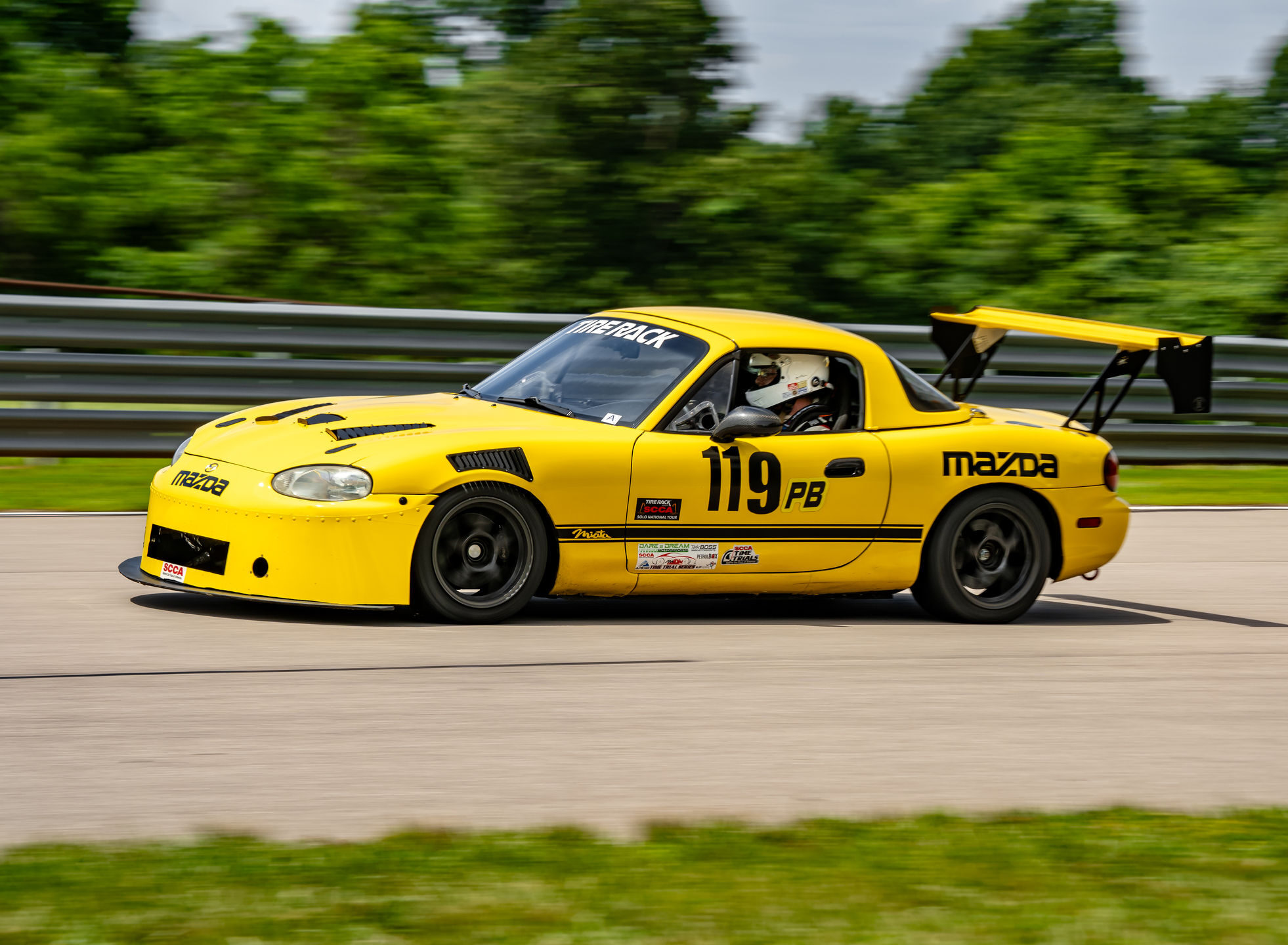
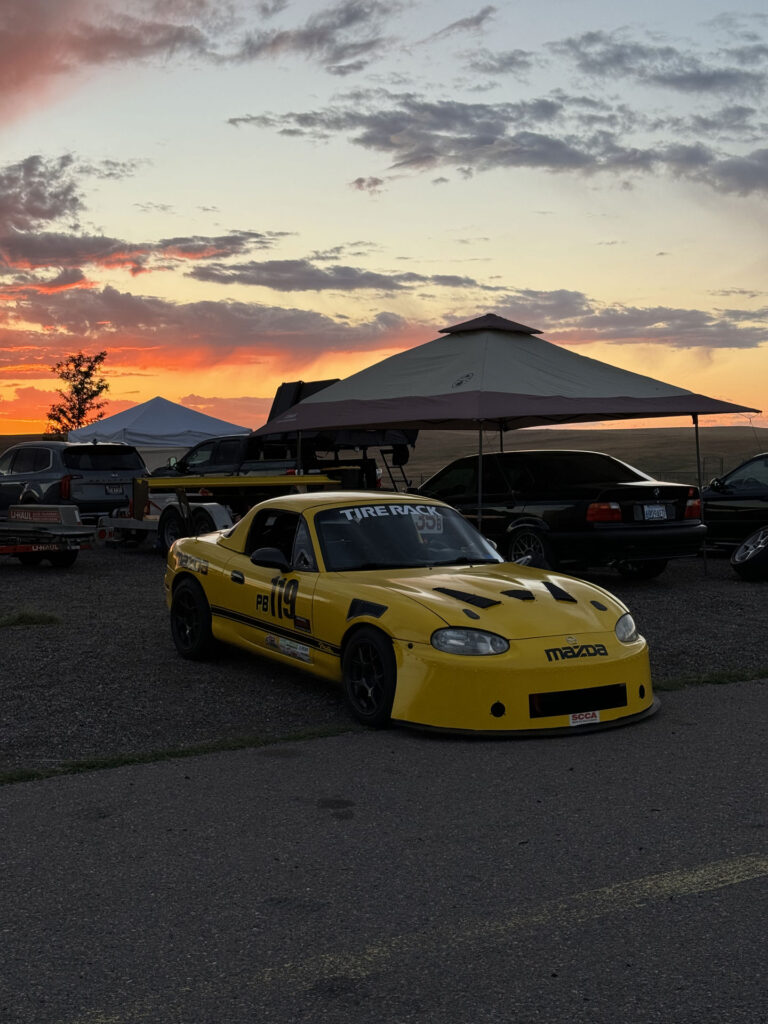
The automotive enthusiast community often views vehicle ownership not as a static state of consumption, but as an ongoing mechanical and financial commitment characterized by constant iteration. For one dedicated automotive hobbyist, the completion of a fourth consecutive year of ownership of an NB-generation Mazda MX-5 Miata provides a compelling case study in grassroots motorsports development. Spanning from March 2024 through February 2025, this operational window was defined by ambitious powerplant modifications, heavy track utilization across the Midwest, and significant logistical upgrades designed to streamline competitive weekend events. Over the course of the 2024 calendar year alone, the vehicle accumulated 392 competitive laps—equating to 12.1 hours of high-stress track time spread across 16 distinct events—bringing the car’s lifetime data-logged total to over 1,000 laps and nearly 35 hours of circuit operation.
Chronological Evolution of the Build: Spring and Summer Mechanical Upgrades
The fourth year of ownership commenced in March 2024 with a major engine development project. Seeking to elevate the performance capabilities of the NB platform, the owner initiated a comprehensive engine swap, replacing the factory BP4W motor with a rebuilt BP6D Variable Valve Timing (VVT) powerplant paired with a six-speed manual transmission sourced from a later-model donor car. What began as a straightforward drop-in procedure quickly escalated into a complete teardown when inspection revealed suboptimal valve sealing.
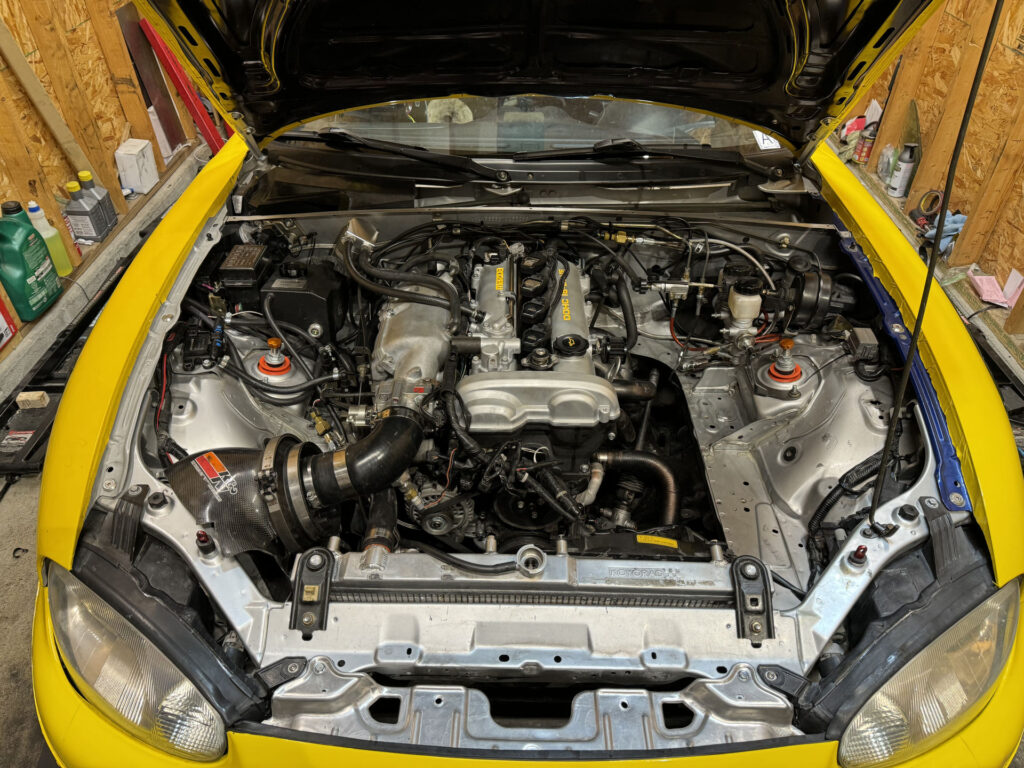
Consequently, the cylinder head underwent a complete overhaul, complemented by a do-it-yourself cylinder hone, new original equipment manufacturer (OEM) piston rings, aftermarket pistons, and a suite of supporting internal modifications. Alongside the engine architecture change, the integration of a six-speed transmission replaced the traditional five-speed unit, improving gear ratio spacing for competitive circuit driving.
However, motorsports development rarely proceeds without operational friction. Less than a month following the initial installation, continuous high-RPM operation during an intense autocross event induced severe cooling system pressures. This pressure spike compromised a freeze plug, leading to a minor head gasket failure. While the failure was contained and non-catastrophic, it necessitated the immediate reinstallation of the original BP4W motor for the remainder of the competitive racing season, though the upgraded six-speed transmission was retained.
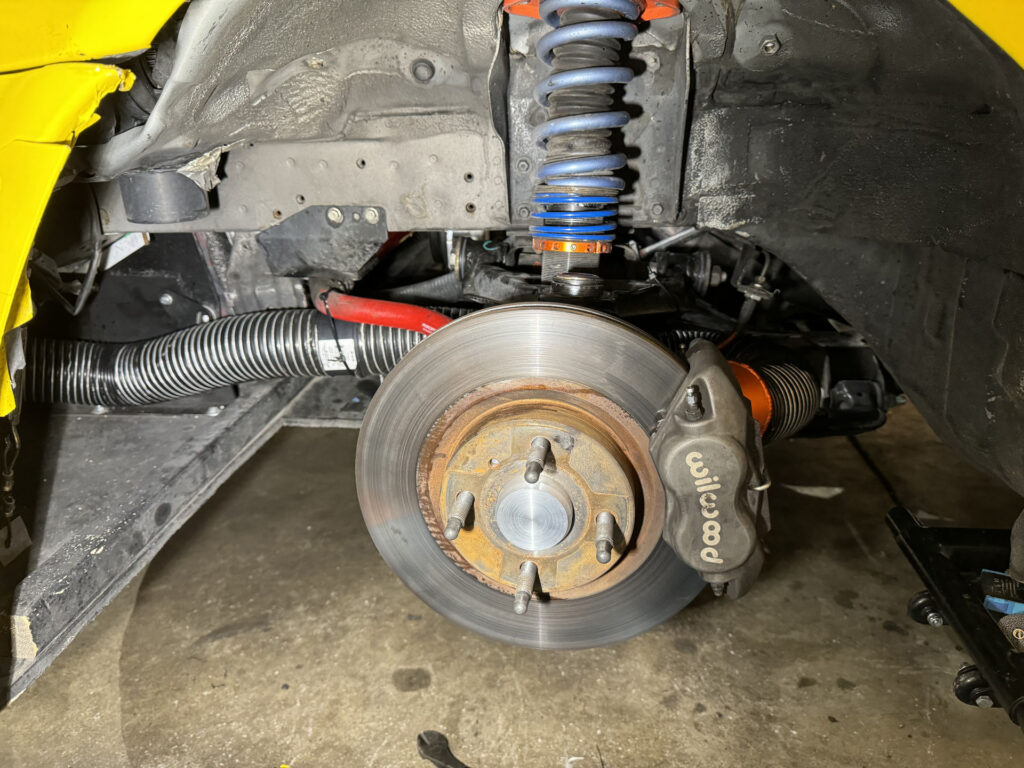
As the competitive calendar transitioned into April 2024, attention shifted toward thermal management and braking efficiency. The vehicle utilizes a Supermiata BX11 brake kit, which offers exceptional stopping power but introduces accelerated pad wear due to the inherently thin profile of the friction material. To mitigate this issue without incurring the significant financial and wheel-clearance penalties associated with upgrading to a larger heavy-duty brake assembly, custom brake cooling ducts were installed. Fabricated utilizing a two-section hose design connected via a central coupler—allowing for localized repairs rather than total system replacements—the ducts successfully doubled the operational lifespan of the brake pads. Despite the logistical annoyance of routing rigid duct hoses within the tight confines of the Miata’s front wheel wells, the thermal relief yielded measurable improvements in sustained braking consistency.
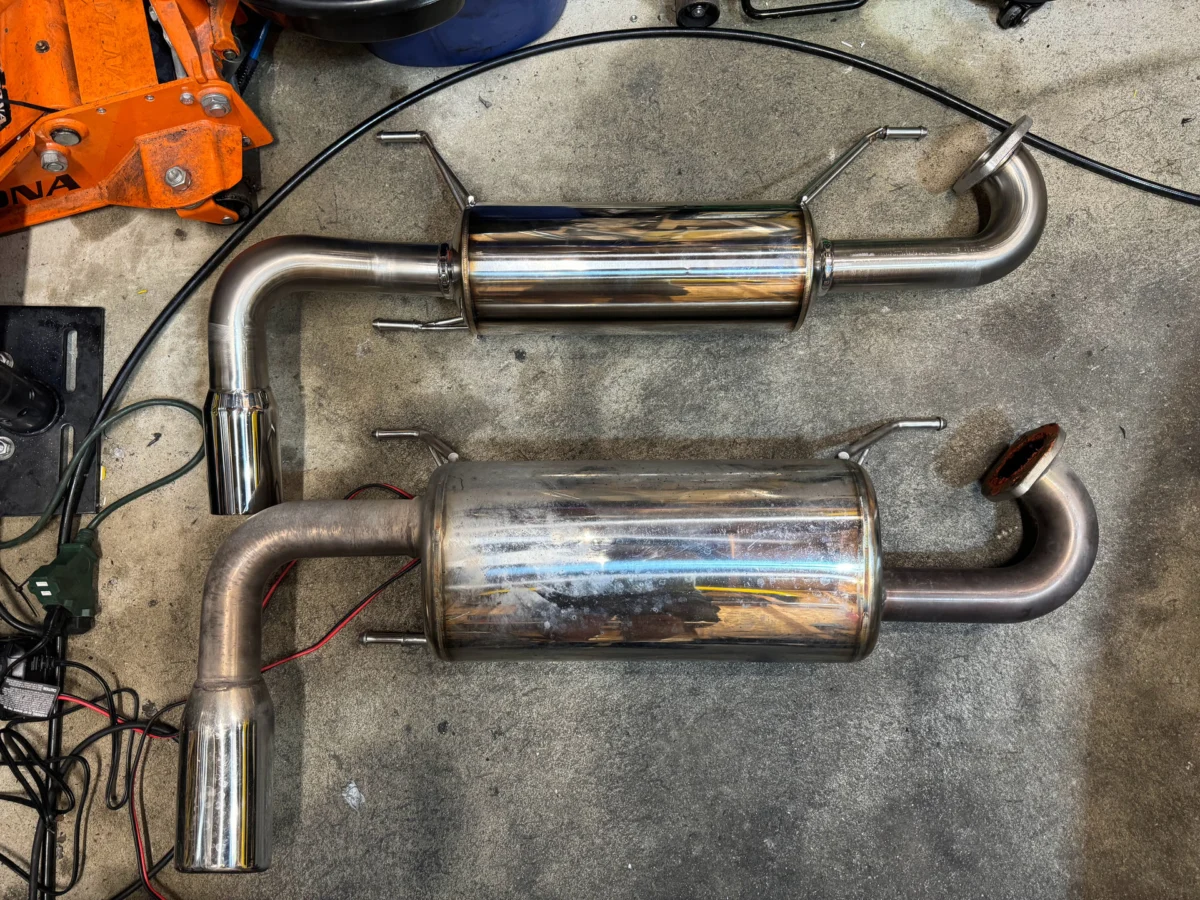
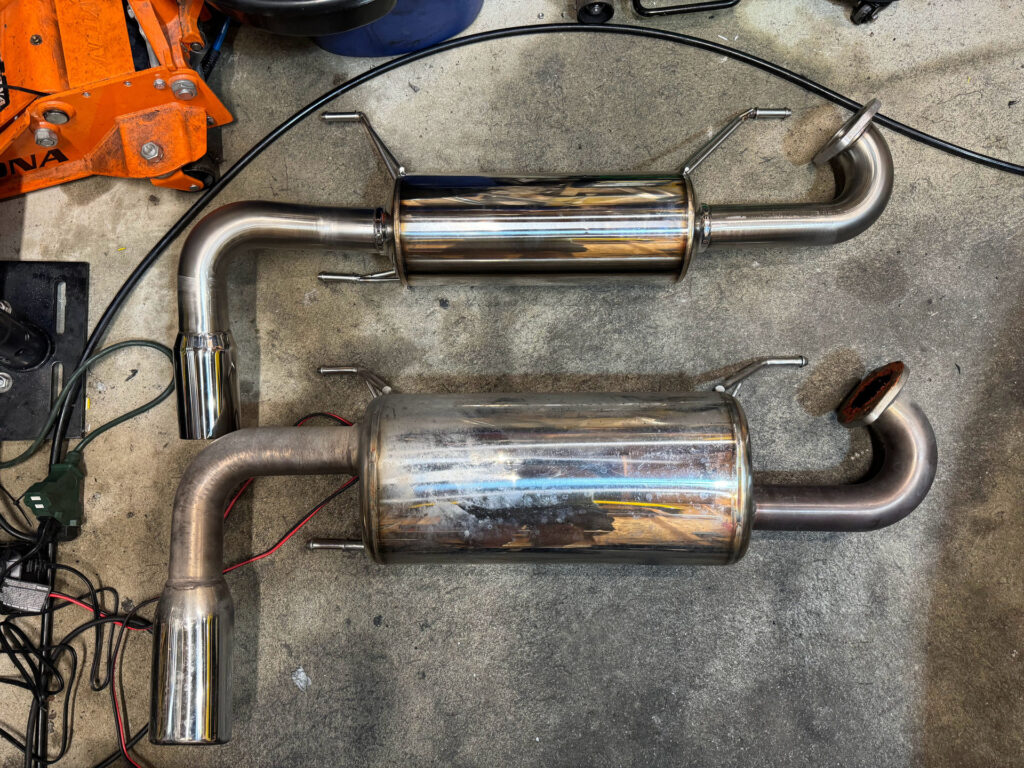
May brought aerodynamic and acoustic modifications, highlighted by the replacement of the existing Racing Beat Power Pulse muffler with a dedicated Racing Beat Race muffler. Operating alongside a Raceland exhaust header and a Racing Beat Race resonated midpipe, the updated exhaust configuration successfully reduced total vehicle weight while marginally increasing exhaust volume. Crucially, the decibel output remained within legal limits for street operation and complied strictly with the stringent sound restrictions enforced at various regional racetracks.
Mid-Season Circuit Campaign and Performance Data
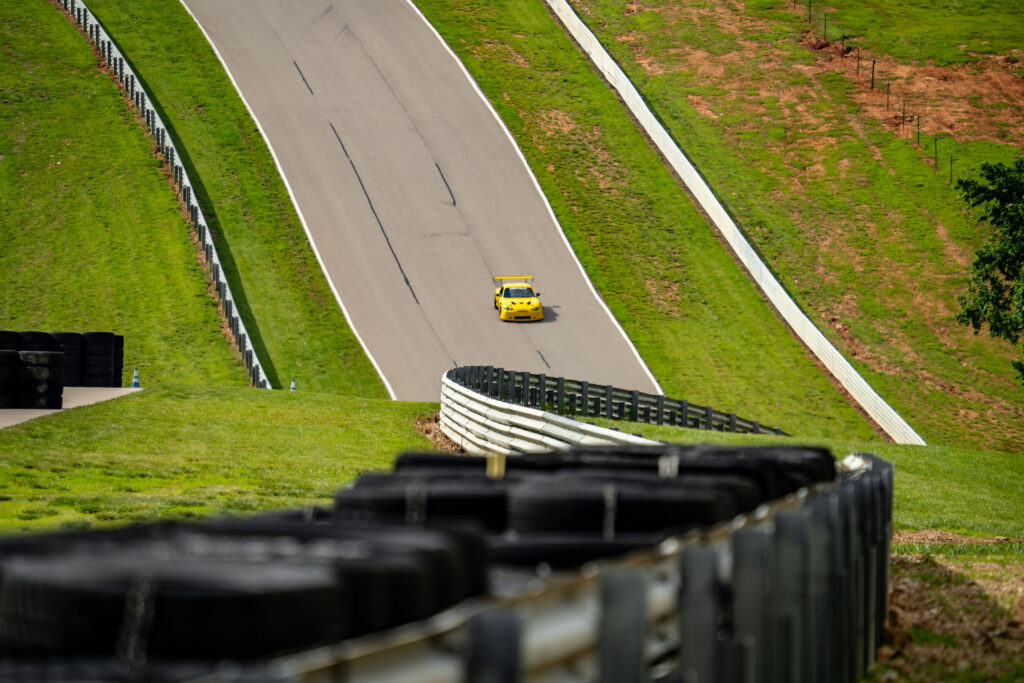
The summer months of 2024 marked the height of the competitive driving season, testing both driver capability and mechanical endurance across several prominent Midwestern road courses. In June, the vehicle traveled to Ozarks International Raceway, a facility renowned in the regional time-trial community for its dramatic elevation changes and highly technical layout. Data analysis confirmed a substantial decrease in lap times compared to the previous season, underscoring the compounding benefits of driver seat time and chassis refinement. Observers and participants frequently cite the Missouri circuit as one of the most demanding yet rewarding tracks in the central United States.
July introduced a significant shift in transport logistics. Recognizing the physical toll and mechanical risks of driving a modified, low-clearance track car hundreds of miles to distant events—often accompanied by a tire trailer—the owner integrated a legacy pickup truck into the support fleet. Following a successful preliminary shakeout run to I29 Speedway, the truck undertook a demanding 900-plus-mile round trip towing the Miata on a rental trailer to High Plains Raceway in Colorado. Despite minor operational anomalies, including oil-fouled spark plugs and a thermal proximity issue involving a spark plug wire and the exhaust manifold, the transition to a dedicated tow vehicle proved highly effective. While fuel expenditure doubled compared to driving the Miata directly, the comfort and cargo capacity justified the operational overhead for long-distance travel.
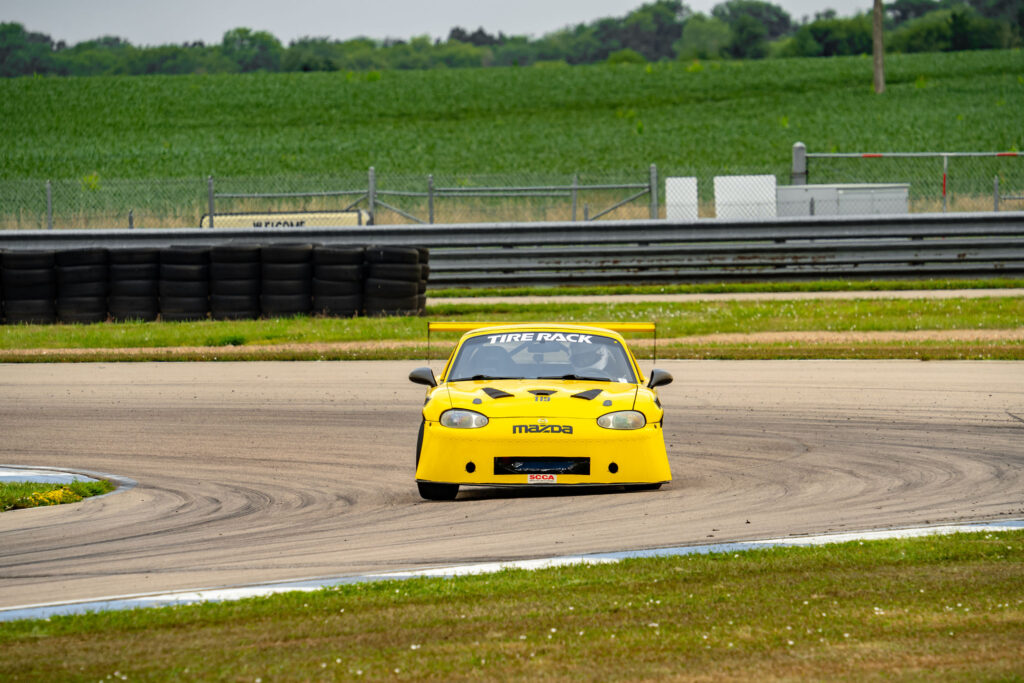
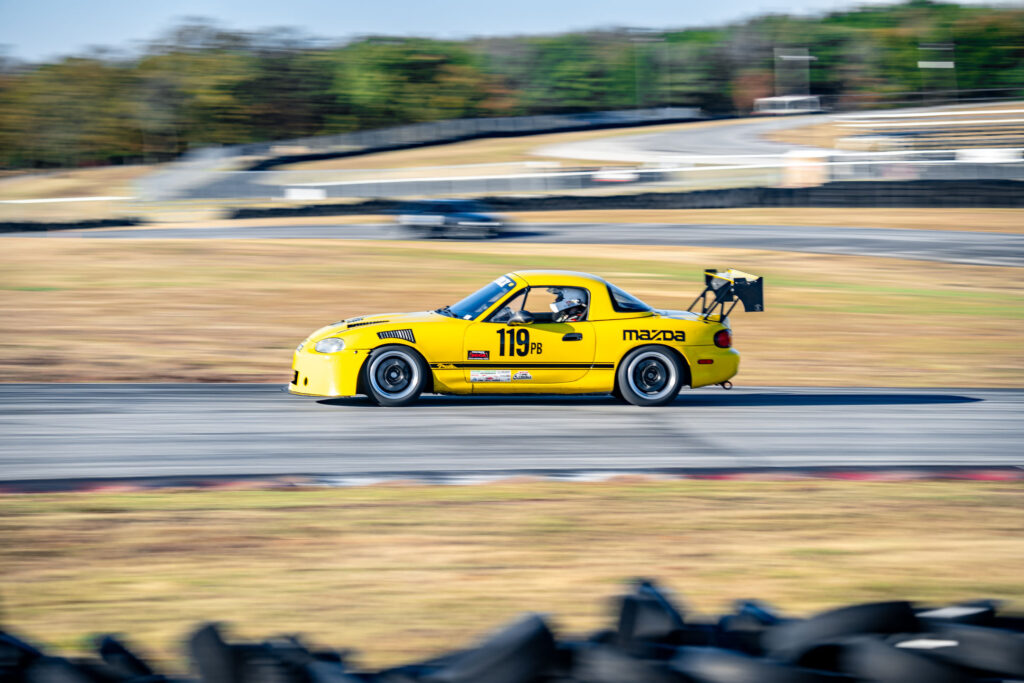
August brought a triumphant return to Motorsports Park Hastings for an SCCA Time Trials event. Having accumulated deep institutional knowledge of the Nebraska circuit through years of prior competition, the driver dominated the class sessions. Achieving a fast lap time of 1:39.19—surpassing the previous year’s benchmark by nearly 3.6 seconds—the Miata consistently outpaced competitors within its assigned category and matched or exceeded the pace of vehicles in higher performance tiers. To contextualize these figures, the lap time eclipsed established NASA Spec Miata (1:40.415) and NASA TT6 (1:39.625) track records, placing the vehicle in a competitive equilibrium just beneath the threshold of faster TT5-class builds.
Logistical Innovations: Truck Bed Camping and Custom Trailer Fabrication
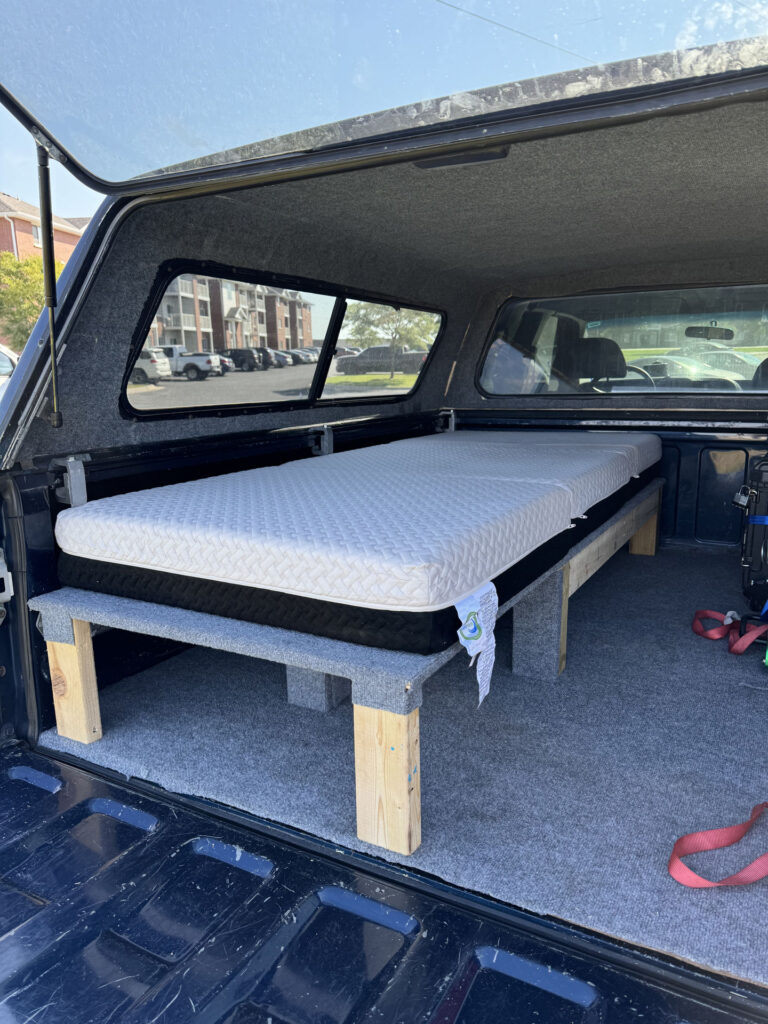
As the frequency of multi-day regional events increased, the operational friction associated with traditional tent camping became apparent. Traditional campsite setups required substantial labor investments for assembly and teardown, a process complicated by inclement weather conditions frequently encountered at remote race tracks. To solve this bottleneck, September 2024 saw the fabrication of a custom, highly integrated sleeping and support environment within the bed of the tow truck.
Following the acquisition of a color-matched camper shell in July, a raised wooden platform was constructed above the wheel wells on one side of the truck bed, engineered to support a trifold, cot-sized memory foam mattress measuring 75 by 31 inches. The platform featured a removable foot section to facilitate seating and cargo storage during transit, while the remaining structural surface folded downward for optimized space management. To ensure environmental comfort, a MaxxFan Deluxe RV roof vent was installed, powered by a dedicated auxiliary battery bank replenished by rooftop solar panels. This autonomous micro-habitat was successfully tested during a cold-weather event at Hallett Motor Racing Circuit in November, establishing a blueprint for future climate-controlled mobile lodging.
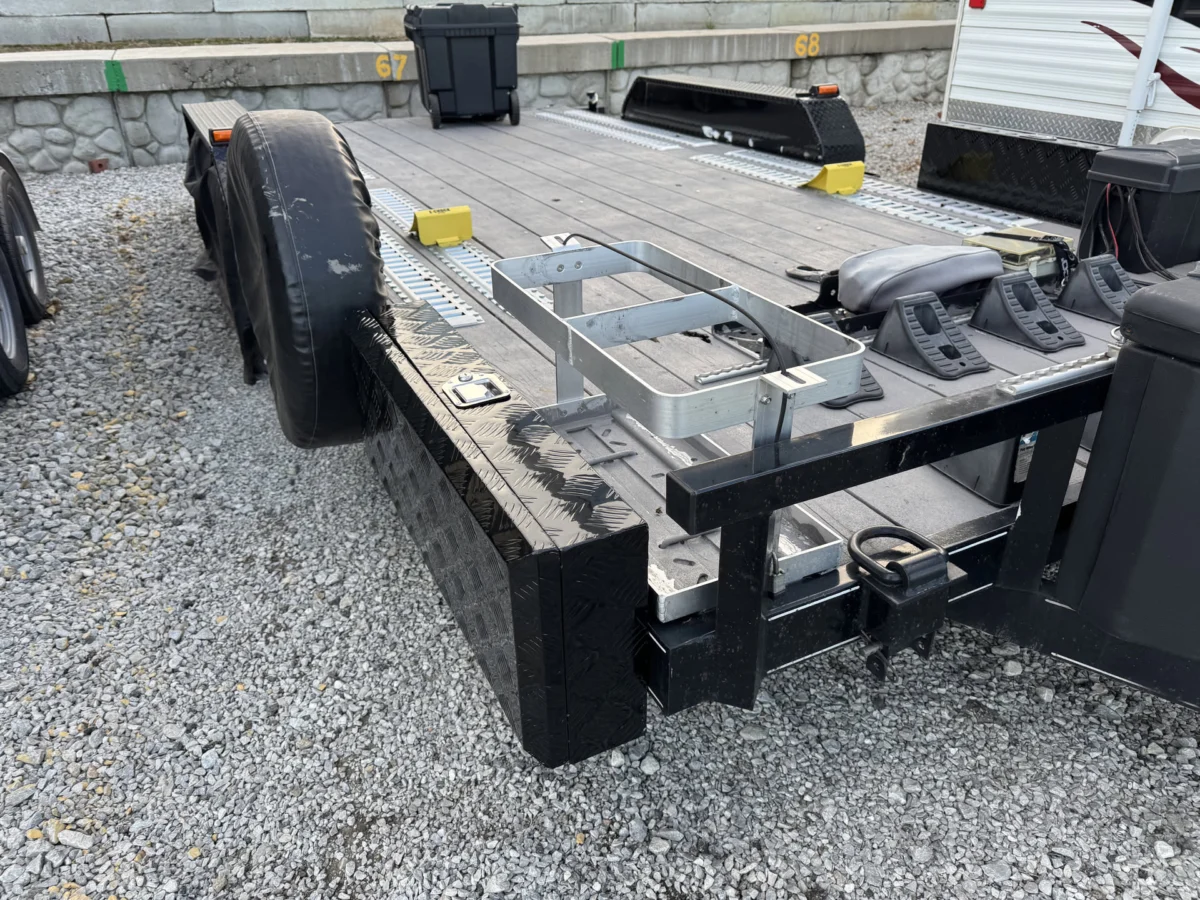
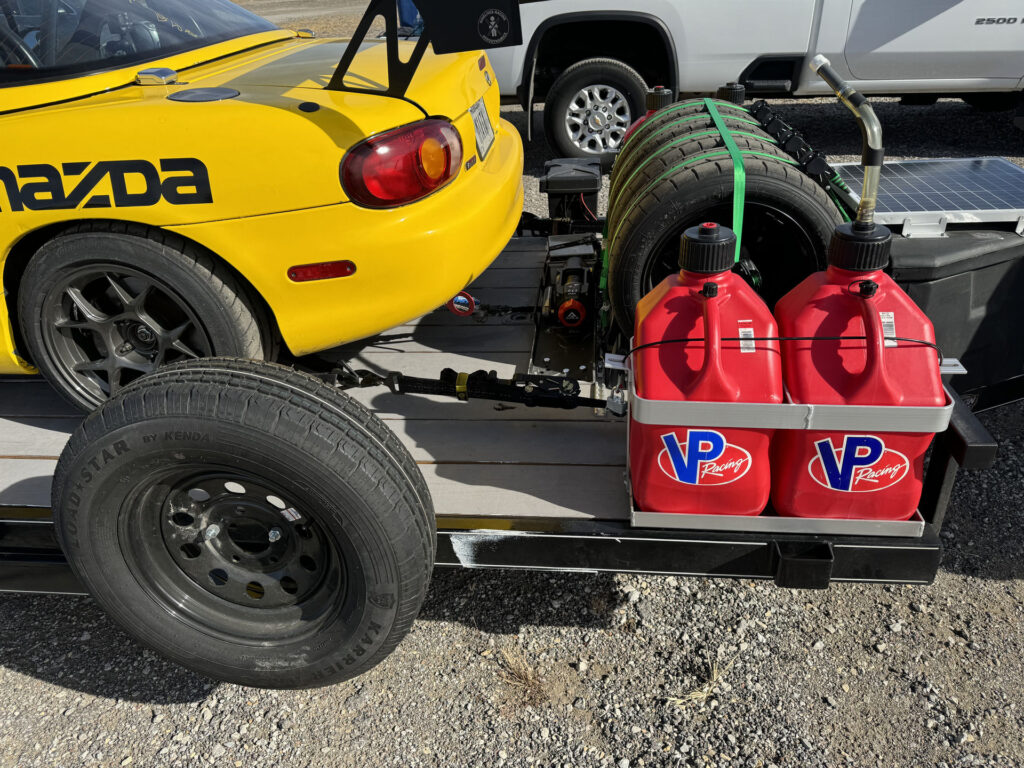
Concurrently, October marked the completion of a dedicated logistics platform: an 18-foot open car hauler featuring a 16-foot deck and a 2-foot dovetail. Acquired in July and subjected to extensive custom fabrication throughout the late summer, the trailer was modified with specialized tire racks, a heavy-duty winch, a tongue toolbox, and upgraded lighting systems.
Despite its utility, the trailer presented a minor geometric challenge: the fixed angle of the dovetail proved incompatible with the vehicle’s ultra-low ride height and front aerodynamic splitter. Rather than attempting costly structural modifications to the trailer ramps, the owner implemented a practical workaround, utilizing dimensional lumber (2×6 planks) beneath the vehicle’s tires during loading operations and temporarily removing the front splitter to prevent catastrophic scraping of the frame rails and bodywork.
Late-Season Competitions and Post-Mortem Engine Analysis
The final months of the 2024 competitive season concentrated on closing out regional time trial commitments and conducting forensic engineering investigations on dormant hardware. In November, the vehicle returned to Hallett Motor Racing Circuit for an SCCA Time Trials event that featured a unique operational format: running the circuit in both forward and reverse configurations within the same day. Despite the cognitive dissonance required to rapidly adapt to shifting braking markers and apexes, the driver secured class-leading lap times during multiple sessions. The event did, however, expose the limits of the vehicle’s rubber compound; heavily worn tires and aggressive trail-braking induced severe rear-wheel lockups, creating progressive flat-spotting that degraded handling characteristics over the course of the day.
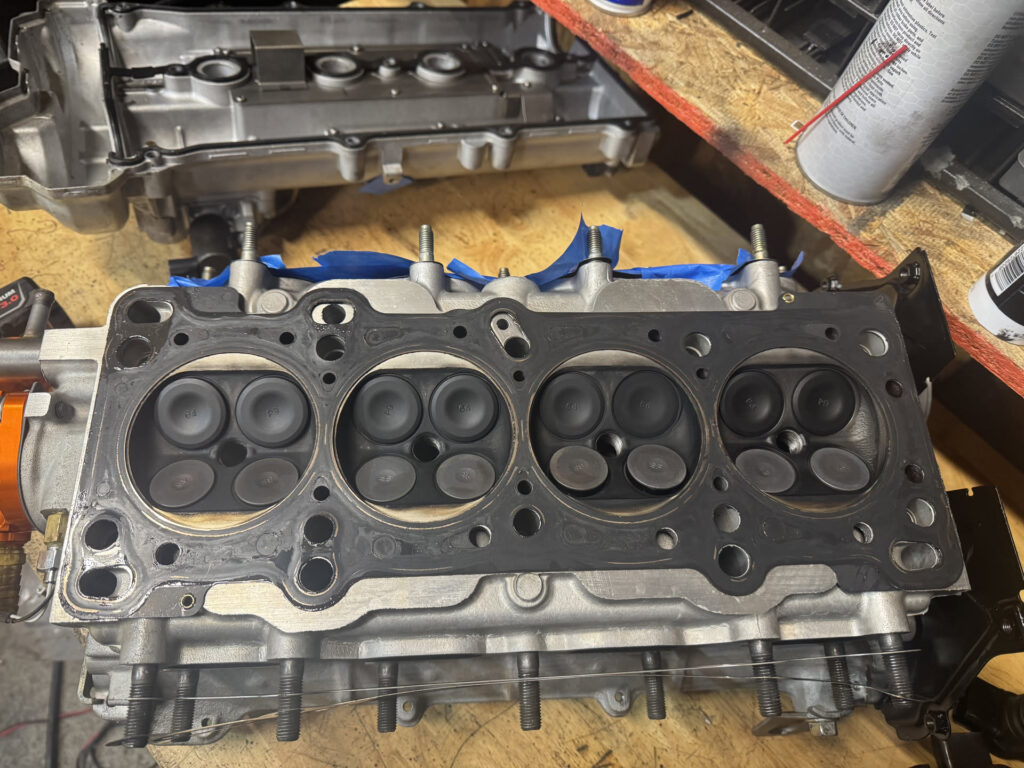
With the racing calendar concluded, December 2024 was dedicated to an autopsied examination of the VVT engine removed earlier in the year following the freeze plug failure. Disassembly and visual inspection of the cylinder head revealed remarkably benign internal conditions. Scratches on the head surface were minimal and failed to intersect critical sealing pathways between the combustion chambers and coolant jackets. The head gasket and block mating surfaces demonstrated structural integrity, suggesting that the initial coolant pressurization may have been manageable with minor resurfacing or chemical sealants such as Hylomar.
However, inspection of the engine block revealed noticeable wear along the thrust sides of the cylinder walls, penetrating through the preliminary hone marks toward the center of the bore. This indicated potential out-of-round cylinder deformation or suboptimal piston-to-wall clearances. Consequently, plans to reinstall the VVT motor were indefinitely suspended. Given the unwavering reliability of the original BP4W powerplant currently in the vehicle, alongside a secondary prepped block stored in inventory, the owner opted for operational stability over premature engine replacement.
Strategic Modifications for the 2025 Season
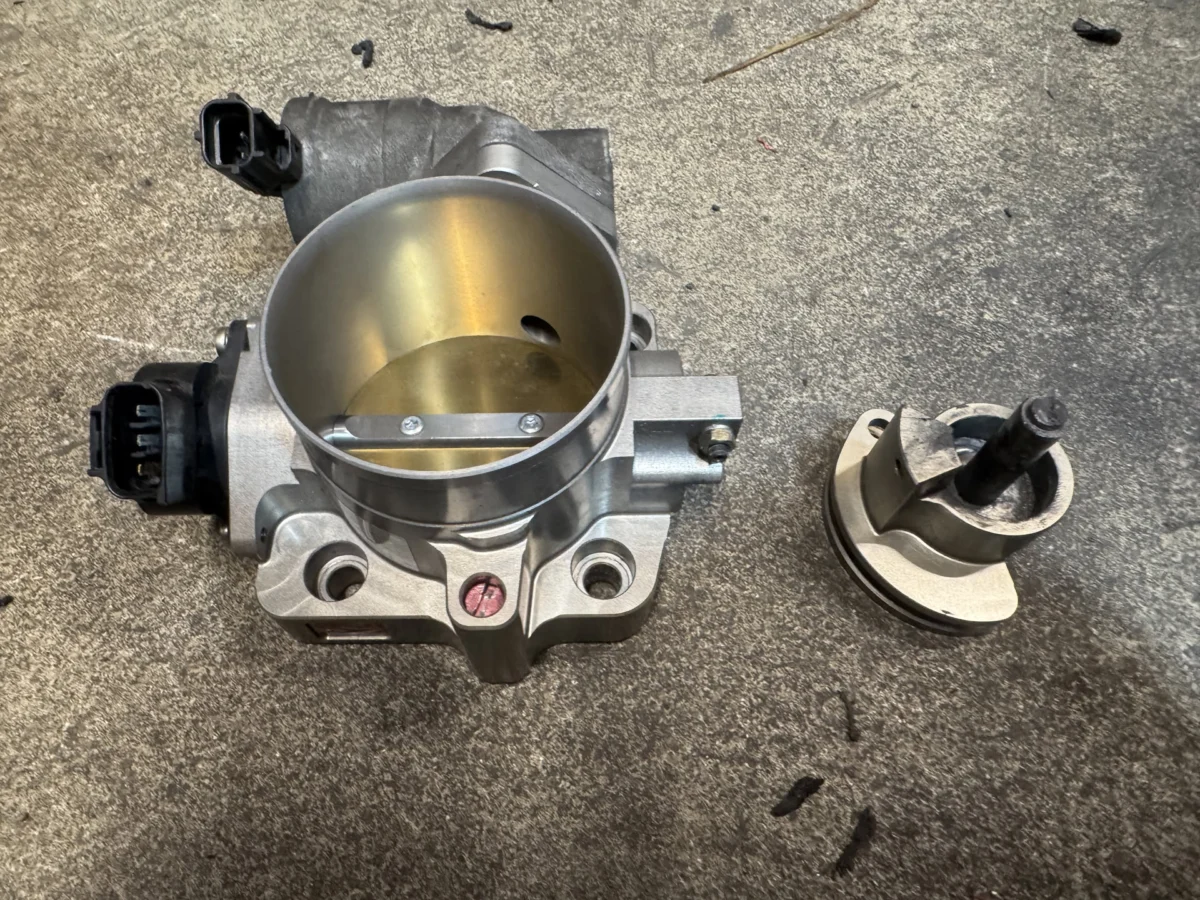
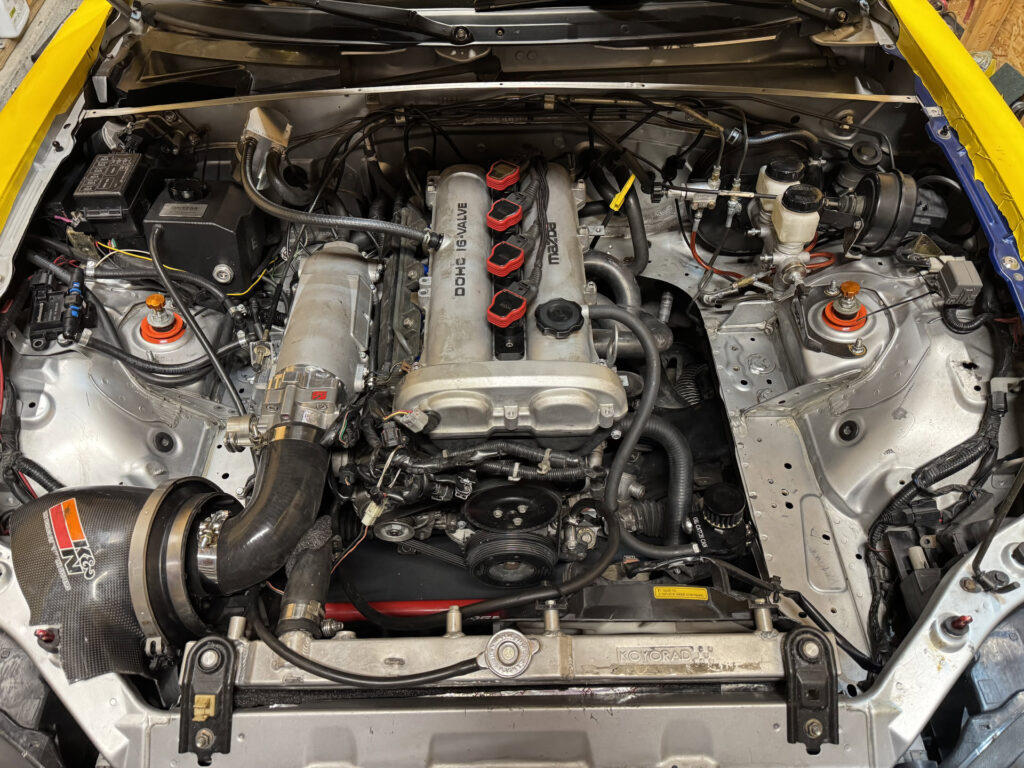
As planning shifted toward the 2025 racing season, the technical focus transitioned from structural repairs to micro-optimizations of engine breathing and driver-pit communication. In January 2025, the vehicle received a Skunk2 intake manifold, supplanting the previously utilized Squaretop intake manifold. While the performance gains of the Skunk2 manifold on a naturally aspirated Mazda BP engine are traditionally modest—estimated between one and four wheel horsepower at the extreme top end of the tachometer—the modification was chosen to mitigate power fall-off beyond 7,000 RPM. Given that track configurations frequently demand sustained high-RPM operation, even marginal improvements in top-end breathing provide a strategic advantage on long straightaways. Baseline and post-installation dynamometer testing scheduled later in the year will determine whether the modification remains permanently installed or if the vehicle will revert to the Squaretop configuration.
The final major upgrade, completed in February 2025, addressed a critical information deficit experienced during previous time trial events. Historically, the driver routinely returned to the paddock without precise awareness of real-time standings relative to class competitors. To bridge this communication gap, a budget-conscious General Mobile Radio Service (GMRS) communications architecture was deployed.
Utilizing an FCC-licensed GMRS framework, a Baofeng UV-5R transceiver was hardwired into the vehicle’s 12-volt electrical system. The intercom harness was customized with an IMSA-standard connector to ensure future cross-compatibility with multi-person helmet wiring. An NMO-style antenna was cleanly integrated into the factory power-antenna aperture on the rear quarter panel, requiring a custom reinforcement backing plate to accommodate the expanded mounting hole. Paddock communications were supported by paired Baofeng base units, including a weather-resistant UV-9G model designated for adverse meteorological conditions.
Implications and Future Outlook

The fourth year of ownership solidifies this NB Miata build as a mature, highly optimized regional track tool. By systematically addressing thermal bottlenecks, aerodynamic balance, transport logistics, and driver communication, the owner has eliminated many of the logistical fragilities that typically plague grassroots motorsport participants.
The strategic decision to abandon autocross in favor of dedicated road-course time trials reflects a broader prioritization of seat time and sustained high-speed vehicle development. Having eclipsed 1,000 total recorded laps and established competitive benchmarks capable of challenging regional track records, the vehicle enters its fifth year of ownership not as an unfinished project, but as a finely tuned instrument of precision driving.