Vera Clarissa
The landscape of home entertainment technology is shifting once again as the first-generation Apple TV 4K, originally released in September 2017, has officially been classified as "vintage" by Apple. This designation follows the standard industry cycle for hardware support, occurring precisely five years after the device was removed from retail shelves in 2021. As consumers prepare for the anticipated launch of the 2026 iteration of the Apple TV 4K on October 30th, the transition of the 2017 model into the legacy category serves as a milestone for both Apple’s hardware longevity and the evolution of the streaming media player market.

A Chronology of the Apple TV 4K (First Generation)
The introduction of the first-generation Apple TV 4K marked a pivotal moment for Apple’s living room strategy. Released alongside the A10X Fusion chip—the same silicon that powered the high-performance iPad Pro of that era—the device was designed to bring high-dynamic-range (HDR) and 4K resolution content to the masses.
For many users, the device was not merely a streaming box but a central hub for media consumption. Between its release in 2017 and its discontinuation in 2021, the device underwent several major software iterations, transitioning through various versions of tvOS. Its integration with the Apple ecosystem, specifically via AirPlay and the ability to serve as a HomeKit hub, made it a cornerstone of modern smart home setups. By the time the device reached its final days of official retail availability in 2021, it had established a reputation for stability, robust networking through its Gigabit Ethernet port, and a user interface that remained significantly more fluid than the native software found on most smart television platforms.

Technical Performance and Longevity Analysis
The longevity of the first-generation Apple TV 4K is largely attributed to the A10X Fusion architecture. While modern processors like the A15 Bionic, found in the third-generation model, and the rumored A19 or A19 Pro chips in the upcoming 2026 model offer superior graphical rendering and faster loading times, the 2017 hardware has managed to maintain a surprising degree of relevance.
Data gathered from long-term testing indicates that while the A10X chip still handles basic navigation and streaming playback with acceptable latency on current versions of tvOS, the gap between it and newer iterations is widening. Specifically, cold-boot times for bandwidth-heavy applications and complex UI transitions show a measurable performance deficit. In laboratory conditions, the A10X-powered device exhibits a lag of several seconds when launching intensive applications compared to the near-instantaneous response times of the third-generation model. Despite these constraints, the device continues to function as a viable, albeit aging, gateway for streaming services, screen mirroring, and low-latency gaming via local network streaming.

The Evolution of the Smart Home Ecosystem
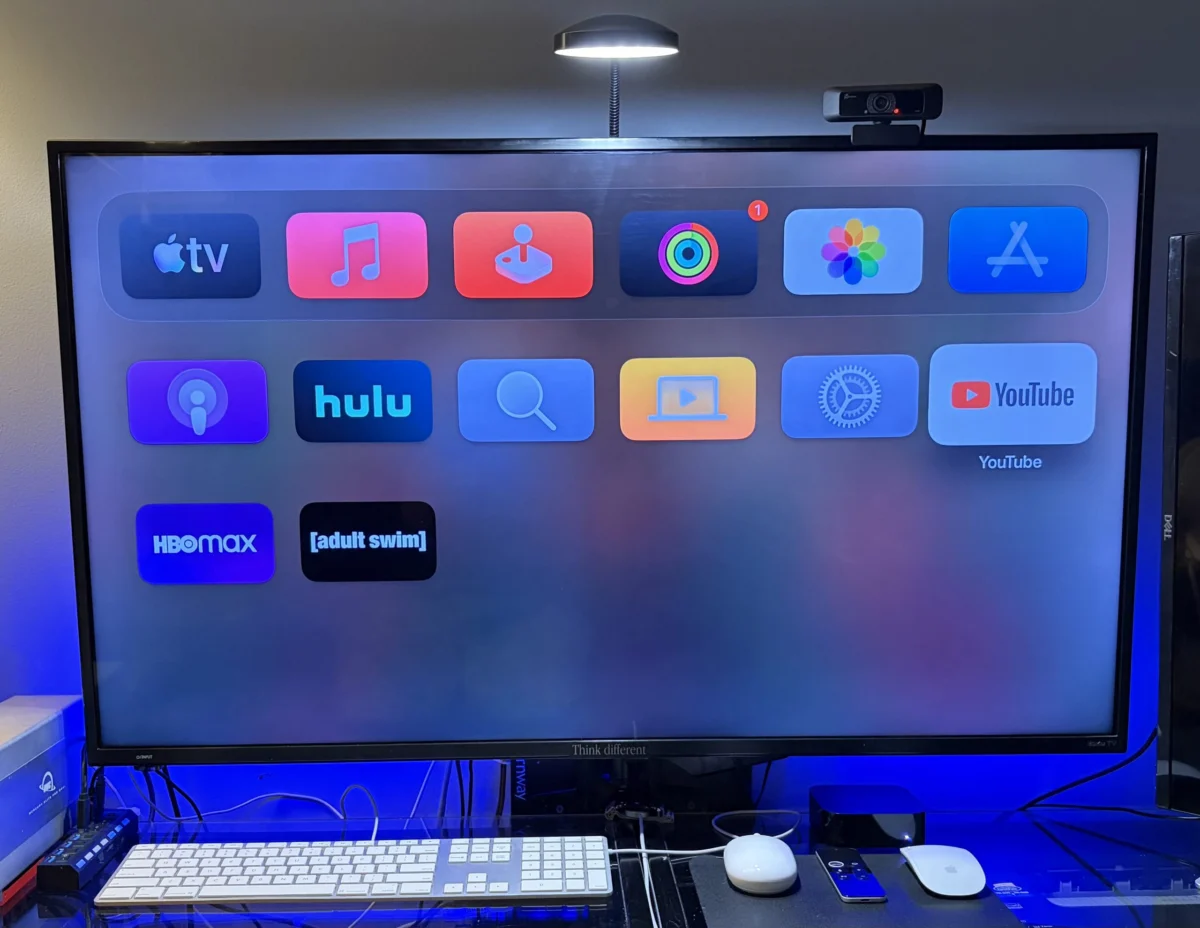
The decision by many power users to utilize the Apple TV 4K as an intermediary device between their display and the internet highlights a broader trend in consumer cybersecurity. By connecting an Apple TV 4K to a television—often a model from manufacturers like HiSense—and keeping the television itself disconnected from the internet, users have effectively mitigated the privacy risks associated with the telemetry-heavy operating systems often found in modern smart TVs.
This "sandboxing" approach has allowed the first-generation Apple TV 4K to serve a secondary purpose: providing a secure, high-performance interface for users who prioritize privacy and hardware longevity over the latest built-in smart features. Furthermore, the device’s capability to act as an AirPlay receiver has facilitated a bridge between portable computing devices and fixed display setups. Many users have leveraged this functionality to transform their televisions into secondary displays for MacBook or iPad workflows, effectively dual-purposing their living room hardware.

Hardware Reliability and the Remote Control Factor
A notable aspect of the first-generation Apple TV 4K experience has been the hardware associated with its input device, the original Siri Remote. Unlike the device itself, which has maintained a high standard of operational reliability, the remote control—characterized by its glass-topped touch surface—has been a frequent point of contention.
Field reports and user feedback from the 2022–2024 period highlighted significant intermittent failures, including ghost inputs, connectivity dropouts, and issues with the touch-sensitive surface. While these issues often subsided without clear intervention, they underscore the disparity between the core streaming hardware and its peripheral interfaces. The subsequent release of the redesigned Siri Remote, with its more tactile clickpad and improved ergonomics, served as a necessary corrective measure that significantly enhanced the user experience for later models, though it remains a separate purchase for owners of the vintage first-generation unit.

Future Implications and the 2026 Launch
As the industry looks toward the October 30th launch of the 2026 Apple TV 4K, the classification of the first-generation model as "vintage" carries several implications. For current owners, the vintage status typically signifies a shift toward limited hardware support and the potential cessation of security updates in the coming years.
However, the enduring performance of the A10X architecture suggests that the device will likely persist in home setups long after it officially reaches "obsolete" status—a term Apple uses for devices that have been discontinued for more than seven years. The transition also highlights the aggressive upgrade cycle in the streaming market. With rumors pointing to the inclusion of an A19 or A19 Pro chip in the new 2026 model, the performance delta between the first and fourth generations will be substantial. The inclusion of such high-performance silicon suggests that Apple is positioning its future streaming hardware not just as a media player, but as a potential high-fidelity gaming console and a more robust hub for smart home automation.

Economic and Environmental Considerations
The lifecycle of the Apple TV 4K also touches upon broader environmental and economic themes. The "vintage" designation prompts a necessary conversation regarding the sustainability of consumer electronics. Because the device is modular and does not require an active internet connection on the television itself to function, it has achieved a degree of modularity that extends its useful life far beyond that of the display it serves.
From an economic perspective, the high resale value of used Apple TV hardware suggests that the market continues to place a premium on the software stability of tvOS. Even as the hardware becomes vintage, the ecosystem remains sufficiently attractive to keep these devices in circulation, reducing the immediate pressure on landfills and encouraging a secondary market for legacy tech.

Concluding Observations
The transition of the first-generation Apple TV 4K to vintage status is a testament to the foresight of Apple’s hardware engineering team in 2017. By equipping a streaming device with desktop-class architecture, they ensured that the hardware would remain functional for nearly a decade. As the market prepares for the next iteration of the device, the 2017 model stands as a case study in how consistent software support and high-quality initial components can redefine the lifespan of consumer electronics.
While the new 2026 model will inevitably offer superior speed, lower energy consumption, and more advanced processing capabilities, the legacy of the first-generation Apple TV 4K remains secure. It has moved from being a state-of-the-art flagship to a reliable, enduring piece of home technology, marking the end of one chapter and the beginning of another in the ongoing evolution of the connected home. The upcoming release of the 2026 model will likely reset the bar for performance, but the fundamental role of the Apple TV as a reliable, privacy-conscious, and high-performance streaming interface remains as relevant as ever.