
 Vera Clarissa
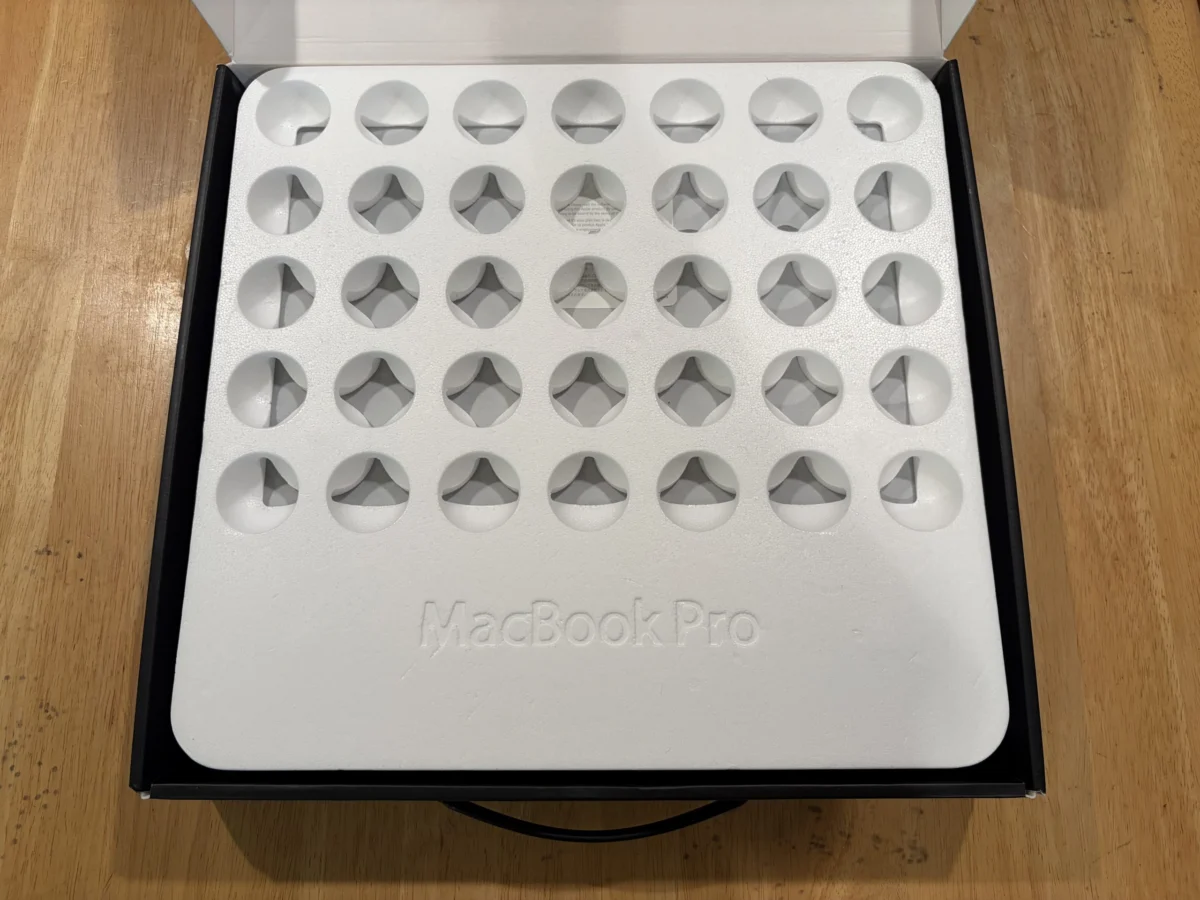
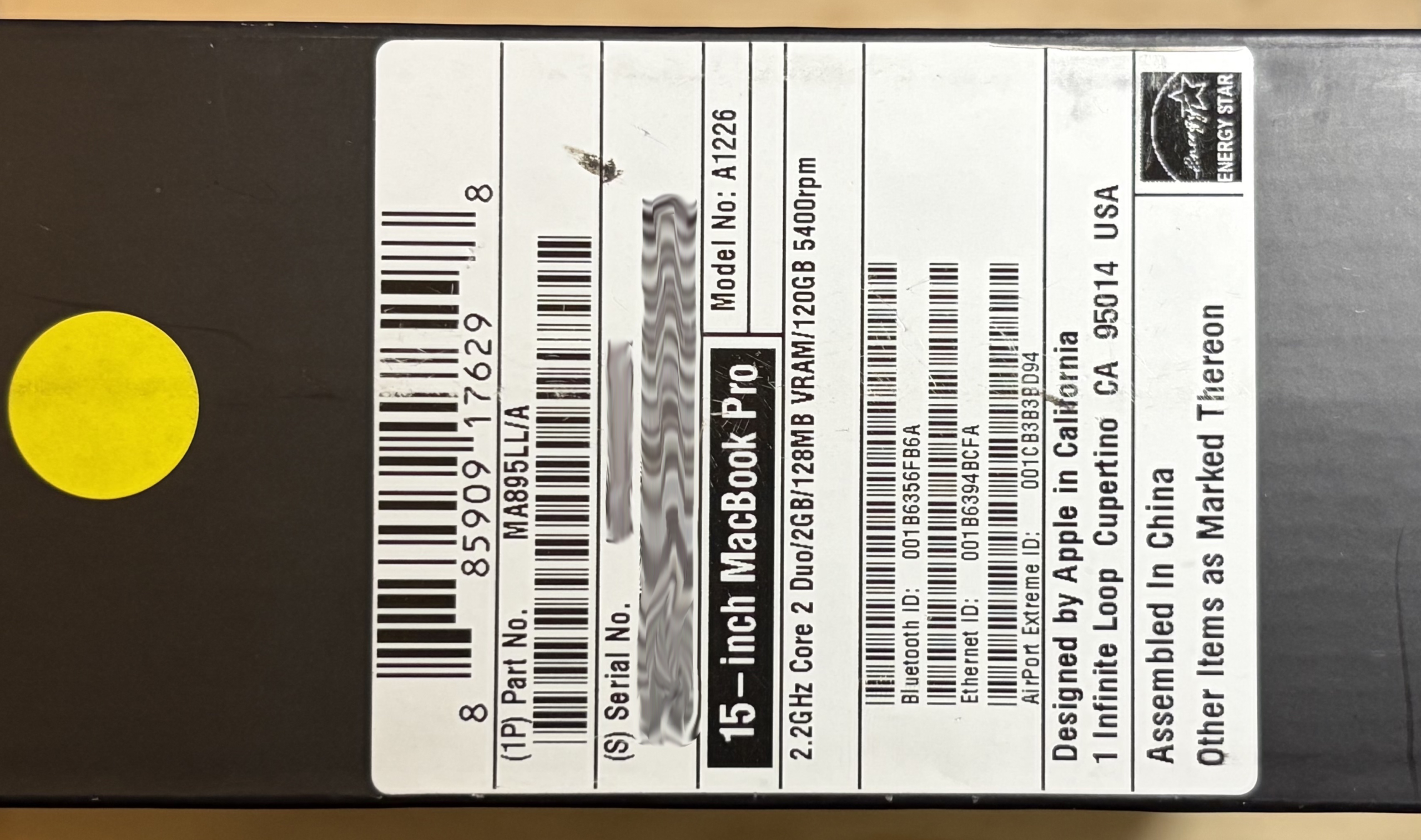
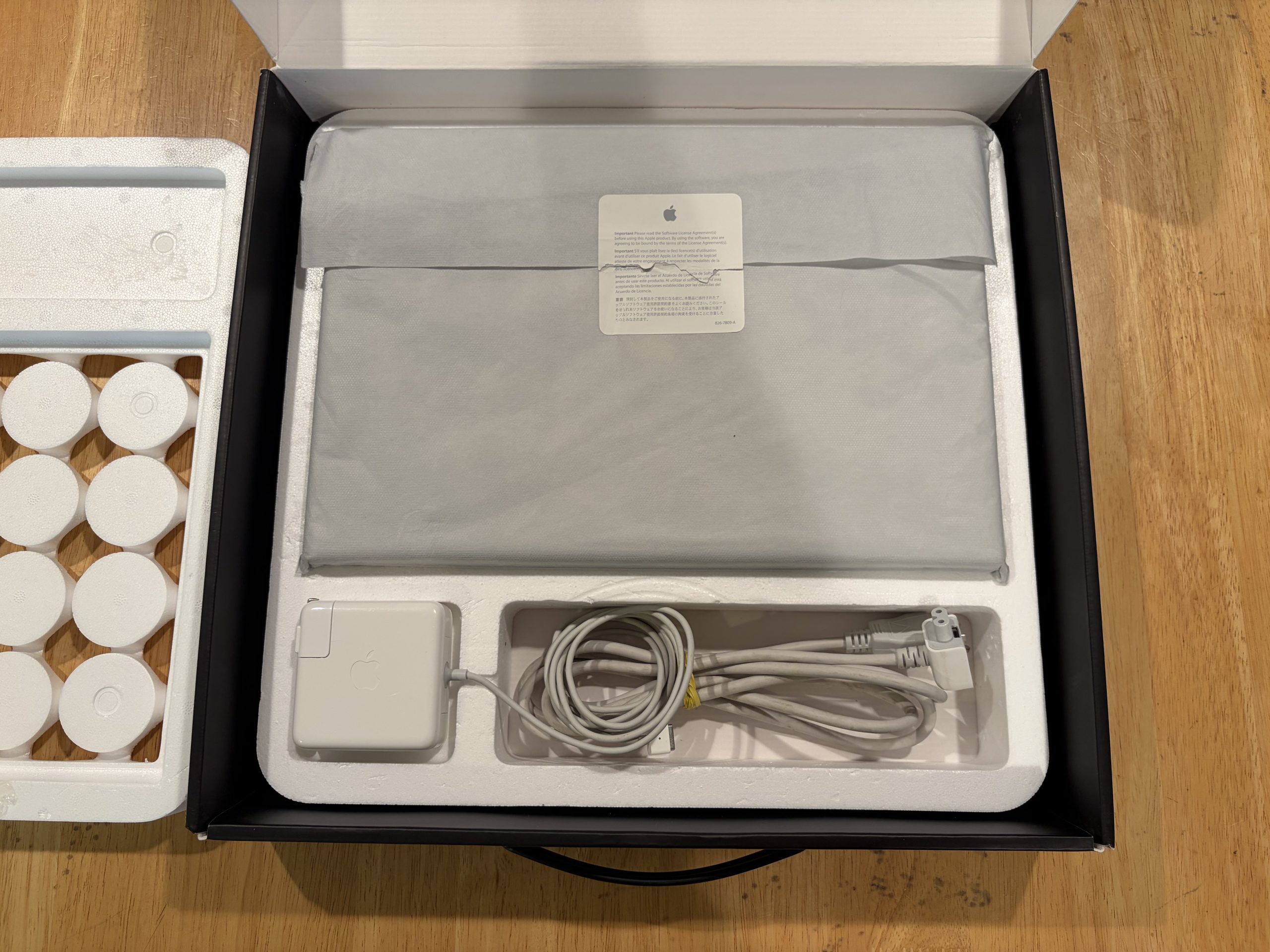
The recent Vintage Computer Festival (VCF) Midwest served as the backdrop for a significant discovery in the world of legacy hardware preservation. Among the various exhibits and trade stalls, an exceptionally well-preserved mid-2007 15-inch MacBook Pro, model A1226, was acquired by enthusiasts, marking a rare find in the realm of pre-unibody Apple hardware. The device, which remarkably retains its original factory wrapping, provides a tangible window into a pivotal era of the personal computing industry, specifically the transition period when Apple shifted its entire lineup from PowerPC architecture to Intel’s x86 processors.

The Evolution of the A1226
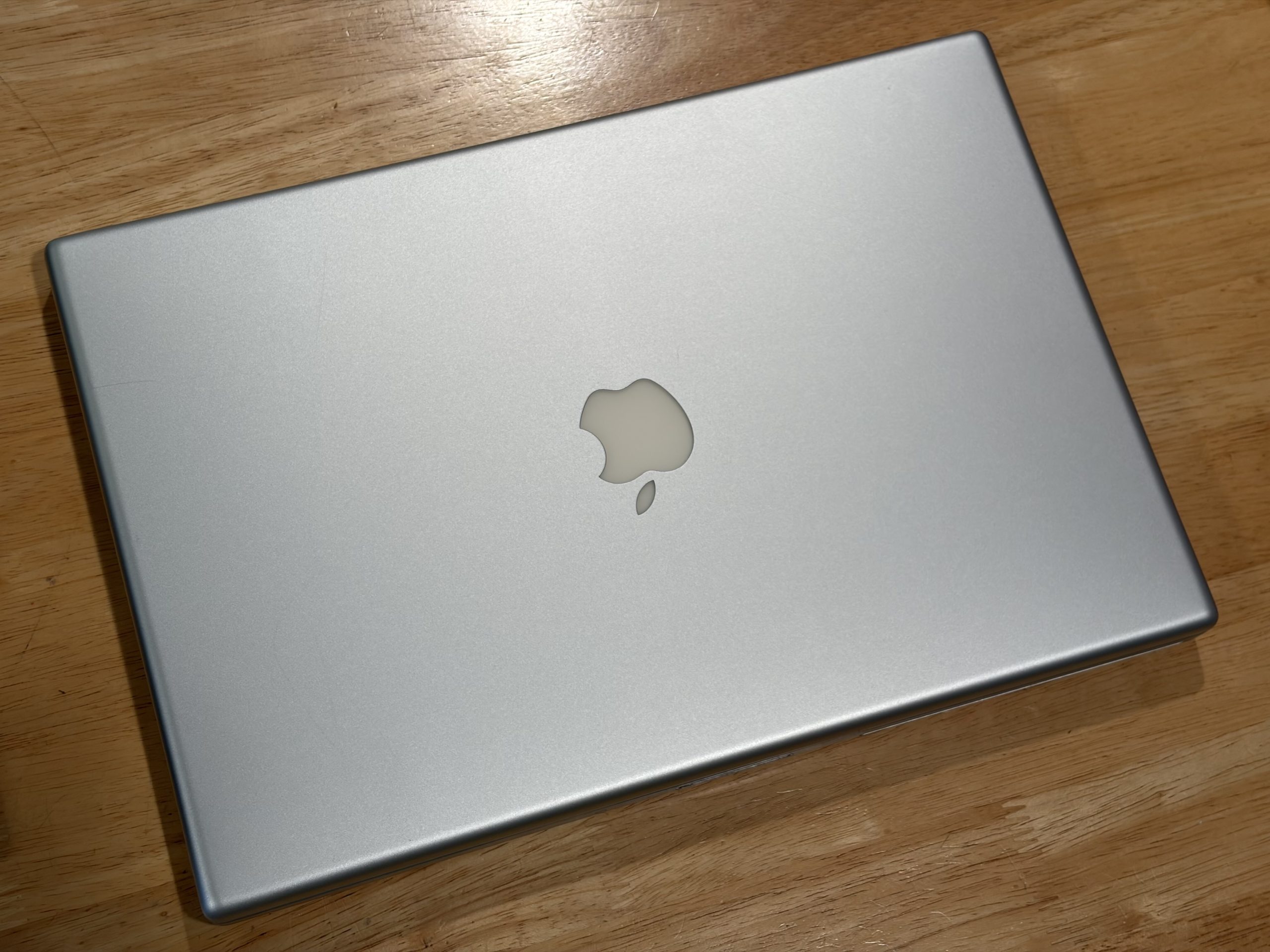
The 2007 MacBook Pro represents a critical juncture in design language. It served as the final refinement of the professional portable form factor introduced by the PowerBook G4, before Apple transitioned to the "Unibody" chassis design in late 2008. The A1226 model was released during a period of rapid iteration for Apple. Launched in June 2007, this specific configuration was equipped with an Intel Core 2 Duo "Santa Rosa" platform processor, offering a notable performance jump over its predecessors.
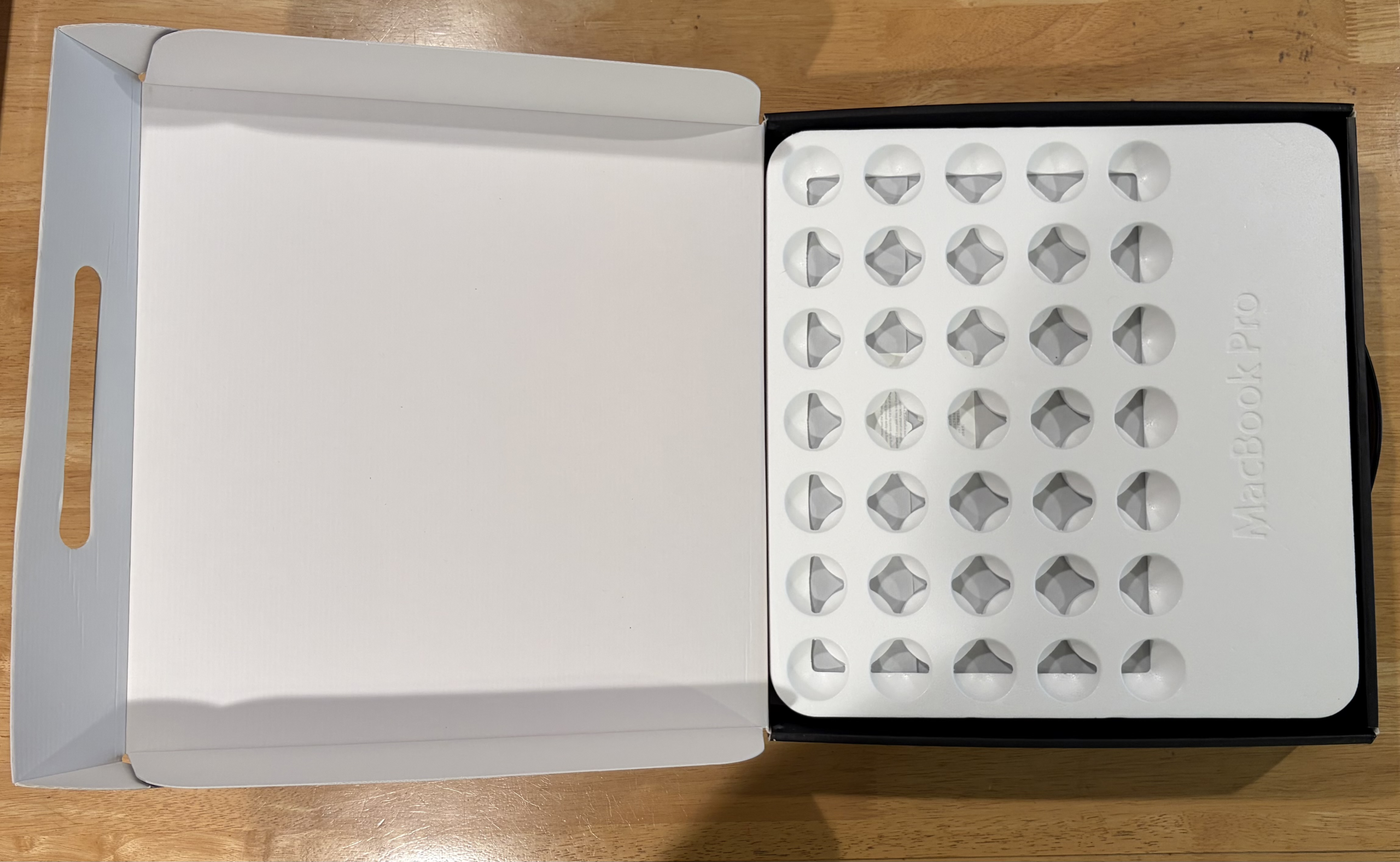
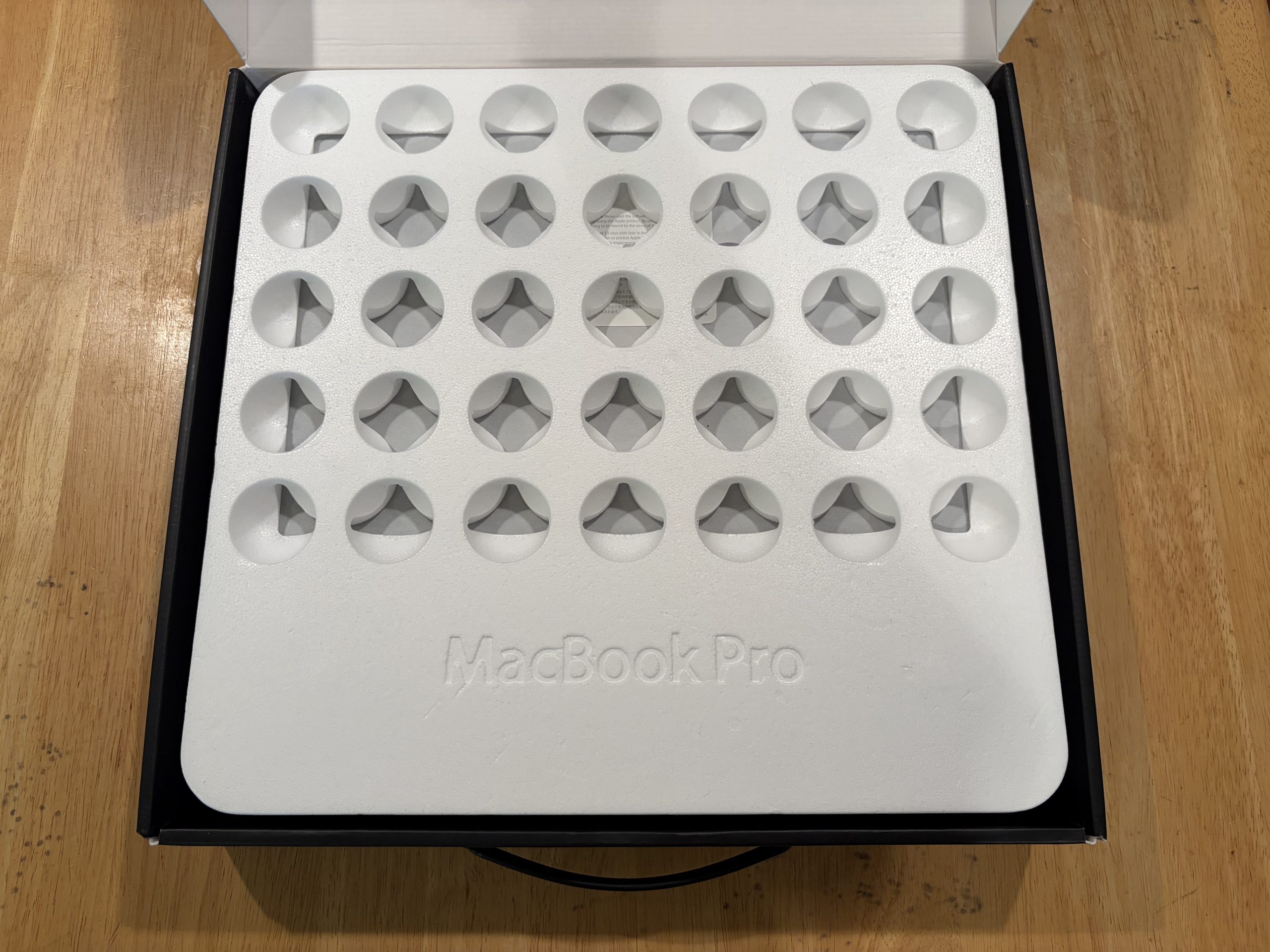
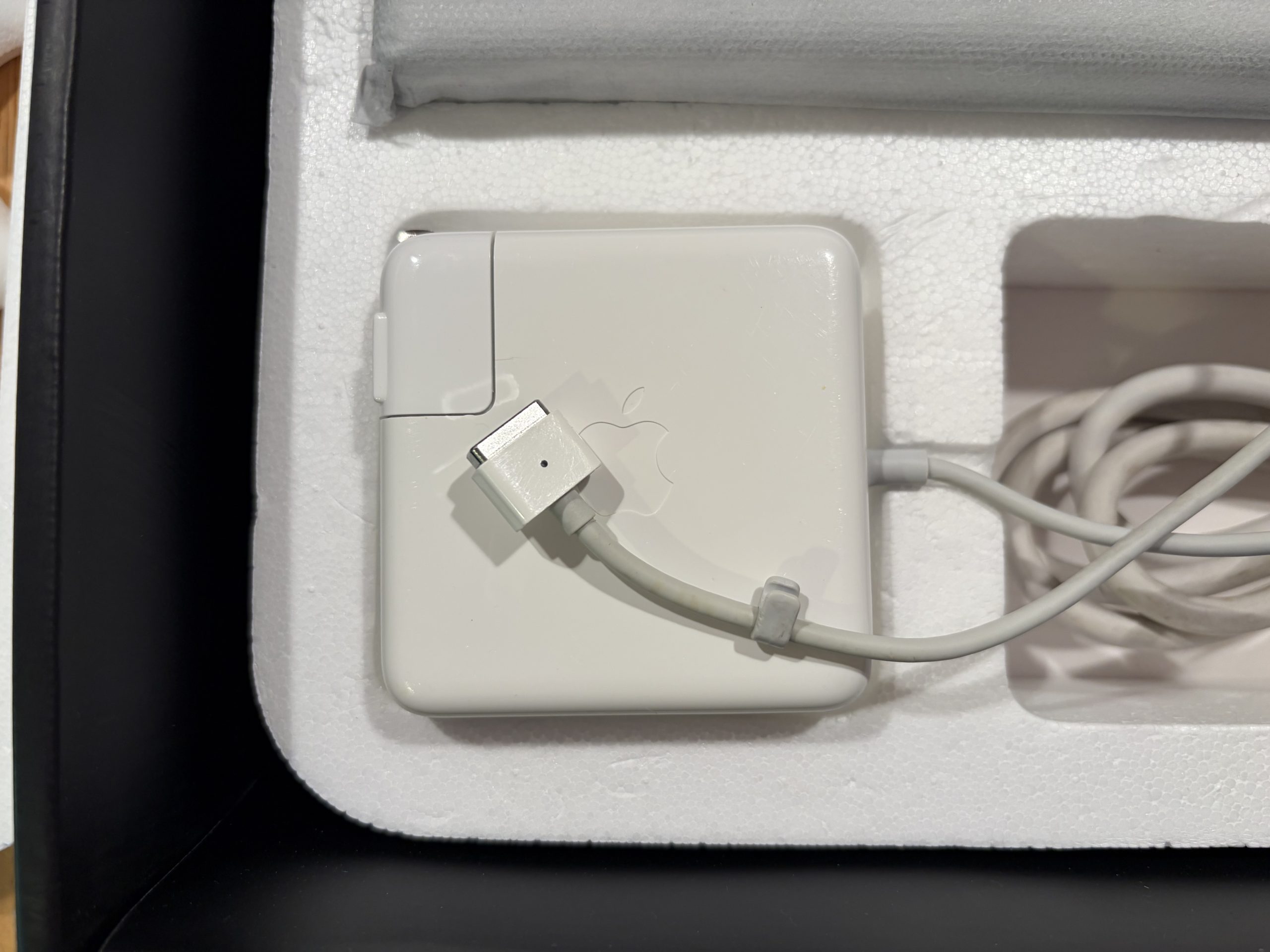
The unit discovered at VCF Midwest is nearly a "fully boxed" set, a rarity for a machine that has been in circulation for nearly two decades. While it lacks the original storage drive and RAM, its exterior remains in a pristine state—a significant anomaly given the tendency for aluminum alloys from this period to suffer from dents, oxidation, or deep scuffing. The presence of the original factory plastic covers suggests the device was either minimally used or exceptionally well-maintained by its original owner, providing researchers and collectors a baseline for the factory-standard aesthetic of 2007-era hardware.
Historical Context and Technical Specifications
To understand the significance of this find, one must look at the technical landscape of 2007. The mid-2007 MacBook Pro featured an ATI Mobility Radeon X1600 graphics card (often cited in later years for thermal management challenges), a 1440×900 LED-backlit display, and a signature industrial design that emphasized the "pro" aesthetic with a flush-mount trackpad and tactile keyboard.
The documentation retrieved with the unit confirms a purchase date of July 31, 2007. This timeline aligns with the broader adoption cycle of the Mac OS X "Tiger" (10.4) and "Leopard" (10.5) operating systems. The discovery also highlights an interesting anomaly: the system icon displays a wallpaper associated with macOS Mojave (10.14), indicating that a previous owner had attempted to modernize the software stack—a common practice among vintage Mac enthusiasts who utilize patchers to keep decade-old hardware functional with modern web browsers and security protocols.
Thermal Management and Hardware Maintenance
A central challenge in the maintenance of 2007-era MacBook Pros is the degradation of thermal interface materials (TIM). The NVIDIA and ATI mobile GPUs of that era are notorious for high operating temperatures, which, if left unaddressed, lead to accelerated solder joint failure.
The acquisition of this unit necessitated an immediate maintenance intervention. Modern synthetic thermal pastes, such as Arctic MX-4, were applied to the CPU and GPU dies to ensure longevity. Technical analysts in the vintage computing community often point out that early Intel Macs require more frequent thermal maintenance than the later Apple Silicon-based machines. Whereas modern systems are designed for high efficiency and lower heat signatures, the 2007 hardware requires a systematic cleaning of the internal cooling fans and a refresh of the heat sink contact points every three to five years to prevent permanent hardware failure. This restoration process performed on the VCF find serves as a textbook example of best practices for long-term hardware preservation.
The Role of VCF Midwest in Cultural Heritage
VCF Midwest has become a critical hub for the preservation of computing history. Events like these provide a marketplace where historical hardware is not merely discarded as e-waste but is curated and passed on to individuals who possess the technical acumen to restore it.
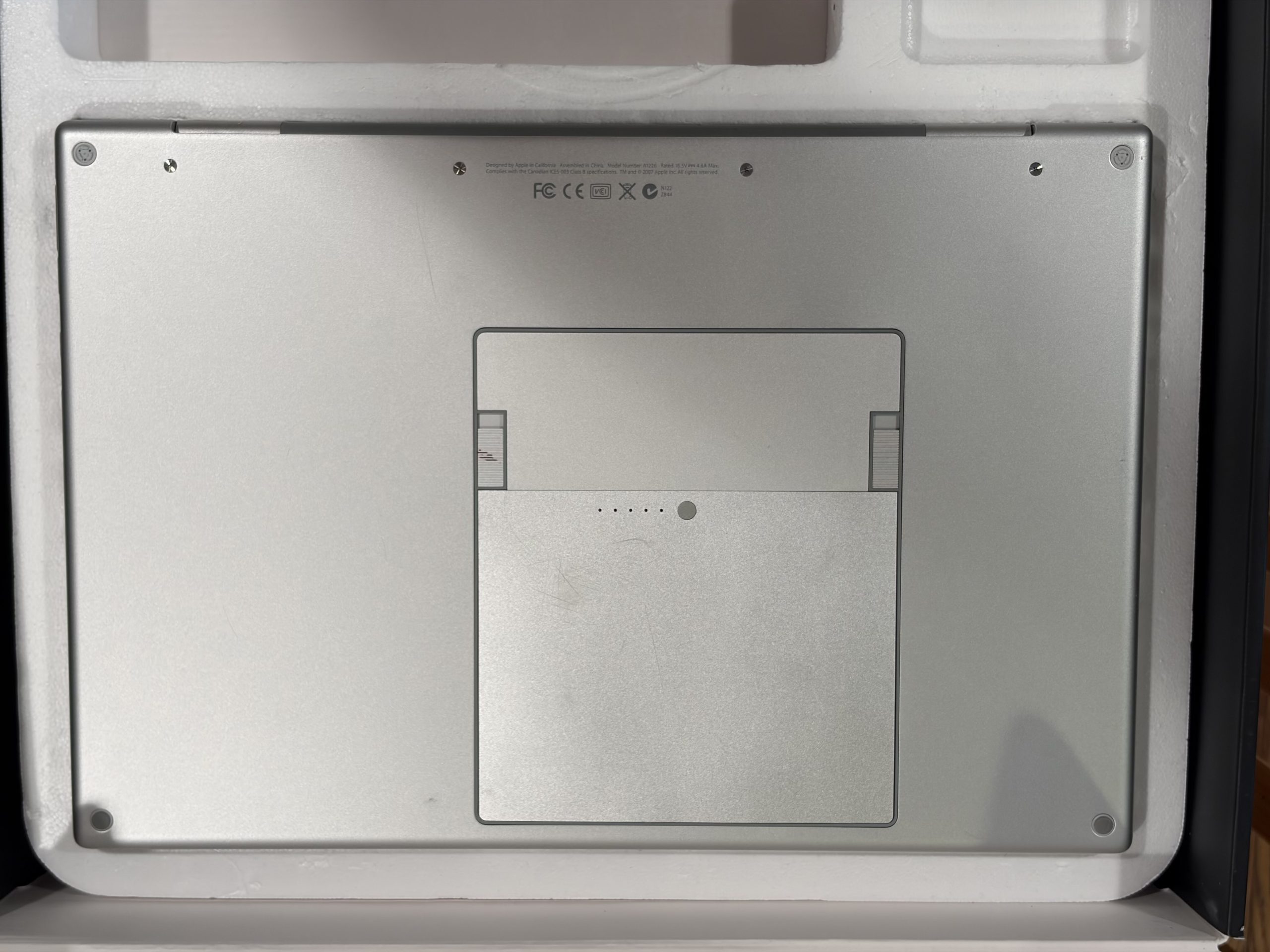
The procurement of this machine serves as a microcosm of the broader "Right to Repair" and "Retro-computing" movements. As modern manufacturers move toward soldered components and non-serviceable battery designs, the 2007 MacBook Pro stands as a relic of a time when users were expected to upgrade their own RAM and replace their own hard drives. The inclusion of the original purchase receipt and documentation within the packaging emphasizes the importance of provenance in the collecting community, where a device’s "story" is often considered as valuable as its technical utility.

Implications for Modern Usability
While the 2007 MacBook Pro is effectively obsolete for modern professional tasks, it remains highly functional for legacy software environments. The rise of community-maintained browsers such as "Momiji" and the "PowerFox" projects has allowed these older machines to continue rendering modern web standards.

The longevity of these machines is supported by the robustness of the Mac OS X Snow Leopard (10.6) and El Capitan (10.11) ecosystems. By pairing a 2007-era logic board with a solid-state drive (SSD) and modern memory modules, users can achieve a level of performance that, while not comparable to contemporary Silicon-based machines, is more than adequate for local computing, retro-gaming, and software development research.

Future Perspectives on Preservation
The challenge moving forward for the historical computing community is the scarcity of replacement parts for these specific chassis designs. As original batteries continue to fail and high-quality aftermarket replacements become harder to source, the preservation of aesthetic perfection—such as the "mint" condition of this VCF find—becomes a matter of historical archiving.

Experts suggest that the goal is no longer just "keeping it running," but "keeping it original." The decision to keep this particular unit in a protected state, rather than putting it into heavy daily use, reflects a shift in collector priorities. By safeguarding the physical integrity of the shell and documenting its internal state, enthusiasts are effectively creating a museum-grade record of Apple’s design trajectory.

Conclusion
The emergence of this 2007 MacBook Pro at VCF Midwest is more than a simple acquisition; it is a testament to the durability of Apple’s early Intel-era engineering. As the industry continues to move toward closed-loop systems, these older machines provide a necessary reminder of the modularity and repairability that once defined the high-end personal computer market. For the collector who secured this piece, the unit represents a bridge between the era of the PowerPC transition and the modern, high-efficiency architectures of the present day, serving as a reminder that with proper maintenance, technology can transcend its intended product lifespan.







