Retno Hari Mulyono
The evolution of automotive performance engineering has increasingly favored electronic actuation over traditional mechanical linkages, a transition primarily driven by the demand for enhanced precision, safety, and integration capabilities. For owners of the ubiquitous Mazda MX-5 Miata—specifically the NA (1989–1997) and NB (1998–2005) generations—the factory configuration relies almost exclusively on a cable-driven throttle body. While this mechanical simplicity has served hundreds of thousands of vehicles globally for decades, track-focused applications frequently expose the limitations and structural vulnerabilities of aftermarket and factory cable setups. Following two consecutive on-track throttle body failures during the 2025 racing season, a Mazda Miata enthusiast and automotive technician has initiated a comprehensive conversion to a modern drive-by-wire (DBW) architecture utilizing an existing Megasquirt MS3Pro Evo standalone engine control unit (ECU). This multi-part technical case study examines the motivations, hardware selection, and controller evaluation process required to bring electronic throttle control to a platform historically constrained by mechanical cables.
Background Context and Catalyst for Conversion
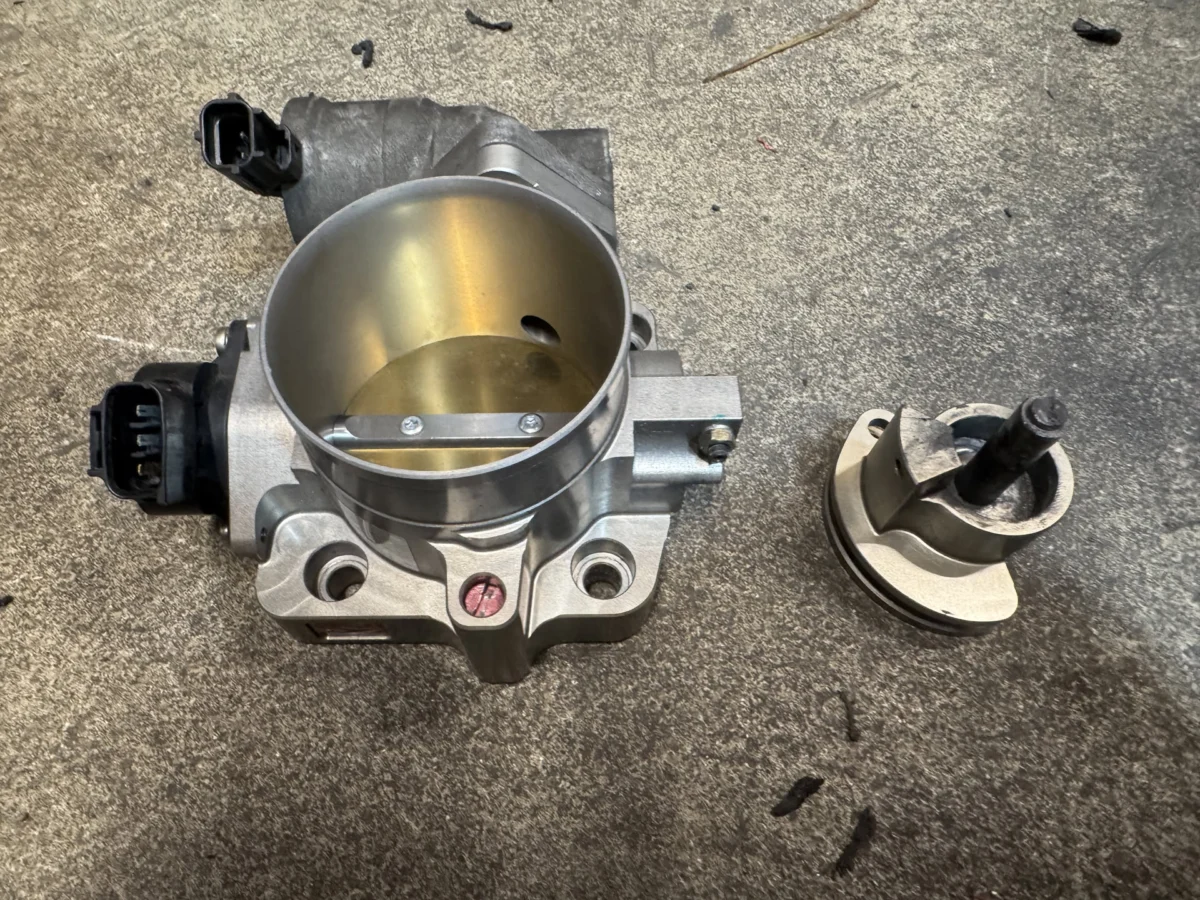
The primary catalyst for this engineering overhaul stems from persistent mechanical reliability issues experienced with aftermarket intake components on the track. The vehicle in question, a year-2000 Mazda Miata configured for high-performance track use and producing approximately 140 wheel horsepower, had been operating with an aftermarket Skunk2 throttle body for several years. Throughout the 2025 track season, this component suffered two distinct mechanical failures, culminating in a complete structural fracture of the internal throttle shaft while under load on the circuit.

Beyond catastrophic failures, the aftermarket unit demonstrated chronic operational deficiencies widely reported within the Miata community, including a propensity for the throttle blade to stick partially open, thereby inducing an unwanted and hazardous high idle. While factory stock throttle bodies theoretically possess adequate flow capacity for moderate naturally aspirated power levels, they are similarly plagued by well-documented failure modes. Historical instances of factory throttle butterfly screws backing out of the shaft or the OEM shaft itself snapping pose catastrophic risks to internal engine components, as ingested metal fragments routinely result in total engine failure. Although temporary remediation methods—such as applying high-strength aerospace epoxies like 3M DP420 to secure throttle shaft screws—were deployed for the remainder of the 2025 season, the inherent architectural limitations of cable-driven systems necessitated a permanent solution.
Market Landscape of Cable-Driven Alternatives
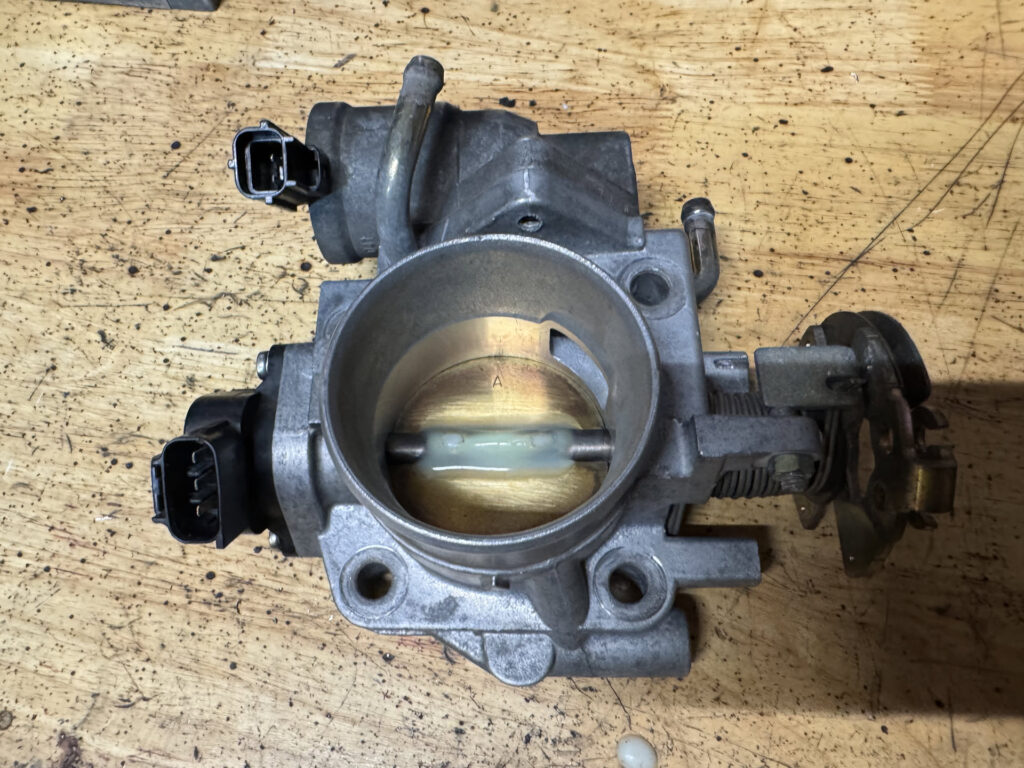
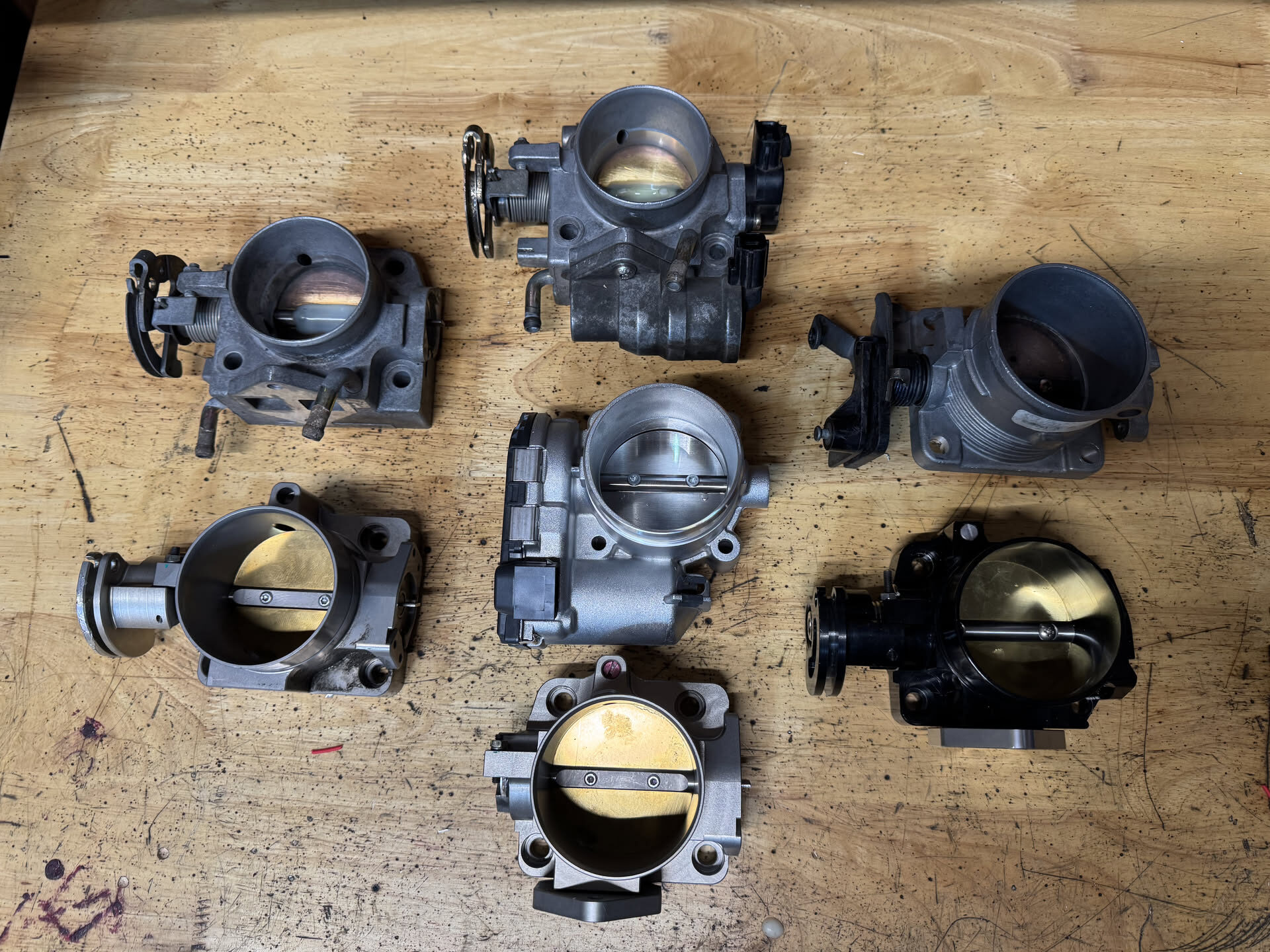
Exploring alternative cable-driven configurations yielded limited viable options. The market for off-the-shelf aftermarket cable throttle bodies tailored specifically to the NA and NB Miata chassis remains sparse. While inexpensive overseas manufacturing clones of popular aftermarket designs are widely available, questions regarding their metallurgical quality and long-term durability render them unsuitable for competitive track environments. Adapting larger original equipment manufacturer (OEM) cable throttle bodies from high-displacement platforms—such as a 4.6-liter Ford V8 throttle body—presents significant logistical hurdles. While such units can be made to physically fit via manifold adapter modifications, they require complex secondary fabrications, including custom throttle cable routing and the integration of an external idle air control (IAC) valve. Consequently, maintaining a cable-driven setup offered diminishing returns in terms of reliability and engineering complexity.
Engineering Rationale for Drive-by-Wire

Transitioning to a drive-by-wire system eliminates the physical cable interface entirely, replacing mechanical linkage with electronic sensors, controllers, and actuators. From an engineering perspective, DBW architecture offers several definitive advantages for motorsport applications:
- Elimination of Mechanical Failure Points: Removing the throttle cable and external linkage eradicates the risk of cable fraying, pedal box binding, and throttle shaft fatigue.
- Advanced Safety Interlocks: Electronic systems allow for instantaneous throttle closure in the event of sensor disagreement, brake-throttle override protocols, or traction control interventions.
- Enhanced Powertrain Integration: DBW serves as the foundational prerequisite for modern software-driven features, including automated throttle blipping during downshifts, integrated cruise control, and custom, non-linear throttle mapping tailored to varying track conditions.
Despite these clear benefits, integrating DBW into an existing aftermarket engine management ecosystem presents financial and technical hurdles. High-end standalone ECUs frequently feature native, built-in drive-by-wire controller hardware and firmware. However, migrating away from an established, highly capable ECU such as the Megasquirt MS3Pro Evo solely for DBW support would incur prohibitive replacement costs. Fortunately, recent firmware developments for Megasquirt MS3 platforms have introduced support for external drive-by-wire controllers communicating via Controller Area Network (CAN) bus architecture, bridging the gap between legacy standalone hardware and modern electronic throttle control.

Evolution of Megasquirt-Compatible DBW Controllers
As of late 2025, the aftermarket supports several standalone CAN-compatible drive-by-wire controllers designed to interface seamlessly with Megasquirt MS3 ecosystems. A comparative analysis of available hardware highlights distinct variations in pricing, feature sets, and physical integration requirements:

- DBWX2 Controller: Introduced circa 2019, this unit represents the pioneer in the Megasquirt DBW aftermarket. Positioned at the highest price point of approximately $500, its standout capability is the simultaneous control of two independent electronic throttle bodies, making it ideal for specialized applications such as dual-throttle supercharger configurations or electronic boost control actuators.
- LD Performance Controller: Retailing at an intermediate price of roughly $200, this unit provides basic DBW functionality. However, it lacks native configuration support through TunerStudio—the primary tuning software for Megasquirt—and features an unsealed enclosure lacking waterproof connectors, necessitating cabin-mounted installation.
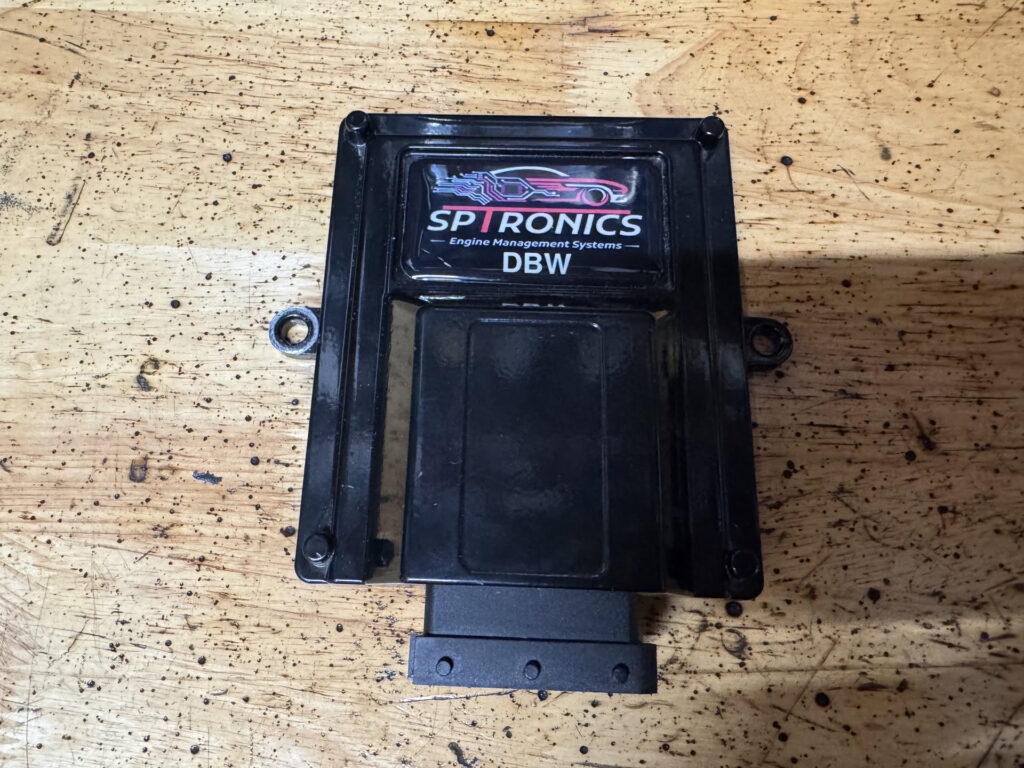
- SPTronics Controller: Offering high economic value at approximately $150, this controller is available in single- or dual-channel variants. While cost-effective, it exhibits limitations in firmware updateability, configurable CAN bus termination resistors, and advanced PID (proportional-integral-derivative) loop adjustments.
- MS Labs Controller: Positioned in the upper pricing tier, this unit features extensive throttle mapping options, advanced idle control algorithms, and native support for auto-blip downshift functions. However, regional distribution limitations restricted its availability within the United States market during the evaluation period.
- AMP EFI Controller: Released in October 2025 at a competitive price point near $300, this newly introduced controller supports flexible standalone operation utilizing auxiliary analog Throttle Position Sensor (TPS) outputs and idle input pins, alongside dedicated brake and clutch inputs for automated downshift blipping.
Hardware Selection and Implementation Strategy
To execute the conversion on the 2000 Mazda Miata, a standardized hardware bill of materials was established, anchored by OEM-grade components to ensure maximum reliability and cost-efficiency.

Throttle Body and Manifold Adaptation
The primary actuator selected is a Bosch Motorsports 60mm electronic throttle body. Widely utilized across various automotive manufacturers, these units are readily available, highly durable, and cost approximately $150. To bridge the physical mounting discrepancy between the Bosch bolt pattern and the factory Miata intake manifold flange, an aluminum adapter plate sourced from Outsider Garage was procured for $150, aligning with similar alternative offerings newly introduced to the market by manufacturers such as ChathamCNC.
Accelerator Pedal Position Sensor Integration
To preserve interior ergonomics and minimize under-dash fabrication labor, the project utilizes a cable-driven accelerator pedal position sensor sourced from late-model Honda applications. Specifically harvested from 2003–2007 Honda Accord V6 models (as well as contemporary V6 Acura variants), this device integrates an internal return spring and a mechanical pulley designed to accept a standard accelerator cable. This setup allows the driver to retain the physical feel and mechanical feedback of a traditional accelerator pedal while translating mechanical movement into redundant electrical signals required by the DBW controller. Furthermore, this design preserves the vehicle’s factory cruise control functionality.

Controller Testing and Comparative Methodology
Rather than committing prematurely to a single electronic architecture, the project implementation phase involves acquiring and bench-testing three distinct Megasquirt CAN-compatible controllers: the SPTronics unit, the DBWX2, and the AMP EFI controller. Each module will undergo rigorous physical installation, signal calibration, and functional validation on the vehicle to assess tuning integration, fail-safe responsiveness, and long-term durability under simulated track conditions.

Broader Impact and Technical Implications
The transition of legacy enthusiast platforms to drive-by-wire via modular CAN controllers illustrates a broader trend in aftermarket automotive engineering. As OEM electronic components become increasingly accessible in the salvage and aftermarket sectors, enthusiasts are no longer constrained by the physical limits of mechanical linkages. For the Mazda Miata community, adopting open-architecture electronic throttle control via Megasquirt bridges a historical performance gap, offering modern motorsport capabilities—such as precise torque management and automated heel-toe downshifts—without requiring a complete overhaul of existing engine management investments. Subsequent technical documentation from the ongoing evaluation will detail the calibration, wiring integration, and long-term track performance of the selected DBW system.