Edi Durjana
The release of RetroArch version 1.20.0 marks another significant milestone for the premier frontend for emulators, game engines, and media players. Available immediately across multiple platforms via the official Libretro website, this latest software iteration introduces groundbreaking visual rendering technologies and hardware integrations designed to bridge the gap between vintage gaming hardware and modern display devices. As the emulation community continues to grow, version 1.20.0 underscores the Libretro team’s ongoing commitment to user-centric development, maintaining a strict policy against monetization software, paywalls, and intrusive advertising while pushing the boundaries of what software-based emulation can achieve.
At the core of the RetroArch 1.20.0 update are two major technical advancements: the integration of an advanced CRT beam simulation shader developed in collaboration with industry experts, and native illuminance sensor support for Linux-based systems. These features collectively demonstrate the versatility of the Libretro architecture, catering to both purists seeking authentic cathode-ray tube visual fidelity and modern gamers looking for innovative hardware utilization on devices like the Steam Deck.
Background Context and Evolution of the Libretro Ecosystem
To understand the significance of RetroArch 1.20.0, it is necessary to examine the evolution of the Libretro API and the RetroArch frontend. Launched over a decade ago, RetroArch was designed to unify various emulator cores under a single, modular interface. This design philosophy allows users to run classic games from dozens of different systems—ranging from fourth-generation home consoles to classic arcade machines and handheld devices—without needing to configure separate applications for each platform.
Over the years, the project has evolved from a niche enthusiast tool into a massive open-source ecosystem supported by a dedicated community of developers and contributors. Unlike proprietary software publishers or commercial emulation fronts, RetroArch has consistently relied on voluntary donations, Patreon contributions, GitHub sponsorships, and merchandise sales to fund its development cycle. This financial model has allowed the development team to prioritize performance, low latency, and user privacy over short-term monetization strategies. The release of version 1.20.0 is the culmination of months of rigorous testing, coding, and community feedback aimed at refining the core architecture and introducing forward-thinking features.
Revolutionizing Motion Clarity: The New CRT Beam Simulation Shader
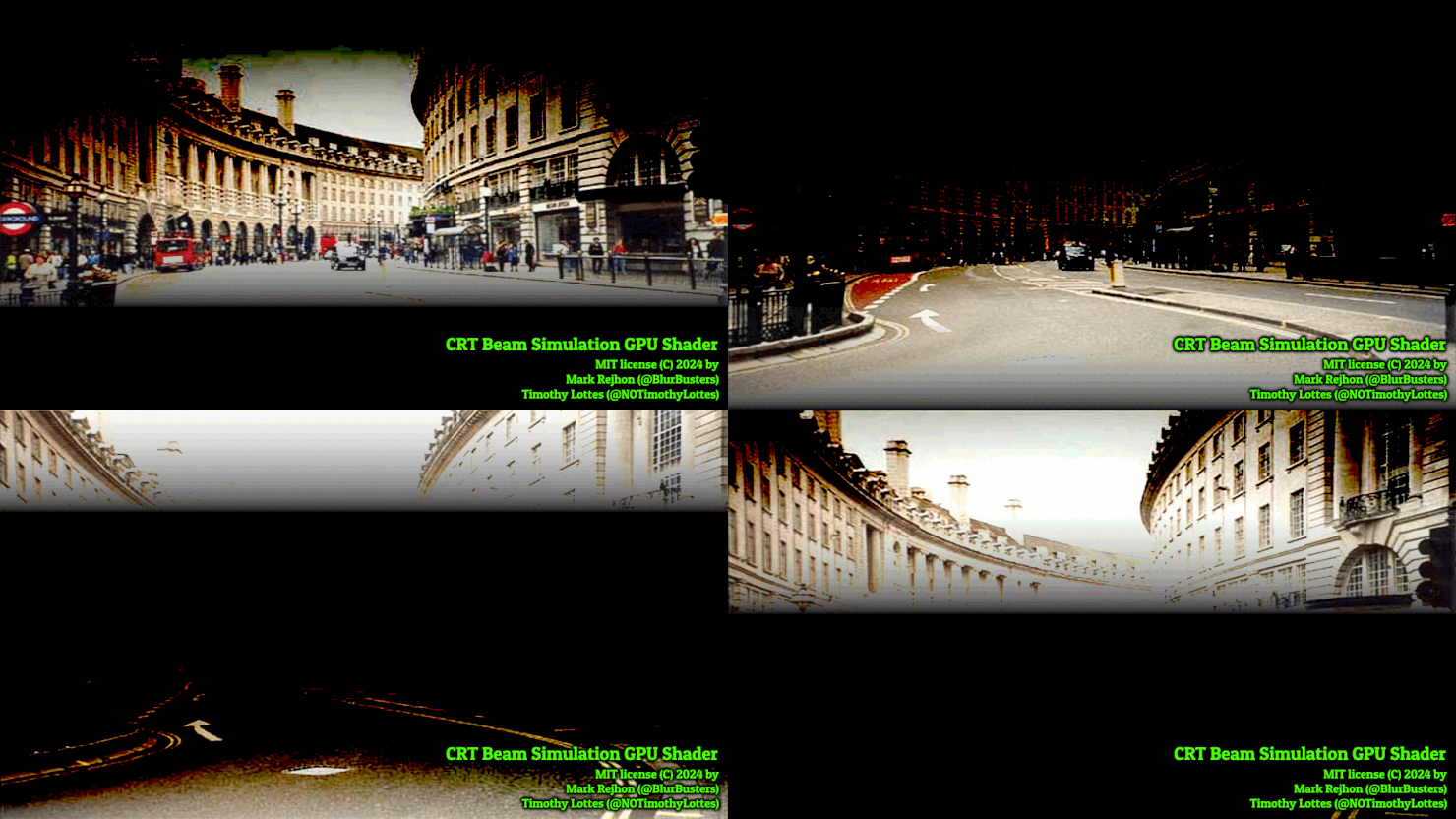
One of the most technically ambitious additions in RetroArch 1.20.0 is the introduction of a new CRT beam simulation shader. Developed through a collaboration between Mark Rejhon of BlurBusters and Timothy Lottes, the creator of the original FXAA shader and the popular crt-lottes shaders, this tool addresses one of the most persistent challenges in modern retro gaming: motion blur on sample-and-hold modern displays.
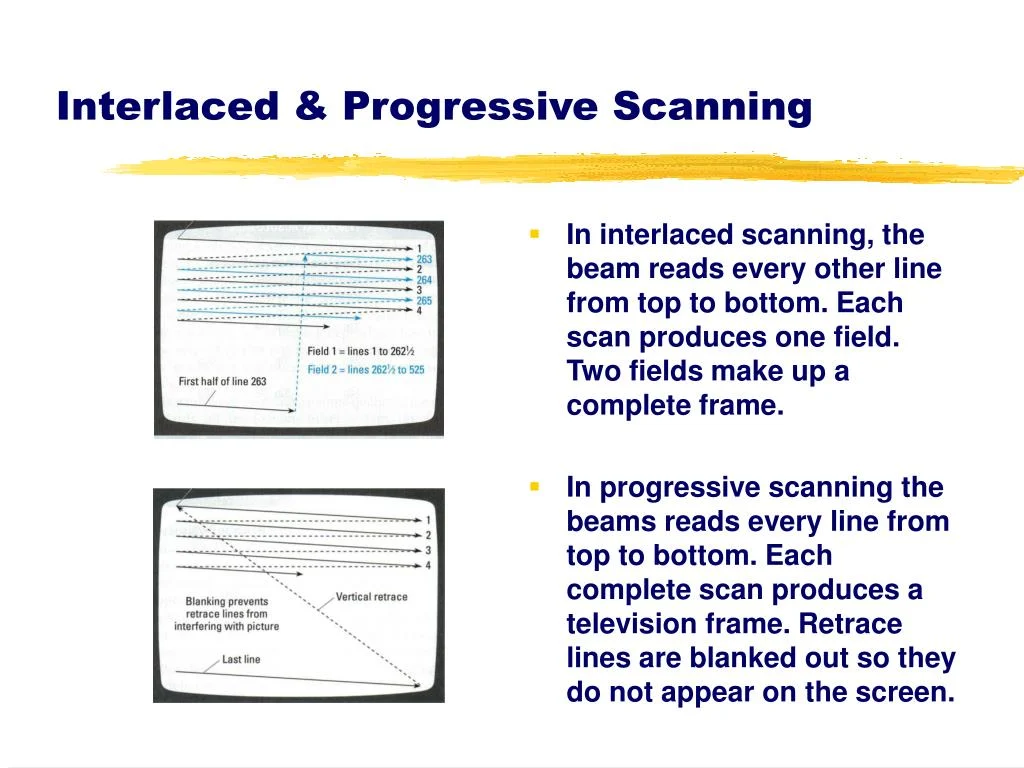
Traditional liquid crystal displays (LCDs) and organic light-emitting diode (OLED) screens display images continuously until the next frame is drawn, a phenomenon known as sample-and-hold. While efficient for modern high-refresh-rate gaming, this display mechanism causes perceived motion blur when fast-moving pixel data is rendered, contrasting sharply with the impulse-type rendering of vintage CRT televisions, where phosphor illumination decays almost instantaneously.
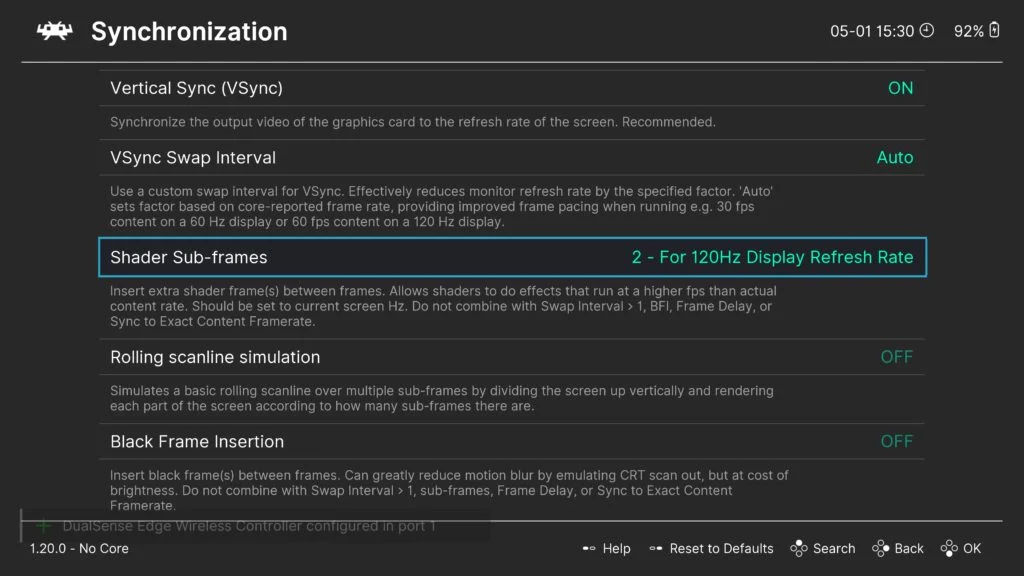
Historically, emulation developers attempted to solve this using black-frame insertion (BFI). However, standard BFI implementations often introduce significant drawbacks, including a severe reduction in screen brightness, dulled color saturation, and an increased risk of image persistence—a temporary retention of static images on certain LCD panel types.
The new CRT beam simulation shader leverages RetroArch’s recently implemented "subframe" shader capabilities to bypass these limitations. By simulating the precise scanning behavior of a physical CRT electron beam at a subframe level, the technology significantly improves motion clarity on modern high-refresh-rate displays without sacrificing peak luminance, color vibrancy, or hardware safety. This development represents a major leap forward for display technology enthusiasts who demand authentic motion handling without the visual compromises previously required.
Hardware Integration: Bringing Sunlight to Linux and Steam Deck
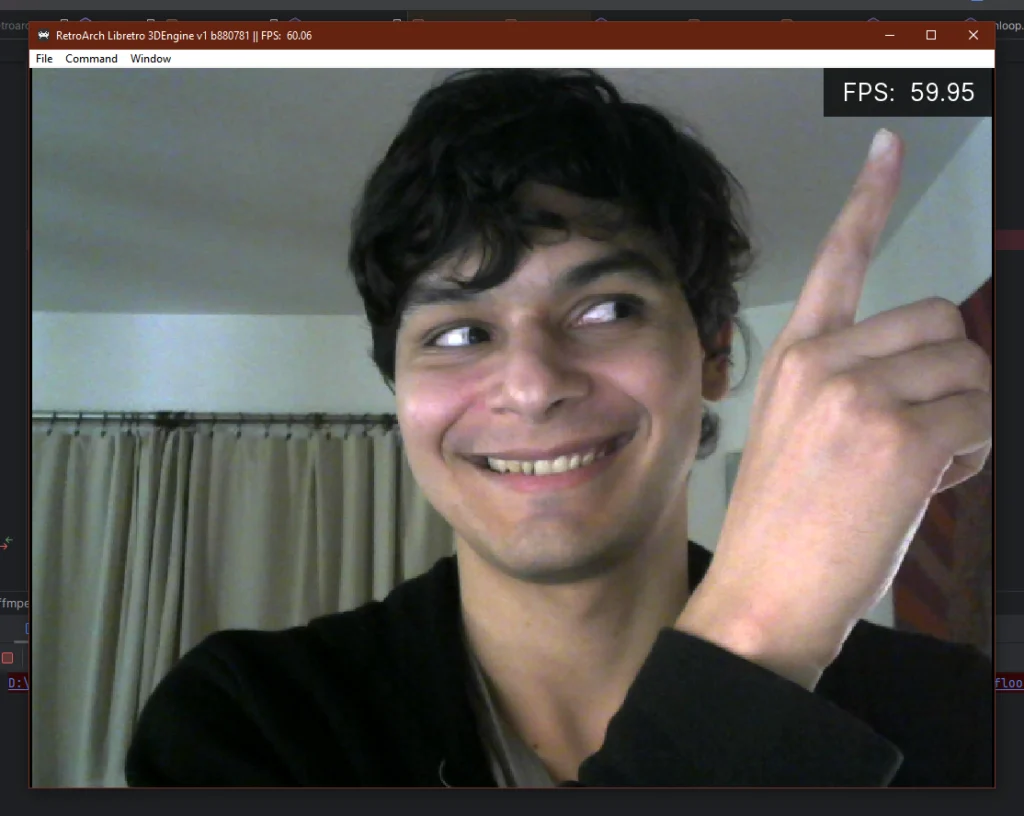
Beyond visual enhancements, RetroArch 1.20.0 introduces native illuminance sensor support for Linux operating systems, spearheaded by developer Jesse Talavera. This seemingly niche hardware feature unlocks unprecedented functionality for a specific subset of retro games designed around ambient light mechanics.
The most notable beneficiaries of this update are titles utilizing solar sensor hardware, most famously the Boktai series on the Game Boy Advance and Lunar Knights on the Nintendo DS. These games required physical hardware cartridges equipped with built-in photometric light sensors, compelling players to step into actual sunlight to charge in-game solar weapons and progress through the narrative.
With the new Linux illuminance sensor integration, compatible devices equipped with ambient light sensors—such as laptops, convertibles, and handheld PCs like the Valve Steam Deck—can dynamically relay real-world lighting data directly into the emulation environment. Demonstrations accompanying the release showcased Lunar Knights running on a Steam Deck, with in-game mechanics responding in real time to fluctuations in external lighting conditions.
According to the development team, this feature is part of a broader push toward deeper hardware integration. Upcoming updates to the melonDS core will natively incorporate solar sensor support, while subsequent releases following version 1.20.0 are slated to expand standardized camera support across additional operating systems and device form factors.
Economic Model and Community Sustainability
The release of RetroArch 1.20.0 also serves as a reminder of the project’s unique economic structure within the software industry. In an era where consumer software is increasingly dominated by subscription models, aggressive data harvesting, microtransactions, and mandatory cloud connectivity, the Libretro project remains entirely free and open-source.
In official statements accompanying the rollout, the development team reaffirmed their founding ethos, emphasizing that the project exists exclusively for the benefit of its user base. The platform maintains a strict policy against embedding in-app advertisements, third-party monetization software development kits (SDKs), or paywalled features.
To sustain ongoing development, infrastructure maintenance, and core optimization, the project relies entirely on voluntary financial contributions. Users can support the continuous improvement of RetroArch through established channels, including Patreon, GitHub Sponsors, and official merchandise sales via Teespring. This community-funded model ensures that core features remain accessible to all users globally, regardless of their financial status.
Technical Implications and Future Outlook
The launch of RetroArch 1.20.0 has broad implications for the broader software emulation landscape. By pioneering advanced subframe shader capabilities and expanding native hardware sensor integration for Linux platforms, the Libretro team has established a technical benchmark for other open-source projects to follow.
The successful implementation of the BlurBusters CRT beam simulation shader proves that modern display hardware can be coaxed into replicating the physical characteristics of legacy display technology with high fidelity, potentially reducing the reliance on bulky, aging CRT monitors among retro gaming enthusiasts. Simultaneously, the integration of ambient light sensor data on Linux and handheld gaming PCs demonstrates the growing viability of utilizing modern mobile and portable hardware sensors for specialized emulation tasks.
As the emulation community analyzes the full changelog and tests the new features across various hardware configurations, RetroArch 1.20.0 solidifies its status as an indispensable tool for preservationists, developers, and gamers alike. With upcoming updates already promised for associated emulation cores and hardware APIs, the project continues to demonstrate that sustainable, community-driven software development can successfully coexist with cutting-edge technical innovation.