Edi Durjana
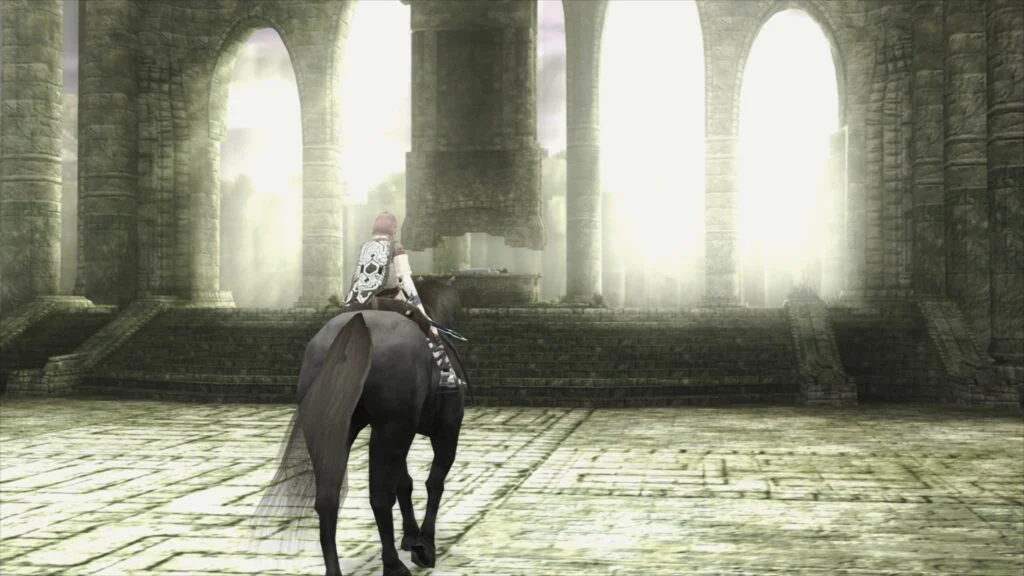
The emulation community has reached a significant milestone with the official release of LRPS2, a heavily modified, cutting-edge PlayStation 2 emulation core custom-built for the Libretro API. Derived from the architecture of the renowned PCSX2 emulator, LRPS2 represents a complete structural overhaul designed to replace outdated legacy cores that have long suffered from architectural limitations. Currently available for Windows, macOS, and Linux platforms, the new core modernizes the codebase entirely, bringing unprecedented stability, broad compatibility, and a suite of next-generation rendering technologies to the retro gaming ecosystem.
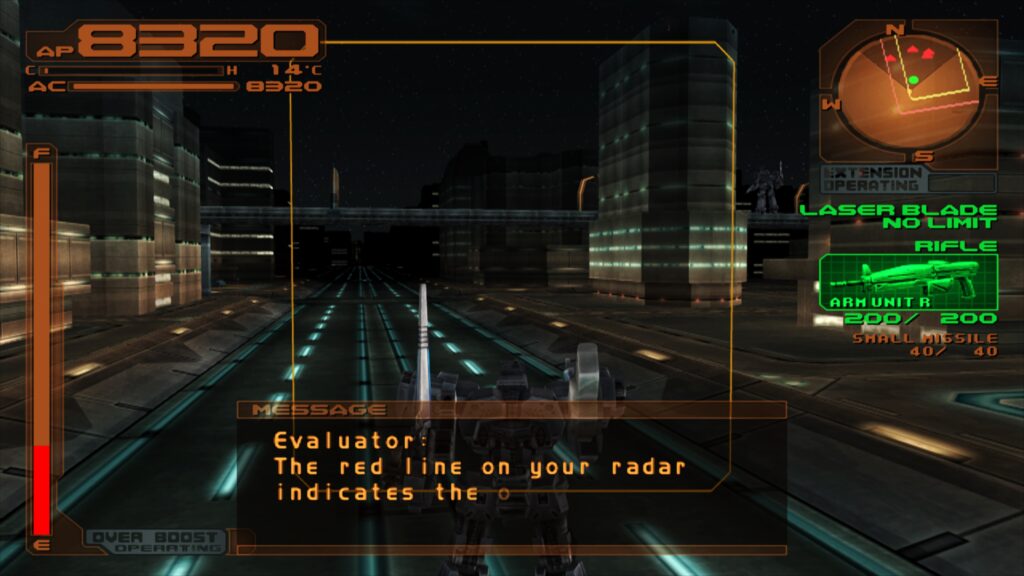
The introduction of LRPS2 addresses long-standing performance bottlenecks and rendering inconsistencies associated with older Libretro implementations of PlayStation 2 hardware. By leveraging an up-to-date codebase, the development team has ensured compatibility with nearly all modern rendering backends for the GSdx renderer, including Vulkan across Windows, macOS, and Linux, Direct3D 11 and 12 on Windows, and OpenGL on Windows and Linux platforms. This wide array of supported backends ensures that users can optimize their hardware configurations for maximum performance and visual fidelity without encountering the driver-level friction that frequently plagued earlier iterations.
Background Context and the Evolution of PlayStation 2 Emulation
Emulating the PlayStation 2 has historically been one of the most complex challenges in software preservation. Released by Sony Computer Entertainment in March 2000, the console featured the groundbreaking Emotion Engine CPU and the Graphics Synthesizer (GS) GPU. This asymmetric architecture, while revolutionary for its time, relies on specialized hardware paradigms that are notoriously difficult to replicate accurately in software without demanding substantial processing power.
For decades, standalone emulators like PCSX2 led the charge in making PlayStation 2 software playable on modern personal computers. However, integrating these complex routines into a modular frontend framework like Libretro—which powers the popular RetroArch application—presented formidable technical hurdles. Earlier Libretro PS2 cores were often based on aging branches of PCSX2 code, leading to deprecated features, severe memory management issues, and restricted rendering options.
The release of LRPS2 changes this landscape entirely. By aligning the core with modern development standards and decoupling it from legacy technical debt, Libretro has bridged the gap between standalone emulator performance and the flexible, unified interface of the RetroArch ecosystem. This development arrives alongside a series of archival releases and technical compendiums published by the Libretro team, highlighting a renewed push toward accurate, high-fidelity preservation of sixth-generation console libraries.
The Vanguard of Graphics: ParaLLEl-GS and Compute Shaders
By far the most transformative aspect of the LRPS2 release is the integration of paraLLEl-GS, a revolutionary graphics renderer conceptualized and developed by lead programmer Themaister. Following in the footsteps of the acclaimed paraLLEl-RDP project—which redefined Nintendo 64 emulation through Vulkan compute shaders—paraLLEl-GS approaches PlayStation 2 graphics from an entirely new engineering angle.
Written exclusively for the Vulkan graphics API, paraLLEl-GS implements a full reimplementation of the PlayStation 2 Graphics Synthesizer utilizing compute programs. The primary objective of this renderer is to achieve the pixel-accurate fidelity of a traditional software renderer while simultaneously unlocking modern graphical enhancements.
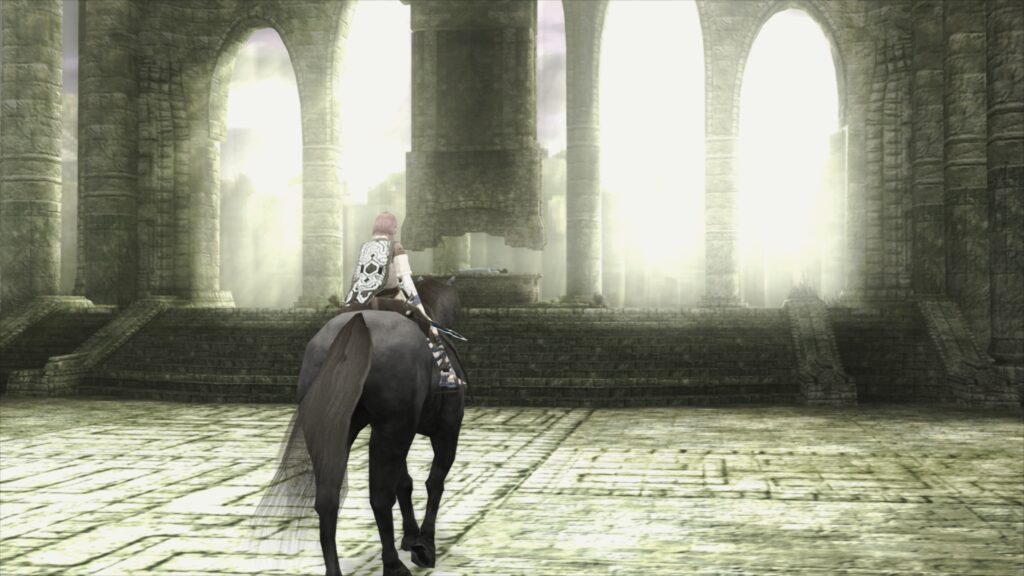
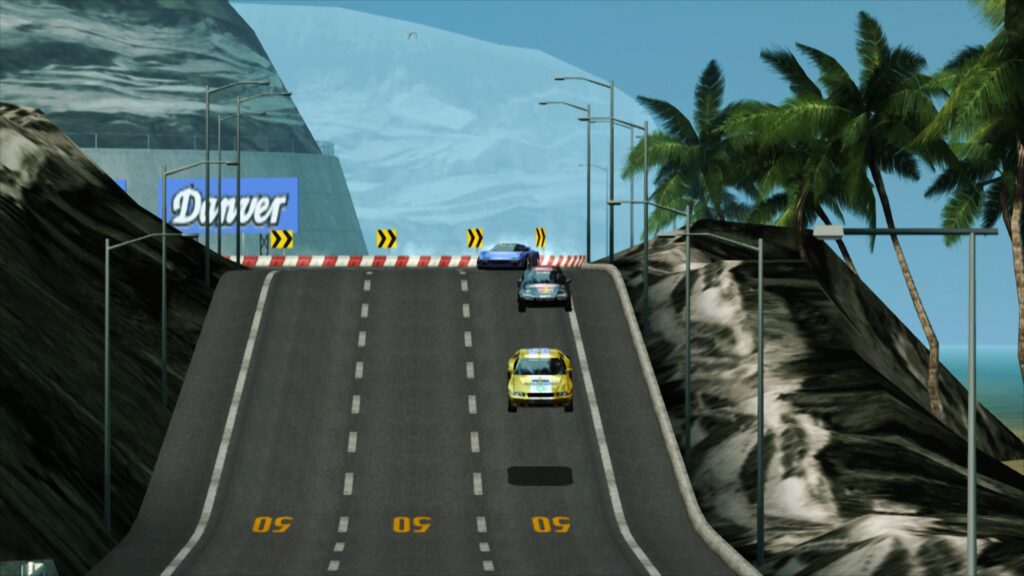
A standout feature of paraLLEl-GS is its implementation of Supersampling Anti-Aliasing (SSAA). When configured to 16x SSAA alongside experimental high-resolution scanout options, the renderer effectively eradicates the shimmering artifacts, texture crawling, and jagged geometric edges that typically afflict native or scaled 3D retro titles. Furthermore, high-resolution scanout doubles the native output resolution without requiring the extensive game-specific manual hacks typically demanded by traditional hardware renderers like GSdx. The result is an image quality that frequently surpasses traditional rendering methods while maintaining high structural integrity across a vast library of software.
Technical Specifications, Platform Support, and System Requirements
While LRPS2 brings immense technical advancements, users must adhere to specific platform constraints and installation procedures to ensure optimal operation. At launch, the core is officially supported on x86_64 Windows, x86_64 Linux, and macOS environments. Notably, the core is not available for Android, iOS, or ARM-based Linux distributions due to architectural dependencies and instruction set requirements.
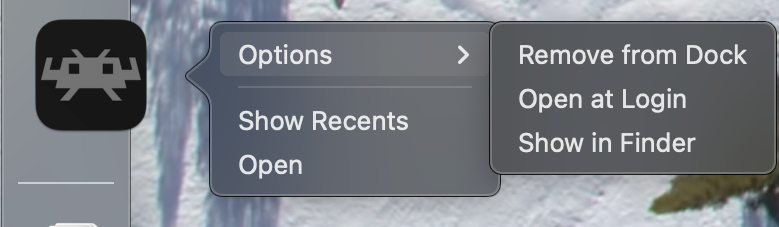
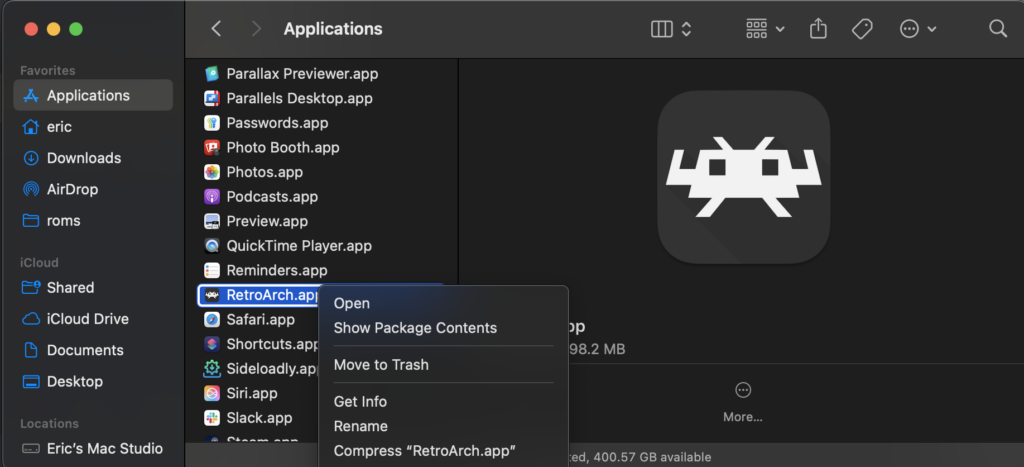
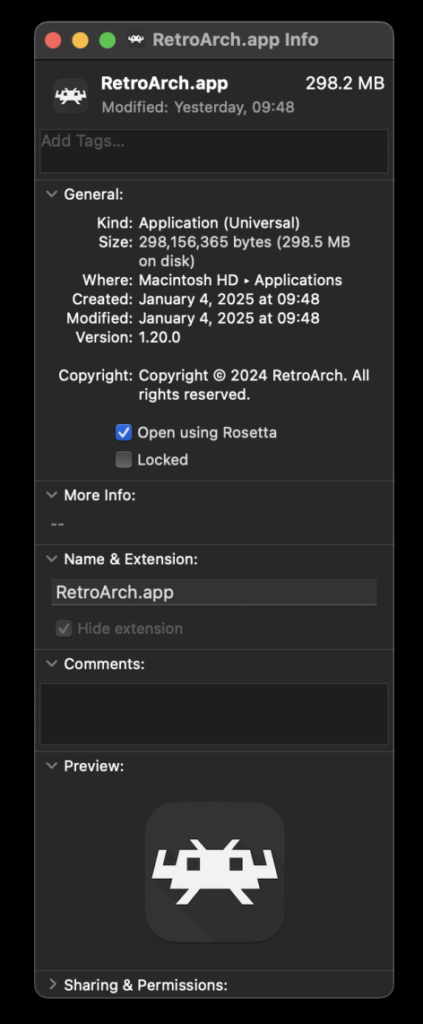
For users operating on macOS systems powered by Apple Silicon, running the core requires an explicit configuration step. Because the core architecture depends on specific compatibility frameworks, users must enable Rosetta translation by accessing the RetroArch application properties in Finder, selecting the Get Info menu, and checking the box to open the application using Rosetta. Once enabled, the LRPS2 core populates correctly within the RetroArch Core Downloader.
Setting up the core requires a structured workflow through RetroArch’s online updater system:
- Users must first update core info files to ensure proper labeling within the interface.
- Next, download the Sony – Playstation 2 (LRPS) core via the Core Downloader.
- Users must then download the LRPS2 system files bundle, which automatically generates the required directory hierarchy inside the RetroArch system folder. This includes the pcsx2 directory—housing the GameIndex.yaml file responsible for per-game compatibility hacks—and the bios directory, where users must supply their own legally dumped PlayStation 2 BIOS files.
- Games must be provided in uncompressed formats such as CHD, as compressed archive formats like .7z, .rar, or *.zip are not supported by the core parser.
Comprehensive Core Options and Renderer Flexibility
LRPS2 provides deep granular control over emulation parameters, bifurcated between the traditional GSdx renderer and the compute-based paraLLEl-GS renderer.
For users utilizing the GSdx renderer, a wide selection of manual hardware rendering fixes, internal resolution scaling toggles, texture filtering adjustments, and blending accuracy settings are available. These options allow enthusiasts to tailor performance to specific hardware profiles, balancing visual enhancement with frame-rate stability. However, unlike paraLLEl-GS, GSdx often necessitates individual game tweaks to resolve graphical glitches inherent to specific software titles.

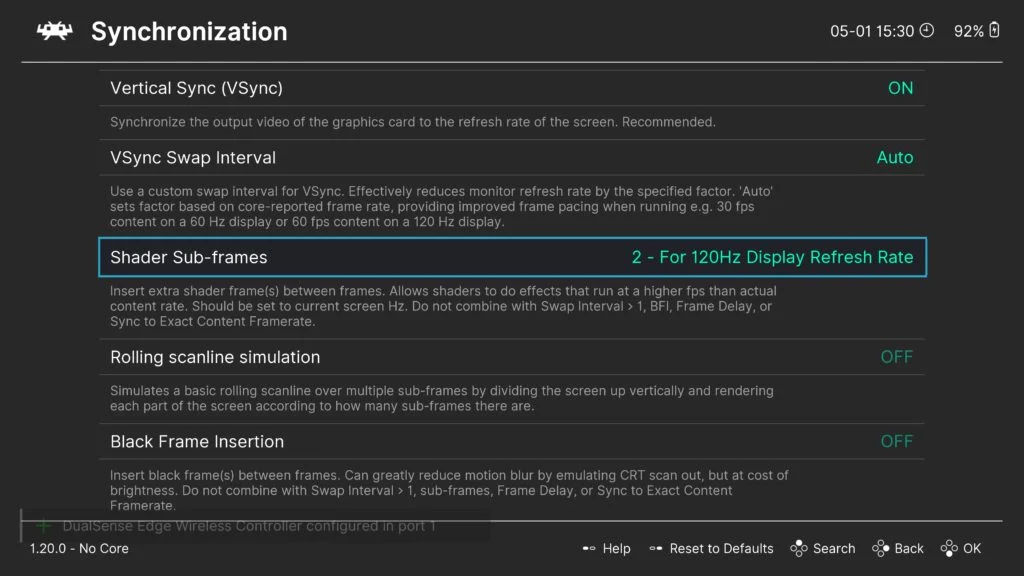
Emulation options within the core also address critical timing, audio synchronization, and input management challenges. To achieve optimal frame pacing, developers recommend utilizing the "Sync to Exact Content Framerate" setting under video synchronization parameters. Alternatively, users operating variable refresh rate (VRR) displays can disable VSync within RetroArch while forcing vertical synchronization through dedicated GPU control panels, such as the NVIDIA Control Panel, yielding smoother motion reproduction in demanding titles.
Known Limitations, Troubleshooting, and Ongoing Development
As with any major software release of this magnitude, early adopters have encountered specific operational hurdles that the development team is actively addressing.
Common troubleshooting scenarios documented at launch include:
- Black Screen with Audio: Users employing the default Direct3D 11 video driver on Windows may occasionally encounter a black screen upon launching content. Resolving this requires switching the global or core-specific video driver to Direct3D 12.
- Intel Integrated Graphics Performance: The compute-heavy nature of paraLLEl-GS places substantial demands on graphics hardware. Intel integrated graphics processors (IGPs) frequently struggle to execute compute shaders at full speed, rendering older or integrated Intel GPUs impractical for paraLLEl-GS. In such cases, fallback options like the software renderer or GSdx remain viable alternatives, though Intel’s newer discrete graphics solutions handle the workload adequately.
- Vulkan and Software Renderer Stability: Running the software renderer while utilizing the Vulkan video driver can trigger unexpected application crashes on certain Linux configurations. Developers recommend switching to the glcore driver on Linux or Direct3D drivers on Windows until a permanent patch is deployed.
- Input and Peripheral Support: While standard gamepad inputs function seamlessly, features such as analog face button mapping remain under active development. Current testing indicates that the absence of native analog face button support does not hinder game completion, as virtually all PlayStation 2 titles remain fully playable with standard digital inputs.
Broader Industry Implications and Future Outlook
The release of LRPS2 marks a pivotal chapter in the ongoing history of digital game preservation. By translating complex hardware paradigms into modern, compute-shader-driven architectures, projects like paraLLEl-GS and LRPS2 demonstrate the viability of high-accuracy emulation on consumer-grade hardware.

As the internal database of per-game patches, language unlocks, and widescreen enhancements continues to expand, the accessibility and visual fidelity of PlayStation 2 software will reach unprecedented heights. For researchers, preservationists, and retro gaming enthusiasts alike, LRPS2 establishes a new benchmark for open-source emulation engineering, ensuring that sixth-generation console software remains accessible, stable, and visually striking for generations to come.