Edi Durjana
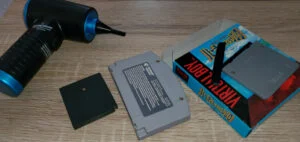
The preservation of digital heritage and retro video game history has taken a whimsical yet technically fascinating turn with the latest release from the Libretro development team. Jesse Talavera, a prominent contributor known for prior work on the melonDS DS core, McSoftServe, and various foundational RetroArch enhancements such as microphone support and XDelta softpatching, has officially unveiled his latest project: ROM Cleaner. Released via the standard RetroArch core downloader across supported platforms, this utility core represents an unconventional departure from traditional emulation. Rather than running legacy gaming hardware, ROM Cleaner is designed to maintain and service digital game backups, playfully addressing the realities of data preservation through an interactive, tongue-in-cheek mechanism that mimics vintage cartridge maintenance.
While RetroArch has historically functioned as a unified frontend for running classic video games across dozens of vintage systems—ranging from fourth-generation home consoles to archaic microcomputers—the introduction of utility cores has steadily expanded the software’s utility. ROM Cleaner bridges the gap between hardware maintenance nostalgia and software management. According to the development team, the core is engineered to combat the metaphorical accumulation of dust and particulate matter that theoretically affects digital files over prolonged periods of storage, offering an unorthodox approach to keeping legacy digital archives functional.
The Mechanics of Digital Preservation and Retro Maintenance
To understand the context of ROM Cleaner, one must examine the broader challenges facing digital archivists and retro gaming enthusiasts. The degradation of physical media has been well-documented for decades. Magnetic tape undergoes binder hydrolysis, optical media suffers from layer delamination commonly referred to as "disc rot," and vintage eras of flash memory or battery-backed static RAM face eventual charge leakage and voltage failure.
When physical cartridges and discs are dumped into digital ROM (Read-Only Memory) formats, they are ostensibly shielded from physical wear and tear. However, digital collections are not entirely immune to file corruption, bit rot, and storage degradation over extended timelines. While traditional file integrity is maintained via checksums (such as MD5, SHA-1, or Redump verification databases), ROM Cleaner introduces an interactive diagnostic routine that playfully leans into classic physical cleaning rituals.
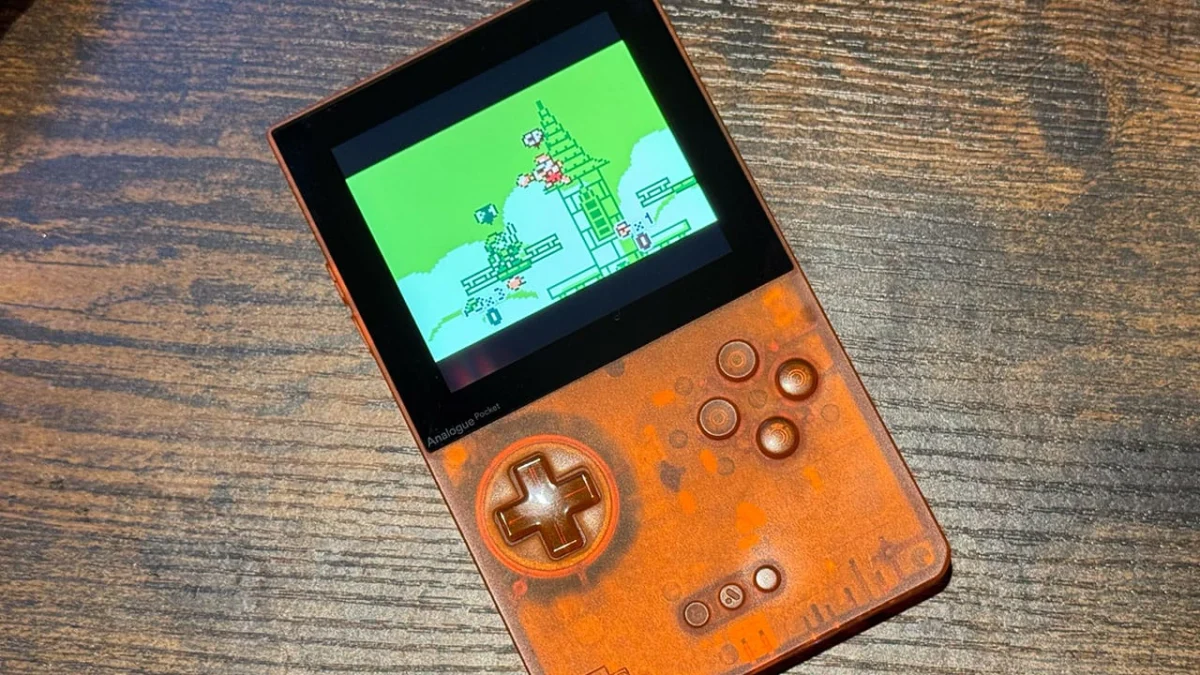
In the era of cartridge-based gaming, blowing into the bottom edge connectors of a Nintendo Entertainment System or Sega Genesis cartridge was a ubiquitous, albeit technically discouraged, ritual among players attempting to clear dust and improve electrical contact. ROM Cleaner integrates this nostalgic user experience into the digital realm. The utility requires users to utilize a connected hardware microphone and user input to virtually cleanse digital backups. By blowing into a microphone, users trigger the core’s simulated maintenance routine, effectively clearing away years of accumulated virtual dust and restoring non-booting backups to a pristine state.
Chronology of Development and Integration into RetroArch
The journey toward the release of ROM Cleaner is rooted in a continuous series of input/output and system-level enhancements made to the RetroArch ecosystem. Over the past several years, Libretro developers have heavily invested in expanding the capabilities of the frontend’s underlying Libretro API.
The integration of robust microphone input handling was a critical technical precursor to tools like ROM Cleaner. Originally implemented to support authentic gameplay features in titles utilizing voice input—such as certain Nintendo DS and original Xbox software—the microphone subsystem allowed Libretro cores to capture real-time audio data from the host operating system. Furthermore, Talavera’s previous contributions, including advanced softpatching frameworks like XDelta, established a precedent for utility-based cores that modify or verify ROM states on the fly without altering the underlying source file permanently.
Development of ROM Cleaner took place largely behind closed doors, described by Talavera as a secret project developed concurrently with other platform improvements. The core was quietly finalized and deployed to the global RetroArch core downloader infrastructure, making it instantly accessible to millions of active users worldwide. Because it leverages the existing Libretro architecture, the core requires no external dependencies beyond standard audio input permissions on the host device, ensuring seamless deployment across Windows, macOS, Linux, Android, and various single-board computers.
Industry Context and the Evolution of Utility Cores
The release of ROM Cleaner arrives at a time when the scope of retro game preservation platforms is rapidly evolving. RetroArch and the Libretro API have long transcended simple emulation, branching into digital asset management, shader development, netplay infrastructure, and educational tools.
Utility cores represent a specialized subset of the Libretro ecosystem. Unlike traditional system cores—which emulate the CPU, GPU, and audio subsystems of hardware like the Super Nintendo or PlayStation—utility cores perform auxiliary functions. Examples include software maintenance tools, media players, asset compilers, and diagnostic suites. By positioning ROM Cleaner within this specialized classification, Libretro continues to blur the lines between an emulator frontend and a comprehensive retro computing suite.
Industry analysts and open-source software historians note that projects like ROM Cleaner highlight the unique culture of the emulation community, which frequently blends technical rigor with self-aware humor. While enterprise data recovery relies on complex parity checking, error-correcting codes, and redundant arrays of independent disks (RAID), the retro gaming community often embraces creative, community-driven methodologies that celebrate the tactile memories of the 80s and 90s gaming hardware eras.
Broader Implications and Community Reception
The immediate response from the retro gaming community has been overwhelmingly positive, characterized by amusement, nostalgia, and appreciation for the ongoing ingenuity of independent open-source developers. On community forums, subreddits, and official Libretro communication channels, users have praised the clever synthesis of classic gaming tropes with modern software engineering.
From a technical perspective, the implications of ROM Cleaner extend primarily into the realm of user engagement and cultural preservation. While data corruption cannot literally be cleared by blowing air into a microphone, the tool serves as a brilliant interactive wrapper around file verification and diagnostic routines. It reinforces the emotional connection users have with their digital libraries, framing routine file maintenance not as a tedious chore of database management, but as an interactive ritual reminiscent of handling physical cartridges.
Furthermore, the release underscores the flexibility and extensibility of the Libretro API. By allowing developers to create custom cores that interact dynamically with host hardware sensors—such as microphones, webcams, and gyroscopes—Libretro opens the door for future experimental software that may further redefine what an emulation frontend can achieve.
As digital preservationists face the mounting challenge of maintaining petabytes of legacy software for future generations, initiatives like ROM Cleaner ensure that the culture surrounding retro gaming remains vibrant, engaging, and deeply rooted in its historical origins. The core is currently available for download via the built-in RetroArch updater, inviting users worldwide to test its capabilities and experience a modern twist on a classic gaming ritual.