Hartono Sudibyo
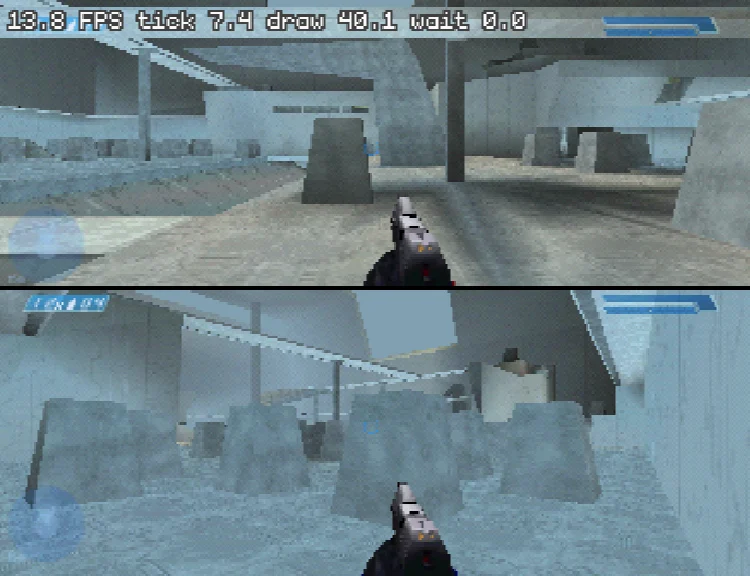
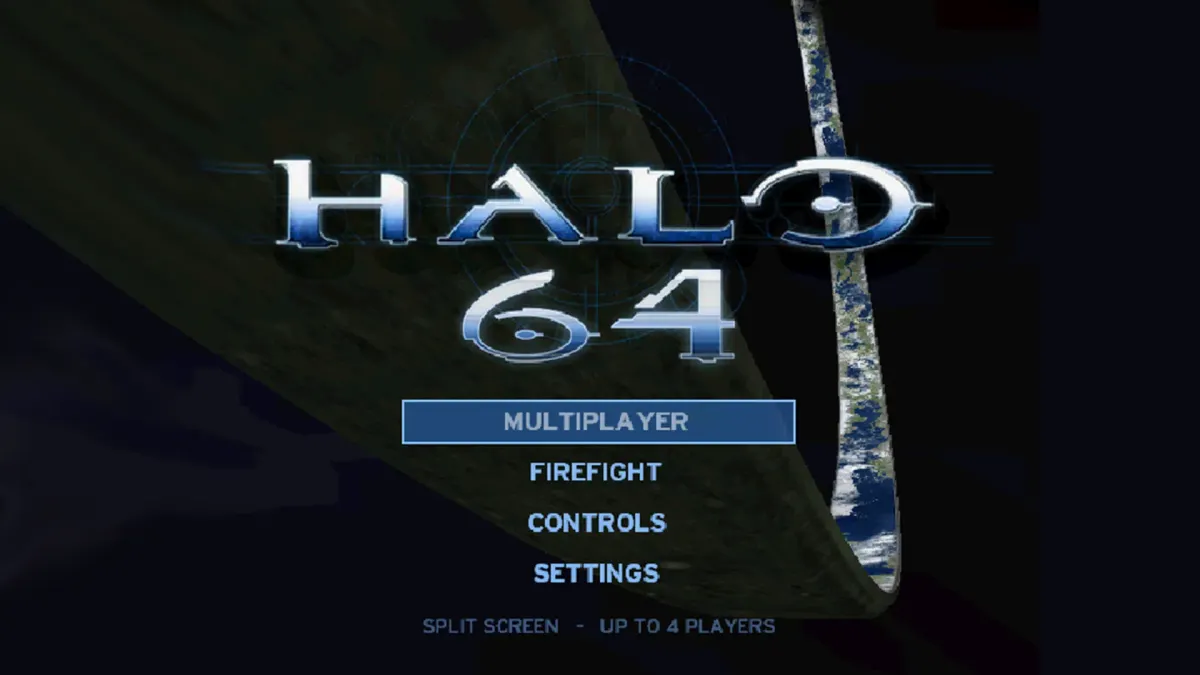
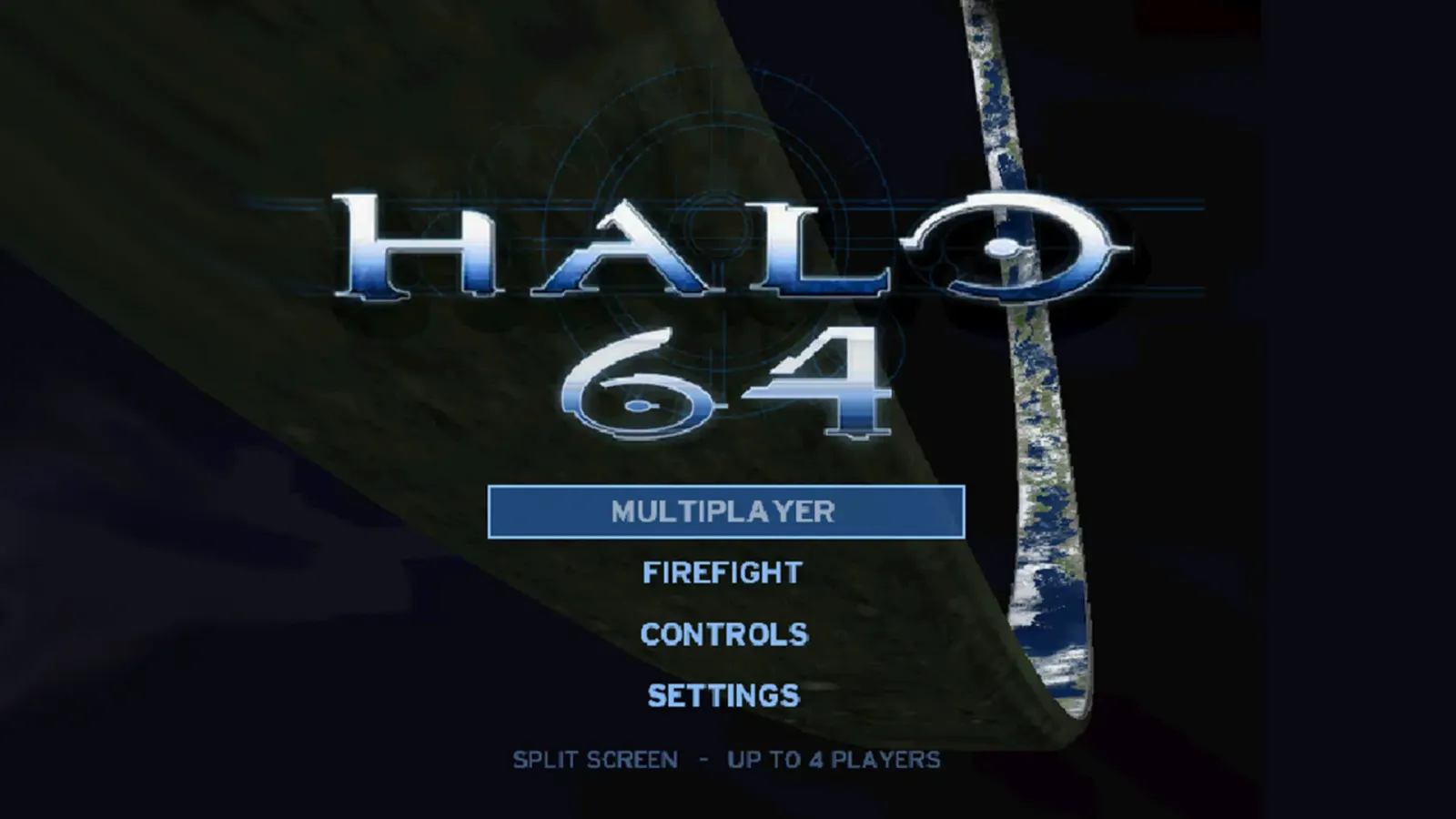
The landscape of retro video game preservation and homebrew development has reached a fascinating new milestone with the release of an unofficial, community-driven project that brings Microsoft’s iconic first-person shooter, Halo: Combat Evolved, to Nintendo 64 hardware. Entitled Halo 64, the project delivers a functional local multiplayer and co-operative experience complete with the distinct, low-polygon aesthetic characteristic of late-1990s console architecture. While the campaign mode remains absent from this release, the inclusion of classic split-screen functionality, customizable game types, and a wave-based survival mode has drawn significant attention from both the retro-gaming and modern homebrew development communities.
The release underscores a growing trend in the emulation and decompilation spheres, where developers push vintage hardware far beyond its original commercial specifications. By marrying modern AI-assisted coding tools with deep-dive reverse engineering, creators are bridging generational divides that were once thought technologically insurmountable.
Technical Architecture and Development Methodology
Halo 64 is not a mere surface-level video aesthetic demake; it relies on a complex fusion of original game code and modern compilation techniques. The project utilizes the decompiled source of the halo-ce-universal repository, preserving critical gameplay elements including object behaviors, physics engines, collision detection, weapon mechanics, game types, the Head-Up Display (HUD), first-person weapon models, and enemy pathfinding logic.
To run this data on Nintendo 64 architecture, the software compiles the core logic for the N64’s VR4300 processor. Furthermore, developers implemented a custom renderer, redesigned menu interfaces, adapted HUD drawing procedures, and processed audio through libdragon and tiny3d libraries. To populate the virtual world, map data is converted directly from original Xbox game files, allowing players to experience 13 classic environments scaled down to run within the strict constraints of Nintendo’s 64-bit console.
Notably, the development of Halo 64 integrated artificial intelligence tools—specifically Anthropic’s Claude—to assist with code generation and structural problem-solving. This reliance on generative AI highlights a shifting paradigm in homebrew software development, where coding bottlenecks are increasingly navigated through human-AI collaboration. While projects utilizing AI code generation draw mixed reactions from purists, open-source maintainers argue that such tools accelerate complex ports that would otherwise require prohibitive amounts of manual human labor.

Gameplay Features and Configuration
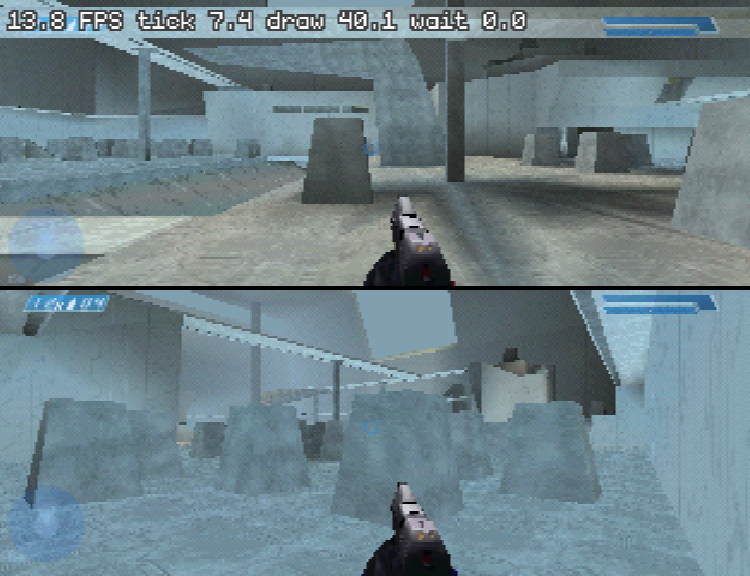
Rather than focusing on the single-player narrative campaign that defined Master Chief’s debut on the original Xbox in November 2001, Halo 64 centers entirely on replayable multiplayer action. The port supports up to four players locally via split-screen, utilizing the Nintendo 64’s four controller ports without requiring external adapters.
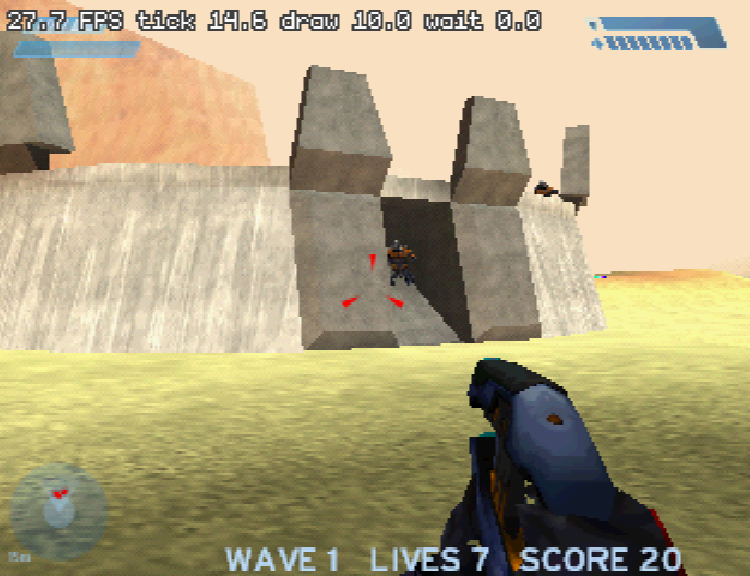
Players can engage in traditional competitive modes—such as Slayer, Team Slayer, Slayer Pro, Capture the Flag, and King of the Hill—populated by fully functional vehicles, physics-enabled weaponry, and operational map teleporters. For those preferring solo or cooperative play against artificial intelligence, the port features a built-in bot system spanning four distinct difficulty settings. Additionally, the inclusion of a Firefight mode brings wave-based survival mechanics to the N64 platform, tasking players with defending against escalating incursions of Covenant forces.
Operating the software on original Nintendo 64 hardware requires specific technical prerequisites. Due to the memory demands of rendering multiple viewports and complex 3D environments, users must utilize an Expansion Pak—the hardware upgrade originally released alongside Donkey Kong 64 and Perfect Dark to double the console’s RAM from 4MB to 8MB.
Because of copyright and distribution regulations, the software is not distributed as a pre-patched ROM containing proprietary Microsoft assets. Instead, the developers provide the build scripts and patch tools via GitHub under a free-to-download model. Users must legally supply their own legally acquired copies of the original Xbox game files to extract, convert, and patch the maps for the Nintendo 64 format. The build environment natively supports compilation on Windows and Linux operating systems.
Background Context and the Rise of Decompilation Ports
The arrival of Halo 64 is part of a broader, rapidly expanding movement within software preservation known as game decompilation and native porting. Over the past five years, communities dedicated to reverse engineering have successfully reconstructed the source code of numerous classic titles, enabling native ports to platforms that never saw official releases.
Historically, bringing a major Xbox title to the Nintendo 64 would have been technologically impossible. Released in 2001, the Xbox featured a custom 733 MHz Intel Pentium III processor, 64MB of unified RAM, and a dedicated Nvidia NV20 graphics chipset. In stark contrast, the Nintendo 64 debuted five years earlier in 1996, equipped with a 93.75 MHz NEC VR4300 CPU, a 62.5 MHz Reality Co-processor, and a mere 4MB of RAM (expandable to 8MB).
Despite these vast architectural discrepancies, modern homebrew developers have demonstrated that clever optimization, aggressive memory management, and modern rendering techniques can bridge performance gaps. Projects like the native PC port of Super Mario 64, the Zelda 64 decompilation efforts, and various backward-generation demakes have normalized the concept of cross-generational software migration.
Industry Implications and Preservation Debates
The release of projects like Halo 64 sparks important conversations regarding intellectual property, software preservation, and the ethical boundaries of AI-assisted development.
From a legal perspective, platforms hosting patches and source code—such as GitHub—frequently operate in a gray area. While providing code modifications and decompiled headers does not inherently violate copyright if it avoids direct asset distribution, requiring users to supply their own proprietary game files places the burden of compliance onto the end-user. Major publishers, including Microsoft and Nintendo, maintain strict stances against the unauthorized distribution of their proprietary codebases, though community-driven non-commercial ports often exist in a tolerated space unless commercial infringement occurs.
Furthermore, the integration of generative AI in homebrew development signals a fundamental shift in how independent projects are built. As artificial intelligence models become more adept at parsing complex, legacy programming languages and translating them into modern or constrained target architectures, the barrier to entry for ambitious software projects drops significantly. However, this reliance introduces concerns regarding code reliability, security vulnerabilities, and intellectual property provenance, prompting open-source repositories to emphasize user caution and due diligence regarding downloaded binaries and scripts.
Broader Impact on the Retro Gaming Community
Ultimately, Halo 64 serves as a technical curiosity and a testament to the ingenuity of modern homebrew programmers. By forcing a heavy, sixth-generation console flagship onto fifth-generation hardware, developers continue to challenge preconceived notions of hardware obsolescence.
While most players will experience the port via modern N64 emulators capable of handling higher resolutions and frame rates, the ability to run the software on actual 1996 silicon equipped with an Expansion Pak closes a conceptual loop in gaming history. As decompilation tools mature and AI-assisted programming accelerates development cycles, the boundaries of what is possible on vintage hardware will undoubtedly continue to expand, offering fresh perspectives on timeless gaming classics.